

 Preview
 Send
Send Share
Share
 Details

 Download
 Similars
 X-Ray
X-Ray Diaporama
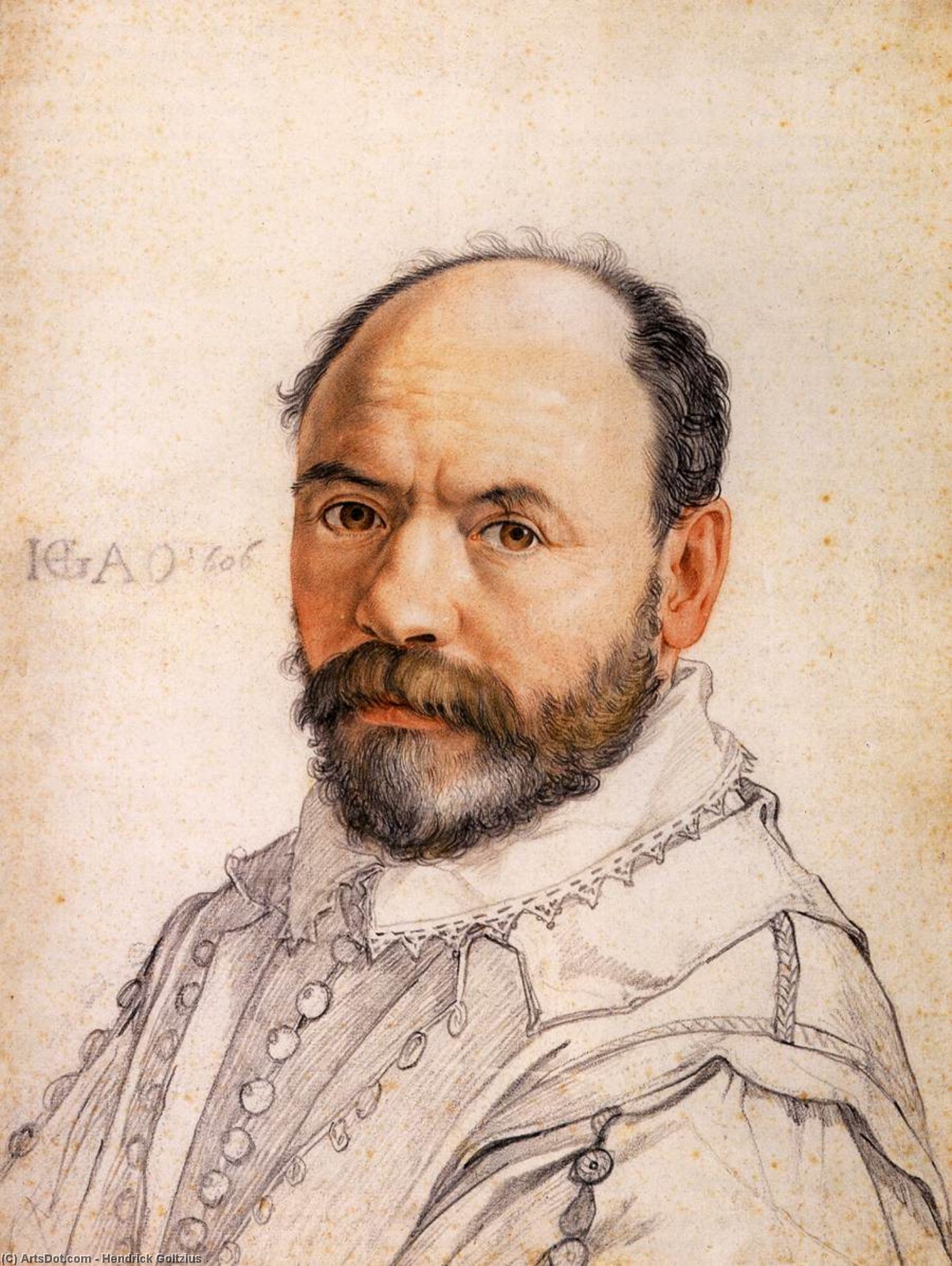
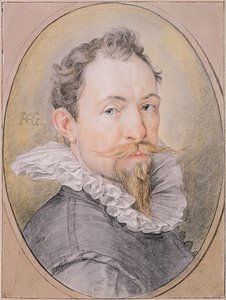
Portrait of the Sculptor Pierre Francheville
 Acrylic On Canvas
- WallArt
- Northern Mannerism
 1591
1591 415.0 x 308.0 cm
 Rijksmuseum
 Read More
Purchase a high-resolution, enhanced digital image, far superior to the online preview.
Each file is meticulously prepared by our in-house specialists using advanced tools and expert manual retouching. We ensure every image has exceptional clarity, precise color accuracy, and fine detail.
The final file is delivered via email within 72 hours, optimized for immediate use in professional, editorial, and print environments. This is the same quality trusted by top-tier design studios, publishers, and galleries.
Digital Image
Download a high-resolution file for personal display, printing, and creative projects. ( Buy Print Buy Hand Made Painting)
Included in Every Digital Image Order
Expert Digital Delivery, Guaranteed
When you choose ArtsDot.com, you're not just getting an image - you're receiving a professionally enhanced digital artwork, crafted with precision and backed by a satisfaction guarantee. Here's everything that comes with your order, automatically:

Fast Email Delivery
Your high-resolution digital image file will be emailed to you within 72 hours of ordering - ready for immediate use.

AI-Enhanced Digital File
Your artwork is professionally optimized using advanced AI tools and manual editing, ensuring maximum detail, clarity, and color accuracy.

Free Lifetime Re-Delivery
Accidentally deleted or lost your file? No worries - we'll resend it to you anytime, free of charge.

No Import Fees - Ever
Enjoy your artwork instantly with zero customs, duties, or delivery fees - digital downloads are always tax-free.

Color Accuracy Guarantee
We ensure your digital image reflects the original colors as closely as possible using professional tools and color management.

60-Day Satisfaction Guarantee
If you're not satisfied with your digital image, we'll revise it or refund 100% within 60 days - no questions asked.

100% Money-Back Guarantee
Not satisfied? Get a full refund within 60 days of receiving your digital file - no questions asked.

Bulk Order Discounts
Buy 3 images, save 10% - Buy 5, save 15% - Buy 10+, save 20%. Great for creative projects, galleries, and agencies.
Portrait of the Sculptor Pierre Francheville – A Masterpiece of Northern Mannerism
Hendrik Goltzius’s “Portrait of the Sculptor Pierre Francheville” is more than just a likeness; it's a meticulously crafted window into the artistic milieu of 16th-century Florence and Haarlem. Painted in 1590-1591, during a period of intense artistic exchange between Italy and the Netherlands, this chalk-on-paper work exemplifies the refined elegance and psychological depth characteristic of Northern Mannerism. The subject, Pierre Francheville, a sculptor working alongside the renowned Giambologna, is rendered with an almost unnerving realism – his gaze direct, his expression thoughtful, hinting at both pride in his craft and perhaps a touch of melancholy.
Goltzius’s technique is immediately striking. The medium itself—chalk on paper—provides a remarkable level of detail and luminosity. The artist skillfully manipulated the chalk to create subtle gradations of tone, mimicking the effects of oil paint with an astonishing degree of precision. Notice how the light catches the planes of his face, revealing the texture of his skin and the delicate structure of his features. The background, a simple wall adorned with architectural elements, serves not as distraction but as a grounding element, emphasizing the subject’s presence and drawing attention to his dignified posture. The slightly blurred edges contribute to an overall sense of intimacy, inviting the viewer into the artist's studio and creating a direct connection with the sitter.
A Window into Renaissance Florence
The portrait’s creation coincided with Goltzius’s sojourn in Italy, a formative period that profoundly influenced his artistic development. He sought to emulate the masters of the High Renaissance – Michelangelo, Raphael, and Leonardo da Vinci – absorbing their techniques and philosophies. Francheville himself was deeply rooted in the Florentine art scene, working alongside some of the era's most celebrated sculptors. This connection imbues the portrait with a subtle sense of historical resonance, transporting us back to a time when artistic innovation flourished amidst the grandeur of Renaissance Italy.
The inclusion of architectural details in the background is particularly significant. These elements—a classical pilaster and arched doorway—are reminiscent of Florentine palazzi and villas, subtly referencing the artistic heritage that shaped Francheville’s career. It's a visual reminder of the cross-pollination of ideas between Italy and the Netherlands during this period, demonstrating how artistic trends traveled across continents, enriching and transforming both cultures.
Symbolism and Psychological Depth
Beyond its technical brilliance, “Portrait of the Sculptor Pierre Francheville” is rich in symbolic meaning. The sculptor’s contemplative gaze suggests a deep engagement with his craft – a desire to capture not just the outward appearance but also the inner essence of his subject. The slightly furrowed brow and subtle downturn of the mouth convey a sense of seriousness and introspection, hinting at the challenges and rewards inherent in artistic creation.
Furthermore, the portrait’s composition—the careful arrangement of elements within the frame—creates a powerful visual narrative. The sculptor is presented as an individual of considerable intellect and artistic merit, worthy of admiration and respect. Goltzius masterfully uses light and shadow to sculpt Francheville's face, emphasizing his features and creating a sense of three-dimensionality that transcends the limitations of the medium.
A Legacy of Precision and Elegance
Hendrik Goltzius’s “Portrait of the Sculptor Pierre Francheville” stands as a testament to the artist's exceptional skill and artistic vision. It is a remarkable example of Northern Mannerism, characterized by its meticulous detail, psychological depth, and subtle elegance. Reproductions of this captivating portrait offer a unique opportunity to appreciate the nuances of Goltzius’s technique and to connect with the rich artistic heritage of 16th-century Europe. Its enduring appeal lies in its ability to evoke a sense of timeless beauty and intellectual curiosity – a reminder that art can transcend time and continue to inspire generations of viewers.
Related Artworks



Artist Biography
early life and training
hendrick goltzius, a german-born dutch printmaker, draftsman, and painter, was born in january or february 1558. he was the leading dutch engraver of the early baroque period, or northern mannerism, lauded for his sophisticated technique and "exuberance" of his compositions. according to a. hyatt mayor, goltzius "was the last professional engraver who drew with the authority of a good painter and the last who invented many pictures for others to copy". goltzius's family moved to duisburg when he was 3 years old, and after studying painting on glass under his father, he learned engraving from the dutch polymath dirck volckertszoon coornhert.artistic career
in 1577, goltzius moved with coornhert to haarlem in the dutch republic, where he remained based for the rest of his life. he was also employed by philip galle to engrave a set of prints of the history of lucretia. goltzius had a malformed right hand from a fire when he was a baby, which turned out to be especially well-suited to holding the burin. this unique physical characteristic allowed him to master a commanding swing of line, making his engravings highly distinctive. hendrick goltzius brought to an unprecedented level the use of the "swelling line", where the burin is manipulated to make lines thicker or thinner to create a tonal effect from a distance.technique and style
goltzius was a pioneer of the "dot and lozenge" technique, where dots are placed in the middle of lozenge-shaped spaces created by cross-hatching to further refine tonal shading. his command of the burin is said to rival dürer, and he made engravings of bartholomeus spranger's paintings, thus increasing the fame of the latter – and his own. goltzius began painting at the age of forty-two; some of his paintings can be found in vienna. he also executed a few chiaroscuro woodcuts.public collections and legacy
most major print rooms will have a group of goltzius's many engravings, including the museum boijmans van beuningen, rijksmuseum amsterdam, and the metropolitan museum of art. his legacy can be seen in the works of other artists, such as jacques bellange, who was also a master of northern mannerist printmaking. goltzius's engravings and paintings continue to inspire art lovers and scholars alike, and his work can be found on ArtsDot.com and in the wikipedia article dedicated to his life and work.- some of goltzius's notable works include: jupiter, minerva, and the prophet baruch
- museums with his work: los angeles county museum of art, philadelphia museum of art, and british museum
- techniques used by goltzius: "swelling line" and "dot and lozenge" technique
hendrik goltzius
1558 - 1617 , Italy
Quick Facts
- Artistic Movement Or Style: Northern Mannerism & Baroque engraving
- Artists Or Movements Influenced By This Artist: ['Jacques Bellange']
- Artists Who Influenced This Artist:
- Dirck Volckertszoon Coornhert
- Bartholomeus Spranger
- Date Of Birth: January or February 1558
- Full Name: Hendrick Goltzius
- Nationality: Dutch
- Notable Artworks:
- The Adoration of the Shepherds
- Arcadian Landscape
- Head of a Siren
- Hercules Killing Cacus
- Demogorgon and the Deities
- Apollo Belvedere
- The Last Supper
- Vries, Frederik de (died 1613)
- Place Of Birth: Braunschweig, Italy

