 Preview
 Send
Send Share
Share
 Details

 Download
 Similars
 X-Ray
X-Ray Diaporama
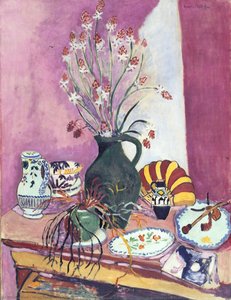
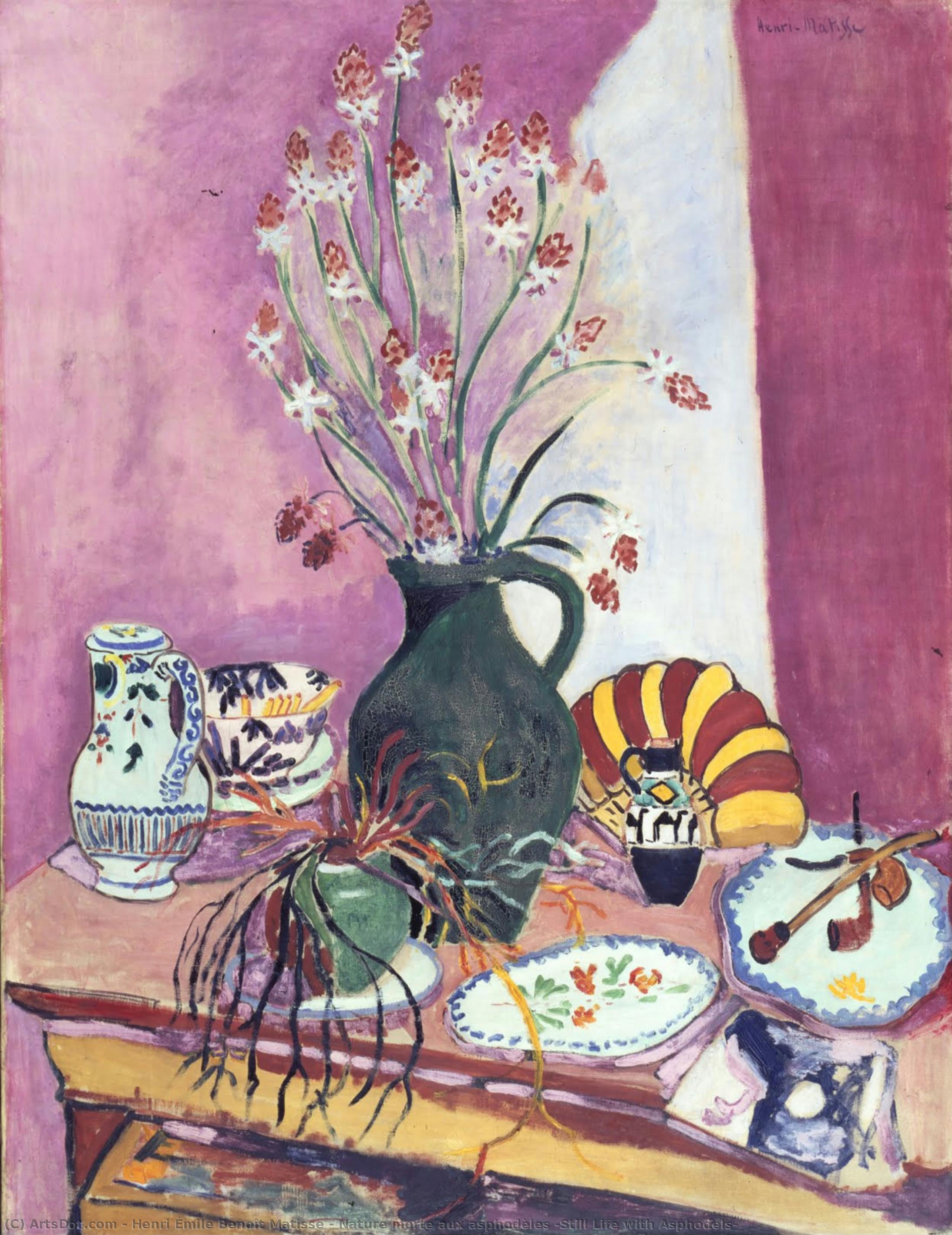
Nature morte aux asphodèles (Still Life with Asphodels)


 Read More
Giclée / Art Print
Museum-quality giclée or canvas print with fast production and flexible finish options. ( Buy Hand Made Painting Buy Image)




P118B $10

P118H $10

P118W $10

P438Z $10

P508JH $12

P508YH $12

P805H $10

P805Z $10

P919BZ $10

P919G $10

P919XJ $10

P959ZH $10

P968JZ $12

W106C $8

W218G $10

W218JH $8

W218Y $10

W307PJ $10

W316G $10

W316PJ $8

W316Y $10

W398PJ $8

W4111J $10

W500HY $15

W500JH $15

W692G $12

W849H $8

W940BG $15

W953PJ $8




Pick from our preset sizes that match the artwork's original proportions.

You may enter your own dimensions to fit a specific frame or space. If your selected size does not match the original image's proportions, we will either crop the artwork or extend the image with a mirrored or solid-fill edge. A digital mockup will be sent for your approval before production begins.
Please note that the on-screen preview does not reflect the actual cropping or extension. Only the mockup will accurately show the final composition.
While custom sizes are available, we recommend selecting a dimension from the predefined list to preserve the original proportions.
Worldwide Delivery () in 2 weeks instead of standard 4/5 weeks. (24 August)

Free Worldwide Express Shipping

High-Quality Linen Canvas

Full Shipping Insurance

Customs Tax Refund Guarantee

True Color Matching Guarantee

60-Day Return Policy (Defects Only)

100% Money-Back Guarantee

Bulk Discount Offer
 Glass option is only available in size under 110 CM

Nature morte aux asphodèles (Still Life with Asphodels)
Giclée / Art Print
Reproduction Size
-


Total Price
$ 63
Collectible Description
The Languid Beauty of Still Life
To gaze upon this arrangement, Nature morte aux asphodèles, is to step into a moment suspended between vibrant life and inevitable decay. Matisse’s handling of the still life genre transcends mere documentation; it becomes an eloquent meditation on existence itself. The composition centers around a generous vase overflowing with asphodels, their forms rendered with a palpable sense of weight and lushness. Surrounding this focal point, potted plants anchor the scene to a richly textured table surface, while the inclusion of simple objects—the delicate cups and the central bowl—grounds the ethereal beauty in tangible reality. It is a close-up intimacy that invites the viewer to lean in, to observe the subtle interplay of light catching on porcelain and the velvety texture of petals.
A Brushstroke of Fauvist Emotion
While Matisse’s career spanned diverse stylistic explorations, this work carries the unmistakable resonance of his mature period. Though perhaps not bursting with the raw, unbridled color shock of his most famous Fauve canvases, the underlying spirit remains: an insistence on emotional truth over mere optical fidelity. His technique allows the colors to sing against each other, creating a vibrant harmony that speaks directly to the viewer's inner landscape. The application of paint is masterful; one can almost feel the gesture of the brush, the confident sweep that builds form while simultaneously suggesting movement within the arrangement. It is art that feels both meticulously composed and spontaneously alive.
Symbolism Woven in Petals
The choice of subject matter—the asphodel—is deeply evocative. In various traditions, these flowers carry potent symbolism, often associated with remembrance, sleep, or the threshold between worlds. Paired with the quiet domesticity suggested by the cups and bowl, the still life becomes a poignant allegory. It speaks to the passage of time, the cyclical nature of beauty that flourishes only to fade. For the collector or designer, this depth means the piece offers more than just decoration; it provides a continuous source of contemplation, a visual poem about memory and transience.
Bringing Matisse Home: Decorating with Depth
For those seeking to integrate the spirit of modern masters into a contemporary living space, a reproduction of this work offers unparalleled sophistication. The rich palette and complex arrangement make it an ideal centerpiece for a dining room or drawing-room. It possesses enough visual weight through its subject matter—the abundance of life in the flowers—to anchor a wall, yet its inherent elegance ensures it complements various interior styles, from bohemian maximalism to refined modernism. Owning this piece is not merely acquiring art; it is curating an atmosphere steeped in artistic history and quiet contemplation.
Related Artworks
Artist Biography
Early Life and Artistic Beginnings
- Born: December 31, 1869, Le Cateau-Cambrésis, France
- Died: November 3, 1954, Nice, France
- Matisse's early life was marked by a period of illness in his youth which led him to pursue art as a hobby.
- He initially studied law but abandoned it to dedicate himself to painting.
- Early influences included Gustave Moreau and Édouard Manet, whose works he encountered during trips to Paris.
- His initial artistic style leaned towards realism before evolving into more experimental approaches.
The Fauvist Period and Artistic Development
- Matisse became a leading figure in the Fauvist movement around 1905.
- Fauvism, meaning "wild beasts," was characterized by its intense, non-naturalistic use of color.
- Key works from this period include "Woman with a Hat" (1905) and "The Joy of Life" (1906).
- He sought to express emotion through bold colors rather than representational accuracy.
- His approach challenged conventional artistic norms and sparked considerable controversy.
Mature Style and Continued Exploration
- After Fauvism, Matisse developed a more refined and decorative style.
- He explored flattened forms, simplified compositions, and intricate patterns.
- Travels to North Africa (Morocco) significantly influenced his palette and subject matter.
- His works from this period often feature luxurious interiors, portraits of women, and landscapes with vibrant colors.
- Notable paintings include "Moroccan in Green" (1911) and various depictions of dancers.
Later Years: Cut-Outs and Legacy
- In his later years, Matisse faced health challenges that limited his ability to paint traditionally.
- He innovatively developed a technique using cut-out paper collages.
- These "cut-outs" involved cutting shapes from colored paper and arranging them into compositions.
- The Chapelle de la Médiathèque in Nice, France, is a testament to his late work, featuring murals created with this technique.
- Historical Significance: Matisse's contributions to modern art are immense. He profoundly influenced subsequent generations of artists and helped shape the development of abstract expressionism and other movements. His emphasis on color, form, and decorative elements continues to inspire artists today.
Key Influences and Artistic Relationships
- Paul Cézanne: Matisse admired Cézanne's structural approach to painting and his exploration of form.
- Pablo Picasso: A contemporary and rival, Picasso shared a similar drive to revolutionize art. Their artistic dialogues shaped the course of 20th-century art.
- Gertrude Stein & Etta Cone: These American collectors were significant patrons of Matisse's work and played a crucial role in his career.
- Japanese Prints: The simplicity, flat planes, and bold patterns of Japanese prints deeply influenced Matisse’s aesthetic sensibilities.
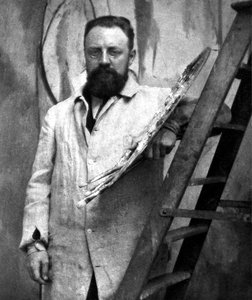
henri émile benoît matisse
1869 - 1954 , France
Quick Facts
- Artistic Movement Or Style: Fauvism, Post-Impressionism
- Date Of Birth: December 31, 1869
- Date Of Death: 1954
- Full Name: Henri Émile Benoît Matisse
- Nationality: French
- Notable Artworks:
- Carla Accardi Grigo Bruno
- The Banks of the Marne
- Belle-Île, rochers
- Moroccan in Green
- Place Of Birth: Le Cateau-Cambrésis, France
Related Articles
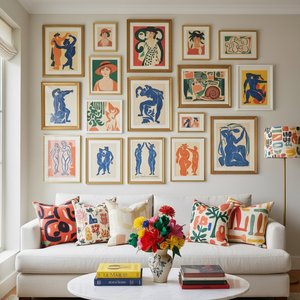
Henri Matisse's Masterpieces: Explore 25 Iconic Paintings & Art Decor Ideas
Journey through Henri Matisse's 25 most iconic paintings! Explore Fauvism, vibrant colors & the stories behind masterpieces like 'The Dance'. Find museum-quality art reproductions and curated decor ideas to elevate your space. Discover all masterpieces on ArtsDot.com.
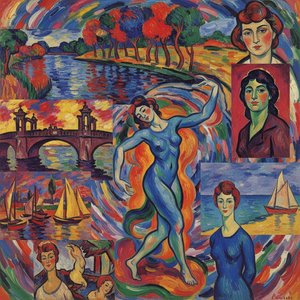
Fauvism's Boldest Visions: 10 Masterpieces That Revolutionized Modern Art | ArtsDot
Explore 10 Fauvist masterpieces by Matisse, Derain & Vlaminck that ignited Modern Art! Discover bold colors, expressionist landscapes & the history of this revolutionary movement. Find museum-quality prints at ArtsDot.com.
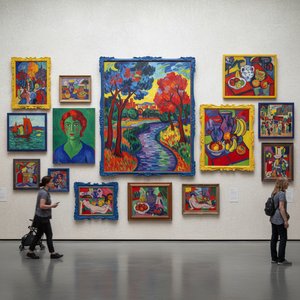
Fauvism's Bold Vision: 10 Masterpieces That Revolutionized Modern Art |
Explore the revolutionary world of Fauvism! Discover 10 masterpieces by Matisse, Derain & Vlaminck that defined this bold art movement. Find museum-quality reproductions and vibrant canvas prints to elevate your home decor at .
Bold Strokes & Powerful Visions: 10 Artworks That Command Attention | ArtsDot
Experience art's raw power! Explore 10 iconic paintings – Van Gogh, Kahlo & more – that define 'bold'. Discover the stories behind these expressive masterpieces and find museum-quality reproductions for your home at ArtsDot.com.
Henri Matisse: A Revolutionary Use of Color and Form in Modern Art
Explore the revolutionary art of Henri Matisse! Discover his bold use of color, Fauvist origins, and lasting impact on modern painting. A comprehensive guide for art enthusiasts.