

 Preview
 Send
Send Share
Share
 Details

 Download
 Similars
 X-Ray
X-Ray Diaporama
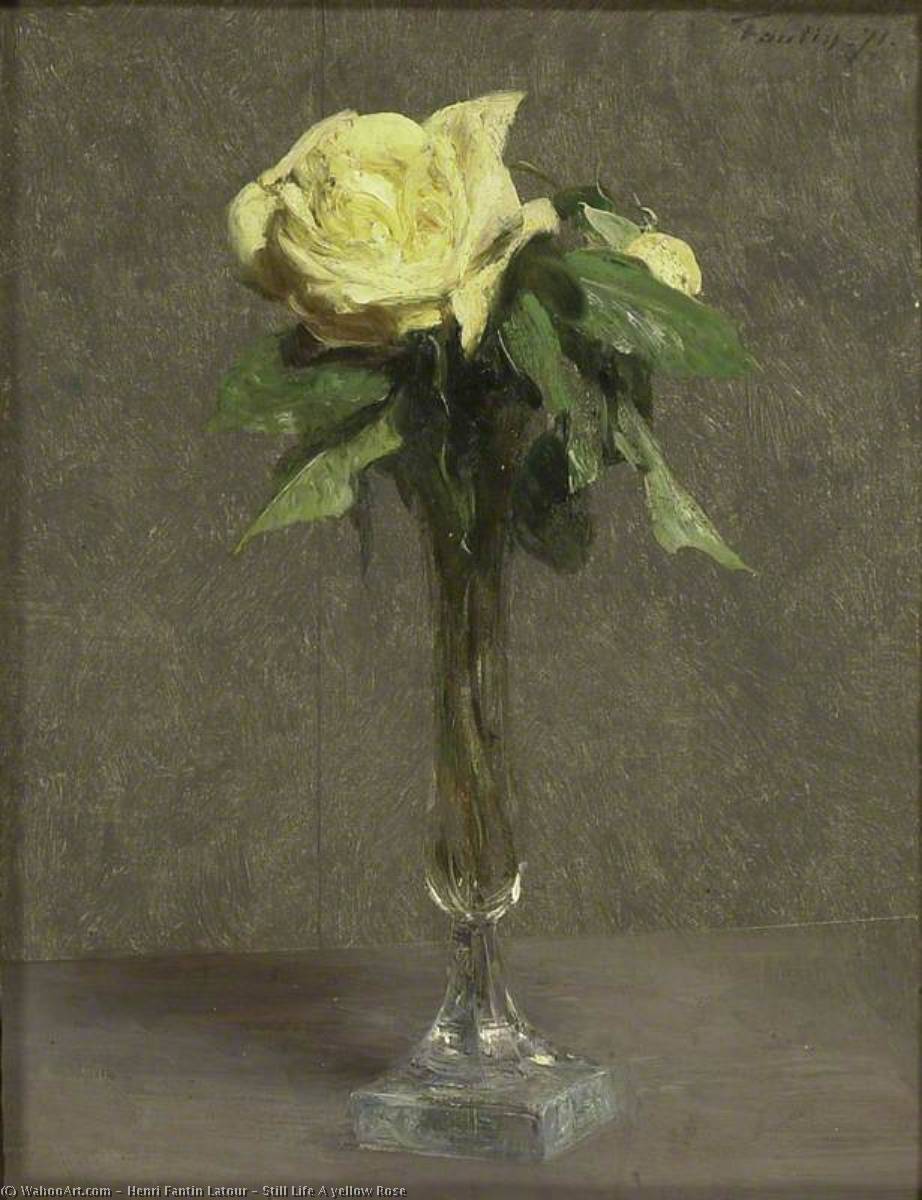
Still Life A yellow Rose
 Oil On Canvas
- WallArt
- Impressionistic Still Life
 1871
1871- 19th Century
 30.0 x 24.0 cm
 The Ashmolean Museum of Art And Archaeology
 Read More
Purchase a high-resolution, enhanced digital image, far superior to the online preview.
Each file is meticulously prepared by our in-house specialists using advanced tools and expert manual retouching. We ensure every image has exceptional clarity, precise color accuracy, and fine detail.
The final file is delivered via email within 72 hours, optimized for immediate use in professional, editorial, and print environments. This is the same quality trusted by top-tier design studios, publishers, and galleries.
Digital Image
Download a high-resolution file for personal display, printing, and creative projects. ( Buy Print Buy Hand Made Painting)
Included in Every Digital Image Order
Expert Digital Delivery, Guaranteed
When you choose ArtsDot.com, you're not just getting an image - you're receiving a professionally enhanced digital artwork, crafted with precision and backed by a satisfaction guarantee. Here's everything that comes with your order, automatically:

Fast Email Delivery
Your high-resolution digital image file will be emailed to you within 72 hours of ordering - ready for immediate use.

AI-Enhanced Digital File
Your artwork is professionally optimized using advanced AI tools and manual editing, ensuring maximum detail, clarity, and color accuracy.

Free Lifetime Re-Delivery
Accidentally deleted or lost your file? No worries - we'll resend it to you anytime, free of charge.

No Import Fees - Ever
Enjoy your artwork instantly with zero customs, duties, or delivery fees - digital downloads are always tax-free.

Color Accuracy Guarantee
We ensure your digital image reflects the original colors as closely as possible using professional tools and color management.

60-Day Satisfaction Guarantee
If you're not satisfied with your digital image, we'll revise it or refund 100% within 60 days - no questions asked.

100% Money-Back Guarantee
Not satisfied? Get a full refund within 60 days of receiving your digital file - no questions asked.

Bulk Order Discounts
Buy 3 images, save 10% - Buy 5, save 15% - Buy 10+, save 20%. Great for creative projects, galleries, and agencies.
Collectible Description
Still Life A Yellow Rose: An Impressionistic Ode to Fragility
Henri Fantin-Latour’s “Still Life A Yellow Rose” transcends mere depiction; it embodies the very essence of Impressionism—a fleeting glimpse into beauty captured with immediacy and sensitivity. Painted in 1871, this exquisite piece exemplifies Fantin-Latour's masterful command of color and light, reflecting a profound connection to the natural world that was characteristic of his artistic vision. The painting’s subject matter is deceptively simple: a vase brimming with three radiant yellow roses against a muted backdrop of pale peach walls and a shadowed chair. Yet, within this understated composition lies a wealth of artistic nuance. Fantin-Latour's technique—primarily oil on canvas—demonstrates an unwavering dedication to capturing the ephemeral qualities of light and atmosphere. He eschewed traditional academic methods, prioritizing observation and direct representation over meticulous detail. Instead of striving for photographic accuracy, Fantin-Latour skillfully blended brushstrokes to create a luminous surface that vibrates with color. The artist’s careful layering of pigments—particularly yellows—creates an illusion of depth and warmth, drawing the viewer's eye into the heart of the floral arrangement. Notice how the light catches on the petals, highlighting their velvety texture and conveying a sense of delicate movement. The historical context surrounding “Still Life A Yellow Rose” is crucial to understanding its significance within the broader artistic landscape of the Belle Époque. Impressionism emerged as a reaction against the rigid conventions of academic painting—a deliberate rejection of idealized forms and polished surfaces in favor of capturing the sensory experience of everyday life. Fantin-Latour, alongside fellow Impressionists like Claude Monet and Pierre Auguste Renoir, sought to depict scenes from their immediate surroundings with honesty and spontaneity. This stylistic choice reflected a burgeoning interest in psychology and emotion, mirroring the philosophical currents of the time. Beyond its aesthetic qualities, “Still Life A Yellow Rose” carries symbolic weight. The yellow rose itself—often associated with joy, remembrance, and purity—represents an idealized beauty that is both transient and deeply cherished. Its placement within the vase symbolizes fragility and vulnerability, reminding us of the fleeting nature of life’s pleasures. Fantin-Latour's deliberate use of color contributes to this symbolic resonance, conveying a sense of warmth and optimism amidst the muted tones of the background. Victoria Fantin-Latour née Dubourg, Henri Fantin-Latour’s wife, was equally influential in shaping his artistic trajectory. Together they established a studio dedicated to floral painting—a genre that flourished during the Impressionist era—and collaborated on numerous projects showcasing their shared passion for capturing the beauty of flowers with unparalleled artistry. Their partnership exemplifies the spirit of collaboration and mutual inspiration that characterized the Belle Époque, cementing Fantin-Latour’s legacy as one of the foremost painters of his time.- Artist: Henri Fantin-Latour
- Year Painted: 1871
- Medium: Oil on Canvas
- Dimensions: 30 x 24 cm
Related Artworks
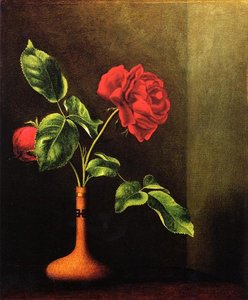
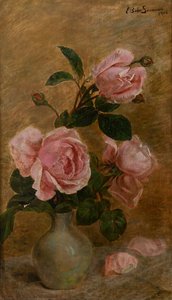
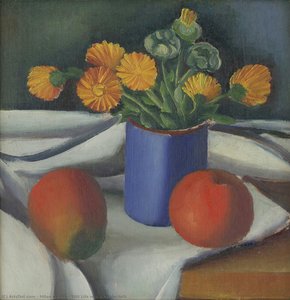
Artist Biography
A Life Immersed in Artistic Harmony
Ignace Henri Jean Théodore Fantin-Latour, born in Grenoble, France, in 1836, was a painter whose life unfolded as a delicate interplay between realism and the burgeoning symbolism of his era. His early artistic inclinations were nurtured by his father, Théodore Fantin-Latour, himself a portrait artist, who provided young Henri with foundational drawing lessons. This familial encouragement propelled him towards Paris in 1850, where he enrolled at the École de Dessin and studied under the innovative Horace Lecoq de Boisbaudran. Lecoq’s unconventional methods—emphasizing drawing from memory rather than strict imitation—instilled in Fantin-Latour a unique approach to observation and representation that would characterize his mature work. He continued his formal training at the École des Beaux-Arts, immersing himself in the study of Old Masters within the hallowed halls of the Louvre, meticulously copying their techniques and compositions. Though he moved among the avant-garde circles that would soon ignite Impressionism—befriending artists like Whistler and Manet—Fantin-Latour charted his own course, remaining steadfastly committed to a more conservative style while subtly absorbing the changing artistic currents around him.The Poetic Still Life and Literary Portraits
Fantin-Latour’s name is most readily associated with his exquisite still lifes, particularly those featuring flowers. These were not merely botanical studies; they were carefully orchestrated arrangements imbued with a quiet emotional resonance. He elevated the genre beyond simple representation, imbuing each bloom with symbolic weight and exploring nuanced harmonies of color and form. His *Still Life with Flowers and Fruit*, for example, is a testament to his mastery of light and texture, transforming everyday objects into subjects of profound beauty. But Fantin-Latour’s artistic vision extended beyond the floral realm. He became renowned for his evocative portraits, most notably those depicting gatherings of prominent literary and artistic figures. These group compositions—often arranged in the manner of 17th-century Dutch guild portraits—offer a fascinating glimpse into the intellectual life of 19th-century Paris. *By the Table* (1872), capturing a gathering of the Parnassian poets, is perhaps his most celebrated work in this vein, immortalizing figures like Théophile Gautier and Charles Baudelaire with remarkable sensitivity and psychological insight. These portraits weren’t simply likenesses; they were celebrations of creativity and intellectual camaraderie.Bridging Realism and Symbolism
Fantin-Latour occupied a fascinating position in the art world, straddling the boundaries between realism and symbolism. While his meticulous attention to detail and faithful rendering of form align him with realist traditions, his use of color, composition, and subject matter hints at deeper symbolic meanings. The flowers in his still lifes, for instance, were often chosen for their allegorical associations—violets representing humility, lilies symbolizing purity. His portraits, too, weren’t merely representations of individuals but explorations of the creative spirit and the complexities of human relationships. He wasn't driven by a desire to shock or revolutionize like some of his contemporaries; instead, he sought to create works that were both beautiful and intellectually stimulating. This delicate balance—between observation and interpretation, realism and symbolism—is what sets Fantin-Latour apart and contributes to the enduring appeal of his art. He was a master of nuance, subtly infusing his paintings with layers of meaning that reward careful contemplation.Later Years and Enduring Legacy
In 1875, Henri Fantin-Latour married Victoria Dubourg, a fellow painter who would become both his life partner and artistic collaborator. They spent their summers at her family’s estate in Normandy, finding inspiration in the tranquil countryside. During this period, Fantin-Latour increasingly turned to lithography, a medium that allowed him to explore new expressive possibilities. He created striking portraits of composers like Richard Wagner and Hector Berlioz, capturing their personalities with remarkable sensitivity. His lithographs often served as illustrations for biographical works, further cementing his reputation as an artist deeply engaged with the intellectual currents of his time. Fantin-Latour passed away in 1904 at Buré, Orne, leaving behind a body of work that continues to captivate and inspire. His influence can be seen in the works of later artists who sought to combine realism with symbolic meaning, and his paintings remain highly prized by collectors and museums around the world. He stands as a testament to the power of quiet observation, subtle symbolism, and enduring artistic harmony.Key Works & Artistic Connections
- The Palace of Aurora (1873): A captivating Symbolist painting depicting the goddess of dawn, showcasing Fantin-Latour’s dreamlike aesthetic and rich symbolism.
- By the Table (1872): A masterpiece of Realism capturing a gathering of literary figures from the Parnassus poetry group, offering insight into 19th-century Parisian intellectual life.
- Still Life with Flowers and Fruit (various dates): Exemplifies his mastery of color, composition, and symbolic representation within the still life genre.
- Portrait of Charlotte Dubourg (1882): Demonstrates his skill in portraiture, capturing both physical likeness and psychological depth.
- Influences: Thomas Couture, whose emphasis on historical scenes and dramatic composition influenced Fantin-Latour’s early work. The Old Masters he studied at the Louvre provided a foundation in technique and classical principles.
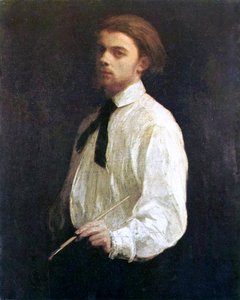
Henri Fantin-Latour
1836 - 1904 , France
Quick Facts
- Artistic Movement Or Style: Realism, Symbolism
- Artists Or Movements Influenced By This Artist: ['Impressionism']
- Artists Who Influenced This Artist:
- Old Masters
- Courbet
- Date Of Birth: January 14, 1836
- Date Of Death: August 25, 1904
- Full Name: Henri Fantin-Latour
- Nationality: French
- Notable Artworks:
- Still life with flowers
- By the Table
- The Palace of Aurora
- Place Of Birth: Grenoble, France

