 Preview
 Send
Send Share
Share
 Details

 Download
 Similars
 X-Ray
X-Ray Diaporama
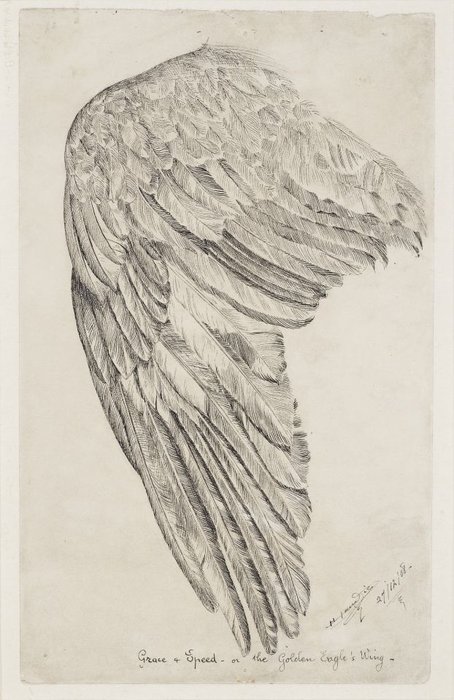
Grace And Speed, Or The Golden Eagle's Wing
 Read More
Giclée / Art Print
Museum-quality giclée or canvas print with fast production and flexible finish options. ( Buy Hand Made Painting Buy Image)




P118B $10

P118H $10

P118W $10

P438Z $10

P508JH $12

P508YH $12

P805H $10

P805Z $10

P919BZ $10

P919G $10

P919XJ $10

P959ZH $10

P968JZ $12

W106C $8

W218G $10

W218JH $8

W218Y $10

W307PJ $10

W316G $10

W316PJ $8

W316Y $10

W398PJ $8

W4111J $10

W500HY $15

W500JH $15

W692G $12

W849H $8

W940BG $15

W953PJ $8




Pick from our preset sizes that match the artwork's original proportions.

You may enter your own dimensions to fit a specific frame or space. If your selected size does not match the original image's proportions, we will either crop the artwork or extend the image with a mirrored or solid-fill edge. A digital mockup will be sent for your approval before production begins.
Please note that the on-screen preview does not reflect the actual cropping or extension. Only the mockup will accurately show the final composition.
While custom sizes are available, we recommend selecting a dimension from the predefined list to preserve the original proportions.
Worldwide Delivery () in 2 weeks instead of standard 4/5 weeks. (23 August)

Free Worldwide Express Shipping

High-Quality Linen Canvas

Full Shipping Insurance

Customs Tax Refund Guarantee

True Color Matching Guarantee

60-Day Return Policy (Defects Only)

100% Money-Back Guarantee

Bulk Discount Offer
 Glass option is only available in size under 110 CM

Grace And Speed, Or The Golden Eagle's Wing
Giclée / Art Print
Reproduction Size
-


Total Price
$ 63
Collectible Description
Exquisite Depiction of Angelic Grace and Speed
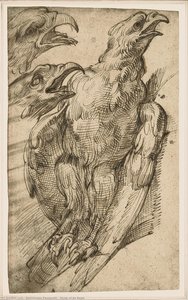
This captivating artwork presents a highly detailed and delicate rendering of an angel's wing, capturing the ethereal beauty and spiritual symbolism associated with celestial beings. The focus on a single, expansive wing invites viewers to explore its intricate textures, subtle shading, and graceful form, evoking a sense of serenity and reverence. The artist masterfully emphasizes both the fragility and strength inherent in feathers, symbolizing divine purity, protection, and spiritual ascent.Masterful Technique and Artistic Style
Created using fine pencil or charcoal, the piece showcases exceptional technical skill through meticulous layering and precise line work. The monochromatic palette enhances the softness and subtlety of the feathers, emphasizing the delicate interplay of light and shadow. The artist’s attention to detail in the individual feathers creates a dynamic sense of movement, suggesting speed and agility, while maintaining an overall contemplative tone. This approach highlights the artist’s mastery of drawing techniques and their ability to evoke emotion through subtle tonal variations.Historical and Symbolic Significance
Although the exact date of creation remains unknown, the artwork resonates with themes prevalent in spiritual and religious art, where angels symbolize divine messengers, protection, and transcendence. The wing’s depiction invites viewers to reflect on notions of grace, speed, and spiritual elevation. Its detailed realism and reverent tone connect to a broader tradition of religious iconography, yet its contemporary execution also appeals to modern sensibilities, making it a versatile piece for both historical appreciation and contemporary interior design.Emotional Impact and Interior Inspiration
This artwork’s contemplative and reverent mood makes it an ideal centerpiece for spaces dedicated to reflection, inspiration, or serenity. Its intricate details and subtle tonal variations can evoke feelings of hope, protection, and spiritual upliftment. Whether displayed in a private collection, a sacred space, or an elegant interior, this piece offers a timeless reminder of the divine beauty and strength found within nature and spirituality. It is a perfect choice for art lovers, collectors, and interior designers seeking a high-quality reproduction that combines technical mastery with profound symbolism.Related Artworks

Artist Biography
Henri Gaudier-Brzeska: Life and Legacy
Early Life and Artistic Beginnings
Henri Gaudier-Brzeska was born as Henri Gaudier in Saint-Jean-de-Braye, France, on October 4, 1891. He later adopted the surname of his lifelong companion, Sophie Brzeska. His father was a carpenter, an influence that would profoundly shape his approach to sculpture. Initially self-taught, Gaudier moved to London in 1910 with Sophie, seeking artistic opportunities and immersing himself in the vibrant art scene. He lacked formal training but possessed an innate talent and relentless drive.Influences and Artistic Development
Gaudier’s early work showed a fascination with Auguste Rodin, but he soon moved away from Rodin's polished style, seeking a more primal and direct form of expression. A pivotal moment came with his encounter with sculptor Jacob Epstein in 1912. Epstein encouraged Gaudier to embrace “direct carving,” a technique where the artist directly shapes the material (stone or wood) without preliminary modeling. This approach became central to Gaudier’s artistic identity, emphasizing the raw physicality of the process and leaving visible tool marks as an integral part of the artwork. He also drew inspiration from non-Western art forms encountered at the British Museum and Victoria & Albert Museum – particularly African and Pacific Island sculptures – appreciating their simplicity and power.Vorticism and Artistic Circle
In London, Gaudier became a key member of the Vorticist movement, founded by Wyndham Lewis and Ezra Pound. Vorticism was a short-lived but influential British avant-garde movement characterized by abstract, geometric forms and an emphasis on energy and dynamism. While his work wasn’t strictly Vorticist in style, Gaudier shared the movement's rejection of traditional artistic conventions and its embrace of modernity. He collaborated with other artists within this circle, contributing illustrations to Haldane MacFall’s book The Splendid Wayfaring in 1913.Major Works and Artistic Style
Gaudier-Brzeska's oeuvre, though tragically short due to his early death, is remarkably diverse. His sculptures range from small, intimate pieces like Seated Nude From Behind to more ambitious works such as Sculptural Head of Brodzky. He also created numerous drawings and sketches, often exploring themes of the human figure, landscapes (like those in St. Tropez), and domestic scenes (Odette Sur Le Transat, L'oustalet, Jeanne With Umbrella Seated In The Garden Of Coulombs). His style is characterized by:- Rough-hewn surfaces reflecting the direct carving technique
- Simplified forms and a focus on essential structures
- A sense of raw energy and emotional intensity
- An exploration of primitive and archetypal themes
Tragic Death and Historical Significance
With the outbreak of World War I, Gaudier-Brzeska enlisted in the French army. He demonstrated bravery in combat but was tragically killed in action at Neuville-Saint-Vaast on June 5, 1915, at just 23 years old. His untimely death cut short a promising career, leaving behind a relatively small but powerfully impactful body of work. Despite his brief life, Henri Gaudier-Brzeska is recognized as an important figure in the development of modern sculpture. He bridged the gap between traditional and avant-garde approaches, influencing subsequent generations of artists with his commitment to direct carving and his exploration of primal forms. His work continues to be celebrated for its originality, emotional depth, and enduring artistic vision.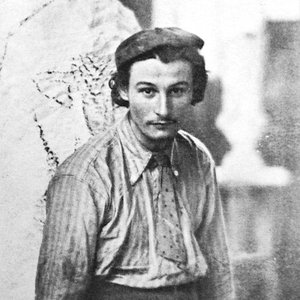
Henri Gaudier-Brzeska
1891 - 1915 , France
Quick Facts
- L'Oustalet: Jeanne With Umbrella Seated In The Garden Of Coulombs
- Birth Date: 1891-10-04
- Birth Place: Saint-Jean-de-Braye, France
- Death Date: 1915-06-05
- Influenced: None, 'influenced by': 'Jacob Epstein', 'movement': 'Vorticism, Direct Carving', 'name': 'Henri Gaudier-Brzeska', 'nationality': 'French', 'notable works': ['Sculptural Head of Brodzky',
Related Articles

Henri Matisse's Masterpieces: Explore 25 Iconic Paintings & Art Decor Ideas
Journey through Henri Matisse's 25 most iconic paintings! Explore Fauvism, vibrant colors & the stories behind masterpieces like 'The Dance'. Find museum-quality art reproductions and curated decor ideas to elevate your space. Discover all masterpieces on ArtsDot.com.
Celestial Messengers: Angels in Painting – A Historical & Artistic Exploration
Explore the captivating history of angels in painting! Discover symbolism, iconic Renaissance & Byzantine masterpieces, and renowned artists. Expert insights for art lovers & collectors at ArtsDot.

Henri Gaudier-Brzeska: A Brief Life, Explosive Forms – Exploring the Radical Modernism of a British Sculptor
Discover the explosive artistry of Henri Gaudier-Brzeska (1891-1915), a key figure in British Modern sculpture and Vorticism. Explore his powerful direct carvings, tragic life & lasting impact. Handmade reproductions available at ArtsDot.
Celestial Messengers: A Comprehensive Exploration of Angelic Representation in Art History
Explore the captivating history of angels in art! Discover symbolism, iconic Renaissance masterpieces & renowned artists. Expert insights for art lovers & collectors at ArtsDot.

The Nuances of Graphite: Exploring Emotional Depth & Technical Mastery in Pencil Drawing
Explore the captivating world of graphite drawing! Discover its rich history, master essential techniques like chiaroscuro, and learn how artists evoke emotion through this timeless medium. Expert insights for art enthusiasts.