 Preview
 Send
Send Share
Share
 Details

 Download
 Similars
 X-Ray
X-Ray Diaporama
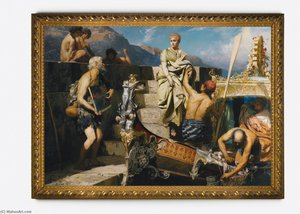
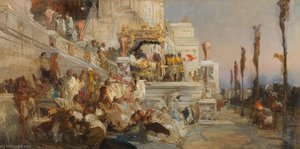
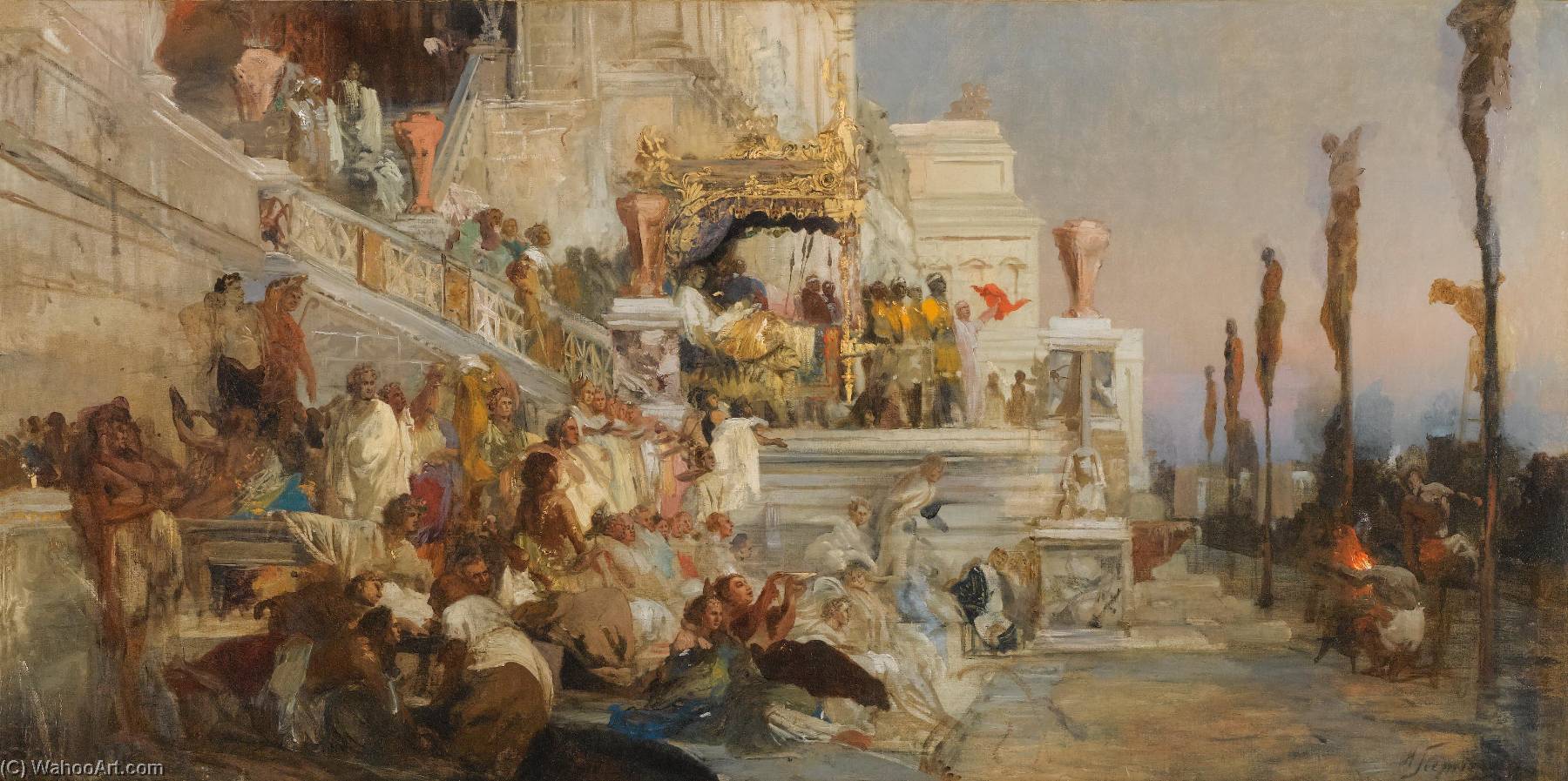
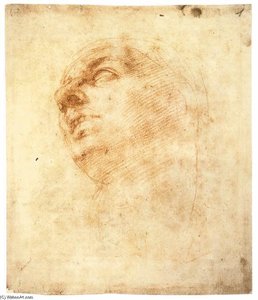
Study for The Torches of Nero

 Read More
Giclée / Art Print
Museum-quality giclée or canvas print with fast production and flexible finish options. ( Buy Hand Made Painting Buy Image)




P118B $10

P118H $10

P118W $10

P438Z $10

P508JH $12

P508YH $12

P805H $10

P805Z $10

P919BZ $10

P919G $10

P919XJ $10

P959ZH $10

P968JZ $12

W106C $8

W218G $10

W218JH $8

W218Y $10

W307PJ $10

W316G $10

W316PJ $8

W316Y $10

W398PJ $8

W4111J $10

W500HY $15

W500JH $15

W692G $12

W849H $8

W940BG $15

W953PJ $8




Pick from our preset sizes that match the artwork's original proportions.

You may enter your own dimensions to fit a specific frame or space. If your selected size does not match the original image's proportions, we will either crop the artwork or extend the image with a mirrored or solid-fill edge. A digital mockup will be sent for your approval before production begins.
Please note that the on-screen preview does not reflect the actual cropping or extension. Only the mockup will accurately show the final composition.
While custom sizes are available, we recommend selecting a dimension from the predefined list to preserve the original proportions.
Worldwide Delivery () in 2 weeks instead of standard 4/5 weeks. (31 August)

Free Worldwide Express Shipping

High-Quality Linen Canvas

Full Shipping Insurance

Customs Tax Refund Guarantee

True Color Matching Guarantee

60-Day Return Policy (Defects Only)

100% Money-Back Guarantee

Bulk Discount Offer
 Glass option is only available in size under 110 CM

Study for The Torches of Nero
Giclée / Art Print
Reproduction Size
-


Total Price
$ 63
Related Artworks
Artist Biography
Henryk Siemiradzki (1843 – 1902): A Titan of Academic Art
Henryk Siemiradzki, born October 24th, 1843, in Pieczeniegi near Kharkiv, Ukraine—a village now part of Chuhuiv Raion—was a Polish and Russian painter who achieved international renown during his lifetime. His artistic journey began amidst the intellectual fervor of Poland under Russian rule, shaping his worldview and fueling his lifelong dedication to capturing the grandeur of antiquity and the drama of biblical narratives. Siemiradzki’s formative years were marked by exposure to classical music and literature—influences that would permeate his oeuvre and underscore his commitment to humanist ideals. He honed his skills at Kharkiv Gymnasium under D.I. Besperchy, a prominent sculptor who instilled in him a profound appreciation for artistic craftsmanship. Siemiradzki's formal education culminated in a doctorate from Saint Petersburg University’s Physics-Mathematics Faculty—a testament to his intellectual curiosity and ambition. Recognizing the transformative potential of Parisian art academies, he embarked on a pivotal chapter of his life in 1864, enrolling at the Imperial Academy of Arts where he studied under Karl von Piloty and Bogdan Willewalde. This immersive experience solidified his artistic vision and cemented his allegiance to Academic Art—a movement characterized by meticulous realism, idealized beauty, and adherence to classical conventions. Siemiradzki’s professors championed the pursuit of truth through observation and disciplined technique—principles that would guide his creative endeavors for decades to come. His breakthrough came in 1870-71 when he traveled to Munich on a scholarship from the Academy, fostering connections with fellow artists like Stanisław Witkiewicz—a kindred spirit who shared Siemiradzki’s passion for artistic innovation and humanist values. This period witnessed Siemiradzki's exploration of diverse artistic styles—from Impressionism to Oriental Art—reflecting his cosmopolitan outlook and intellectual dynamism. Notably, he established a workshop in Munich alongside Witkiewicz, attracting students from across Europe and fostering an environment conducive to artistic experimentation. Siemiradzki’s unwavering belief in the power of art to illuminate human experience remained steadfast throughout his life. Siemiradzki's magnum opus—the monumental curtain for the Juliusz Słowacki Theatre in Kraków—stands as a symbol of Polish cultural heritage and artistic ambition. Executed with breathtaking precision and imbued with symbolic resonance, it depicts a scene from Greco-Roman mythology—a deliberate homage to classical tradition and an embodiment of Siemiradzki’s artistic principles. Similarly, his painting “Nero's Torches”—commissioned for the Russian State Museum in St. Petersburg—captures the tumultuous atmosphere of Nero’s reign with dramatic flair and masterful composition. These monumental canvases exemplify Siemiradzki’s ability to synthesize observation, technique, and emotional expression—resulting in artworks that transcend mere visual representation and convey profound philosophical ideas. Siemiradzki's legacy extends far beyond his artistic achievements. He founded the National Museum in Kraków—a cornerstone of Polish cultural identity—and championed the preservation of artistic treasures for future generations. His unwavering commitment to humanist values—expressed through his art and scholarship—served as an inspiration to countless artists and intellectuals throughout Europe. Siemiradzki’s influence can be discerned in the works of subsequent painters—particularly those who embraced Academic Art—solidifying his position as one of the most significant figures in 19th-century European painting. He died August 23rd, 1902, in Strzałków near Częstochowa—leaving behind a rich artistic heritage that continues to captivate audiences worldwide.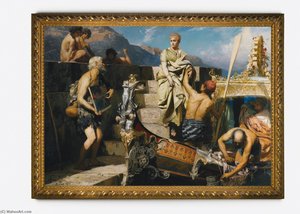
Quick Facts
- Artistic Movement Or Style: Academic Art
- Artists Or Movements Influenced By This Artist: ['Frederic Leighton']
- Artists Who Influenced This Artist: ['Karl von Piloty']
- Date Of Birth: October 24, 1843
- Date Of Death: August 23, 1902
- Full Name: Henryk Siemiradzki
- Nationality: Polish
- Notable Artworks:
- Nero's Torches
- Orgy on Capri
- Place Of Birth: Novo-Belgorod, Ukraine
Related Articles
Henri Matisse's Masterpieces: Explore 25 Iconic Paintings & Art Decor Ideas
Journey through Henri Matisse's 25 most iconic paintings! Explore Fauvism, vibrant colors & the stories behind masterpieces like 'The Dance'. Find museum-quality art reproductions and curated decor ideas to elevate your space. Discover all masterpieces on ArtsDot.com.

The Enduring Legacy of Oil on Canvas: Technique, History & Aesthetic Impact
Explore the rich history & techniques of oil painting – from Renaissance masters to Impressionism. Discover pigments, layering methods, and why this timeless medium endures. Expert insights for artists & art enthusiasts.

Oil on Canvas: A Historical & Technical Exploration of a Timeless Artistic Medium
Explore the rich history & enduring techniques of oil painting on canvas. Discover the science behind its longevity, conservation practices, and contemporary relevance. Expert insights for art enthusiasts.

The Enduring Power of Painting: A Historical & Contemporary Exploration of Form and Emotion
Explore the rich history & enduring techniques of oil painting with ArtsDot. Discover masterpieces, learn about art collecting, and find authentic handmade reproductions crafted by skilled artists.
Oil on Board Masters: 10 Paintings That Redefined Art | ArtsDot
Explore 10 legendary 'Oil on Board' masterpieces by Van Gogh, Monet & more! Discover art history, iconic styles like Impressionism, and find museum-quality reproductions to elevate your home decor. Explore the full collection online at ArtsDot.com.