 Preview
 Send
Send Share
Share
 Details

 Download
 Similars
 X-Ray
X-Ray Diaporama
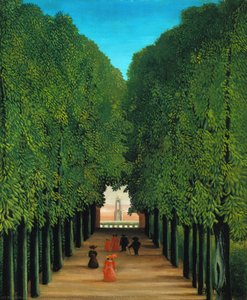
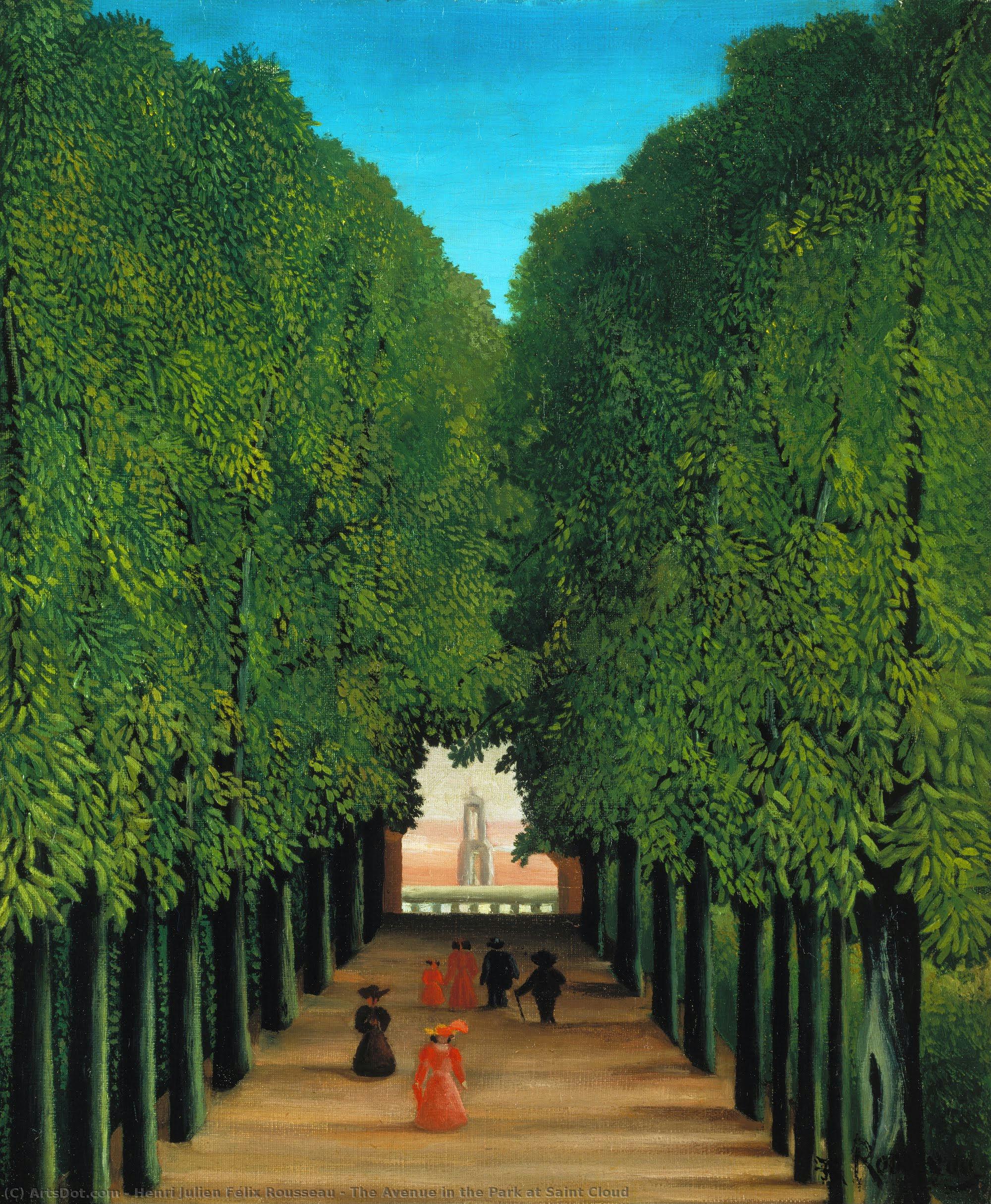
The Avenue in the Park at Saint Cloud
 Acrylic On Canvas
- WallArt
- Naive Art
 1908
1908 38.0 x 46.0 cm
 Städel Museum
 Read More
Hand Made Oil Reproduction
Hand-painted oil on canvas in your size and frame, made to order by our artists. ( Buy Print Buy Image)




P118B $10

P118H $10

P118W $10

P438Z $10

P508JH $12

P508YH $12

P805H $10

P805Z $10

P919BZ $10

P919G $10

P919XJ $10

P959ZH $10

P968JZ $12

W106C $8

W218G $10

W218JH $8

W218Y $10

W307PJ $10

W316G $10

W316PJ $8

W316Y $10

W398PJ $8

W4111J $10

W500HY $15

W500JH $15

W692G $12

W849H $8

W940BG $15

W953PJ $8




Pick from our preset sizes that match the artwork's original proportions.

You may enter your own dimensions to fit a specific frame or space. If your selected size does not match the original image's proportions, we will either crop the artwork or extend the painting with additional hand-painted elements. A digital mockup will be sent for your approval before production begins.
Please note that the on-screen preview does not reflect the actual cropping or extension. Only the mockup will accurately show the final composition.
While custom sizes are available, we recommend selecting a dimension from the predefined list to preserve the original proportions.
After order, ArtsDot.com team will email client for instructions and provide a mockup preview
Worldwide Delivery () in 3/4 weeks instead of standard 5 weeks. (16 August). No compromise on quality.

Free Worldwide Express Shipping

High-Quality Linen Canvas

Full Shipping Insurance

Customs Tax Refund Guarantee

True Color Matching Guarantee

60-Day Return Policy (Defects Only)

100% Money-Back Guarantee

Bulk Discount Offer
 Glass option is only available in size under 110 CM

The Avenue in the Park at Saint Cloud
Reproduction Medium
Reproduction Size
-


Total Price
$ 263
Artwork Description
A Visionary's Reverie: Henri Rousseau’s “The Avenue in the Park at Saint Cloud”
Henri Rousseau’s “The Avenue in the Park at Saint Cloud,” painted in 1908, stands as a singular achievement within the realm of naïve art—a testament to artistic vision unbound by academic conventions and fueled by an intensely personal observation of the natural world. More than just a depiction of a Parisian park scene, it’s a portal into Rousseau's subconscious, brimming with symbolic resonance and executed with a deceptively simple technique that belies its profound emotional impact.The Subject Matter: Tranquility Amidst Foliage
At first glance, the painting presents a serene tableau: a leafy avenue bordered by towering trees in full bloom. Figures stroll along the path, their umbrellas providing splashes of color against the verdant backdrop. Two dogs accompany them, adding to the idyllic atmosphere—a scene meticulously rendered with painstaking detail despite Rousseau’s self-proclaimed “childish” style. The artist eschewed grand landscapes or dramatic narratives, opting instead for a quiet contemplation of everyday life infused with an element of dreamlike fantasy. This deliberate choice reflects Rousseau's fascination with botanical gardens and his desire to capture the essence of natural beauty as perceived by someone untainted by intellectual preconceptions.A Technique Rooted in Observation
Rousseau’s method was remarkably unconventional for his time. He eschewed preparatory sketches, preferring to paint directly onto canvas from observation—a practice considered scandalous by many of his peers who adhered to the rigorous standards of Impressionism and Academic painting. His brushstrokes are loose and expressive, blending pigments with a deliberate lack of blending technique – a characteristic that lends the artwork its distinctive textural quality. This seemingly naive approach is underpinned by meticulous attention to detail; Rousseau painstakingly recreated textures—the bark of trees, the folds of umbrellas, even the fur of the dogs—creating an illusion of depth and realism achieved through sheer artistic conviction rather than scientific accuracy.Symbolism Whispered Through Color and Form
Beyond its visual beauty lies a rich tapestry of symbolism. The towering trees represent strength and resilience, mirroring Rousseau’s own unwavering belief in the transformative power of nature. The dappled sunlight filtering through the branches evokes feelings of peace and renewal—a motif prevalent throughout Rousseau's oeuvre. Furthermore, the figures strolling along the avenue can be interpreted as embodiments of human aspiration and connection to the natural world. The inclusion of dogs symbolizes loyalty and companionship, reinforcing the painting’s overarching theme of harmony between humanity and its environment.Emotional Resonance: A Journey Into Inner Landscape
“The Avenue in the Park at Saint Cloud” transcends mere representation; it invites viewers into Rousseau's inner landscape—a realm populated by fantastical creatures and imbued with a palpable sense of wonder. The painting’s muted palette contributes to its melancholic beauty, conveying a feeling of solitude yet simultaneously celebrating the splendor of the natural world. It speaks to a primal yearning for simplicity and authenticity, resonating deeply with audiences who appreciate art that captures not just what is seen but what is felt. Rousseau's work continues to inspire artists and collectors alike, cementing his place as one of the most influential figures in the history of naïve art—a visionary whose childlike technique yielded masterpieces of emotional depth and symbolic significance.Related Artworks
Artist Biography
early life and the unconventional path to art
henri julien félix rousseau, a french post-impressionist painter, was born on may 21, 1844, in laval, france. his life's trajectory was far from the conventional path of an artist. initially, he worked as a customs officer, earning him the nickname le douanier. it wasn't until his early forties that rousseau began to paint seriously, eventually retiring from his job to dedicate himself fully to art.the naïve yet profound artistry of rousseau
rousseau's artistic journey was marked by a self-taught approach, with influences from the world around him, including books, botanical gardens, and encounters with soldiers who had served in mexico. his technique, though elaborate, was often described as childish, leading to ridicule during his lifetime. however, this very uniqueness has made his work a cornerstone of naïve art.- key works: landscape on the banks of the bievre at bicetre, spring (metropolitan museum of art, new york) - a testament to his evolving style. the sleeping gypsy, tiger in a tropical storm, and the hungry lion throws itself on the antelope - examples of his profound yet simple compositions.
- influences: musée maurice denis (france) - though not directly influenced by rousseau, this museum showcases french post-impressionism, reflecting the broader art movement of the time. tubism art movement - an example of how avant-garde movements influenced by rousseau's work.
- legacy: recognized as a self-taught genius, his influence on subsequent generations of artists is profound. notably, pablo picasso admired his work and helped promote it.
conclusion: the enduring legacy of henri julien félix rousseau
today, rousseau's paintings are held in museum collections worldwide, a testament to the enduring power of his art. his story serves as inspiration for those who dare to challenge conventional norms and find success through unorthodox means. explore more of henri julien félix rousseau's works on ArtsDot. learn more about his life and influence on wikipedia.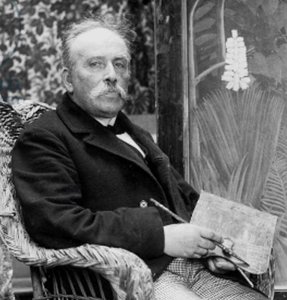
henri julien félix rousseau
1844 - 1910 , France
Quick Facts
- Artistic Movement Or Style: Post-Impressionism; Naïve art
- Artists Or Movements Influenced By This Artist: ['Tubism']
- Artists Who Influenced This Artist: ['Georges Seurat']
- Date Of Birth: May 21, 1844
- Date Of Death: September 2, 1910
- Full Name: Henri Julien Félix Rousseau
- Nationality: French
- Notable Artworks:
- The Sleeping Gypsy
- Tiger in a Tropical Storm
- The Hungry Lion Throws Itself on the Antelope
- Place Of Birth: Laval, France
Related Articles

Henri Matisse's Masterpieces: Explore 25 Iconic Paintings & Art Decor Ideas
Journey through Henri Matisse's 25 most iconic paintings! Explore Fauvism, vibrant colors & the stories behind masterpieces like 'The Dance'. Find museum-quality art reproductions and curated decor ideas to elevate your space. Discover all masterpieces on ArtsDot.com.
Post-Impressionism's 10 Defining Masterpieces: Art for Your Home |
Journey through Post-Impressionism's 10 defining masterpieces – Van Gogh, Monet & more. Explore iconic paintings, art history & find museum-quality reproductions for your home at . Discover all masterpieces online!
Henri Rousseau: Primitivism, Paradox & Subversion of Academic Tradition
Explore the captivating world of Henri Rousseau, the celebrated Naïve artist who challenged academic traditions with his unique jungle scenes & dreamlike symbolism. Discover his lasting influence on modern art and collecting today.
Henri Martin: A Synthesis of Impressionism & Symbolism in the French Landscape Tradition
Explore the captivating world of Henri Martin, a French Post-Impressionist bridging Impressionism & Symbolism. Discover his unique style, influential landscapes, and lasting legacy with ArtsDot.
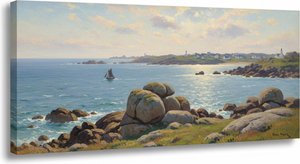
Henri Moret: Capturing the Essence of Brittany's Light – A Study in Post-Impressionist Landscape Painting
Explore the captivating landscapes of Henri Moret, a master of Post-Impressionism. Discover his unique style, key works, and legacy in our expert guide. Learn about collecting Moret's art & its investment potential.