 Preview
 Send
Send Share
Share
 Details

 Download
 Similars
 X-Ray
X-Ray Diaporama
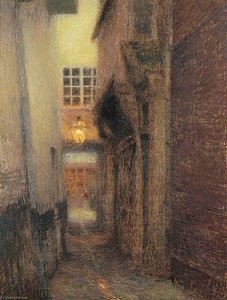
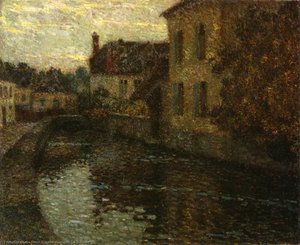
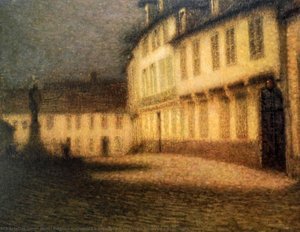
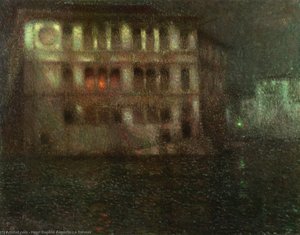
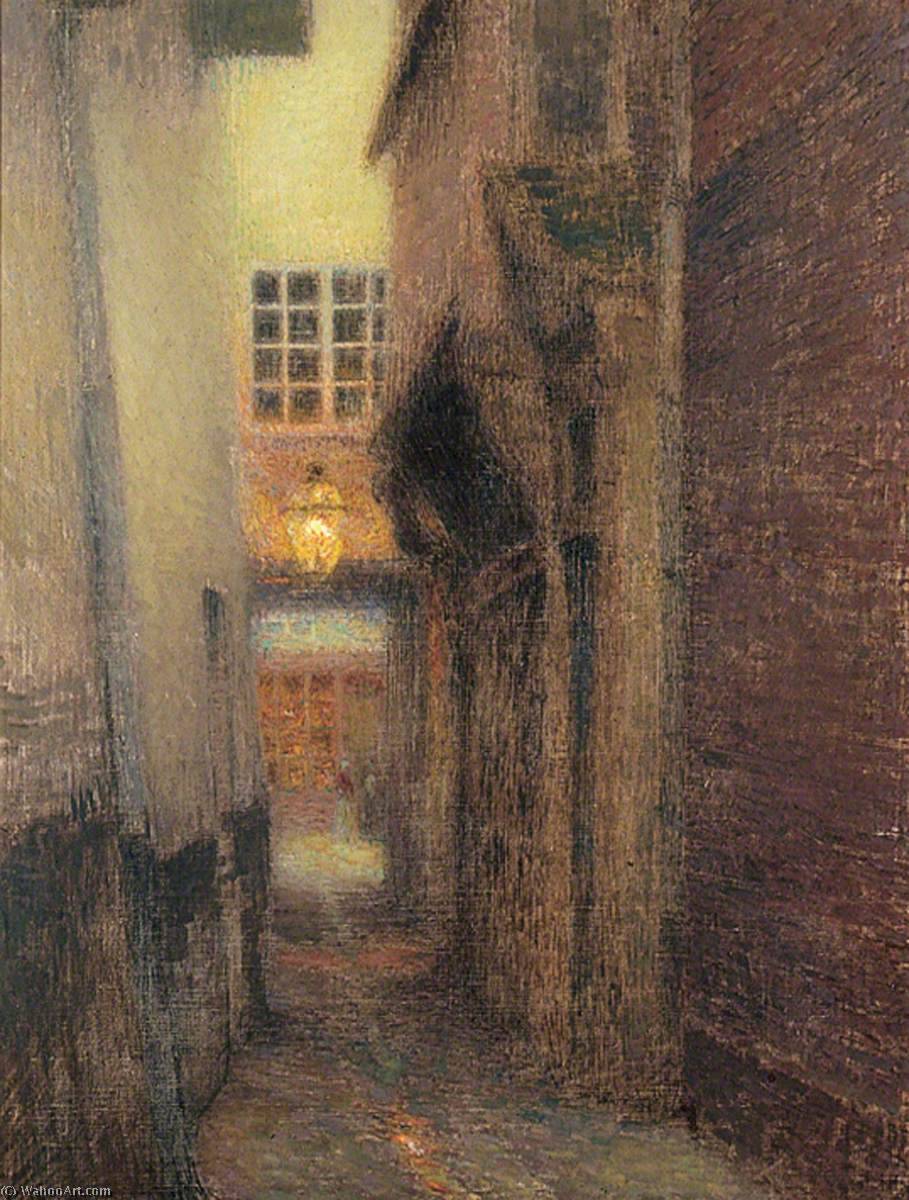
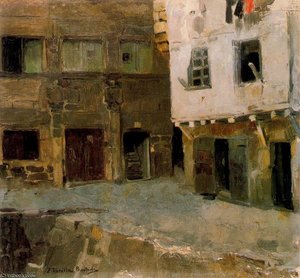
Une ruelle, la nuit
 Acrylic On Canvas
- WallArt
- Post-Impressionism
 58.0 x 51.0 cm
 Leeds Art Gallery
 Read More
Hand Made Oil Reproduction
Hand-painted oil on canvas in your size and frame, made to order by our artists. ( Buy Print Buy Image)




P118B $10

P118H $10

P118W $10

P438Z $10

P508JH $12

P508YH $12

P805H $10

P805Z $10

P919BZ $10

P919G $10

P919XJ $10

P959ZH $10

P968JZ $12

W106C $8

W218G $10

W218JH $8

W218Y $10

W307PJ $10

W316G $10

W316PJ $8

W316Y $10

W398PJ $8

W4111J $10

W500HY $15

W500JH $15

W692G $12

W849H $8

W940BG $15

W953PJ $8




Pick from our preset sizes that match the artwork's original proportions.

You may enter your own dimensions to fit a specific frame or space. If your selected size does not match the original image's proportions, we will either crop the artwork or extend the painting with additional hand-painted elements. A digital mockup will be sent for your approval before production begins.
Please note that the on-screen preview does not reflect the actual cropping or extension. Only the mockup will accurately show the final composition.
While custom sizes are available, we recommend selecting a dimension from the predefined list to preserve the original proportions.
After order, ArtsDot.com team will email client for instructions and provide a mockup preview
Worldwide Delivery () in 3/4 weeks instead of standard 5 weeks. (16 August). No compromise on quality.

Free Worldwide Express Shipping

High-Quality Linen Canvas

Full Shipping Insurance

Customs Tax Refund Guarantee

True Color Matching Guarantee

60-Day Return Policy (Defects Only)

100% Money-Back Guarantee

Bulk Discount Offer
 Glass option is only available in size under 110 CM

Une ruelle, la nuit
Reproduction Medium
Reproduction Size
-


Total Price
$ 263
Artwork Description
A Moment Frozen in Twilight: Une Ruelle, La Nuit by Henri Eugène Augustin Le Sidaner
Henri Eugène Augustin Le Sidaner's “Une ruelle, la nuit” – translating to "A Street at Night" – is more than just a depiction of an urban scene; it’s a masterful distillation of Impressionist principles infused with the quiet mysticism championed by Symbolism. Painted sometime between 1890 and 1939, this artwork captures the ethereal beauty of twilight, transporting viewers into a realm where light and shadow intertwine to create an atmosphere of profound contemplation.
- Subject Matter: The painting focuses on a narrow Parisian alleyway bathed in the soft glow of lamplight. Le Sidaner eschews grand vistas or dramatic narratives, opting instead for the intimacy of everyday life—a deliberate choice that aligns perfectly with the Impressionist movement’s fascination with capturing fleeting moments and sensory impressions.
- Style & Technique: Le Sidaner's approach is distinctly Impressionistic, yet subtly informed by Pointillism. He employs visible brushstrokes – a hallmark of Impressionism – to build up texture and depth, conveying the palpable warmth emanating from the street lamps. However, unlike Monet’s blending technique, Le Sidaner utilizes small dots of color—a technique borrowed from Georges Seurat—to achieve luminous effects and heighten the sense of atmospheric perspective.
- Color Palette: The dominant hues are muted browns and grays, reflecting the subdued tones characteristic of nocturnal landscapes. Yet, Le Sidaner skillfully introduces splashes of opal – iridescent pigments that shimmer with subtle color variations – to illuminate sections of the buildings and create a captivating interplay of light and shadow. This restrained palette contributes significantly to the painting’s melancholic mood.
- Historical Context: Created during the Belle Époque, “Une ruelle, la nuit” embodies the spirit of artistic experimentation prevalent at the time. Artists were actively rejecting academic conventions in favor of subjective experience and capturing the nuances of modern life. Le Sidaner’s work stands alongside masterpieces by Monet, Renoir, Sisley, and Degas—artists who revolutionized painting with their groundbreaking explorations of light and color.
Symbolism Beneath Surface Beauty
Beyond its aesthetic appeal, “Une ruelle, la nuit” resonates with symbolic undertones. The alleyway itself represents a journey into the subconscious, mirroring the exploration of inner emotions that was central to Symbolist art. Le Sidaner’s use of opal—often associated with spirituality and enlightenment—further enhances this sense of mystery. The lamplight symbolizes hope amidst darkness, illuminating the path forward while acknowledging the inherent uncertainties of life.
The Artist's Vision: Henri Le Sidaner
Henri Eugène Augustin Le Sidaner (1862-1939) was born in Mauritius to Jean Marie Le Sidaner and Amélie Henrietta Robberechts. His upbringing instilled in him a deep appreciation for observation and artistic expression. Trained at the École nationale supérieure des beaux-arts, he initially pursued Impressionistic ideals but later gravitated towards Symbolist influences—a testament to his intellectual curiosity and willingness to embrace diverse artistic traditions.
His dedication to capturing the essence of domestic interiors and tranquil landscapes cemented his legacy as one of France’s most distinctive artists. “Une ruelle, la nuit” exemplifies Le Sidaner's signature style: a luminous portrayal of urban solitude imbued with an evocative sense of atmosphere—a timeless masterpiece that continues to inspire viewers today.
Related Artworks
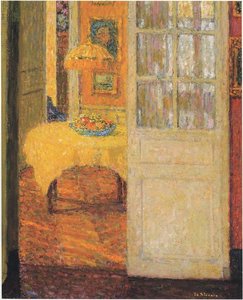
Artist Biography
Early Life and Background
- Name: Henri Eugène Augustin Le Sidaner
- Other Names: Henri Eugene Augustin le Sidaner
- Born: August 7, 1862, Port Louis, Mauritius
- Died: July 14, 1939
- Le Sidaner was born in Port Louis, Mauritius, to Jean Marie Le Sidaner and Amélie Henrietta Robberechts. His father worked as a ship inspector for Lloyd's. The family returned to France in 1872, settling in Dunkerque.
- He displayed an early interest in painting and received support from his parents. He attended the Collège et Lycée Notre Dame des Dunes in Dunkerque.
- A scholarship from the city of Dunkerque enabled him to move to Paris and study at the prestigious École nationale supérieure des beaux-arts.
Artistic Training and Influences
- At the École des Beaux-Arts, Le Sidaner studied under Alexandre Cabanel, a prominent figure in Belle Époque French painting. However, he later resigned due to artistic differences.
- Early influences included Édouard Manet and Claude Monet, as well as the Pointillists. He was drawn to their innovative use of color and light.
- He joined the Colonie artistique d'Étaples, a group of artists working together in Étaples, further developing his skills and artistic vision.
Artistic Style and Development
- Le Sidaner’s style is characterized by subdued colors, nuanced greys, and opals applied with uneven, dappled brushstrokes. This technique creates a unique atmosphere and sense of mysticism in his paintings.
- He was particularly skilled at nocturne painting, capturing the subtle nuances of light and shadow during twilight hours.
- His work evolved over time, moving from early influences to a more personal style that blended Impressionistic techniques with Symbolist elements.
- After settling at Gerberoy in the Picardy countryside for over thirty years, he became renowned for his seductive views of the gardens he created within the ruins of a medieval fortress. These paintings often featured dappled sunlight and roses, solidifying his reputation as a unique artist.
Major Works and Recognition
- Notable works include "Still Life and a Window, Gisors," available on ArtsDot.com.
- His paintings are exhibited at the Musée des Beaux-Arts Tournai in Belgium, showcasing an impressive collection of French Post-Impressionism.
- Le Sidaner's work was widely collected throughout his career, demonstrating its popularity and artistic merit.
- He received a bronze medal at the Universal Exposition in Paris in 1891.
- In 1905, he exhibited a series of Venice paintings to great acclaim in London and Paris.
- He was created a Chevalier of the Legion of Honour in 1913.
Historical Significance
- Le Sidaner is often considered "the last of the Impressionists," bridging the gap between Impressionism and Post-Impressionism.
- His unique style, combining elements of various movements while maintaining a distinct personal touch, sets him apart from his contemporaries.
- He captured the essence of domestic interiors and quiet street scenes with remarkable sensitivity and skill, offering viewers glimpses into intimate moments and tranquil landscapes.
- His legacy continues to inspire artists and art enthusiasts alike, as evidenced by the ongoing exhibitions and availability of his works on platforms like ArtsDot.com.
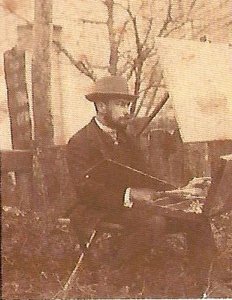
Henri Le Sidaner
1862 - 1939 , Mauritius
Quick Facts
- Artistic Movement Or Style: Intimist, Impressionism
- Artists Who Influenced This Artist:
- Édouard Manet
- Monet
- Pointillists
- Date Of Birth: August 7, 1862
- Date Of Death: July 14, 1939
- Full Name: Henri Eugène Augustin Le Sidaner
- Nationality: French
- Notable Artworks:
- Still life and a window, Gisors
- A Beauvais Square by Moonlight
- Place Of Birth: Port Louis, Mauritius
Related Articles
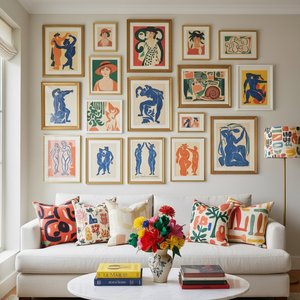
Henri Matisse's Masterpieces: Explore 25 Iconic Paintings & Art Decor Ideas
Journey through Henri Matisse's 25 most iconic paintings! Explore Fauvism, vibrant colors & the stories behind masterpieces like 'The Dance'. Find museum-quality art reproductions and curated decor ideas to elevate your space. Discover all masterpieces on ArtsDot.com.
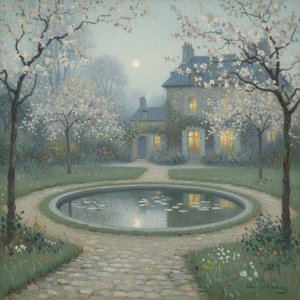
Henri Le Sidaner: Evoking Atmosphere & Intimacy in Post-Impressionist Landscapes
Discover the evocative world of Henri Le Sidaner, a master of Intimist painting. Explore his tranquil landscapes & atmospheric interiors – a celebration of light and intimacy. Learn about his life, style, and lasting legacy.
Post-Impressionism's 10 Defining Masterpieces: Art for Your Home |
Journey through Post-Impressionism's 10 defining masterpieces – Van Gogh, Monet & more. Explore iconic paintings, art history & find museum-quality reproductions for your home at . Discover all masterpieces online!
Beyond Light & Color: Impressionism vs. Post-Impressionism for the Discerning Collector
Explore the nuances of Impressionism & Post-Impressionism with . Expert insights for collectors on style, investment, and acquiring museum-quality reproductions.
Beyond Impressionism: Exploring the Emotional Depth of Post-Impressionist Painting
Explore the profound emotional depth & innovative techniques of Post-Impressionism with ArtsDot. Discover Cézanne, Van Gogh, Gauguin & more – and their lasting impact on modern art.