 Preview
 Send
Send Share
Share
 Details

 Download
 Similars
 X-Ray
X-Ray Diaporama
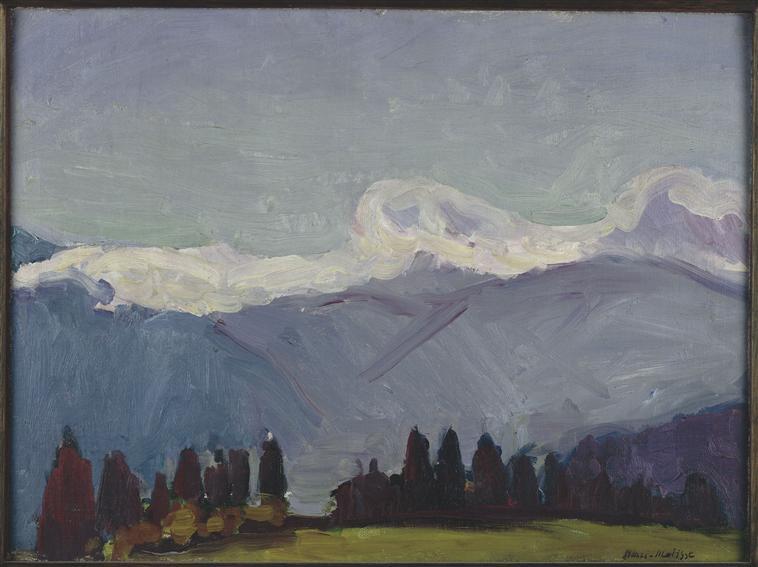
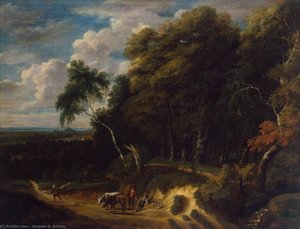
Green needles on the Cross Javernaz
 Oil On Canvas
- WallArt
- Post-Impressionism
 1901
1901- 19th Century
 36.0 x 48.0 cm
 Read More
Giclée / Art Print
Museum-quality giclée or canvas print with fast production and flexible finish options. ( Buy Hand Made Painting Buy Image)




P118B $10

P118H $10

P118W $10

P438Z $10

P508JH $12

P508YH $12

P805H $10

P805Z $10

P919BZ $10

P919G $10

P919XJ $10

P959ZH $10

P968JZ $12

W106C $8

W218G $10

W218JH $8

W218Y $10

W307PJ $10

W316G $10

W316PJ $8

W316Y $10

W398PJ $8

W4111J $10

W500HY $15

W500JH $15

W692G $12

W849H $8

W940BG $15

W953PJ $8




Pick from our preset sizes that match the artwork's original proportions.

You may enter your own dimensions to fit a specific frame or space. If your selected size does not match the original image's proportions, we will either crop the artwork or extend the image with a mirrored or solid-fill edge. A digital mockup will be sent for your approval before production begins.
Please note that the on-screen preview does not reflect the actual cropping or extension. Only the mockup will accurately show the final composition.
While custom sizes are available, we recommend selecting a dimension from the predefined list to preserve the original proportions.
Worldwide Delivery () in 2 weeks instead of standard 4/5 weeks. (22 August)

Free Worldwide Express Shipping

High-Quality Linen Canvas

Full Shipping Insurance

Customs Tax Refund Guarantee

True Color Matching Guarantee

60-Day Return Policy (Defects Only)

100% Money-Back Guarantee

Bulk Discount Offer
 Glass option is only available in size under 110 CM

Green needles on the Cross Javernaz
Giclée / Art Print
Reproduction Size
-


Total Price
$ 63
Collectible Description
A Symphony of Color and Quiet Contemplation
In the delicate transition between the late nineteenth century and the dawn of modernism, Henri Matisse’s “Green Needles on the Cross Javernaz” emerges as a breathtaking testament to the power of light and atmosphere. Painted in 1901, this work serves as a vital bridge between the structured precision of Pointillism and the emotive, liberated brushwork of the burgeoning Fauvist movement. The painting invites the viewer into a serene mountain landscape, where the Javernaz peaks rise majestically against an expansive, cloud-swept sky. It is not merely a topographical record of a French vista, but rather a profound exploration of how color can capture the very essence of a moment—the way sunlight filters through mist and the way cool shadows settle in a valley.
The composition is a masterclass in atmospheric perspective. At first glance, one is struck by the breathtaking scale of the snow-capped mountains, which dominate the horizon with a quiet, monumental strength. Below these peaks, a small, picturesque village nestles within a lush, verdant valley, its presence adding a touch of human warmth to the wild grandeur of nature. Scattered trees punctuate the landscape, their forms softened by the hazy light, creating a sense of depth that draws the eye inward toward the heart of the mountains. For an interior designer or collector, this piece offers a unique ability to anchor a room with its tranquil energy, providing a focal point that is both grand in scale and intimate in mood.
The Alchemy of Light and Technique
To look closely at Matisse’s technique in this period is to witness an artist experimenting with the scientific properties of light. Influenced by the innovations of Georges Seurat, Matisse employs a refined approach to color application that borders on the poetic. Rather than blending pigments into flat surfaces, he utilizes tiny, deliberate touches of color—a method that allows the eye of the viewer to optically mix the hues. This creates a shimmering, luminous effect, where the cool greens and deep blues of the landscape seem to vibrate with life. The "green needles" suggested by the title evoke the sharp yet soft textures of the alpine flora, rendered through a meticulous layering of pigment that captures the diffused, ethereal light characteristic of Impressionist landscapes.
This technical mastery serves a higher emotional purpose: the simplification of form to achieve maximum expression. Matisse eschews unnecessary detail, choosing instead to focus on the interplay of light and shadow. The clouds are not mere shapes in the sky but swirling vessels of movement that dictate the mood of the entire scene. This deliberate use of color theory—studying how adjacent hues interact—allows the artist to convey a sense of melancholy and peace simultaneously. It is this very quality that makes a high-quality reproduction of this work so compelling for modern living spaces; it brings with it an intellectual depth and a sophisticated palette that complements both classical and contemporary decor.
A Legacy of Emotional Resonance
Beyond its technical brilliance, “Green Needles on the Cross Javernaz” resonates because it captures a universal feeling of sanctuary. There is a profound stillness within the frame, a sense of being present in a moment of pure, undisturbed nature. For the art lover, the painting represents a pivotal chapter in Matisse's biography—a time when his passion for color was beginning to erupt from its academic constraints, setting the stage for his later, more radical works. It is a piece that speaks to the soul, offering a window into a world where the boundaries between the physical landscape and the internal emotional state are beautifully blurred.
Whether displayed in a sun-drenched studio or a sophisticated urban gallery, this artwork acts as a portal to the French Alps of 1901. It provides more than just decoration; it offers an atmosphere of quiet contemplation and a celebration of the natural world's enduring beauty. Owning a reproduction of such a masterpiece allows one to surround themselves with the transformative power of Matisse’s vision, ensuring that the symphony of color and light continues to inspire generations of viewers.
Related Artworks


Artist Biography
A Life Immersed in Color: The World of Henri Matisse
Henri Émile Benoît Matisse, born December 31, 1869, in the small northern French town of Le Cateau-Cambrésis, wasn’t destined for a life steeped in pigment and form. Initially pursuing law in Paris after secondary school, his path dramatically altered following an attack of appendicitis in 1889. Confined to recovery, he discovered a latent passion ignited by the simple act of painting with a set of art supplies gifted by his mother. This wasn’t merely a diversion; it was a revelation—a turning point that steered him away from legal briefs and towards a world where color would become his language and canvas his domain. Growing up in Bohain-en-Vermandois, the son of grain merchants, Matisse initially seemed unlikely to embrace the bohemian life of an artist, yet the seed had been sown, nurtured by convalescence and blossoming into a lifelong dedication. He enrolled at the Académie Julian, then later at the École Nationale des Beaux-Arts, studying under William-Adolphe Bouguereau and Gustave Moreau respectively, absorbing classical techniques that would serve as a foundation for his future innovations. Early works reflected this academic training, demonstrating proficiency but lacking the distinctive voice that would soon define him.The Dawn of Fauvism and Bold Experimentation
A pivotal moment arrived in 1896 during a visit to Belle Île with Australian painter John Russell. This encounter proved transformative. Russell introduced Matisse to the vibrant world of Impressionism, and more importantly, to the emotionally charged canvases of Vincent van Gogh. The impact was profound. Van Gogh’s expressive use of color shattered Matisse's previously restrained palette, urging him towards a bolder, more subjective approach. He began to move away from earth tones, embracing hues that resonated with feeling rather than strict representation. This exploration culminated in the emergence of Fauvism around 1905—a movement where Matisse became a leading figure. The name itself, meaning “wild beasts,” was initially derisive, bestowed by a critic upon the group’s shockingly vibrant and non-naturalistic paintings exhibited at the Salon d'Automne. Matisse, alongside artists like André Derain and Maurice de Vlaminck, championed intense color as an independent element of expression, simplifying forms to amplify its impact. Paintings such as The Gourds (1905) exemplify this style—a riot of reds, greens, and yellows applied with a freedom that disregarded traditional perspective and mimetic accuracy. Key characteristics included intensely saturated palettes, simplified shapes, expressive brushstrokes, and a deliberate rejection of conventional representation in favor of emotional resonance.Refinement and Decorative Harmony
Following the initial fervor of Fauvism, Matisse’s style underwent a subtle yet significant evolution. While he never abandoned his love for color, his work became more refined, leaning towards a decorative aesthetic that emphasized flattened forms and intricate patterns. He explored themes of leisure, domesticity, and the human figure within tranquil settings, creating compositions that felt both harmonious and emotionally resonant. A move to Nice on the French Riviera in 1917 further influenced this shift, imbuing his work with a sense of serenity and classical balance. He began to focus on creating environments—paintings, sculptures, and decorative objects—that enveloped the viewer in an atmosphere of beauty and calm. This period saw him experimenting with different media, including ceramics and textiles, extending his artistic vision beyond the traditional canvas. He wasn’t merely depicting scenes; he was constructing worlds designed to evoke a specific emotional response.Late Years: Innovation Through Limitation
As declining health limited Matisse's ability to paint in his conventional manner, he embarked on an extraordinary new chapter in his artistic journey—the creation of cut-paper collages, or *découpages*. Beginning around 1947, these works were born out of necessity. Confined to a wheelchair, he couldn’t physically stand and paint, but he could still manipulate paper with scissors. What began as a practical solution evolved into a groundbreaking artistic technique. He would paint large sheets of paper in vibrant colors, then cut them into shapes—organic forms, leaves, figures—and arrange them on canvas, creating compositions that were both dynamic and deceptively simple. These *découpages* weren’t merely substitutes for painting; they represented a new way of thinking about color, form, and composition. They continued his lifelong exploration of these elements, showcasing an enduring artistic vision even in the face of physical limitations.- The cut-paper technique allowed him to achieve a purity of form and color that was difficult to attain with paint.
- These works often referenced earlier themes and motifs from his paintings, but presented them in a fresh and innovative way.
- They demonstrated his ability to adapt and evolve as an artist throughout his entire career.
A Lasting Legacy: Matisse’s Impact on Modern Art
Henri Matisse died in Nice in 1954, leaving behind a body of work that continues to inspire and captivate audiences worldwide. His impact on the art world is undeniable; he challenged conventional notions of representation, championed the expressive power of color, and paved the way for future generations of artists. Often considered alongside Pablo Picasso as one of the most influential figures in 20th-century art, Matisse fundamentally shaped modernism. His legacy extends beyond his artworks themselves—it encompasses a philosophy celebrating joy, beauty, and the transformative potential of color. He wasn’t simply painting what he saw; he was creating an emotional experience for the viewer, inviting them to share in his vision of a world bathed in light and vibrant hues. Matisse's influence can be seen in countless works by artists across various disciplines, solidifying his place as a true master of modern art—a painter who dared to see the world not as it is, but as it could be, filled with color, harmony, and boundless possibility.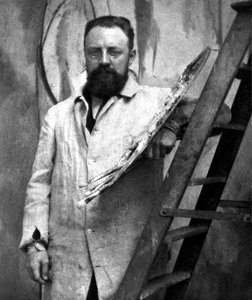
Henri Matisse
1869 - 1954 , France
Quick Facts
- Artistic Movement Or Style: Fauvism
- Artists Or Movements Influenced By This Artist:
- Modernism
- Expressionism
- Artists Who Influenced This Artist:
- Van Gogh
- Chardin
- Russell
- Date Of Birth: December 31, 1869
- Date Of Death: 1954
- Full Name: Henri Émile Benoît Matisse
- Nationality: French
- Notable Artworks:
- The Gourds
- Laurette in a White Turban
- Place Of Birth: Le Cateau-Cambrésis, France
Related Articles
Verdant Visions: Exploring the Symbolism & Aesthetic Impact of Green in Art History
Explore the rich history & symbolism of green in art! Discover iconic paintings, techniques, and how to bring verdant harmony into your home with ArtsDot's expert guide.

Romantic Landscapes: 10 Masterpieces for Your Home | ArtsDot
Journey through 10 Romantic landscape masterpieces by Friedrich, Turner & Cole. Explore emotional art, sublime nature scenes & iconic 19th-century paintings. Find museum-quality reproductions for your home at ArtsDot.com – discover the full collection online!
Chrome Green Masterpieces: 10 Famous Paintings & Their Alluring Hues |
Explore 10 famous paintings where 'Chrome Green' reigns supreme! Discover Monet, Manet & Van Gogh’s masterpieces. Learn the stories behind these iconic artworks and find museum-quality art reproductions for your home at .

Evocations of Place: A Historical Journey Through Landscape Art
Explore the rich history of landscape art with ArtsDot. Discover renowned artists, movements like Impressionism & Romanticism, and expert guidance for collecting timeless pieces. Find your perfect serene escape today!
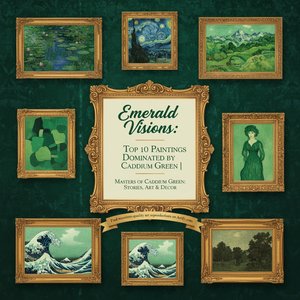
Emerald Visions: Top 10 Paintings Dominated by Cadmium Green |
Explore 10 iconic paintings where cadmium green reigns supreme! From Monet to Van Gogh, discover the stories behind these masterpieces & the power of color. Find museum-quality art reproductions and elevate your home decor on .