

 Preview
 Send
Send Share
Share
 Details

 Download
 Similars
 X-Ray
X-Ray Diaporama
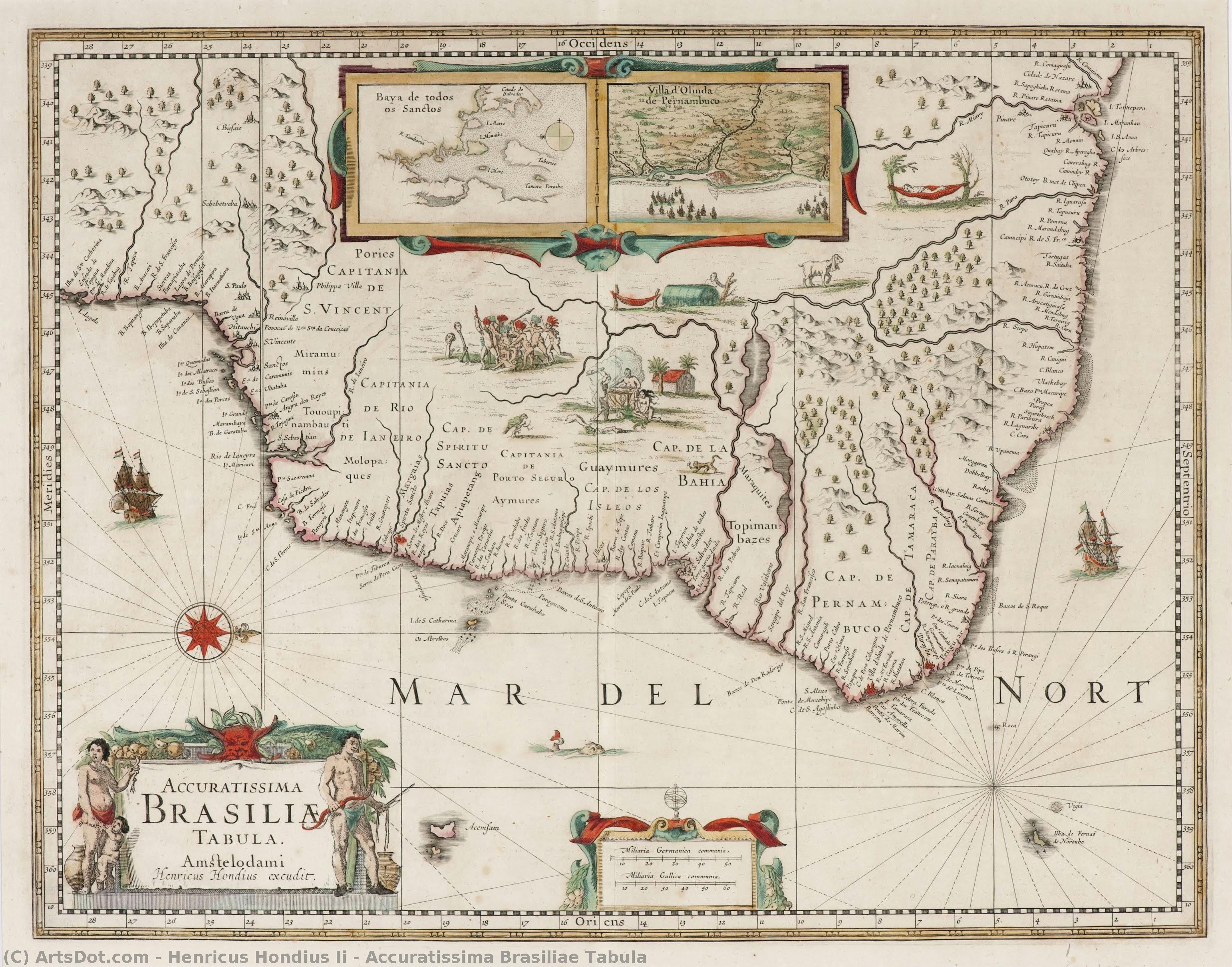
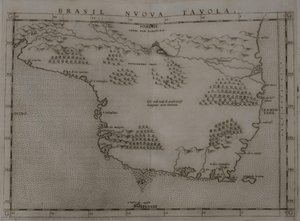
Accuratissima Brasiliae Tabula


 Read More
Purchase a high-resolution, enhanced digital image, far superior to the online preview.
Each file is meticulously prepared by our in-house specialists using advanced tools and expert manual retouching. We ensure every image has exceptional clarity, precise color accuracy, and fine detail.
The final file is delivered via email within 72 hours, optimized for immediate use in professional, editorial, and print environments. This is the same quality trusted by top-tier design studios, publishers, and galleries.
Digital Image
Download a high-resolution file for personal display, printing, and creative projects. ( Buy Print Buy Hand Made Painting)
Included in Every Digital Image Order
Expert Digital Delivery, Guaranteed
When you choose ArtsDot.com, you're not just getting an image - you're receiving a professionally enhanced digital artwork, crafted with precision and backed by a satisfaction guarantee. Here's everything that comes with your order, automatically:

Fast Email Delivery
Your high-resolution digital image file will be emailed to you within 72 hours of ordering - ready for immediate use.

AI-Enhanced Digital File
Your artwork is professionally optimized using advanced AI tools and manual editing, ensuring maximum detail, clarity, and color accuracy.

Free Lifetime Re-Delivery
Accidentally deleted or lost your file? No worries - we'll resend it to you anytime, free of charge.

No Import Fees - Ever
Enjoy your artwork instantly with zero customs, duties, or delivery fees - digital downloads are always tax-free.

Color Accuracy Guarantee
We ensure your digital image reflects the original colors as closely as possible using professional tools and color management.

60-Day Satisfaction Guarantee
If you're not satisfied with your digital image, we'll revise it or refund 100% within 60 days - no questions asked.

100% Money-Back Guarantee
Not satisfied? Get a full refund within 60 days of receiving your digital file - no questions asked.

Bulk Order Discounts
Buy 3 images, save 10% - Buy 5, save 15% - Buy 10+, save 20%. Great for creative projects, galleries, and agencies.
Related Artworks
Artist Biography
Pieter Claesz: The Subtle Master of Domestic Still Life
Pieter Claesz, born in Burgsteinfurt, Germany, in 1597 and passing away in Haarlem in 1661, remains a quietly significant figure within the history of Dutch painting. Often overshadowed by his more flamboyant contemporaries, Claesz carved out a unique niche for himself through his masterful depictions of domestic interiors – specifically, still lifes that captured the quiet intimacy of everyday life. His work isn’t characterized by dramatic gestures or opulent displays; instead, it offers a profound sense of atmosphere and understated beauty, achieved through an almost meditative focus on light, texture, and the subtle interplay of monochrome colors. He represents a pivotal moment in Dutch painting, bridging the Mannerist formality of his early years with the emerging tonal realism that would define much of the 17th century.Early Life and Influences
Claesz’s origins are somewhat shrouded in mystery. Records indicate he was born into a family of artists – his father, also named Pieter Claesz van Haarlem, was a painter, and his son, Nicolaes Pietersz Berchem, followed in the same profession. This familial connection undoubtedly provided him with an early foundation in artistic techniques. While his formative years are not extensively documented, it’s believed he initially trained under the influence of the Mannerist style prevalent at the time. The influence of artists like Dirck van Baburen and Frans Hals is evident in his early works – a certain formality and attention to detail reminiscent of the period. However, Claesz quickly moved beyond mere imitation, developing a distinctive approach that prioritized observation and atmospheric rendering over elaborate composition or vibrant color palettes.The Development of His Unique Style
Claesz’s breakthrough came with his series of “breakfast pieces,” beginning around 1627. These intimate scenes – typically featuring a table set for a simple meal – became the hallmark of his career. He eschewed the crowded, theatrical arrangements favored by some of his contemporaries, opting instead for carefully arranged objects within a limited space. Crucially, he employed a restricted palette of grays, browns, and muted greens, creating a sense of stillness and quiet contemplation. The key to Claesz’s success lay in his ability to capture the subtle effects of light on these inanimate subjects – the glint of reflected light on polished silver, the warmth emanating from a candle flame, the shadows cast by a wine glass. He wasn't simply depicting objects; he was rendering the *experience* of observing them. This focus on atmosphere and texture is remarkably advanced for his time, anticipating later developments in tonal painting. His work demonstrates an almost photographic eye for detail, combined with a deep understanding of how light transforms surfaces.Key Works and Notable Paintings
Several paintings stand out as particularly representative of Claesz’s artistic vision. “Breakfast Still Life” (1647), now in the Frans Hals Museum in Haarlem, is arguably his most celebrated work. It exemplifies his mastery of light and shadow, creating a remarkably convincing illusion of depth within a confined space. “Still Life with a Burning Candle” (1627) also showcases his ability to evoke mood through subtle color variations and carefully rendered textures. Later works, such as the “Table Interior” (circa 1630), demonstrate an increasing refinement in his technique and a greater attention to detail. These paintings are not merely decorative; they invite viewers into a moment of quiet reflection, offering a glimpse into the rhythms of daily life.Historical Significance and Legacy
Pieter Claesz’s contribution to Dutch painting is often underestimated, yet it's undeniably significant. He was a pioneer in the development of tonal realism, laying the groundwork for later artists like Salomon van Ruysdael and Jan van Goyen. His emphasis on atmospheric perspective and subtle color variations influenced generations of painters. While he may not have achieved the same level of fame as some of his contemporaries, Claesz’s quietly compelling still lifes continue to resonate with viewers today, offering a timeless meditation on beauty, simplicity, and the quiet pleasures of everyday life. He represents a crucial link between the Mannerist past and the emerging realism that would dominate Dutch painting in the following decades, solidifying his place as a vital, if often overlooked, figure in the history of art.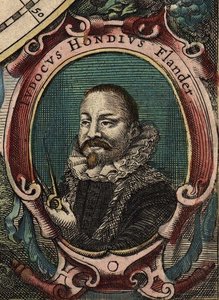
henricus hondius ii
1597 - 1651 , Netherlands
Quick Facts
- Artistic Movement Or Style: Still life, Monochrome landscapes
- Artists Or Movements Influenced By This Artist: ['Baroque']
- Artists Who Influenced This Artist: ['Jan van Goyen']
- Date Of Birth: 1597
- Date Of Death: 1661
- Full Name: Pieter Claesz van Haarlem
- Nationality: Dutch
- Notable Artworks:
- Breakfast Still Life
- Still Life with a Burning Candle
- Place Of Birth: Burgsteinfurt, Germany

