 Preview
 Send
Send Share
Share
 Details

 Download
 Similars
 X-Ray
X-Ray Diaporama
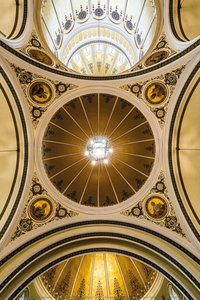
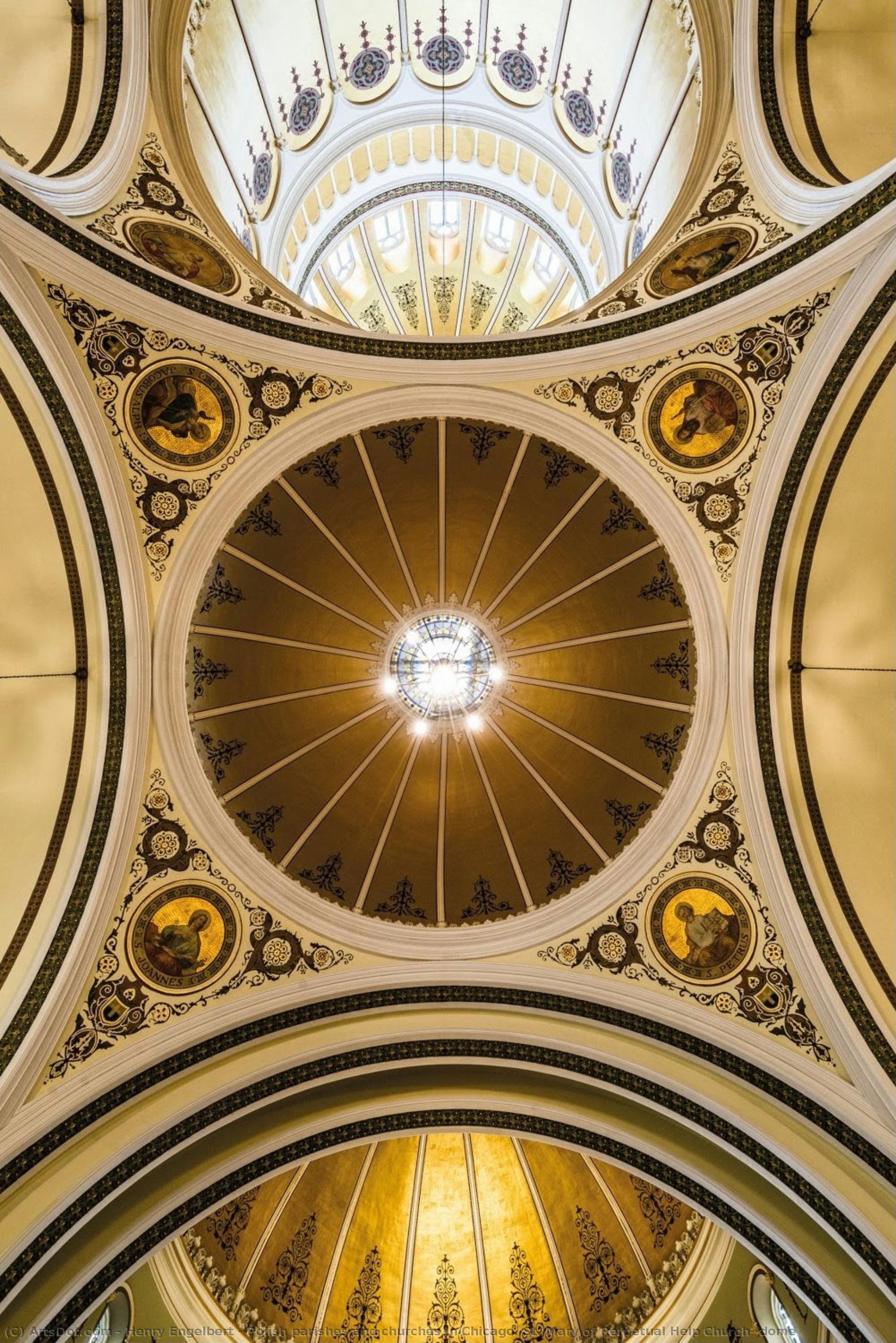
Polish parishes and churches in Chicago. St. Mary of Perpetual Help Church, dome


 Read More
Hand Made Oil Reproduction
Hand-painted oil on canvas in your size and frame, made to order by our artists. ( Buy Print Buy Image)




P118B $10

P118H $10

P118W $10

P438Z $10

P508JH $12

P508YH $12

P805H $10

P805Z $10

P919BZ $10

P919G $10

P919XJ $10

P959ZH $10

P968JZ $12

W106C $8

W218G $10

W218JH $8

W218Y $10

W307PJ $10

W316G $10

W316PJ $8

W316Y $10

W398PJ $8

W4111J $10

W500HY $15

W500JH $15

W692G $12

W849H $8

W940BG $15

W953PJ $8




Pick from our preset sizes that match the artwork's original proportions.

You may enter your own dimensions to fit a specific frame or space. If your selected size does not match the original image's proportions, we will either crop the artwork or extend the painting with additional hand-painted elements. A digital mockup will be sent for your approval before production begins.
Please note that the on-screen preview does not reflect the actual cropping or extension. Only the mockup will accurately show the final composition.
While custom sizes are available, we recommend selecting a dimension from the predefined list to preserve the original proportions.
After order, ArtsDot.com team will email client for instructions and provide a mockup preview
Worldwide Delivery () in 3/4 weeks instead of standard 5 weeks. (24 August). No compromise on quality.

Free Worldwide Express Shipping

High-Quality Linen Canvas

Full Shipping Insurance

Customs Tax Refund Guarantee

True Color Matching Guarantee

60-Day Return Policy (Defects Only)

100% Money-Back Guarantee

Bulk Discount Offer
 Glass option is only available in size under 110 CM

Polish parishes and churches in Chicago. St. Mary of Perpetual Help Church, dome
Reproduction Medium
Reproduction Size
-


Total Price
$ 263
Related Artworks
Artist Biography
Giovanni Costa (Nino Costa): A Pioneer of Italian Landscape Painting
Giovanni Costa, known affectionately as Nino Costa, was a pivotal figure in the late 19th-century Italian art scene, particularly within the burgeoning Macchiaioli movement. Born in Rome on October 15, 1826, into a family deeply rooted in commerce – his father a successful wool merchant – Costa’s artistic journey began unexpectedly, spurred by an encounter with the esteemed Baron Vincenzo Camuccini. This early mentorship proved transformative, instilling in him a profound appreciation for direct observation of nature and a rejection of overly polished academic styles. His life was inextricably linked to Italy's quest for national unity, reflected not only in his patriotic fervor but also in his artistic choices. Costa’s career spanned several decades, marked by a dedication to capturing the essence of the Italian countryside – its rugged beauty, humble rural life, and evocative light – establishing him as a significant voice in landscape painting.Early Life and Artistic Training
Costa's childhood was shaped by his family’s prominent position in Roman society. His father’s success provided opportunities for cultural enrichment, leading to an introduction to the world of art at a young age. This initial exposure culminated in lessons with Baron Camuccini, a renowned Neoclassical painter who emphasized the importance of studying directly from life. Following Camuccini's guidance, Costa was sent to the Jesuit college at Montefiascone, where he honed his drawing skills and developed a foundational understanding of artistic principles. Returning to Rome, he continued his training under several prominent instructors at the Accademia di San Luca – Francesco Coghetti, Francesco Podesti, and Filippo Agricola – absorbing diverse techniques and stylistic approaches. This rigorous academic grounding provided a crucial base upon which he would later build his distinctive style.The Revolutionary Macchiaioli
Costa’s artistic trajectory truly gained momentum through his involvement with the Macchiaioli movement, a group of Florentine artists who championed a revolutionary approach to painting. The term “macchia,” meaning ‘spot’ or ‘dab,’ refers to their technique – applying paint in loose, expressive strokes, often using pure color directly from the tube. This method prioritized capturing the immediate impression of light and atmosphere over meticulous detail. Costa embraced this philosophy wholeheartedly, rejecting the traditional academic emphasis on smooth blending and precise rendering. He sought to convey the essence of a scene through vibrant colors and dynamic brushwork, reflecting his deep connection with the natural world. His work became a key influence on subsequent generations of Italian artists, particularly those who championed a more direct and emotionally resonant approach to landscape painting.Patriotism and Artistic Expression
Costa’s artistic life was deeply intertwined with Italy's political struggles for unification. He actively participated in the Risorgimento – the movement for national independence – serving as a volunteer soldier during the 1848 revolutions and again in the war of 1859. His patriotic fervor fueled his desire to capture the spirit of his homeland, translating his love for Italy into powerful visual narratives. This commitment is evident in works such as *Donne sulla spiaggia di Porto d’Anzio*, a captivating depiction of women on the beach, imbued with a sense of national pride and a celebration of Italian beauty. Furthermore, Costa's dedication to portraying authentic rural life – shepherds tending their flocks, farmers working the land – served as a poignant reminder of Italy’s agricultural heritage and its connection to the soil.Legacy and Influence
Giovanni Costa (Nino Costa) died in Rome on January 31, 1903, leaving behind a significant body of work that continues to resonate with art historians and enthusiasts today. His influence extended far beyond his immediate circle within the Macchiaioli movement; he inspired numerous artists, including Elihu Vedder and Matthew Ridley Corbet, who were captivated by his bold use of color and expressive brushwork. Costa’s commitment to direct observation, coupled with his passionate patriotism, cemented his place as a key figure in the development of Italian landscape painting at the turn of the 20th century. His paintings offer a valuable glimpse into the social and political realities of Italy during a period of profound transformation, reminding us of the enduring power of art to reflect and shape national identity.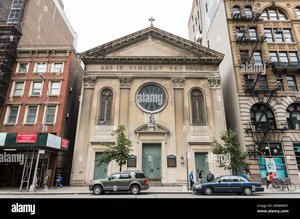
henry engelbert
1826 - 1901 , Germany
Quick Facts
- Artistic Movement Or Style: Landscape painting
- Artists Or Movements Influenced By This Artist: ['Macchiaioli']
- Artists Who Influenced This Artist:
- Vincenzo Camuccini
- Luigi Durantini
- Francesco Coghetti
- Francesco Podesti
- Filippo Agricola
- Date Of Birth: 15 Oct 1826
- Date Of Death: 31 Jan 1903
- Full Name: Giovanni Costa (Nino Costa)
- Nationality: Italian
- Notable Artworks: ["Donne sulla spiaggia di Porto d'Anzio"]
- Place Of Birth: Rome, Italy
Related Articles
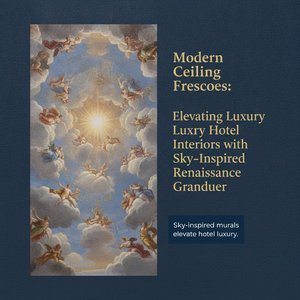
The Modern Ceiling Fresco: Reimagining Renaissance Grandeur for Contemporary Spaces
Discover the resurgence of ceiling frescoes! Explore historical traditions & modern interpretations for luxury spaces. 's expert artists create custom, hand-painted masterpieces.
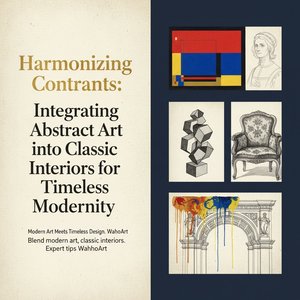
Harmonizing Contrasts: Integrating Abstract Art into Classic Interiors for Timeless Modernity
Elevate your classic home with abstract art! Discover expert tips for seamlessly blending modern pieces into timeless interiors. Find the perfect artwork & design advice at ArtsDot.
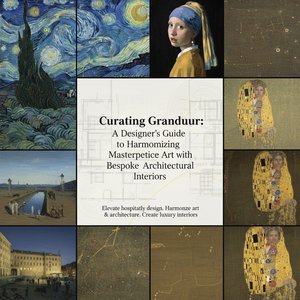
Harmonizing History & Hue: A Guide to Matching Art Styles with Interior Architecture for Balanced Décor
Elevate your interior design with our expert guide to harmonizing art styles & architecture. Discover timeless pieces, color palettes, & custom artwork solutions for balanced, luxury spaces. Expert advice included!
Beyond Ephemeral Trends: Cultivating Enduring Interior Aesthetics Through Renaissance Reverie, Impressionist Light, and Pop Art Vibrancy
Discover enduring interior aesthetics inspired by Renaissance artistry, Impressionist light & Pop Art vibrancy. Expert guidance for creating timeless, luxury homes. Explore art curation & design principles.
The Resonance of Place: Contextual Art Design for Harmonious Interior Spaces
Discover how expert art curation transforms interiors into harmonious spaces. Elevate your home with personalized selections & the guidance of a dedicated art concierge at ArtsDot.com.