 Preview
 Send
Send Share
Share
 Details

 Download
 Similars
 X-Ray
X-Ray Diaporama
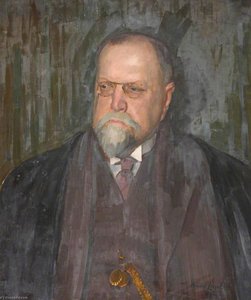
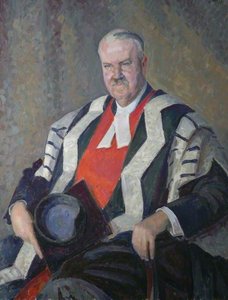
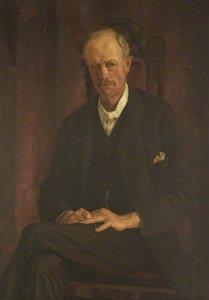
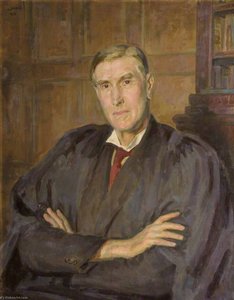
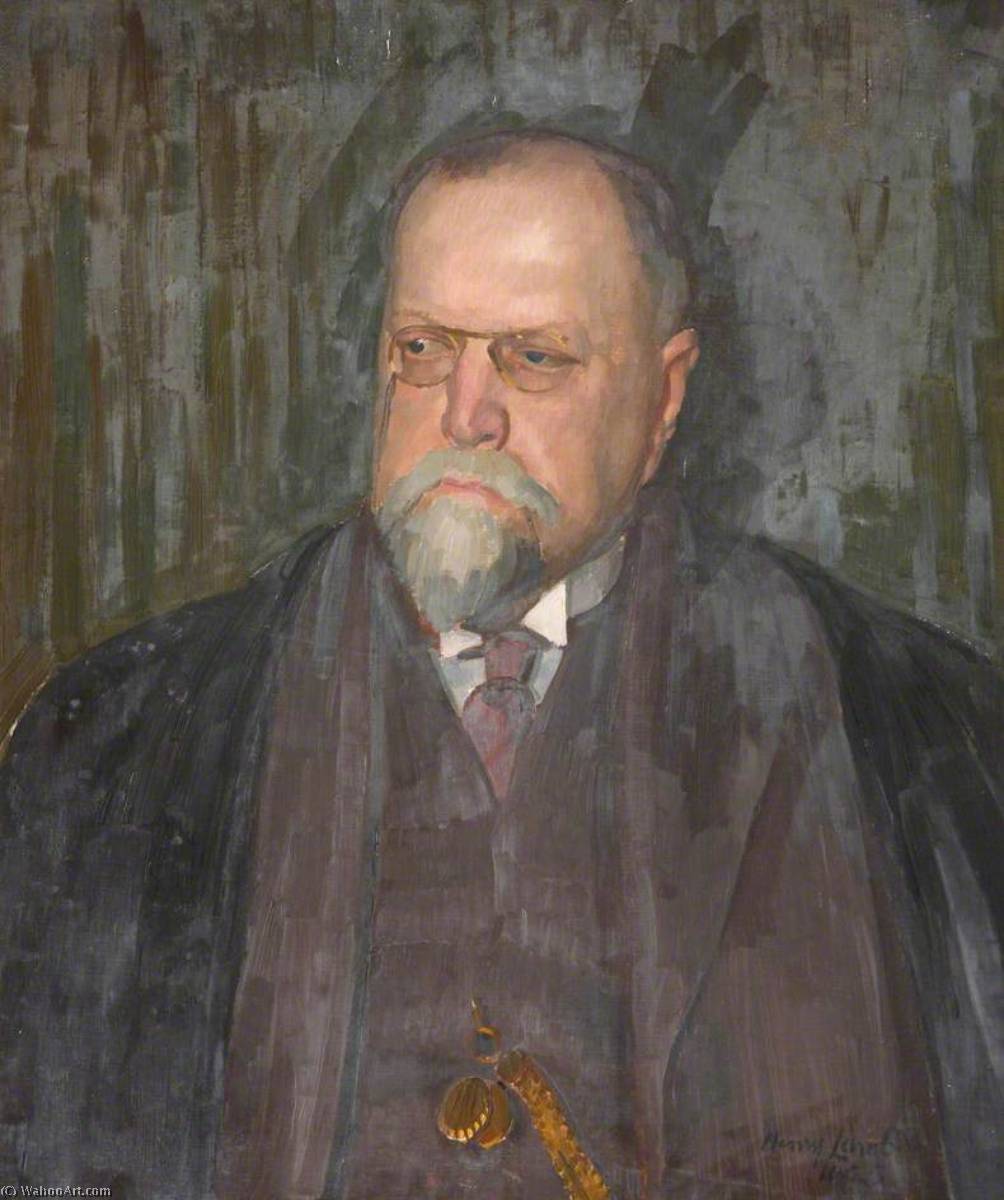
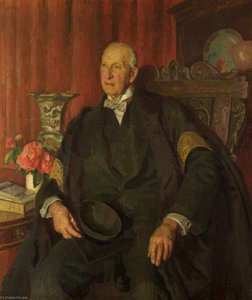
Sir Paul Gavrilovitch Vinogradoff (1854–1925)
 Oil On Canvas
- WallArt
- Early Twentieth Century
 1924
1924 67.0 x 55.0 cm
 Bodleian Libraries
 Read More
Hand Made Oil Reproduction
Hand-painted oil on canvas in your size and frame, made to order by our artists. ( Buy Print Buy Image)




P118B $10

P118H $10

P118W $10

P438Z $10

P508JH $12

P508YH $12

P805H $10

P805Z $10

P919BZ $10

P919G $10

P919XJ $10

P959ZH $10

P968JZ $12

W106C $8

W218G $10

W218JH $8

W218Y $10

W307PJ $10

W316G $10

W316PJ $8

W316Y $10

W398PJ $8

W4111J $10

W500HY $15

W500JH $15

W692G $12

W849H $8

W940BG $15

W953PJ $8




Pick from our preset sizes that match the artwork's original proportions.

You may enter your own dimensions to fit a specific frame or space. If your selected size does not match the original image's proportions, we will either crop the artwork or extend the painting with additional hand-painted elements. A digital mockup will be sent for your approval before production begins.
Please note that the on-screen preview does not reflect the actual cropping or extension. Only the mockup will accurately show the final composition.
While custom sizes are available, we recommend selecting a dimension from the predefined list to preserve the original proportions.
After order, ArtsDot.com team will email client for instructions and provide a mockup preview
Worldwide Delivery () in 3/4 weeks instead of standard 5 weeks. (25 August). No compromise on quality.

Free Worldwide Express Shipping

High-Quality Linen Canvas

Full Shipping Insurance

Customs Tax Refund Guarantee

True Color Matching Guarantee

60-Day Return Policy (Defects Only)

100% Money-Back Guarantee

Bulk Discount Offer
 Glass option is only available in size under 110 CM

Sir Paul Gavrilovitch Vinogradoff (1854–1925)
Reproduction Medium
Reproduction Size
-


Total Price
$ 263
Artwork Description
Sir Paul Gavrilovitch Vinogradoff (1854–1925) – A Portrait of Intellectual Dignity
Henry Lamb’s “Sir Paul Gavrilovitch Vinogradoff” is more than just a depiction of an elderly gentleman; it's a carefully crafted tableau that encapsulates the spirit of its time—the early 1920s, a period grappling with the aftermath of World War I and striving to forge a new cultural identity. Painted in 1924, this oil on canvas exemplifies Lamb’s signature style within the Camden Town Group, characterized by loose brushstrokes and muted tonal palettes that prioritize atmosphere over precise realism. The artwork's subdued hues—primarily browns and creams—create an impression of quiet contemplation, mirroring Vinogradoff’s solemn gaze and furrowed brow.- Subject Matter: Lamb presents Vinogradoff as a figure of profound intellect and experience. His posture exudes confidence despite his age, conveying a sense of inner resilience and unwavering conviction. The inclusion of two additional individuals—a man to Vinogradoff’s left and another further back on the right—suggests a scene of scholarly discourse or perhaps a moment of private reflection within a broader intellectual milieu.
- Style & Technique: Lamb's technique is distinctly Impressionistic, prioritizing capturing fleeting impressions of light and color rather than meticulously rendering every detail. The brushstrokes are visible and expressive, conveying movement and texture—particularly noticeable in the folds of Vinogradoff’s suit and tie. This deliberate lack of polish contributes to the painting’s emotional resonance, inviting viewers to contemplate the complexities of human character.
Historical Context & Influences
Lamb's artistic sensibilities were profoundly shaped by the intellectual currents circulating in London during the period. The Camden Town Group—of which Lamb was a founding member—rejected academic conventions and embraced experimentation, drawing inspiration from artists like Cézanne and Gauguin. Vinogradoff himself was a prominent Slavophile scholar and philosopher, advocating for the preservation of Russian culture amidst the pressures of Western modernity. Lamb’s portrayal subtly reflects this ideological stance, emphasizing dignity and tradition against the backdrop of turbulent historical change. The inclusion of the clock on the wall serves as a poignant reminder of time's relentless march—a visual metaphor for Vinogradoff’s accumulated wisdom and experience.- Symbolism: The muted color scheme is deliberately chosen to evoke feelings of serenity and introspection, aligning with Vinogradoff’s contemplative demeanor. Lamb’s masterful use of light enhances the sense of drama and depth, illuminating Vinogradoff's face and highlighting his gaze—a symbol of unwavering conviction and intellectual seriousness.
Emotional Impact & Artistic Legacy
“Sir Paul Gavrilovitch Vinogradoff” transcends mere portraiture; it’s a meditation on aging, intellect, and the enduring power of tradition. Lamb's ability to convey profound emotion through subtle visual cues speaks volumes about his artistic skill—a testament to his understanding of human psychology and his capacity for capturing the essence of character. The painting remains an evocative example of Impressionistic portraiture, demonstrating Lamb’s commitment to exploring the complexities of human experience within a broader cultural context. Its quiet dignity continues to inspire admiration among art historians and collectors alike.Related Artworks
Artist Biography
A Life Bridging Continents and Eras
Henry Lamb, born in Adelaide, Australia, in 1883, was an artist whose life unfolded as a fascinating intersection of cultures and historical upheaval. The son of Sir Horace Lamb, a renowned mathematician, young Henry’s early years were steeped in intellectual stimulation. However, his path diverged from the purely academic when the family relocated to Manchester, England, in 1885—a move that proved pivotal, exposing him to a burgeoning artistic scene that would ultimately claim his allegiance. Initially pursuing medical studies at both Manchester University and Guy's Hospital, Lamb found himself increasingly drawn to the world of art, an irresistible pull he could no longer deny. By 1906, he decisively abandoned medicine, enrolling at Chelsea School of Art under the tutelage of Augustus John and William Orpen—a decision that would define his creative destiny. Subsequent studies at the Académie de la Palette in Paris further honed his skills, immersing him in the avant-garde currents of early 20th-century European art and introducing him to influential figures like Jean Metzinger and Henri Le Fauconnier.Formative Influences and Artistic Awakening
The influence of Augustus John on Lamb’s artistic development was profound. John's emphasis on drawing from life, a direct lineage from the Slade School tradition, instilled in Lamb a commitment to observation and expressive line work. This foundation became central to his unique style—a style that favored capturing the essence of a subject rather than mere photographic representation. Lamb’s early years were also deeply intertwined with the bohemian circles of London, where he encountered and befriended prominent figures like Lytton Strachey, whose penetrating portrait would become one of Lamb's most celebrated achievements. His relationship with Nina Forrest, known affectionately as “Euphemia,” proved equally significant; she became his muse, model, and a constant source of inspiration—a figure who embodied the spirit of artistic freedom and unconventional beauty that permeated the era. Lamb’s involvement in the Camden Town Group in 1911 and later the London Group in 1913 solidified his position within the progressive art movement challenging conventional artistic norms. These groups provided a platform for experimentation and fostered a spirit of collaboration that shaped Lamb's evolving aesthetic, pushing him to explore new forms of expression and challenge established conventions.War, Witness, and Remembrance
The outbreak of World War I dramatically altered the course of Lamb’s life. Returning to his medical training, he served as a battalion medical officer with the 5th Battalion, Royal Inniskilling Fusiliers, witnessing firsthand the horrors of conflict. Awarded the Military Cross for his bravery, Lamb was also appointed an official war artist, tasked with documenting the realities of warfare. This dual role—healer and observer—profoundly impacted his artistic vision. His wartime paintings, such as “Irish Troops in the Judaean Hills Surprised by a Turkish Bombardment,” are not merely depictions of battle but poignant reflections on the psychological toll of war, capturing moments of vulnerability and unexpected beauty amidst chaos. These works stand as powerful testaments to the human cost of conflict and remain significant historical documents—a stark reminder of the brutality and senselessness of war. The experience imbued his work with a newfound depth and emotional resonance, forever shaping his artistic perspective.A Legacy in Portraiture and Beyond
While Lamb’s wartime experiences left an indelible mark on his work, he is perhaps best known for his evocative portraits. He possessed a remarkable ability to capture not just the physical likeness but also the inner character of his subjects—their thoughts, their emotions, their very souls. His portrait of Lytton Strachey, with its penetrating gaze and psychological depth, remains a masterpiece of 20th-century British portraiture. Throughout his career, Lamb continued to paint portraits, extending his practice to include high-ranking military commanders during World War II. His later years saw him appointed a Trustee of both the National Portrait Gallery and the Tate Gallery, demonstrating his respected position within the art world. Elected an Associate of the Royal Academy in 1940 and a full member in 1949, Lamb continued to paint until arthritis curtailed his ability to work. He died in 1960, leaving behind a rich artistic legacy that continues to resonate with audiences today. His contribution lies not only in his technical skill but also in his profound sensitivity to the human condition and his ability to translate complex emotions onto canvas. Lamb’s art serves as a compelling reminder of the power of observation, empathy, and the enduring relevance of portraiture.Key Characteristics & Artistic Style
- Expressive Line Work: Heavily influenced by Augustus John, Lamb’s work is characterized by a dynamic and expressive use of line, creating a sense of movement and energy.
- Psychological Depth: His portraits are renowned for their ability to capture the inner lives of his subjects, revealing their personalities and emotions with remarkable sensitivity.
- Post-Impressionist Influences: While rooted in traditional techniques, Lamb’s work also exhibits elements of Post-Impressionism, particularly in his use of color and form.
- War Art as Testimony: His wartime paintings are not simply depictions of conflict but powerful statements about the human cost of war, imbued with a sense of empathy and realism.
- Bohemian Spirit: Lamb’s association with the Camden Town Group and his personal life reflect a bohemian spirit—a rejection of conventional norms and an embrace of artistic freedom.
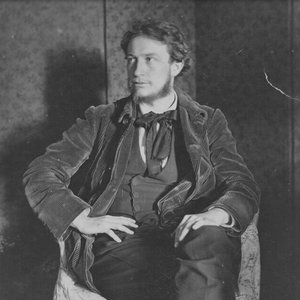
Henry Lamb
1883 - 1960 , Australia
Quick Facts
- Artistic Movement Or Style: Post-Impressionism
- Artists Who Influenced This Artist:
- Augustus John
- William Orpen
- Date Of Birth: 1883
- Date Of Death: 1960
- Full Name: Henry Lamb
- Nationality: British
- Notable Artworks:
- Lytton Strachey
- Irish Troops in the Judean Hills
- Place Of Birth: Adelaide, Australia
Related Articles
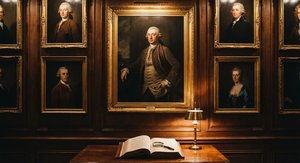
Sir Joshua Reynolds' Masterpieces: 25 Portraits of Power & Refinement | ArtsDot
Explore 25 captivating portraits by Sir Joshua Reynolds, a master of British art. Discover stories behind his iconic paintings, elegant style & historical influence. Find museum-quality reproductions and elevate your home decor on ArtsDot.com.

Henri Matisse's Masterpieces: Explore 25 Iconic Paintings & Art Decor Ideas
Journey through Henri Matisse's 25 most iconic paintings! Explore Fauvism, vibrant colors & the stories behind masterpieces like 'The Dance'. Find museum-quality art reproductions and curated decor ideas to elevate your space. Discover all masterpieces on ArtsDot.com.
Paul Klee's Masterpieces: Explore 25 Iconic Paintings & Prints | ArtsDot
Journey through Paul Klee's 25 most iconic paintings & prints. Explore his abstract style, Bauhaus influence, and vibrant color palettes. Find museum-quality art reproductions & decor ideas at ArtsDot.com. Discover all masterpieces online.

Sir Alfred Munnings' Masterpieces: 25 Paintings That Define Equine Art | ArtsDot
Explore 25 iconic Sir Alfred Munnings paintings! Discover the beauty of British Impressionism, equine art & rural England. Find museum-quality reproductions and elevate your home decor with ArtsDot. Explore the full collection online.

Cézanne's Masterpieces: 25 Iconic Artworks to Transform Your Space
Journey through 25 iconic artworks by Paul Cézanne – a master of Impressionism and Post-Impressionism. Explore his landscapes, still lifes, and the stories behind these timeless masterpieces. Discover museum-quality reproductions & curated decor at ArtsDot.com.