

 Preview
 Send
Send Share
Share
 Details

 Download
 Similars
 X-Ray
X-Ray Diaporama
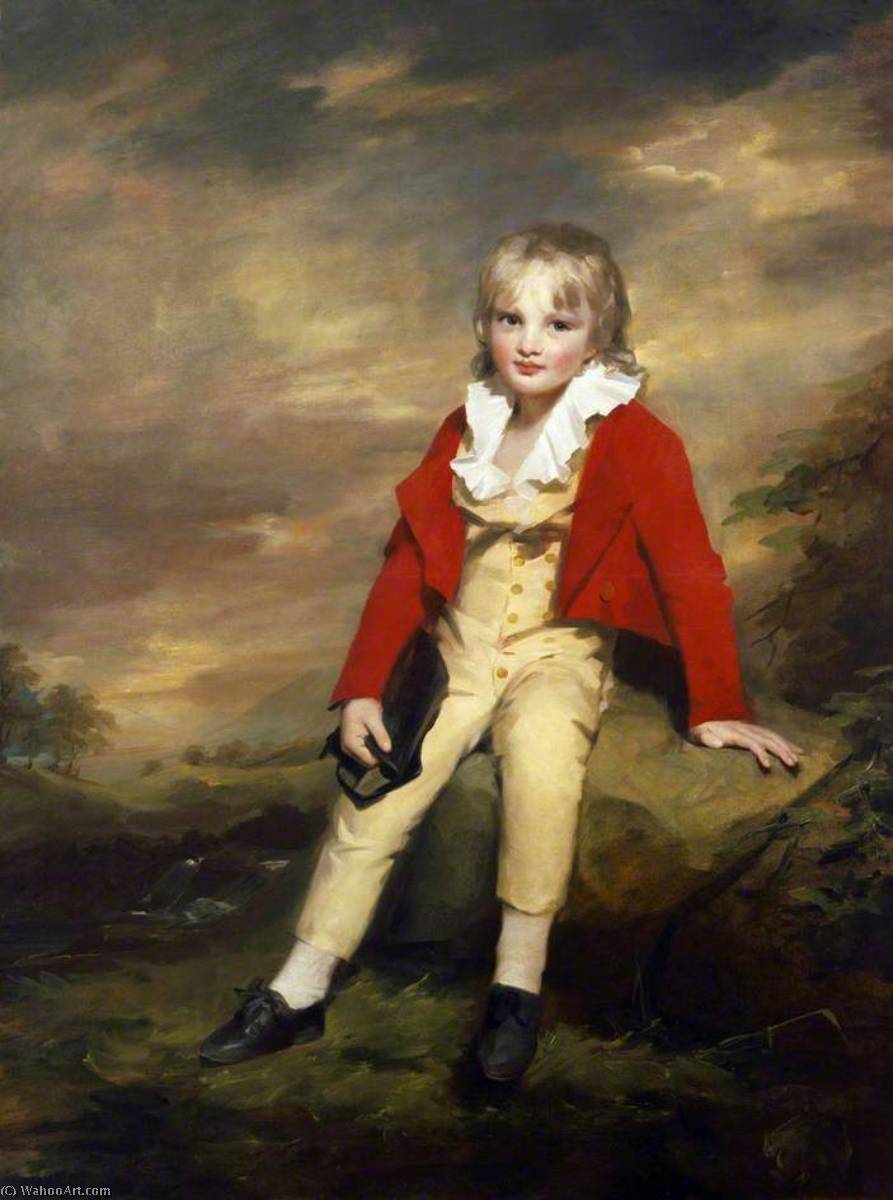
Sir George Sinclair of Ulbster (1790–1868), as a Child
 Oil On Canvas
- WallArt
- Neoclassicism
 1797
1797 145.0 x 109.0 cm
 English Heritage
 Read More
Purchase a high-resolution, enhanced digital image, far superior to the online preview.
Each file is meticulously prepared by our in-house specialists using advanced tools and expert manual retouching. We ensure every image has exceptional clarity, precise color accuracy, and fine detail.
The final file is delivered via email within 72 hours, optimized for immediate use in professional, editorial, and print environments. This is the same quality trusted by top-tier design studios, publishers, and galleries.
Digital Image
Download a high-resolution file for personal display, printing, and creative projects. ( Buy Print Buy Hand Made Painting)
Included in Every Digital Image Order
Expert Digital Delivery, Guaranteed
When you choose ArtsDot.com, you're not just getting an image - you're receiving a professionally enhanced digital artwork, crafted with precision and backed by a satisfaction guarantee. Here's everything that comes with your order, automatically:

Fast Email Delivery
Your high-resolution digital image file will be emailed to you within 72 hours of ordering - ready for immediate use.

AI-Enhanced Digital File
Your artwork is professionally optimized using advanced AI tools and manual editing, ensuring maximum detail, clarity, and color accuracy.

Free Lifetime Re-Delivery
Accidentally deleted or lost your file? No worries - we'll resend it to you anytime, free of charge.

No Import Fees - Ever
Enjoy your artwork instantly with zero customs, duties, or delivery fees - digital downloads are always tax-free.

Color Accuracy Guarantee
We ensure your digital image reflects the original colors as closely as possible using professional tools and color management.

60-Day Satisfaction Guarantee
If you're not satisfied with your digital image, we'll revise it or refund 100% within 60 days - no questions asked.

100% Money-Back Guarantee
Not satisfied? Get a full refund within 60 days of receiving your digital file - no questions asked.

Bulk Order Discounts
Buy 3 images, save 10% - Buy 5, save 15% - Buy 10+, save 20%. Great for creative projects, galleries, and agencies.
Collectible Description
Sir George Sinclair of Ulbster (1790–1868), as a Child – A Portrait Steeped in Scottish Heritage
This captivating portrait by Henry Raeburn Dobson, completed in 1901, transcends mere representation; it embodies the spirit of Scotland’s artistic legacy and captures the poignant innocence of childhood. Dobson, himself rooted in Kirkcudbright's wool merchant tradition—a lineage profoundly influenced by itinerant painters—dedicated his life to mastering genre painting, mirroring the stylistic sensibilities championed by luminaries like Thomas Faed and Henry Wright Kerr. The resulting artwork is a testament to meticulous observation and skillful execution, reflecting Dobson’s deep appreciation for classical art forms.Subject Matter & Composition
The centerpiece of this piece is undeniably Sir George Sinclair, depicted as a young boy seated upon a weathered rock overlooking a landscape dominated by a brooding sky. Dobson's deliberate framing emphasizes Sinclair’s gaze—direct and contemplative—drawing the viewer into his world. The composition adheres to conventions established during the Neoclassical period, prioritizing balance and clarity while subtly conveying a sense of grandeur against the backdrop of Scotland’s natural beauty.Style & Technique – Layered Texture and Atmospheric Perspective
Dobson's artistic approach is characterized by a masterful layering technique—impasto—which imbues the canvas with remarkable textural depth. Brushstrokes are carefully applied to build up volume, capturing the contours of Sinclair’s form and the rugged surface of the rock. Furthermore, Dobson skillfully employs atmospheric perspective, subtly blurring distant hillsides to create an illusion of depth and heighten the emotional impact of the scene. This technique aligns perfectly with the broader stylistic currents of early Romanticism, prioritizing realism alongside expressive emotion.Historical Context & Symbolism
Painted in 1797, this portrait speaks volumes about the societal values of its time—a celebration of lineage and status within the Scottish aristocracy. The boy’s posture exudes confidence and composure, reflecting the ideals of noble upbringing. Simultaneously, the landscape serves as a symbolic representation of Scotland's enduring spirit – resilience amidst challenging conditions, mirroring Sinclair’s own family history.Emotional Impact & Artistic Legacy
Dobson’s “Sir George Sinclair” resonates with viewers today not merely for its technical brilliance but also for its ability to evoke nostalgia and contemplation. The soft lighting casts gentle shadows that illuminate Sinclair's face, fostering a connection between the subject and the observer. It stands as an enduring example of Scottish portraiture—a genre distinguished by its meticulous detail and profound psychological insight—solidifying Dobson’s place within art history as a pivotal figure bridging tradition and modernity.Related Artworks
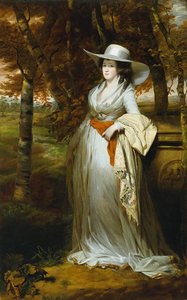
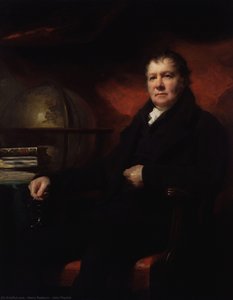
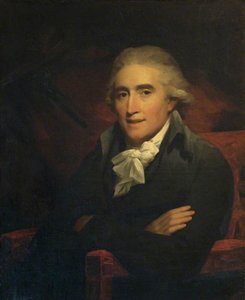
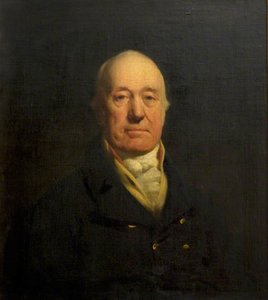
Artist Biography
A Legacy of Lineage: The Early Life of Henry Raeburn Dobson
The story of Henry Raeburn Dobson is one deeply intertwined with the very fabric of Scottish artistic heritage. Born in 1901, Dobson did not merely enter the world of art; he was born into a lineage that breathed it. His roots can be traced back to the storied town of Kirkcudbright, a place steeped in the traditions of itinerant painters and industrious wool merchants. This familial connection provided a foundation of creative DNA, though it was often shadowed by the complexities of economic struggle. His father, Henry John Dobson, had famously abandoned the family’s mercantile pursuits to chase the ephemeral dream of artistic mastery, a decision that left a profound, if bittersweet, imprint on the young Dobson’s development.
Growing up amidst the tension between financial hardship and creative passion, Dobson learned early on that art was both a calling and a challenge. The shadows of his father's struggles served as a silent motivator, driving him to refine a craft that could bridge the gap between the modest circumstances of his birth and the prestigious circles of the Edinburgh art scene. This period of his life was characterized by a quiet determination to honor his ancestors while forging a distinct identity within the rigorous traditions of Scottish painting.
Mastery of Form: Influences and Artistic Development
Dobson’s technical evolution was shaped by the mentorship of some of Scotland's most formidable painters. Under the watchful eyes of masters such as Thomas Faed, Henry Wright Kerr, and David Wilkie, he absorbed a diverse palette of stylistic sensibilities. From Faed, he inherited a devotion to meticulous realism, learning how to capture the minute textures of skin, fabric, and light. From Kerr, he drew inspiration for his expressive approach to landscapes, discovering how to imbue nature with emotional resonance. The influence of Wilkie is perhaps most evident in Dobson's ability to weave narrative wit into his compositions, a skill that allowed him to transcend mere representation.
As his style matured, Dobson became a master of the genre tradition, blending the observational precision of his teachers with a personal vision that felt uniquely contemporary to his era. His work began to reflect a deep appreciation for the dignity of Scottish life. Whether through the heavy, textured strokes of his oil portraits or the ethereal, translucent washes of his watercolors, Dobson sought to capture the soul of his subjects. His landscapes, predominantly executed in watercolor, stand as serene meditations on the natural beauty of Scotland, characterized by delicate brushwork and subtle tonal gradations that evoke a sense of profound tranquility.
The Portraitist’s Vision: Achievements and Lasting Significance
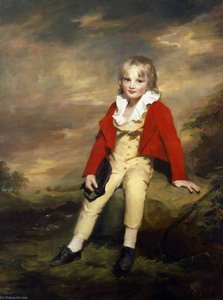
Throughout his career, Dobson achieved significant acclaim, becoming a sought-after figure for commissions from wealthy patrons who valued his ability to convey both status and character. His oeuvre is perhaps most celebrated for its masterful oil portraits, which serve as windows into the lives of the era's prominent individuals. In works such as Sir John Hay and Mrs Liddell, one observes a breathtaking command of light; he utilized a soft, diffused glow reminiscent of neoclassical painting to bathe his subjects in an aura of grace and permanence. Even in more intimate settings, such as his depiction of Boy and Rabbit, Dobson demonstrated an uncanny ability to capture tender, fleeting moments with lasting emotional weight.
The historical significance of Henry Raeburn Dobson lies in his role as a bridge between the classical traditions of the past and the evolving sensibilities of the twentieth century. He did not seek to rebel against the masters who preceded him, but rather to refine and carry their legacy forward into a new age. His ability to resonate with audiences across both Britain and America solidified his reputation as an artist of international reach. Today, his work remains a vital testament to the enduring power of Scottish portraiture and landscape painting, reminding us of a time when the brush was used to capture not just the likeness of a person, but the very essence of their spirit.
Henry Raeburn Dobson
1901 - 1985
Quick Facts
- Artistic Movement Or Style: Neoclassical
- Artists Who Influenced This Artist:
- Thomas Faed
- Henry Wright Kerr
- David Wilkie
- Date Of Birth: 1901
- Date Of Death: 1985
- Full Name: Henry Raeburn Dobson
- Nationality: Scottish
- Notable Artworks:
- Sir John Hay
- Mrs Liddell
- Boy and Rabbit
- Place Of Birth: Edinburgh, Scotland

