

 Preview
 Send
Send Share
Share
 Details

 Download
 Similars
 X-Ray
X-Ray Diaporama
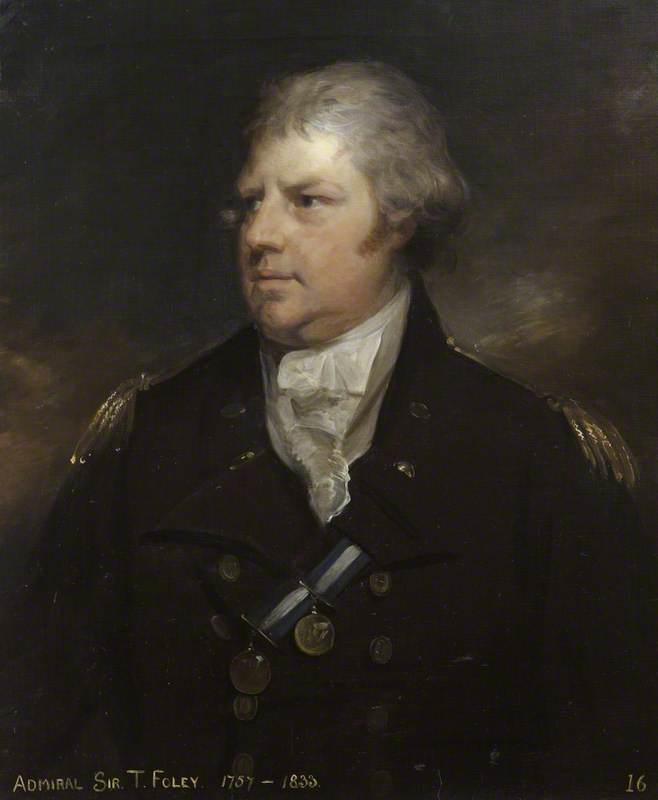
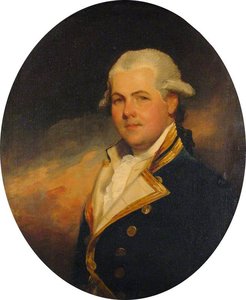
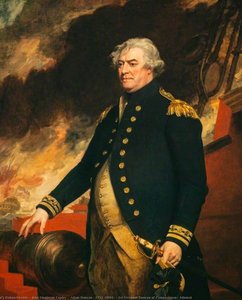
Admiral Sir Thomas Foley (1757–1833), GCB (after William Beechey)
 Oil On Canvas
- WallArt
- Neoclassicism
 74.0 x 61.0 cm
 Read More
Purchase a high-resolution, enhanced digital image, far superior to the online preview.
Each file is meticulously prepared by our in-house specialists using advanced tools and expert manual retouching. We ensure every image has exceptional clarity, precise color accuracy, and fine detail.
The final file is delivered via email within 72 hours, optimized for immediate use in professional, editorial, and print environments. This is the same quality trusted by top-tier design studios, publishers, and galleries.
Digital Image
Download a high-resolution file for personal display, printing, and creative projects. ( Buy Print Buy Hand Made Painting)
Included in Every Digital Image Order
Expert Digital Delivery, Guaranteed
When you choose ArtsDot.com, you're not just getting an image - you're receiving a professionally enhanced digital artwork, crafted with precision and backed by a satisfaction guarantee. Here's everything that comes with your order, automatically:

Fast Email Delivery
Your high-resolution digital image file will be emailed to you within 72 hours of ordering - ready for immediate use.

AI-Enhanced Digital File
Your artwork is professionally optimized using advanced AI tools and manual editing, ensuring maximum detail, clarity, and color accuracy.

Free Lifetime Re-Delivery
Accidentally deleted or lost your file? No worries - we'll resend it to you anytime, free of charge.

No Import Fees - Ever
Enjoy your artwork instantly with zero customs, duties, or delivery fees - digital downloads are always tax-free.

Color Accuracy Guarantee
We ensure your digital image reflects the original colors as closely as possible using professional tools and color management.

60-Day Satisfaction Guarantee
If you're not satisfied with your digital image, we'll revise it or refund 100% within 60 days - no questions asked.

100% Money-Back Guarantee
Not satisfied? Get a full refund within 60 days of receiving your digital file - no questions asked.

Bulk Order Discounts
Buy 3 images, save 10% - Buy 5, save 15% - Buy 10+, save 20%. Great for creative projects, galleries, and agencies.
A Portrait Steeped in Victorian Dignity: Henry Weigall’s Reverie of Admiral Sir Thomas Foley
Henry Weigall's depiction of Admiral Sir Thomas Foley stands as a testament to the artistic sensibilities of the Victorian era, capturing not merely likeness but also an essence of noble character and naval prestige. Executed after William Beechey, this oil painting on canvas transcends mere representation; it’s imbued with stylistic nuances that speak volumes about Neoclassical influences blended with Romantic fervor—a duality reflected in its dramatic lighting and focused gaze upon the subject's face.- Historical Context: The Battle of Trafalgar (1805) had solidified Britain’s dominance at sea, shaping perceptions of heroism and leadership. Foley’s service during this pivotal moment cemented his reputation as “Hero of the Battle of the Nile,” a distinction subtly conveyed through the inclusion of medals adorning his uniform—symbols of accomplishment and rank that underscore the grandeur of Victorian ambition.
- Style & Technique: Weigall skillfully employs tonal harmony, characteristic of Academic painting, to achieve remarkable realism. Layers of glazing contribute depth and luminosity, particularly noticeable on Foley’s coat fabric and wig, demonstrating meticulous attention to detail—a hallmark of his artistic approach. The one-point perspective draws the viewer's eye directly to Foley’s visage, emphasizing his dignified expression.
- Composition & Symbolism: Centered around Foley’s figure, the portrait utilizes vertical framing to accentuate his stature and convey a sense of solemn authority. The careful rendering of folds in the coat and hair reflects an understanding of sculptural principles—a deliberate choice that elevates the image beyond mere visual depiction.
- Color Palette & Texture: Dominated by muted browns, grays, and whites, the color palette aligns with prevailing artistic conventions of the period. The textured surface achieved through brushwork suggests both precision and expressive handling, conveying a palpable sense of materiality—a deliberate aesthetic decision that enhances the painting’s emotional impact.
- Emotional Resonance: Beyond capturing Foley's physical appearance, Weigall succeeds in portraying his inner fortitude and noble bearing. The portrait evokes admiration for courage, duty, and unwavering commitment to service—qualities celebrated throughout Victorian society.
Artist’s Biography & Influences
Henry Weigall (1829–1925) emerged as a prominent figure in American art history, establishing himself as a master of portraiture during the Victorian period. Initially trained in London under Thomas Webster, he absorbed influences from Academic painting and honed techniques prioritizing realism and tonal harmony—a stylistic hallmark that distinguishes his oeuvre. His extensive artistic career spanned decades, producing a diverse body of work encompassing landscapes, genre scenes, and above all, portraits commemorating influential individuals who shaped the cultural landscape of his time.Detailed Examination of Technique
Weigall’s masterful execution reveals an astute understanding of oil painting principles. The layering of glazes—a technique favored during this era—creates depth and luminosity, enriching the color palette and enhancing textural qualities. Modeling forms through shading—another cornerstone of his artistic practice—further contributes to the illusion of three-dimensionality, capturing subtle nuances of light and shadow that imbue the portrait with palpable realism.Concluding Reflections: Legacy & Artistic Significance
Henry Weigall’s portrait of Admiral Sir Thomas Foley remains a compelling exemplar of Victorian artistic achievement. Its enduring appeal lies not only in its meticulous depiction of a historical figure but also in its ability to convey profound emotional resonance—a testament to Weigall's skill as an artist and his capacity to capture the spirit of an era defined by noble ideals and unwavering courage. It serves as an inspiring reminder that art can transcend mere visual representation, communicating timeless values and fostering appreciation for artistic excellence.Related Artworks


Artist Biography
The Master of Victorian Elegance: The Life and Legacy of Henry Weigall
In the grand tapestry of nineteenth-century art, few threads possess the refined texture and dignified grace found in the works of Henry Weigall. Born in Philadelphia in 1829, Weigall emerged as a painter who could seamlessly bridge the gap between the rigorous traditions of European Academicism and the burgeoning spirit of American identity. His journey was one of transatlantic movement, beginning with formative years spent in the heart of London’s artistic circles. Under the tutelage of the esteemed Thomas Webster, Weigall absorbed the essential principles of classical realism, learning to manipulate light and shadow to breathe life into his subjects. This early training instilled in him a profound respect for tonal harmony and a disciplined approach to composition that would become the hallmark of his enduring career.
Upon his return to the United States, Weigall’s artistic evolution took on a dual nature. While he found deep inspiration in the sprawling beauty of the American landscape—utilizing atmospheric perspective and subtle, emotive color palettes to capture the quiet majesty of the countryside—it was within the intimate confines of portraiture that he truly found his voice. He possessed a rare, almost intuitive ability to look beyond the surface of a sitter, seeking to capture not just a physical likeness, but the psychological depth and social standing of his subjects. His canvases became windows into the Victorian era, documenting the faces of industrialists, diplomats, and literary luminaries with a level of precision that commanded respect across the Atlantic.
Technique, Light, and the Art of the Portrait
The brilliance of Weigall’s technique lies in his masterful command of tonal gradation. He did not merely apply paint; he sculpted light. By meticulously blending subtle shifts in shade, he achieved a luminous quality that gave his portraits an almost three-dimensional presence. This mastery of light allowed him to create depth within the folds of heavy Victorian fabrics and to render the soft glow of skin with breathtaking realism. His compositions often favored a dignified, frontal approach, which lent his subjects an air of permanence and composure. Yet, beneath this formal exterior, there is always a subtle hint of nuance—a slight tilt of the head or a particular glint in the eye—that suggests the complex inner lives of those he painted.
One of his most captivating achievements can be seen in his depictions of the era's social elite, such as his 1878 portrait of Mary Dickinson, the 6th Viscountess Clifden. In this work, Weigall demonstrates his ability to marry classical realism with an evocative sense of elegance. The painting serves as a testament to his skill in capturing both the material splendor of the age and the quiet, aristocratic grace of the individual. Through such works, Weigall did more than record history; he elevated it, turning the portraits of his contemporaries into timeless icons of cultural heritage.
Historical Significance and Artistic Heritage
As the nineteenth century transitioned into the twentieth, Weigall’s work remained a steadfast anchor to the values of classical beauty and technical excellence. While art movements began to shift toward more experimental and abstract forms, Weigall’s commitment to realism provided a vital link to the traditions of the past. His legacy is not merely found in the museums that house his paintings, but in the way he captured the very soul of an era. He documented a period of immense social and industrial transformation through the eyes of those who lived it, providing a visual record of the dignity and complexity of the Victorian age.
Today, the works of Henry Weigall continue to resonate with collectors and art historians alike. His ability to harmonize technical precision with emotional resonance ensures that his portraits remain much more than historical artifacts; they are living breathing encounters with the past. To study Weigall is to understand the intersection of American ambition and European refinement, a period where art served as both a mirror to society and a monument to the human spirit.
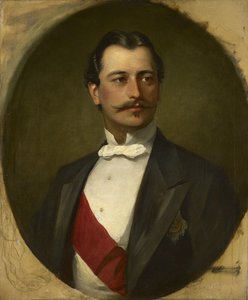
henry weigall
1829 - 1925
Quick Facts
- Artistic Movement Or Style: Academic Realism
- Artists Or Movements Influenced By This Artist:
- Victorian Art Style
- Portrait Painting
- Artists Who Influenced This Artist:
- Henry Raeburn
- Jean-Auguste Dominique Ingres
- Date Of Birth: 1829
- Date Of Death: 1925
- Full Name: Henry Weigall
- Nationality: British
- Notable Artworks:
- Sandwich Quarter Sessions, 1898
- Mary Dickinson (1853–1921), 6th Viscountess Clifden
- Alda Gertrude Lethbridge (1836–1906), Mrs Henry William Purcell Weston
- Place Of Birth: London, England

