 Preview
 Send
Send Share
Share
 Details

 Download
 Similars
 X-Ray
X-Ray Diaporama
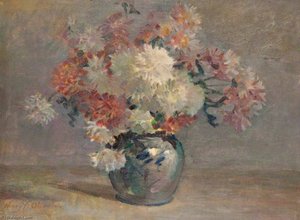
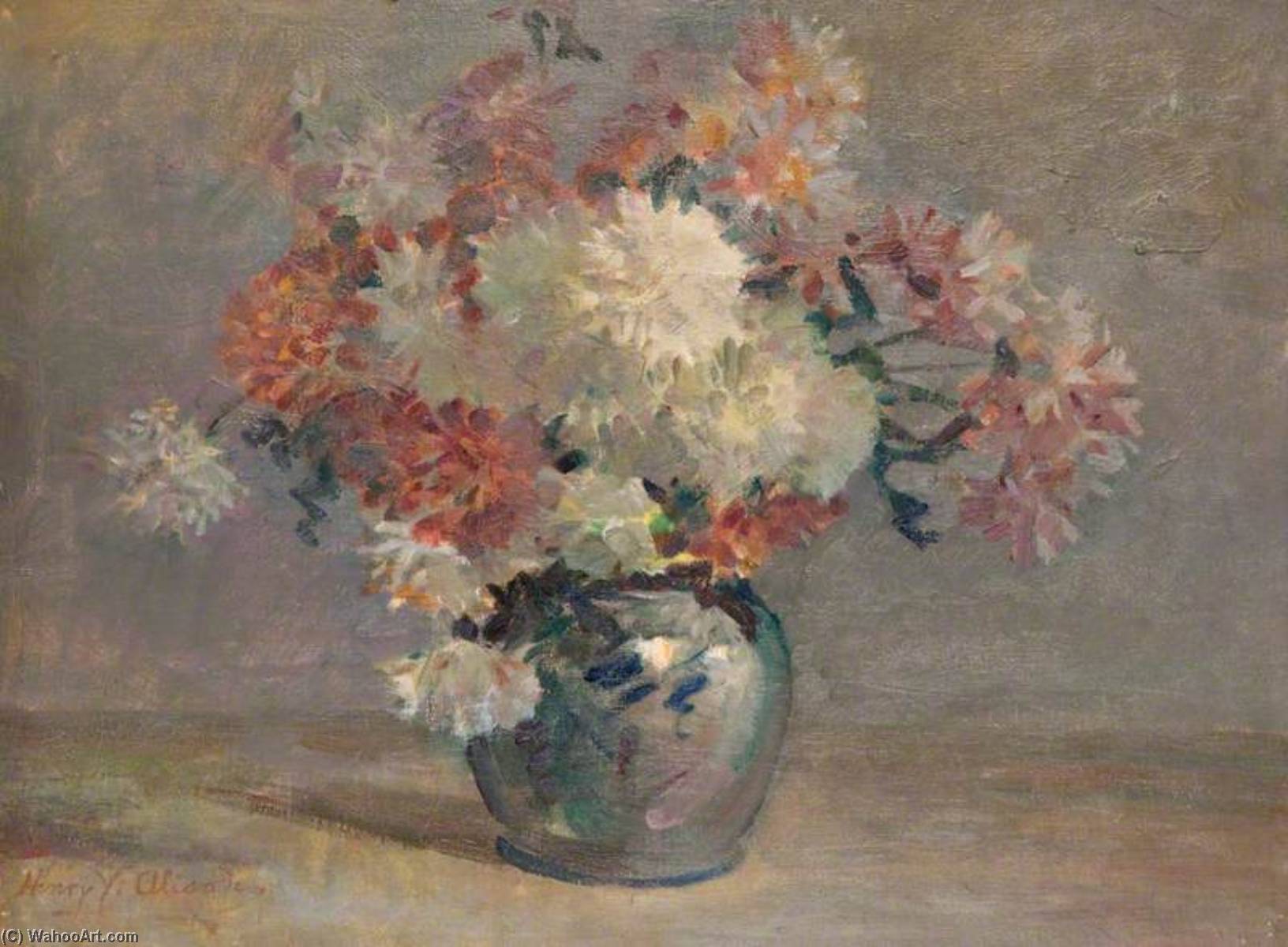
Vase of Flowers
 46.0 x 61.0 cm
 Read More
Hand Made Oil Reproduction
Hand-painted oil on canvas in your size and frame, made to order by our artists. ( Buy Print Buy Image)




































Pick from our preset sizes that match the artwork's original proportions.

You may enter your own dimensions to fit a specific frame or space. If your selected size does not match the original image's proportions, we will either crop the artwork or extend the painting with additional hand-painted elements. A digital mockup will be sent for your approval before production begins.
Please note that the on-screen preview does not reflect the actual cropping or extension. Only the mockup will accurately show the final composition.
While custom sizes are available, we recommend selecting a dimension from the predefined list to preserve the original proportions.
After order, ArtsDot.com team will email client for instructions and provide a mockup preview
Worldwide Delivery () in 3/4 weeks instead of standard 5 weeks. (24 August). No compromise on quality.

Free Worldwide Express Shipping

High-Quality Linen Canvas

Full Shipping Insurance

Customs Tax Refund Guarantee

True Color Matching Guarantee

60-Day Return Policy (Defects Only)

100% Money-Back Guarantee

Bulk Discount Offer
 Glass option is only available in size under 110 CM

Vase of Flowers
Reproduction Medium
Reproduction Size
-


Total Price
$ 263
Related Artworks










Artist Biography
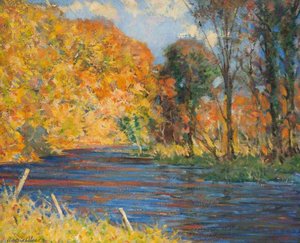
Henry Young Alison (1889–1972): A Highland Visionary
Henry Young Alison was born in Hitchin, Hertfordshire, England, on October 7th, 1889, into a family steeped in musical tradition. His father, William Alison, was a renowned violinist and music teacher, fostering an early passion for instrumental performance that would profoundly shape Alison’s artistic trajectory. From a young age, he demonstrated exceptional talent, mastering the trumpet with remarkable speed and precision – skills that would later become central to his distinctive style as a painter. Alison pursued formal art education at Slade School of Fine Art in London from 1908 to 1912, immersing himself in Impressionist techniques championed by artists like Claude Monet and Pierre Renoir. This formative period instilled within him an appreciation for capturing fleeting moments of light and color, influencing his approach to landscape painting and establishing a core aesthetic principle. He continued his studies at the Royal College of Art from 1912 to 1914, honing his skills in draughtsmanship and exploring tonal variations – elements that would contribute to the depth and atmosphere characteristic of his compositions. Alison’s artistic output primarily focused on Scottish landscapes and portraits, particularly those depicting Highland scenes and families. He possessed an uncanny ability to convey the rugged beauty of Scotland's mountainous terrain and the warmth of familial bonds with remarkable sensitivity. His canvases pulsated with vibrant hues—deep greens, blues, and browns—reflecting the dramatic interplay of light and shadow that defines the Highlands. Alison meticulously observed nature’s subtleties, striving to capture not merely what he saw but also how it felt – a testament to his profound connection with the environment and his artistic empathy. Alison's technique involved layering thin glazes of oil paint onto toned canvases, creating luminous surfaces that seemed to shimmer with reflected light. He skillfully utilized impasto—thickly applied paint—to sculpt textural nuances into his landscapes, emphasizing the rugged contours of mountainsides and heather moorlands. Furthermore, Alison’s portraits were distinguished by their psychological depth; he captured not just physical likeness but also subtle expressions of emotion, conveying a sense of intimacy and understanding that resonated with viewers. His masterful handling of light and color—combined with meticulous attention to detail—established him as one of the foremost Scottish landscape painters of his era. Alison’s legacy extends beyond his individual artworks; he served as an influential teacher at Glasgow School of Art from 1920 until his retirement in 1968, nurturing generations of aspiring artists and disseminating his artistic vision. He championed a humanist aesthetic rooted in observation and empathy—values that continue to inspire contemporary painters today. Henry Young Alison died peacefully in Edinburgh on December 3rd, 1972, leaving behind a rich body of work that embodies the spirit of Victorian Impressionism and celebrates the enduring beauty of Scotland’s Highland heritage. His paintings remain treasured examples of British art history, offering glimpses into a bygone era and reminding us of the transformative power of artistic contemplation.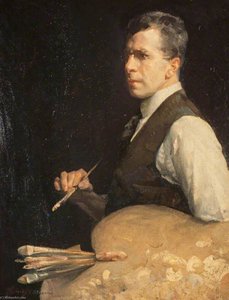
henry young alison
1889 - 1972
Quick Facts
- Artistic Movement Or Style: Impressionism
- Artists Or Movements Influenced By This Artist: ['British Impressionism']
- Artists Who Influenced This Artist: ['Claude Monet']
- Date Of Birth: 1889
- Date Of Death: 1972
- Full Name: Henry Young Alison
- Nationality: British
- Notable Artworks: ['Seascape with Breaking Waves']
- Place Of Birth: Scottish Highlands