 Preview
 Send
Send Share
Share
 Details

 Download
 Similars
 X-Ray
X-Ray Diaporama
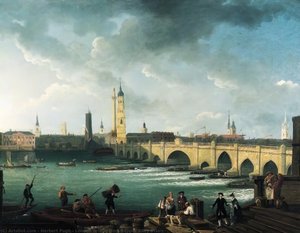
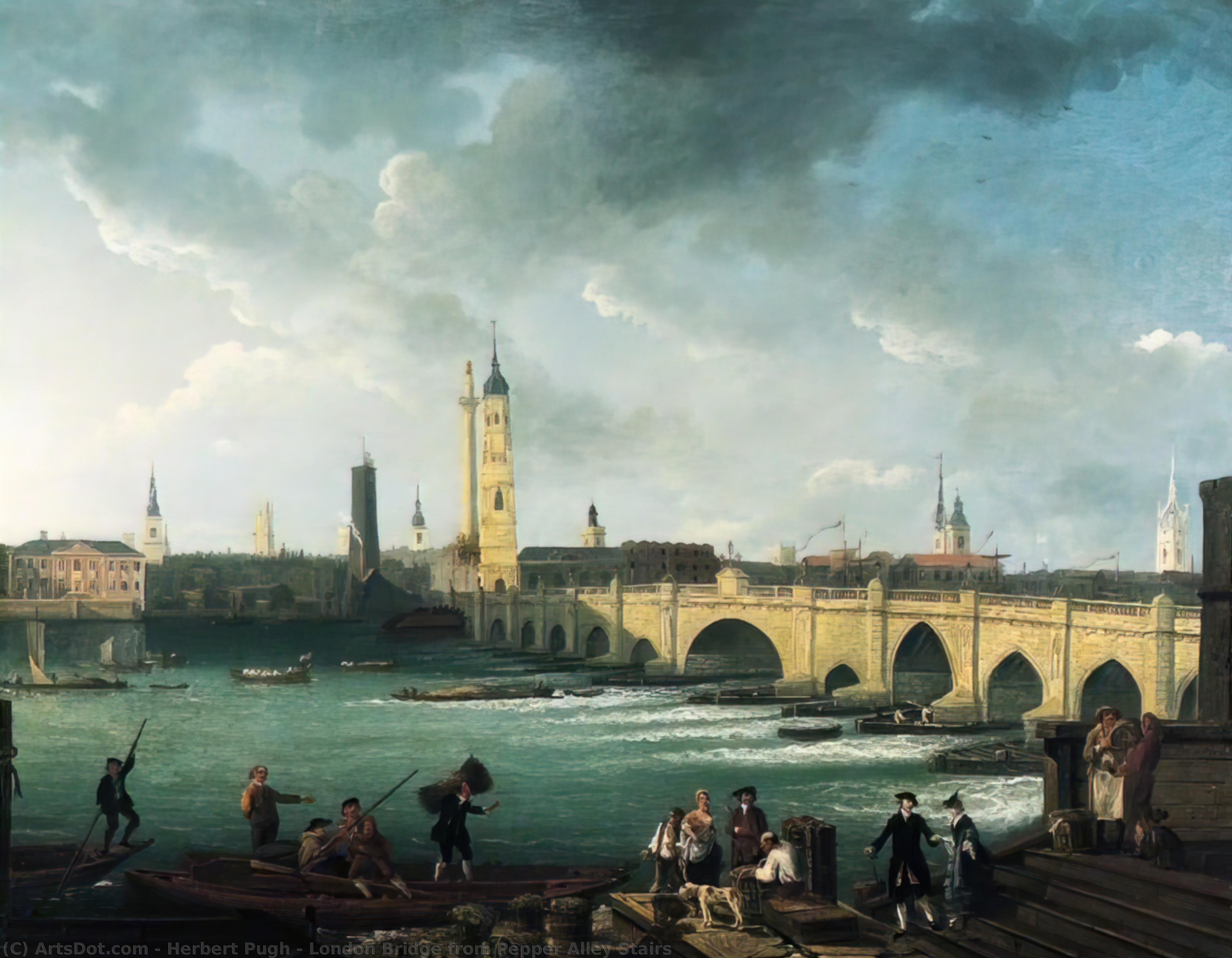
London Bridge from Pepper Alley Stairs
 98.0 x 123.0 cm
 Read More
Hand Made Oil Reproduction
Hand-painted oil on canvas in your size and frame, made to order by our artists. ( Buy Print Buy Image)




































Pick from our preset sizes that match the artwork's original proportions.

You may enter your own dimensions to fit a specific frame or space. If your selected size does not match the original image's proportions, we will either crop the artwork or extend the painting with additional hand-painted elements. A digital mockup will be sent for your approval before production begins.
Please note that the on-screen preview does not reflect the actual cropping or extension. Only the mockup will accurately show the final composition.
While custom sizes are available, we recommend selecting a dimension from the predefined list to preserve the original proportions.
After order, ArtsDot.com team will email client for instructions and provide a mockup preview
Worldwide Delivery () in 3/4 weeks instead of standard 5 weeks. (22 August). No compromise on quality.

Free Worldwide Express Shipping

High-Quality Linen Canvas

Full Shipping Insurance

Customs Tax Refund Guarantee

True Color Matching Guarantee

60-Day Return Policy (Defects Only)

100% Money-Back Guarantee

Bulk Discount Offer
 Glass option is only available in size under 110 CM

London Bridge from Pepper Alley Stairs
Reproduction Medium
Reproduction Size
-


Total Price
$ 263
Related Artworks








Artist Biography
Herbert Pugh (1758–1788): Painter of Welsh Landscapes and London’s Atmospheric Views
Herbert Pugh was an Irish landscape painter who emerged onto the British art scene in the mid-18th century, establishing himself as a prominent figure in the burgeoning Romantic movement. Born around 1758 in Ireland, Pugh's artistic journey began with formative experiences rooted in his homeland before he relocated to London, where he cultivated his distinctive style and gained recognition for capturing the beauty of Welsh scenery alongside evocative depictions of urban life. His tragically premature death in 1788 left behind a legacy of paintings that continue to fascinate scholars and collectors alike.Early Life and Artistic Training
Information about Pugh’s early life remains scarce, reflecting the limitations of biographical records from his era. However, it is known that he arrived in London around 1758, immersing himself in the vibrant artistic milieu of Covent Garden. This period proved crucial for honing his skills and absorbing influences from established artists like William Hogarth, whose theatrical compositions championed realism and social commentary—a stylistic approach Pugh would subtly adopt throughout his career. While formal training details are elusive, Pugh’s talent was evident early on, propelling him toward participation in the inaugural exhibition of the Society of Artists in 1760.Notable Works and Artistic Style
Pugh's artistic output consisted primarily of landscape paintings—primarily Welsh scenes—characterized by a masterful blend of observation and imagination. His canvases frequently showcased dramatic skies, rugged mountainsides, and tranquil valleys bathed in soft light, capturing the essence of Wales’s unspoiled wilderness. He skillfully employed atmospheric perspective—a technique pioneered by Claude Lorrain—to convey depth and mood, creating immersive vistas that transported viewers to the heart of Snowdonia and other Welsh locales. Furthermore, Pugh experimented with Hogarthian theatricality, incorporating figures into his landscapes to heighten emotional impact and explore themes of human interaction within natural environments. His “The Italian and British Quack Doctors” exemplifies this stylistic fusion, presenting a scene of medical consultation against a backdrop of misty hills—a testament to Pugh’s ability to synthesize artistic traditions.Society Membership and Exhibitions
Pugh's commitment to artistic excellence was underscored by his membership in the Society of Artists and its successor, the Incorporated Society of Artists. From 1765 until 1776 he actively participated in exhibitions organized by these influential bodies, showcasing approximately forty-five paintings—primarily landscapes—that garnered considerable acclaim. These exhibitions served as platforms for disseminating Pugh’s artistic vision and establishing his reputation within the British art community. The Society's emphasis on realism and compositional innovation aligned perfectly with Pugh’s aesthetic sensibilities, fostering a collaborative environment that nurtured his creative development.Legacy and Historical Significance
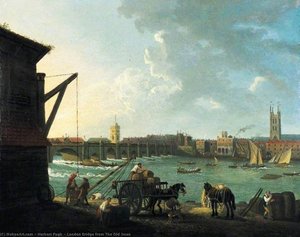
Herbert Pugh’s contribution to 18th-century landscape painting is notable not only for its stylistic sophistication but also for its embodiment of Romantic ideals—a movement characterized by an appreciation for sublime beauty and an exploration of the emotional power of nature. His paintings resonate with a sense of wonder and contemplation, reflecting the burgeoning interest in scientific observation alongside artistic expression during this transformative period. Pugh’s enduring influence can be seen in subsequent generations of landscape artists who sought to emulate his masterful use of atmospheric perspective and dramatic composition. Moreover, his work—particularly “London Bridge from The Old Swan”—remains a captivating visual record of London's urban landscape during the Georgian era, offering insights into the social and cultural milieu of the time. His legacy continues to inspire admiration for Pugh’s artistic prowess and his unwavering dedication to capturing the sublime grandeur of Welsh and British landscapes.
herbert pugh
1758 - 1788
Quick Facts
- Artistic Movement Or Style: Congregational Church Minister
- Date Of Birth: November 2, 1898
- Date Of Death: July 5, 1941
- Full Name: Herbert Cecil Pugh
- Nationality: British
- Notable Artworks: ['Landscape with Cattle']
- Place Of Birth: Johannesburg, South Africa