 Preview
 Send
Send Share
Share
 Details

 Download
 Similars
 X-Ray
X-Ray Diaporama
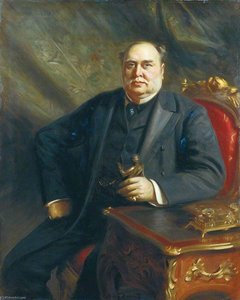
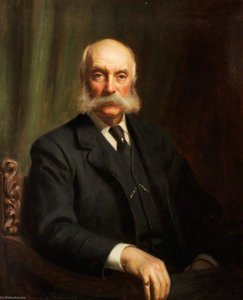
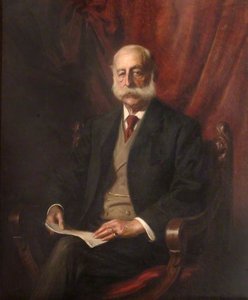
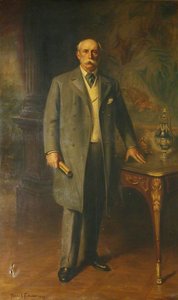
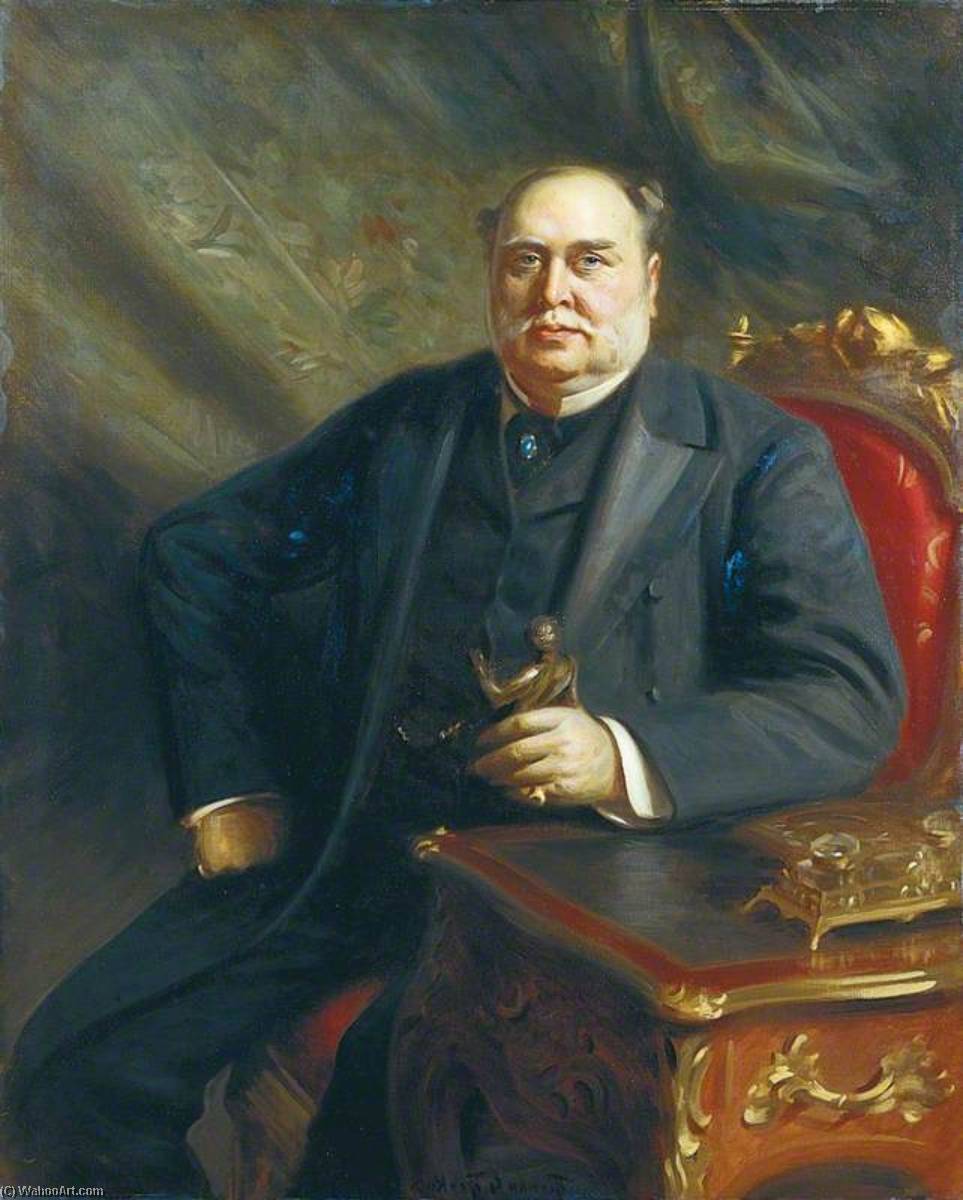
Sir John Murray Scott (1847–1912)
 1909
1909 127.0 x 102.0 cm
 The Wallace Collection
 Read More
Hand Made Oil Reproduction
Hand-painted oil on canvas in your size and frame, made to order by our artists. ( Buy Print Buy Image)




































Pick from our preset sizes that match the artwork's original proportions.

You may enter your own dimensions to fit a specific frame or space. If your selected size does not match the original image's proportions, we will either crop the artwork or extend the painting with additional hand-painted elements. A digital mockup will be sent for your approval before production begins.
Please note that the on-screen preview does not reflect the actual cropping or extension. Only the mockup will accurately show the final composition.
While custom sizes are available, we recommend selecting a dimension from the predefined list to preserve the original proportions.
After order, ArtsDot.com team will email client for instructions and provide a mockup preview
Worldwide Delivery () in 3/4 weeks instead of standard 5 weeks. (17 August). No compromise on quality.

Free Worldwide Express Shipping

High-Quality Linen Canvas

Full Shipping Insurance

Customs Tax Refund Guarantee

True Color Matching Guarantee

60-Day Return Policy (Defects Only)

100% Money-Back Guarantee

Bulk Discount Offer
 Glass option is only available in size under 110 CM

Sir John Murray Scott (1847–1912)
Reproduction Medium
Reproduction Size
-


Total Price
$ 263
Related Artworks
Artist Biography
Herman Herkomer: A Victorian Visionary
Herman Ottó Herkomer (1863 – 1935) was a Hungarian-born British artist who achieved international acclaim for his distinctive portraits and landscapes, particularly those depicting rural life in England. Born in Budapest to Hungarian parents, he emigrated to Britain at the age of eighteen, establishing himself as a prolific painter and illustrator with an unwavering dedication to capturing the beauty and character of the Victorian era. His artistic style—characterized by bold brushstrokes, dramatic chiaroscuro, and a masterful use of impasto—became instantly recognizable and cemented his place among the leading artists of his time.Early Life & Artistic Training
Herkomer’s formative years were spent in Budapest where he received a rigorous classical education focusing on drawing and painting. Recognizing his talent early on, his father encouraged him to pursue artistic endeavors, fostering an appreciation for observation and meticulous detail. He studied at the Kunstakademie Düsseldorf under Anton Melchers, absorbing influences from German Romanticism and Impressionism—a crucial step in shaping his future artistic vision. This exposure instilled in him a profound understanding of tonal painting and compositional techniques that would become hallmarks of his oeuvre.Victorian Landscape Painting & Portraiture
Herkomer’s breakthrough came with his depictions of the English countryside, specifically Norfolk and Suffolk. Unlike many landscape painters of his era who sought idealized vistas, Herkomer embraced realism, portraying scenes with unflinching honesty—warts and all—capturing the textures and moods of rural life with remarkable sensitivity. He meticulously rendered fields, barns, and cottages, employing a technique that combined Impressionistic brushwork with a deliberate emphasis on sculptural modeling – creating canvases imbued with palpable atmosphere. Simultaneously, he excelled as a portrait painter, producing striking likenesses of prominent figures from British society—aristocrats, writers, and artists alike. His portraits were renowned for their psychological depth and expressive quality, conveying not merely physical appearance but also inner character and emotion.Notable Works & Artistic Style
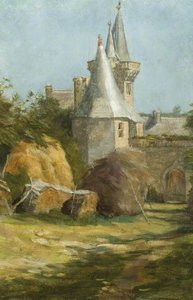
Among Herkomer’s most celebrated paintings include “Château Farmyard,” a whimsical depiction of a Norfolk farmhouse tower bathed in golden light—a testament to his Impressionistic sensibilities. The painting exemplifies his masterful use of impasto, layering thick brushstrokes to build up textural surfaces that evoke the warmth and vibrancy of the countryside. Furthermore, his portrait of Sir John Murray Scott showcases his exceptional skill in capturing subtle nuances of expression and conveying a profound sense of dignity. His portraits are distinguished by their dramatic chiaroscuro—the interplay of light and shadow—which enhances the psychological impact of each image. He consistently employed bold brushstrokes and sculptural modeling to achieve an unparalleled level of realism and emotional resonance.Influence & Legacy
Herkomer’s artistic vision profoundly influenced subsequent generations of painters, particularly those interested in capturing the spirit of rural England. His uncompromising commitment to observation and his innovative technique—combining Impressionistic brushwork with classical modeling—established him as a pioneer of British landscape painting and portraiture. Although he faced criticism during his lifetime for his unconventional style, Herkomer’s enduring legacy rests on the beauty and authenticity of his artwork—a timeless celebration of Victorian England and a testament to the power of artistic integrity. His paintings continue to inspire admiration and scholarly study today, securing his place as one of Britain's most important artists of the 19th century.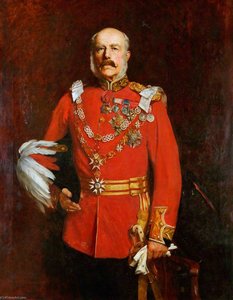
herman herkomer
1863 - 1935
Quick Facts
- Artistic Movement Or Style: Impressionism
- Artists Or Movements Influenced By This Artist: ['Romanticism']
- Artists Who Influenced This Artist: ['Arthur Walsh']
- Date Of Birth: 1863
- Date Of Death: 1935
- Full Name: Herman Ottó Herkomer
- Nationality: Hungarian
- Notable Artworks:
- Château Farmyard
- Sir John Murray Scott
- Place Of Birth: Budapest, Hungary