 Preview
 Send
Send Share
Share
 Details

 Download
 Similars
 X-Ray
X-Ray Diaporama
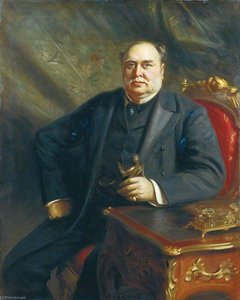
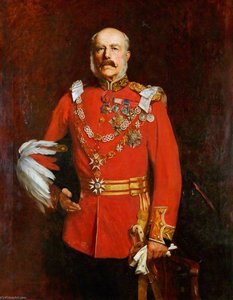
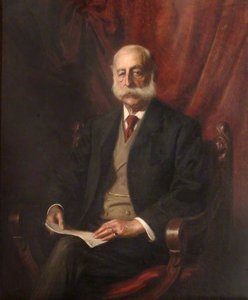
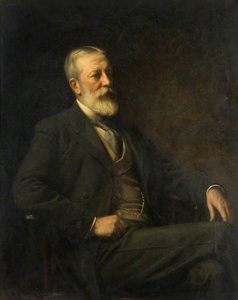
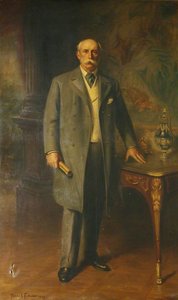
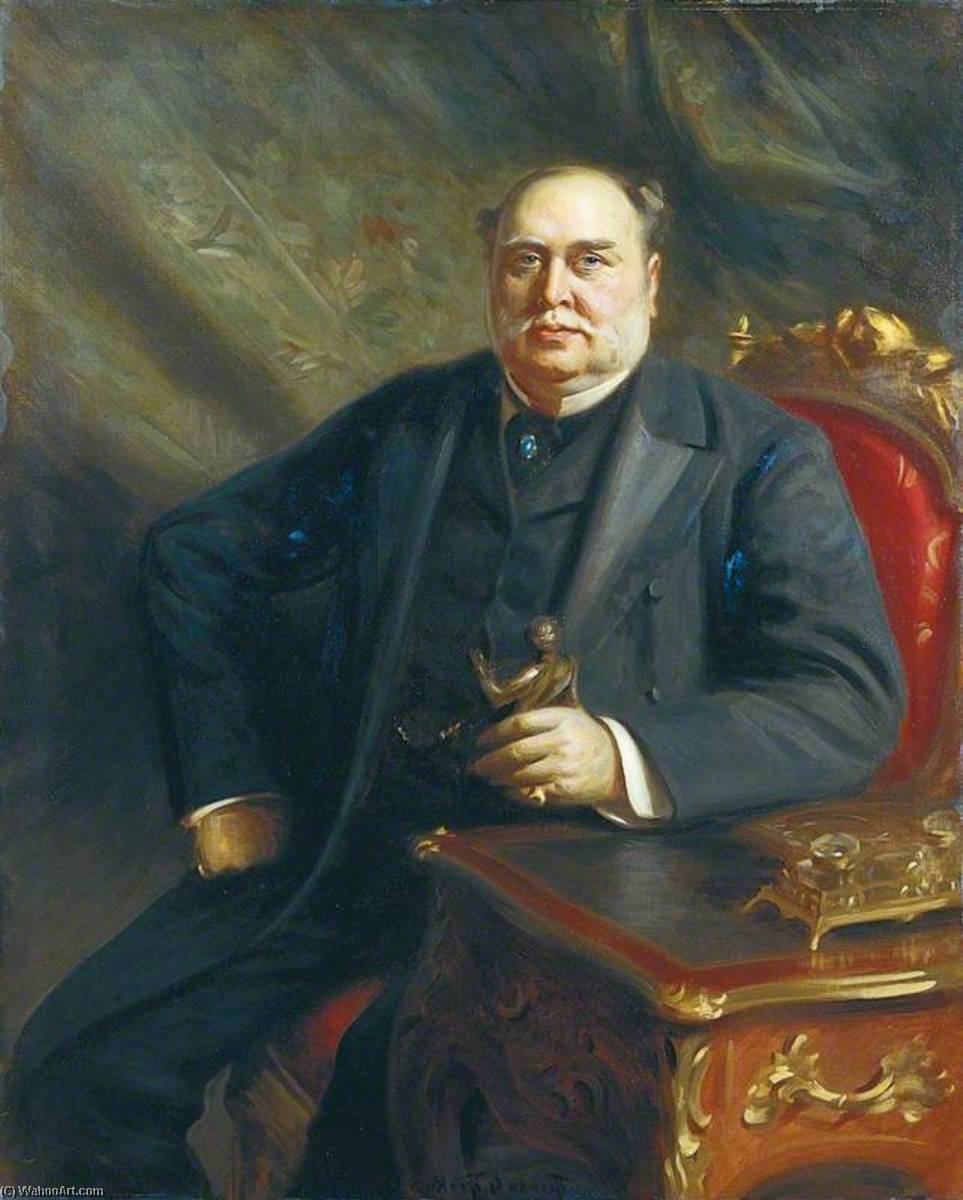
Sir John Murray Scott (1847–1912)
 1909
1909 127.0 x 102.0 cm
 The Wallace Collection
 Read More
Hand Made Oil Reproduction
Hand-painted oil on canvas in your size and frame, made to order by our artists. ( Buy Print Buy Image)




































Pick from our preset sizes that match the artwork's original proportions.

You may enter your own dimensions to fit a specific frame or space. If your selected size does not match the original image's proportions, we will either crop the artwork or extend the painting with additional hand-painted elements. A digital mockup will be sent for your approval before production begins.
Please note that the on-screen preview does not reflect the actual cropping or extension. Only the mockup will accurately show the final composition.
While custom sizes are available, we recommend selecting a dimension from the predefined list to preserve the original proportions.
After order, ArtsDot.com team will email client for instructions and provide a mockup preview
Worldwide Delivery () in 3/4 weeks instead of standard 5 weeks. (24 August). No compromise on quality.

Free Worldwide Express Shipping

High-Quality Linen Canvas

Full Shipping Insurance

Customs Tax Refund Guarantee

True Color Matching Guarantee

60-Day Return Policy (Defects Only)

100% Money-Back Guarantee

Bulk Discount Offer
 Glass option is only available in size under 110 CM

Sir John Murray Scott (1847–1912)
Reproduction Medium
Reproduction Size
-


Total Price
$ 263
Related Artworks







Artist Biography
The Visionary Brush of Herman Herkomer
Herman Ottó Herkomer, a name synonymous with the evocative textures of the Victorian era, remains a captivating figure in the annals of late 19th and early 20th-century art. Born in Budapest in 1863 to Hungarian parents, his journey was one of profound migration and artistic evolution. Moving to Britain at the age of eighteen, Herkomer did not merely adopt a new nationality; he adopted a new landscape that would become the soul of his work. He possessed an uncanny ability to weave the grit of reality with a romanticized sensibility, establishing himself as a prolific painter and illustrator whose dedication to capturing the fleeting beauty of rural life left an indelible mark on the British art scene.
His artistic foundation was built upon the rigorous classical traditions of his youth in Hungary, where he developed a meticulous eye for detail. However, it was his time at the Kunstakademie Düsseldorf under the guidance of Anton Melchers that truly ignited his creative spirit. Immersed in the currents of German Romanticism and the burgeoning influence of Impressionism, Herkomer learned to manipulate light and shadow with a dramatic flair. This period of intense study instilled in him a mastery of tonal painting and compositional depth, allowing him to move beyond simple representation toward a more atmospheric and sculptural way of seeing the world.
A Mastery of Light and Earth
Herkomer’s true breakthrough arrived through his intimate relationship with the English countryside. While many of his contemporaries sought to present idealized, pristine vistas, Herkomer turned his gaze toward the rugged, unvarnated beauty of Norfolk and Suffolk. He embraced a profound realism, portraying the textures of weathered barns, the dampness of fertile fields, and the humble dignity of cottages with an unflinching honesty. His technique was nothing short of visceral; he utilized bold brushstrokes and a masterful application of impasto to create canvases that felt physically present. Through his use of dramatic chiaroscuro, he could transform a simple farmyard into a stage of light and shadow, imbuing even the most mundane rural scenes with a sense of monumental importance.
This ability to find the extraordinary within the ordinary extended seamlessly into his portraiture. As a painter of the Victorian elite and common folk alike, he approached every subject with a unique psychological depth. His portraits were not merely likenesses but studies in character, often employing the same heavy textures and dramatic lighting found in his landscapes to sculpt the features of his sitters. Whether capturing the formal dignity of a nobleman or the weathered face of a laborer, Herkomer’s work resonated with a palpable sense of life and atmosphere.
Legacy of a Victorian Impressionist
The historical significance of Herman Herkomer lies in his role as a bridge between the rigid traditions of classical realism and the expressive freedom of modernism. He stood at a crossroads of art history, capable of honoring the meticulous detail of the past while experimenting with the light-drenched, textured approach of the Impressionists. His work serves as a vital visual record of a vanishing way of life, preserving the textures, moods, and social fabric of the English rural landscape during a period of immense industrial change.
Today, his legacy is cherished by those who appreciate the intersection of technical brilliance and emotional resonance. His contributions to the art of illustration and oil painting continue to inspire admiration for their:
- Unwavering Realism: A commitment to portraying the world with honesty and depth.
- Technical Innovation: The masterful use of impasto and chiaroscuro to create sculptural forms on canvas.
- Atmospheric Storytelling: An ability to capture the very essence and "mood" of a landscape or a human soul.
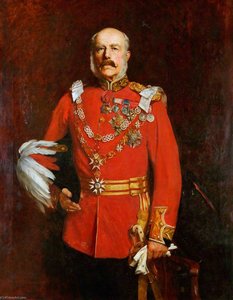
herman herkomer
1863 - 1935
Quick Facts
- Artistic Movement Or Style: Impressionism
- Artists Or Movements Influenced By This Artist: ['Romanticism']
- Artists Who Influenced This Artist: ['Arthur Walsh']
- Date Of Birth: 1863
- Date Of Death: 1935
- Full Name: Herman Ottó Herkomer
- Nationality: Hungarian
- Notable Artworks:
- Château Farmyard
- Sir John Murray Scott
- Place Of Birth: Budapest, Hungary