 Preview
 Send
Send Share
Share
 Details

 Download
 Similars
 X-Ray
X-Ray Diaporama
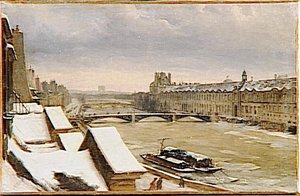
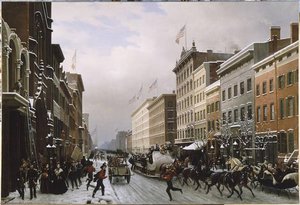
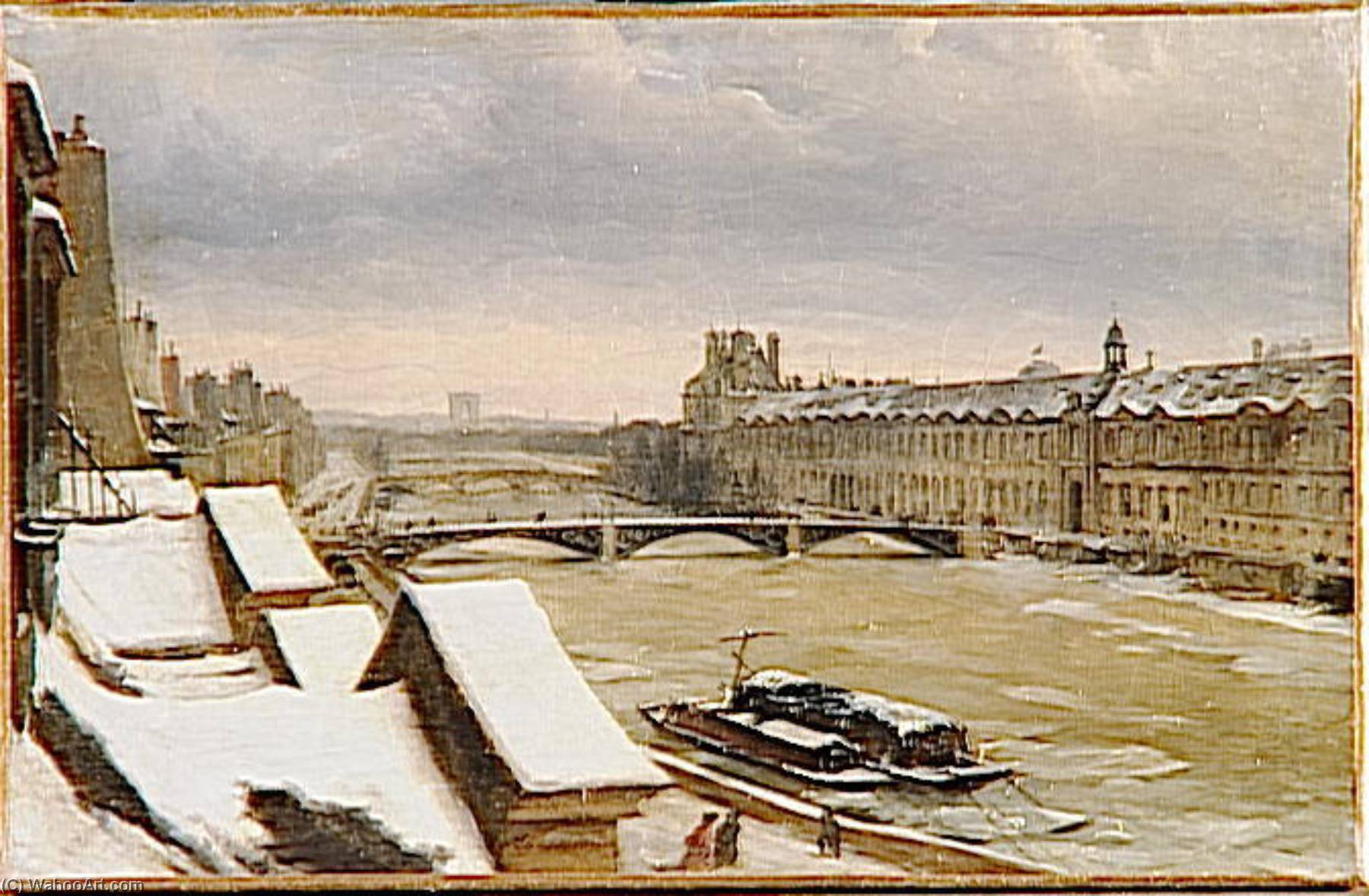
VUE DE LA GRANDE GALERIE DU LOUVRE


 Read More
Hand Made Oil Reproduction
Hand-painted oil on canvas in your size and frame, made to order by our artists. ( Buy Print Buy Image)




P118B $10

P118H $10

P118W $10

P438Z $10

P508JH $12

P508YH $12

P805H $10

P805Z $10

P919BZ $10

P919G $10

P919XJ $10

P959ZH $10

P968JZ $12

W106C $8

W218G $10

W218JH $8

W218Y $10

W307PJ $10

W316G $10

W316PJ $8

W316Y $10

W398PJ $8

W4111J $10

W500HY $15

W500JH $15

W692G $12

W849H $8

W940BG $15

W953PJ $8




Pick from our preset sizes that match the artwork's original proportions.

You may enter your own dimensions to fit a specific frame or space. If your selected size does not match the original image's proportions, we will either crop the artwork or extend the painting with additional hand-painted elements. A digital mockup will be sent for your approval before production begins.
Please note that the on-screen preview does not reflect the actual cropping or extension. Only the mockup will accurately show the final composition.
While custom sizes are available, we recommend selecting a dimension from the predefined list to preserve the original proportions.
After order, ArtsDot.com team will email client for instructions and provide a mockup preview
Worldwide Delivery () in 3/4 weeks instead of standard 5 weeks. (27 August). No compromise on quality.

Free Worldwide Express Shipping

High-Quality Linen Canvas

Full Shipping Insurance

Customs Tax Refund Guarantee

True Color Matching Guarantee

60-Day Return Policy (Defects Only)

100% Money-Back Guarantee

Bulk Discount Offer
 Glass option is only available in size under 110 CM

VUE DE LA GRANDE GALERIE DU LOUVRE
Reproduction Medium
Reproduction Size
-


Total Price
$ 288
A Winter Reverie at the Louvre
To gaze upon this depiction of the Grande Galerie du Louvre on a snowy day is to step into a moment suspended between memory and dream. The scene captures not merely an architectural vista, but a palpable atmosphere—the hushed grandeur that descends upon Paris when the world is muffled under a blanket of fresh snow. The composition draws the eye along the Seine, where the stately facade of the Louvre meets the reflective surface of the river. It is a study in muted tones, dominated by the cool grays, soft whites, and deep browns characteristic of an overcast winter sky. One can almost hear the silence, broken only by the gentle lapping of water against ancient stone.
Mastery of Light and Atmosphere
The artist’s handling of light is perhaps the most captivating element. Because the day is veiled by cloud cover, the illumination is diffused, bathing the entire scene in a soft, ethereal glow that eliminates harsh shadows. This technique allows the textures—the rough grain of snow-dusted rooftops, the solidity of the stone blocks, and the subtle ripples on the water—to emerge with delicate clarity. The painter has employed visible brushwork, characteristic of oil paint applied with thoughtful layering. These textural applications give the work a tangible depth, inviting the viewer to trace the artist's hand across the canvas, feeling the cool weight of the depicted winter air.
Architectural Echoes and Symbolism
Beyond the immediate beauty of the snowfall lies a deeper resonance with history. The Louvre itself stands as a monumental testament to human culture and enduring artistry. By framing this iconic structure within such a tranquil, almost melancholic setting, the painting suggests that even amidst the ceaseless flow of time—represented by the river and the passing seasons—there are moments of profound stillness. The reflection in the Seine acts as a visual echo, doubling the architecture and adding a layer of contemplative depth. It speaks to the enduring nature of beauty, capable of being found even in the quietude of winter.
A Timeless Piece for Contemplation
This artwork transcends simple landscape documentation; it is an emotional portrait painted with pigment. For those who appreciate the Romantic sensibility—the ability to find sublime feeling in everyday observation—this piece offers a perfect focal point. Whether adorning a grand hall, a library, or a private study, its sophisticated palette and narrative quietude lend an air of cultivated elegance. It serves as a visual balm, inviting moments of pause and reflection, making it a treasured acquisition for any connoisseur who values the poetry found within masterful technique.
Related Artworks
Artist Biography
Thomas Cole (1801–1848): Pioneer of the American Sublime
Born in Bolton-le-Moors, Lancashire, England, on February 1, 1801, Thomas Cole’s journey from a young engraver's apprentice to one of America’s most influential landscape painters is a testament to artistic vision and the burgeoning spirit of a new nation. His emigration to the United States in 1818, driven by family circumstances, marked the beginning of a career profoundly shaped by the American wilderness – a wilderness he would come to both celebrate and subtly critique through his evocative paintings. Cole’s early life instilled in him a meticulous eye for detail, honed during his apprenticeship, which he later applied with breathtaking precision to capturing the nuances of light, texture, and atmosphere within the natural world.
Initially working as a wood engraver in Philadelphia and then establishing a wallpaper manufacturing business in Steubenville, Ohio, Cole’s artistic ambitions soon superseded commercial pursuits. He received rudimentary instruction from an itinerant artist, sparking a passion for painting that quickly eclipsed his other endeavors. This nascent talent was recognized by Colonel John Trumbull, a prominent art collector and painter, who saw in Cole's early landscapes the potential to capture the unique character of American scenery – a quality largely overlooked by European artists at the time. Trumbull’s endorsement proved pivotal, opening doors to patronage and providing Cole with the crucial exposure he needed to establish himself as an artist.
The Hudson River School and Romantic Ideals
Cole's arrival in New York City in 1825 coincided with a burgeoning artistic movement known as the Hudson River School. This group of landscape painters, including Frederic Church, Asher B. Durand, and Samuel Morse, sought to depict the grandeur and beauty of America’s natural landscapes – from the towering peaks of the Adirondacks to the rolling hills of the Catskill Mountains. Influenced by European Romanticism, particularly the works of Caspar David Friedrich, the Hudson River School artists aimed to evoke a sense of awe and spiritual connection through their paintings. However, Cole distinguished himself by imbuing his landscapes with a distinctly American sensibility, moving beyond mere picturesque representation to explore themes of history, mythology, and morality.
Cole’s artistic development was significantly shaped by his travels up the Hudson River in 1825, an experience that profoundly impacted his approach to landscape painting. He meticulously sketched the dramatic vistas he encountered – the towering cliffs, the cascading waterfalls, and the vast expanse of the river itself – capturing not just the visual elements but also the atmospheric conditions and emotional resonance of these scenes. This trip became the foundation for his most celebrated series, *The Course of Empire*, a monumental work that allegorically depicted the rise and fall of civilizations through five interconnected landscapes.
Major Works and Artistic Techniques
Cole’s artistic output spanned a diverse range of subjects, including historical scenes, biblical narratives, and intimate portraits. However, his landscape paintings are undoubtedly his most enduring legacy. His masterful use of light and shadow, coupled with an acute awareness of color and texture, created images that were both visually stunning and emotionally evocative. Key works include *The Titan’s Goblet* (1833), a fantastical depiction inspired by the ruins of Rome, and *The Oxbow* (1836-37), a groundbreaking painting that captures the dramatic light and atmospheric conditions of the Catskill Mountains – a scene painted en plein air, directly from nature. *The Voyage of Life*, a four-part series depicting the stages of human existence, further demonstrates Cole’s ability to infuse his landscapes with symbolic meaning.
Cole's technique involved meticulous preparation and execution. He often created detailed studies in charcoal and watercolor before committing his paintings to canvas. His use of color was particularly noteworthy – he employed a muted palette dominated by earth tones, creating a sense of depth and atmosphere that was characteristic of the Hudson River School. Notably, *The Oxbow* is unique for its inclusion of the artist himself within the landscape, a self-reflexive gesture that highlights the role of the observer in shaping our perception of nature.
Legacy and Historical Significance
Thomas Cole’s influence on American art is immeasurable. He is widely considered the founder of the Hudson River School, establishing a new aesthetic standard for landscape painting in America. His paintings not only captured the beauty of the American wilderness but also explored profound philosophical and moral themes, reflecting the anxieties and aspirations of a nation grappling with its identity. Cole’s work anticipated the rise of conservationism by fostering an appreciation for the natural world and highlighting its intrinsic value.
Despite facing financial difficulties throughout his career, Cole remained committed to his artistic vision until his death on February 11, 1848, in Catskill, New York. His legacy continues to inspire artists and viewers alike, reminding us of the power of art to connect us with nature, history, and our own humanity. His paintings are now housed in major museums across the United States, ensuring that his contribution to American art will be celebrated for generations to come.
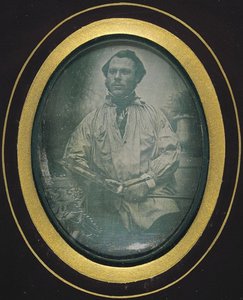
hippolyte victor valentin sebron
1801 - 1879
Quick Facts
- Artistic Movement Or Style: Hudson River School
- Artists Or Movements Influenced By This Artist: ['Hudson River School']
- Artists Who Influenced This Artist: ['Francis Wheatley']
- Date Of Birth: February 1, 1801
- Date Of Death: February 11, 1848
- Full Name: Thomas Cole
- Nationality: American
- Notable Artworks:
- The Titan's Goblet
- The Course of Empire
- The Oxbow
- The Voyage of Life
- Place Of Birth: Bolton-le-Moors, England
Related Articles

Romantic Landscapes: 10 Masterpieces for Your Home | ArtsDot
Journey through 10 Romantic landscape masterpieces by Friedrich, Turner & Cole. Explore emotional art, sublime nature scenes & iconic 19th-century paintings. Find museum-quality reproductions for your home at ArtsDot.com – discover the full collection online!

Evocations of Place: A Historical Journey Through Landscape Art
Explore the rich history of landscape art with ArtsDot. Discover renowned artists, movements like Impressionism & Romanticism, and expert guidance for collecting timeless pieces. Find your perfect serene escape today!
The Sublime and the Picturesque: Exploring Emotion & Nature in Romantic Landscape Painting
Explore the emotional power of Romantic landscape painting! Discover the sublime & picturesque traditions, key artists like Friedrich & Cole, and find your perfect artwork at ArtsDot.

John Constable's Masterpieces: Explore 25 Iconic Landscapes for Your Home
Journey through John Constable's 25 most celebrated landscapes. Explore Romanticism, Dedham Vale & his masterful use of light in iconic paintings like 'Hay Wain'. Find museum-quality art reproductions and elevate your home decor on ArtsDot.com.
Evocations of Place: A Historical Journey Through Landscape Art
Explore the rich history of landscape art with ArtsDot. Discover renowned artists, movements like Impressionism & tonalism, and expert guidance for collecting timeless pieces. Find your perfect serene escape today!