Introduction: The Rise of Feeling – Romanticism and a New Appreciation for Landscape
Romanticism (also known as the Romantic movement or Romantic era) was an artistic and intellectual movement that originated in Europe towards the end of the 18th century. The purpose of the movement was to advocate for the importance of subjectivity...
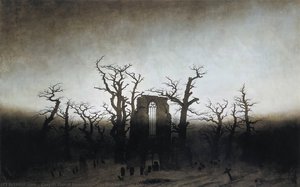
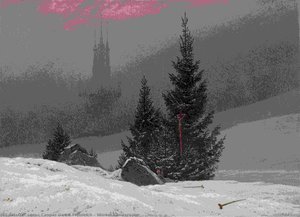
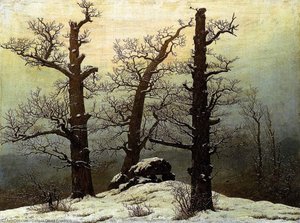
The late 18th and early 19th centuries witnessed a profound shift in artistic sensibilities, a move away from the Enlightenment’s emphasis on reason and order towards a celebration of emotion, imagination, and the untamed beauty of nature. This period, known as Romanticism, wasn't merely an aesthetic change; it was a fundamental re-evaluation of humanity’s place within the universe. For centuries, landscape had been relegated to the background – a scenic backdrop for historical or mythological narratives. Now, it surged into prominence, becoming not just *a* subject but often *the* subject itself. This elevation reflected a growing fascination with the power and mystery of the natural world, a yearning for spiritual connection beyond the confines of urban life and industrial progress. Artists began to explore landscapes as mirrors reflecting inner states, imbued with symbolism and charged with emotional resonance.
Defining the Sublime: Awe, Terror, and the Power of Nature
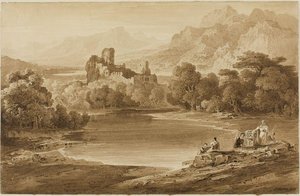 Landscape with a Ruined Castle
Experience John Martin’s 'Landscape with a Ruined Castle.' A dramatic Romantic masterpiece showcasing ruins & sublime landscapes. Hand-painted reproductions available.
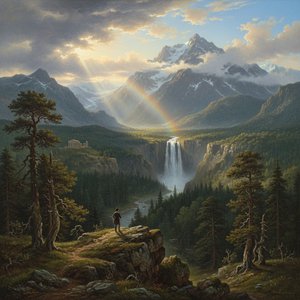
Central to understanding Romantic landscape painting is the concept of the “sublime.” Popularized by thinkers like Edmund Burke and Immanuel Kant, the sublime wasn’t simply about beauty; it encompassed a far more complex emotional experience. Burke argued that terror was at the heart of the sublime – an awe-inspiring dread evoked by vastness, power, and obscurity. Think of towering mountains, raging storms, or boundless oceans. These weren't pleasant scenes in the traditional sense; they were overwhelming, even frightening. Kant refined this idea, suggesting the sublime arose not from the external object itself but from our *response* to it – a recognition of nature’s power that simultaneously humbled and elevated us. This internal struggle, between feeling small and insignificant versus possessing the capacity for reason and contemplation, became a defining characteristic of Romantic art. Thomas Cole's “Landscape” (1830), with its dramatic monochrome depiction of mountains, perfectly embodies this sense of awe and the sublime’s inherent tension.
The Picturesque Ideal: Cultivating Beauty in the Untamed World
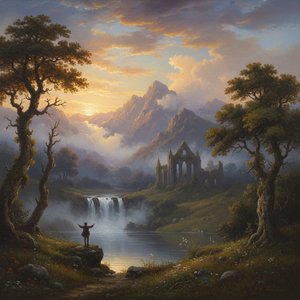
While the sublime focused on nature’s raw power, another strand within Romanticism – the picturesque – sought beauty in a more cultivated form. Inspired by 18th-century English garden design and travel writing, the picturesque celebrated scenes that appeared “naturally” beautiful but were often carefully arranged or subtly altered to evoke specific emotional responses. Ruins, winding rivers, charming cottages—these elements weren’t simply observed; they were *composed* to create a harmonious and pleasing aesthetic experience. However, even within this seemingly idyllic realm, there was an underlying awareness of time's passage and the fragility of human creations. John Martin’s “Landscape with a Ruined Castle” exemplifies this fascination with ruins as symbols of past glory and the inevitable decay of empires. The picturesque wasn’t about pristine wilderness; it was about finding beauty in the interplay between nature and human intervention, often tinged with melancholy.
Key Artists of the Movement: Friedrich, Cole, Martin & Beyond
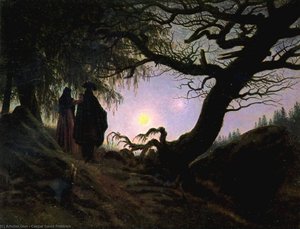
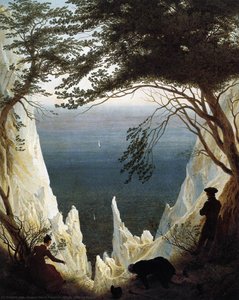
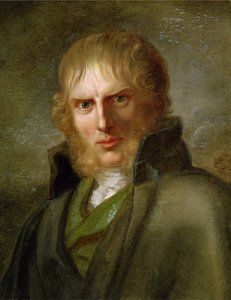 Caspar David Friedrich
Caspar David Friedrich (1774-1840): German Romantic painter of evocative landscapes & symbolic art exploring nature, spirituality & the sublime. Pioneer of the movement.
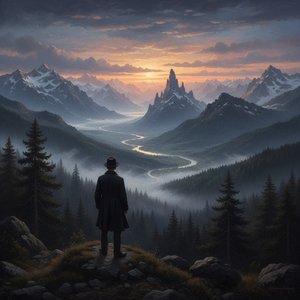
Several artists became synonymous with the Romantic landscape movement. Caspar David Friedrich, perhaps the most iconic figure, masterfully captured the spiritual dimension of nature in works like “Wanderer above the Sea of Fog.” His paintings often feature solitary figures contemplating vast landscapes, inviting viewers to share in their sense of introspection and awe. Across the Atlantic, Thomas Cole founded the Hudson River School, pioneering a distinctly American Romantic style that celebrated the grandeur of the New World’s wilderness. Cole's work emphasized the moral and spiritual significance of nature, warning against the dangers of unchecked industrialization. John Martin, though often working on a larger scale with more dramatic compositions, also explored themes of ruin and the sublime, creating powerful allegorical landscapes filled with architectural fragments and apocalyptic visions. Marianne North, while distinct in her approach, contributed to the Romantic spirit through her detailed botanical paintings documenting her travels around the globe, showcasing nature’s diversity and fragility.
Techniques and Themes: Brushwork, Composition, and Symbolic Meaning
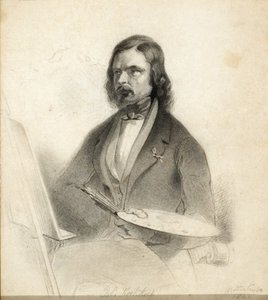 Barend Cornelis Koekkoek
Discover Barend Cornelis Koekkoek (1803-1862), the 'Prince of Landscape Painting.' Explore his evocative Dutch Romantic landscapes & influential role in Cleves Romanticism, known for detailed nature studies.
Romantic landscape painters employed a range of techniques to convey their emotional vision. Loose brushwork was common, creating atmospheric effects and emphasizing the subjective experience of seeing. Artists often used dramatic lighting – sunsets, moonlit nights, stormy skies – to heighten the sense of emotion and symbolism. Composition played a crucial role; carefully placed elements guided the viewer’s eye and reinforced thematic concerns. Solitary figures were frequently included as stand-ins for the human observer, inviting contemplation and empathy. Recurring themes included the transience of life, the power of memory, the search for spiritual meaning, and the relationship between humanity and nature. Barend Cornelis Koekkoek, known as “the Prince of Landscape Painting,” exemplified meticulous detail in his Dutch Romantic landscapes, while Frederick Lee Bridell captured luminous Italian scenes with a dramatic flair influenced by Turner. These artists weren’t simply depicting what they saw; they were translating their inner worlds onto canvas.
Legacy and Influence: The Enduring Appeal of Romantic Landscape Painting
The influence of Romantic landscape painting extends far beyond the 19th century. Its emphasis on emotion, spirituality, and the beauty of nature continues to resonate with audiences today. The movement paved the way for later artistic developments, including Impressionism and Symbolism, and its themes continue to be explored by contemporary artists. The enduring appeal lies in its ability to tap into universal human experiences – our longing for connection, our awe at the natural world, and our contemplation of life’s mysteries. At ArtsDot, we offer a curated selection of high-quality reproductions of these iconic works, allowing you to bring the beauty and emotional power of Romantic landscape painting into your own home. Explore our collection today and discover the artwork that speaks to your soul. Whether you are drawn to the sublime grandeur of Friedrich or the picturesque charm of Cole, finding serenity through landscape art is a journey worth taking.