 Preview
 Send
Send Share
Share
 Details

 Download
 Similars
 X-Ray
X-Ray Diaporama
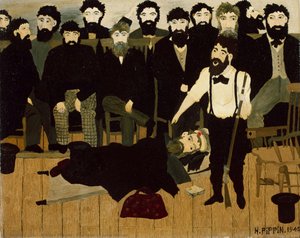
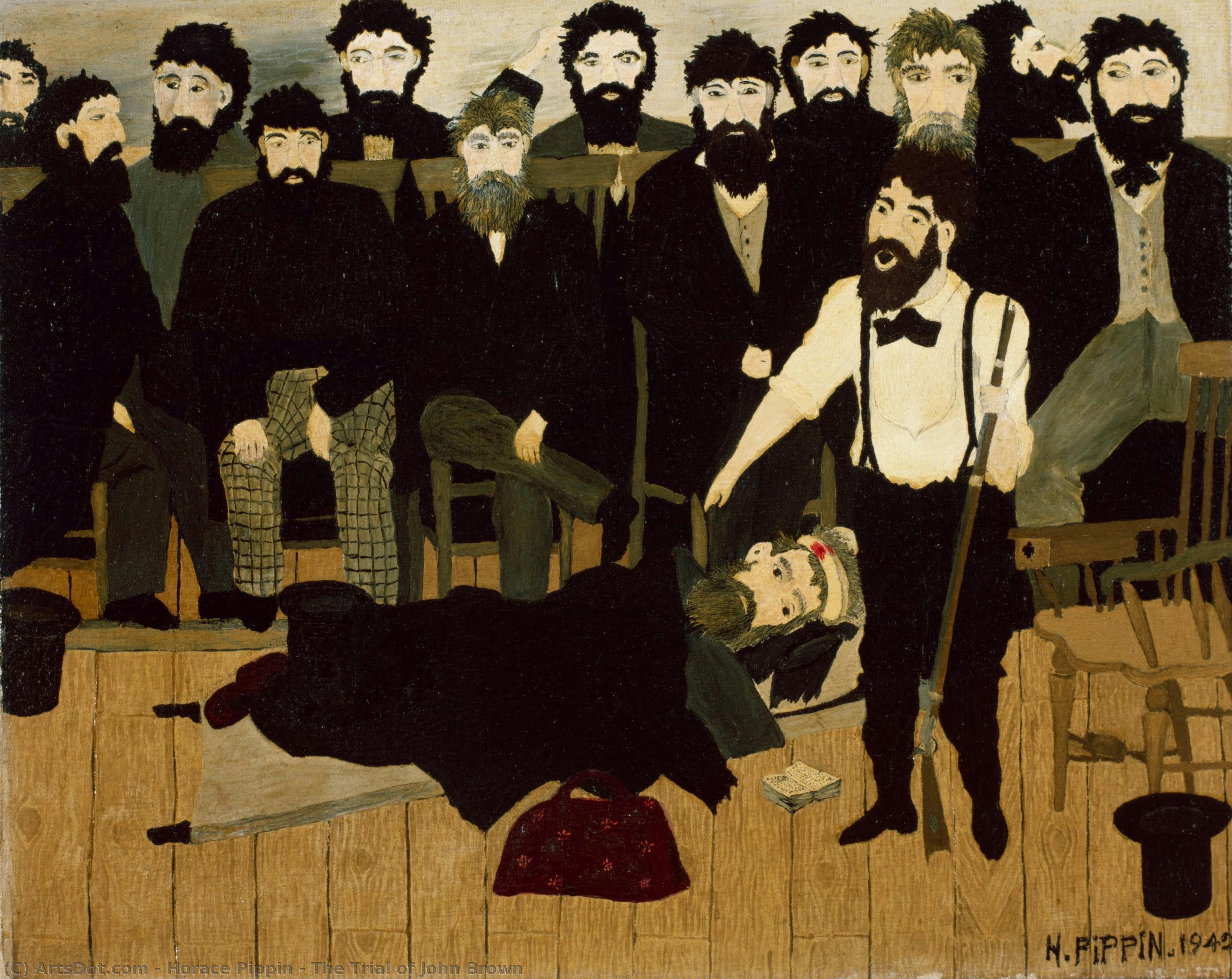
The Trial of John Brown
 Acrylic
- WallArt
- American Realism
 1942
1942 41.0 x 51.0 cm
 de Young Museum
 Read More
Hand Made Oil Reproduction
Hand-painted oil on canvas in your size and frame, made to order by our artists. ( Buy Print Buy Image)




P118B $10

P118H $10

P118W $10

P438Z $10

P508JH $12

P508YH $12

P805H $10

P805Z $10

P919BZ $10

P919G $10

P919XJ $10

P959ZH $10

P968JZ $12

W106C $8

W218G $10

W218JH $8

W218Y $10

W307PJ $10

W316G $10

W316PJ $8

W316Y $10

W398PJ $8

W4111J $10

W500HY $15

W500JH $15

W692G $12

W849H $8

W940BG $15

W953PJ $8




Pick from our preset sizes that match the artwork's original proportions.

You may enter your own dimensions to fit a specific frame or space. If your selected size does not match the original image's proportions, we will either crop the artwork or extend the painting with additional hand-painted elements. A digital mockup will be sent for your approval before production begins.
Please note that the on-screen preview does not reflect the actual cropping or extension. Only the mockup will accurately show the final composition.
While custom sizes are available, we recommend selecting a dimension from the predefined list to preserve the original proportions.
After order, ArtsDot.com team will email client for instructions and provide a mockup preview
Worldwide Delivery () in 3/4 weeks instead of standard 5 weeks. (16 August). No compromise on quality.

Free Worldwide Express Shipping

High-Quality Linen Canvas

Full Shipping Insurance

Customs Tax Refund Guarantee

True Color Matching Guarantee

60-Day Return Policy (Defects Only)

100% Money-Back Guarantee

Bulk Discount Offer
 Glass option is only available in size under 110 CM

The Trial of John Brown
Reproduction Medium
Reproduction Size
-


Total Price
$ 263
Artwork Description
A Vision Rooted in Experience: Horace Pippin’s “The Trial of John Brown”
Horace Pippin stands apart from many of his contemporaries—a testament to artistic brilliance forged not through formal academic training but through unwavering dedication to capturing the essence of lived experience. As he himself eloquently stated, "I don't do what these white guys do. I don’t go around making up a whole lot of stuff. I paint it exactly the way it is and exactly the way I see it.” This profound conviction informs Pippin’s masterful depiction of John Brown’s trial, an artwork that transcends mere visual representation to embody the spirit of its time—a period marked by both artistic innovation and the burgeoning struggle for racial justice.
Inspired by Grandmother's Witness
The genesis of “The Trial of John Brown” lies in Pippin’s grandmother’s vivid recollection of witnessing Brown’s hanging in Charles Town, Virginia (now West Virginia) in 1859. This personal anecdote served as a catalyst for Pippin to translate the emotional weight of this pivotal historical event into a powerful visual narrative. Recognizing the significance of Brown's status as a Christlike martyr—a figure revered by African Americans who endured decades of systemic oppression—Pippin skillfully employed symbolism to amplify the painting’s impact.
Symbolic Resonance: The Trial and Its Biblical Echoes
Pippin’s artistic choices resonate deeply with biblical imagery. He incorporates a bloody bandage reminiscent of the Crown of Thorns, referencing Christ’s suffering during his crucifixion—a deliberate gesture intended to elevate Brown's trial into a moral allegory. Furthermore, the jury of twelve bearded men, punctuated by a thirteenth prosecutor/persecutor, evokes the twelve apostles and Judas of the Bible, underscoring the tension between justice and persecution inherent in the courtroom drama.
Technical Mastery: Black and White Impressionism
Executed in 1942 during Pippin’s formative years as a self-taught artist, “The Trial of John Brown” exemplifies Pippin's distinctive style—black and white impressionism. Utilizing oil paints on canvas with meticulous attention to detail, Pippin achieved remarkable tonal gradation, capturing the solemn atmosphere of the trial and conveying the palpable emotion conveyed by his subjects. The textured surface of the paint lends a sense of immediacy and authenticity to the scene.
A Reflection of African American Experience
"The Trial of John Brown" powerfully communicates the anxieties and aspirations of African Americans grappling with the injustices of their era. Pippin’s depiction of Brown—wounded yet resolute—resonates with a deep understanding of the human condition, mirroring the struggles for liberation faced by countless individuals striving to overcome adversity. This artwork remains an enduring symbol of resilience, artistic vision, and the transformative power of confronting history with unflinching honesty.
Related Artworks

Artist Biography
Horace Pippin: A Voice Forged in War and Color
Horace Pippin (February 22, 1888 – July 6, 1946) remains a profoundly resonant figure in American art history—a testament to resilience, self-taught artistry, and the power of visual storytelling. Born in West Chester, Pennsylvania, into a family grappling with the legacy of slavery, Pippin’s journey from a young boy sketching racehorses to a celebrated painter is one of remarkable determination and artistic evolution. His work transcends mere representation; it embodies the spirit of his time, reflecting both the horrors of World War I and the burgeoning struggle for racial equality in America.
Pippin's early life was marked by hardship and limited formal education. Growing up in Goshen, New York, he largely taught himself to draw, fueled by a natural talent and an insatiable curiosity about the world around him. His family’s history—rooted in slavery and domestic service—shaped his perspective and informed the themes that would later dominate his art. Despite lacking traditional training, Pippin developed a distinctive style characterized by bold outlines, vibrant colors, and a remarkable ability to capture emotion and movement. This unique approach stemmed from an intuitive understanding of composition and color theory, honed through countless hours of observation and practice.
The Crucible of War: Painting the Reality of Combat
Horace Pippin’s artistic trajectory took a dramatic turn during World War I when he enlisted with the 369th Infantry Regiment—the Harlem Hellfighters—an all-Black unit that served with distinction in France. His experiences on the front lines, including being shot and severely wounded in his right shoulder, profoundly impacted his art. The injury, initially debilitating, became a catalyst for creativity; Pippin adapted to painting primarily with his left hand, developing an innovative technique of guiding the brush with his wrist—a testament to his unwavering spirit.
His war paintings are not romanticized depictions of heroism but stark and unflinching portrayals of combat. Works like “The End of the War: Starting Home” (1930-33) capture the chaos, exhaustion, and psychological toll of trench warfare with a raw honesty rarely seen in contemporary art. These pieces, imbued with a deep sense of empathy and understanding, stand as powerful indictments of war’s brutality and a poignant reflection on the experiences of Black soldiers fighting for their country.
Beyond the Battlefield: Exploring American Life
Following his return to America, Pippin continued to explore a diverse range of subjects in his art. While his wartime paintings remain central to his legacy, he also produced compelling depictions of African American family life, historical events, and biblical scenes. His work frequently addressed themes of social justice, particularly the lingering effects of slavery and racial segregation in the United States. “Giving Thanks” (1942), for example, offers a tender portrait of a Black family gathered around a table, celebrating a bountiful harvest—a powerful symbol of resilience and hope amidst adversity.
Pippin’s artistic vision extended beyond mere representation; he sought to capture the essence of his subjects – their emotions, their struggles, and their humanity. His use of color was particularly striking, employing bold hues and dynamic compositions to create visually arresting images that resonated deeply with viewers. He skillfully blended elements of folk art—characterized by simple forms and expressive brushwork—with a more sophisticated understanding of artistic technique.
Legacy and Recognition
Despite facing significant challenges as a self-taught Black artist in a predominantly white art world, Horace Pippin achieved considerable recognition during his lifetime. He was the first African American to be the subject of a full-length monograph, “Horace Pippin, A Negro Painter in America” (1947), by Selden Rodman—a landmark achievement that brought attention to his work and challenged prevailing racial biases within the art community. The New York Times famously hailed him as "the most important Negro painter" in American history.
Today, Pippin’s paintings are celebrated for their emotional depth, artistic innovation, and historical significance. His legacy continues to inspire artists and art enthusiasts alike, serving as a reminder of the transformative power of creativity and the importance of amplifying marginalized voices. His work can be found in prestigious collections such as the New Hope Museum of Art and is documented extensively online through platforms like ArtsDot.com, offering viewers a window into the life and artistry of this remarkable American painter.
Pippin’s story stands as an enduring testament to the human spirit—a celebration of resilience, creativity, and the unwavering pursuit of artistic expression in the face of adversity. His paintings remain powerful symbols of hope, justice, and the beauty found within the complexities of the American experience.
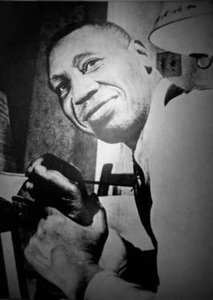
Horace Pippin
1888 - 1946 , United States of America
Quick Facts
- Artistic Movement Or Style: Folk art, self-taught
- Artists Or Movements Influenced By This Artist: ['American Folk Art']
- Artists Who Influenced This Artist: ['']
- Date Of Birth: Feb 22, 1888
- Date Of Death: July 6, 1946
- Full Name: Horace Pippin
- Nationality: American
- Notable Artworks:
- Lady of the Lake
- WWI Scenes
- Biblical subjects
- Place Of Birth: West Chester, USA
Related Articles

White on Canvas: 10 Masterpieces & Timeless Elegance for Your Home Decor
Explore 10 iconic white paintings by Monet, Whistler & Rothko! Discover the stories behind these serene masterpieces and their impact on art history. Find museum-quality reproductions for your home decor at .

John Singer Sargent's 25 Masterpieces: Portraits & Beyond | ArtsDot
Explore 25 iconic John Singer Sargent paintings – from dazzling portraits to Impressionist landscapes. Discover the stories behind Madame X, El Jaleo & more! Find museum-quality art reproductions and elevate your home decor with ArtsDot.com.

John Constable's Masterpieces: Explore 25 Iconic Landscapes for Your Home
Journey through John Constable's 25 most celebrated landscapes. Explore Romanticism, Dedham Vale & his masterful use of light in iconic paintings like 'Hay Wain'. Find museum-quality art reproductions and elevate your home decor on ArtsDot.com.

Dark Masterpieces: 10 Iconic Paintings Dominated by Black Tones |
Explore 10 iconic paintings dominated by black tones, from Rembrandt’s chiaroscuro to Goya's dark expressions. Discover the stories behind these masterpieces & find museum-quality art reproductions for your home at .

John George Brown: Capturing American Life & Sentiment in 19th-Century Genre Painting
Explore the captivating genre paintings of John George Brown, celebrated for his realistic depictions of 19th-century American life. Discover his legacy & find museum-quality reproductions at ArtsDot.