

 Preview
 Send
Send Share
Share
 Details

 Download
 Similars
 X-Ray
X-Ray Diaporama
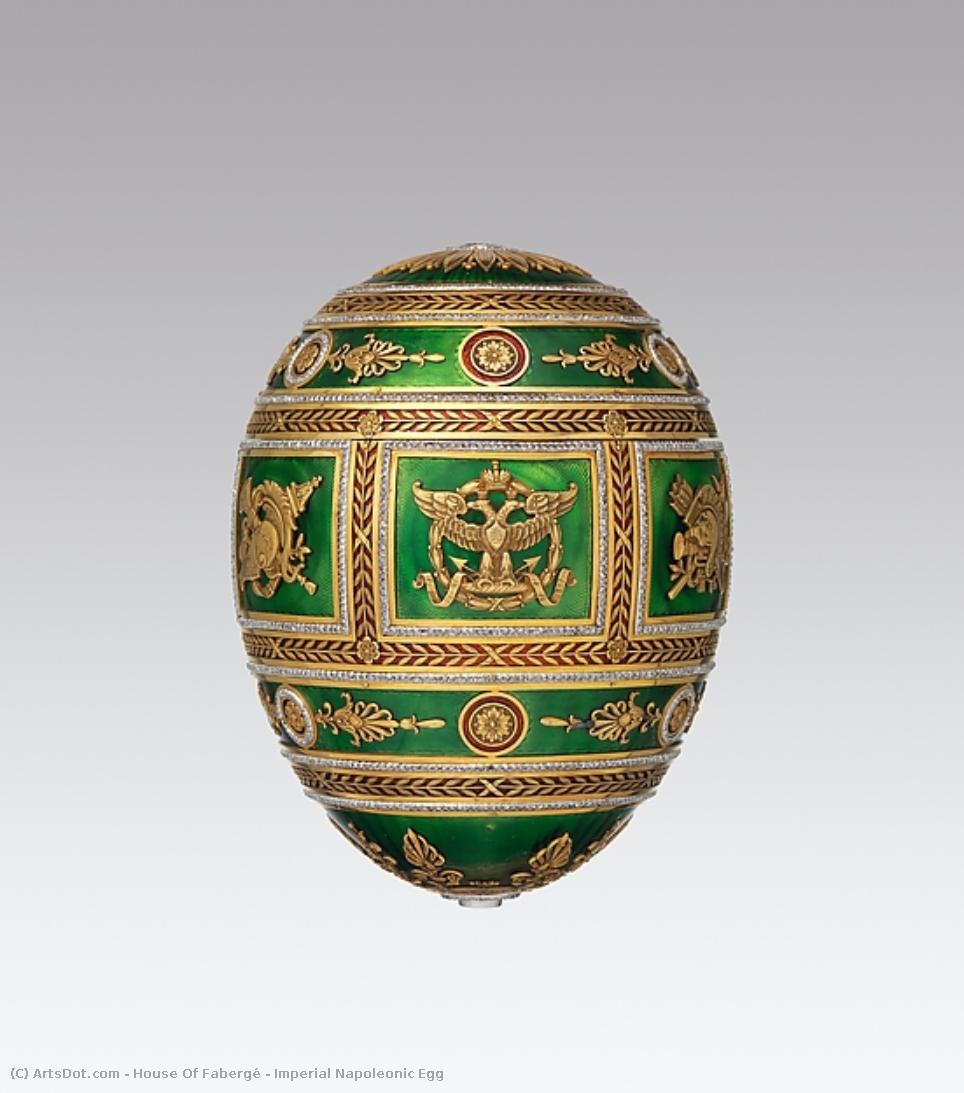
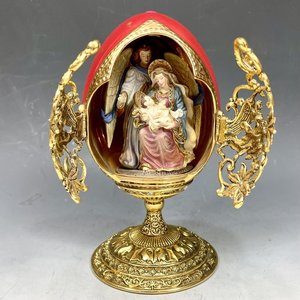
Imperial Napoleonic Egg
 Contemporary Realism
 1912
1912 12.0 x 9.0 cm
 Metropolitan Museum of Art
 Read More
Purchase a high-resolution, enhanced digital image, far superior to the online preview.
Each file is meticulously prepared by our in-house specialists using advanced tools and expert manual retouching. We ensure every image has exceptional clarity, precise color accuracy, and fine detail.
The final file is delivered via email within 72 hours, optimized for immediate use in professional, editorial, and print environments. This is the same quality trusted by top-tier design studios, publishers, and galleries.
Digital Image
Download a high-resolution file for personal display, printing, and creative projects. ( Buy Print Buy Hand Made Painting)
Included in Every Digital Image Order
Expert Digital Delivery, Guaranteed
When you choose ArtsDot.com, you're not just getting an image - you're receiving a professionally enhanced digital artwork, crafted with precision and backed by a satisfaction guarantee. Here's everything that comes with your order, automatically:

Fast Email Delivery
Your high-resolution digital image file will be emailed to you within 72 hours of ordering - ready for immediate use.

AI-Enhanced Digital File
Your artwork is professionally optimized using advanced AI tools and manual editing, ensuring maximum detail, clarity, and color accuracy.

Free Lifetime Re-Delivery
Accidentally deleted or lost your file? No worries - we'll resend it to you anytime, free of charge.

No Import Fees - Ever
Enjoy your artwork instantly with zero customs, duties, or delivery fees - digital downloads are always tax-free.

Color Accuracy Guarantee
We ensure your digital image reflects the original colors as closely as possible using professional tools and color management.

60-Day Satisfaction Guarantee
If you're not satisfied with your digital image, we'll revise it or refund 100% within 60 days - no questions asked.

100% Money-Back Guarantee
Not satisfied? Get a full refund within 60 days of receiving your digital file - no questions asked.

Bulk Order Discounts
Buy 3 images, save 10% - Buy 5, save 15% - Buy 10+, save 20%. Great for creative projects, galleries, and agencies.
Collectible Description
Imperial Napoleonic Egg – A Testament to Russian Grandeur
The Imperial Napoleonic Egg stands as an unparalleled achievement of Fabergé artistry—a shimmering jewel box encapsulating not merely opulent craftsmanship but also the profound anxieties and aspirations of a nation grappling with imperial decline. Created in 1912 for Empress Maria Fyodorovna, marking the centenary of the Battle of Borodino, this egg embodies the spirit of resilience and remembrance characteristic of the Romanov era. Its enduring fascination stems from its intricate design, masterful execution, and the palpable sense of history it conveys—a testament to a bygone age of splendor and artistic innovation.- Subject Matter: The egg’s centerpiece is a breathtaking miniature screen depicting six regiments of which Maria Fyodorovna was an honorary colonel. This deliberate selection speaks volumes about the Empress's role in upholding tradition and honoring military service—values deeply ingrained within Russian aristocratic culture during Nicholas II’s reign.
- Style & Technique: Fabergé’s signature style is evident throughout – a harmonious blend of Rococo elegance and Neo-Classical precision. The exterior shell, crafted from yellow gold adorned with emeralds, rubies, and diamonds, exemplifies the jeweler's mastery of metalworking and gemstone setting. Delicate enamel work contributes to the egg’s luminous glow, while meticulously applied rose-cut diamonds add sparkle and refinement.
- Historical Context: Constructed during a period of immense political instability—the shadow of revolution looming large—the Napoleonic Egg serves as a poignant reminder of Russia's imperial past. It reflects the anxieties surrounding national identity and the desire to preserve symbols of royal authority amidst turbulent times. The egg’s creation coincided with the waning influence of the monarchy, highlighting Fabergé’s ability to capture both grandeur and melancholy.
- Symbolism: Beyond its decorative splendor, the Napoleonic Egg is laden with symbolic significance. The six regiments depicted on the screen represent loyalty, duty, and service—values championed by Maria Fyodorovna throughout her life. Furthermore, the ax-topped fasces adorning the screen’s hinges symbolize strength and unity—themes central to Russian imperial iconography.
- Emotional Impact: Viewing this egg evokes a powerful sense of wonder and nostalgia for a vanished world. Its exquisite beauty transcends mere material value, transporting the observer back to an era defined by aristocratic patronage and artistic brilliance. It is a tangible embodiment of Russia’s cultural heritage—a captivating reminder of a time when craftsmanship reigned supreme and imperial grandeur commanded admiration.
Related Artworks
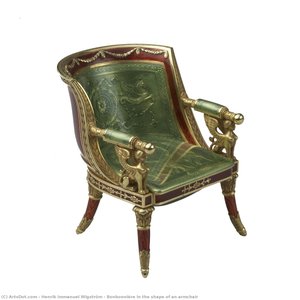
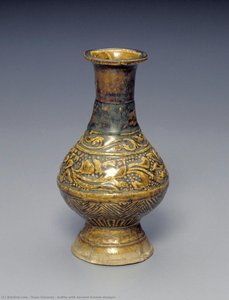
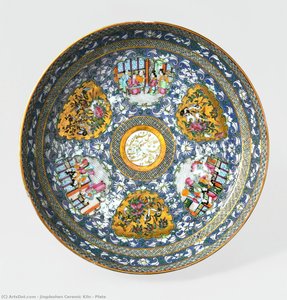
Artist Biography
Élisabeth Vigée Le Brun: A Portraitist of the Ancien Régime
Élisabeth Louise Vigée Le Brun, born in Paris in 1755 and passing away in 1842, stands as a pivotal figure in the history of French art. More than simply a painter of portraits, she was a shrewd observer of her time, a master of social maneuvering, and an artist who navigated the complex currents of the late Ancien Régime with remarkable skill and ambition. Her life story is intertwined with the rise and fall of aristocratic patronage, offering a fascinating glimpse into the world of French high society during a period of dramatic transformation.
Vigée Le Brun’s early artistic training was unconventional for a woman of her era. Initially apprenticed to the painter François Boucher at the age of 13, she quickly demonstrated an aptitude for portraiture and began receiving commissions from wealthy patrons. However, it was her association with Louis XVI's sister, Madame du Deffand, that truly launched her career. Du Deffand recognized Vigée Le Brun’s talent and became a devoted supporter, commissioning numerous portraits that established the artist’s reputation for capturing both the likeness and the personality of her subjects. This early success provided a foundation upon which she would build a distinguished career, marked by both artistic achievement and strategic social connections.
The Patronage of Marie Antoinette and Beyond
Vigée Le Brun's most celebrated commission came in 1778 when she was appointed as the official portrait painter to Queen Marie Antoinette. This appointment solidified her position within the highest echelons of French society, providing access to a steady stream of wealthy clients – nobles, actors, writers, and even foreign dignitaries. Her portraits of the queen became legendary, capturing not only Marie Antoinette’s beauty but also her vivacious personality and regal bearing. These works are particularly significant for their intimate portrayal of the Queen, offering a rare glimpse into her private life—a departure from the more formal and distant representations that were typical of royal portraiture at the time.
Following the French Revolution, Vigée Le Brun faced considerable challenges as a member of the aristocracy. She bravely continued to paint, adapting her style to reflect the changing political landscape while maintaining her artistic integrity. She secured commissions from prominent figures across Europe – including Russian royalty and members of the British court—demonstrating her versatility and enduring appeal as a portraitist. Her ability to navigate these shifting alliances speaks volumes about her intelligence, adaptability, and business acumen.
Technique and Style: Rococo’s Legacy
Vigée Le Brun's artistic style is often described as a refined blend of Rococo elegance and emerging Neoclassical influences. Her early portraits are characterized by delicate brushwork, pastel colors, and an emphasis on capturing the textures of fabrics and hair. She skillfully employed light and shadow to create a sense of depth and volume, particularly in her depictions of clothing. Her compositions were typically balanced and symmetrical, reflecting the prevailing aesthetic principles of the Rococo period.
As she matured as an artist, Vigée Le Brun’s style evolved subtly. She began to incorporate elements of Neoclassicism—a greater emphasis on line, form, and classical motifs—into her portraits. This shift is particularly evident in her later works, where she demonstrated a more controlled and precise approach to painting. Despite these stylistic changes, she retained her signature elegance and attention to detail, creating portraits that are both beautiful and psychologically insightful.
Legacy and Influence
Élisabeth Vigée Le Brun’s legacy extends far beyond her impressive body of work. She was one of the first women to achieve significant recognition as a professional artist in a male-dominated field. Her success paved the way for future generations of female artists, demonstrating that women were capable of producing high-quality art and achieving commercial success.
Her memoirs, published in three volumes between 1835 and 1837, offer a valuable firsthand account of life in aristocratic France during the late 18th and early 19th centuries. They provide insights into the social customs, political intrigues, and artistic trends of the era, offering a rich tapestry of information for historians and art enthusiasts alike. Vigée Le Brun’s enduring influence can be seen in the works of countless portraitists who followed her, and she remains a captivating figure whose story continues to resonate today.
house of fabergé
1842 - 1918 , Russia
Quick Facts
- Artistic Movement Or Style: Portrait painting; Rococo/Neoclassical
- Artists Or Movements Influenced By This Artist:
- Rococo
- Neoclassicism
- Artists Who Influenced This Artist:
- Joshua Reynolds
- Daubigny
- Date Of Birth: 16 April 1755
- Date Of Death: 30 March 1842
- Full Name: Élisabeth Vigée Le Brun
- Nationality: French
- Notable Artworks:
- Marie Antoinette with a rose
- Self-portrait in a Straw Hat
- Life Study of Lady Hamilton
- Place Of Birth: Paris, France

