 Preview
 Send
Send Share
Share
 Details

 Download
 Similars
 X-Ray
X-Ray Diaporama
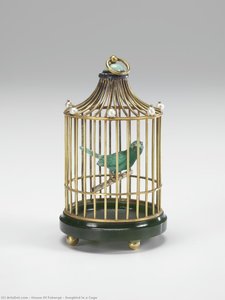
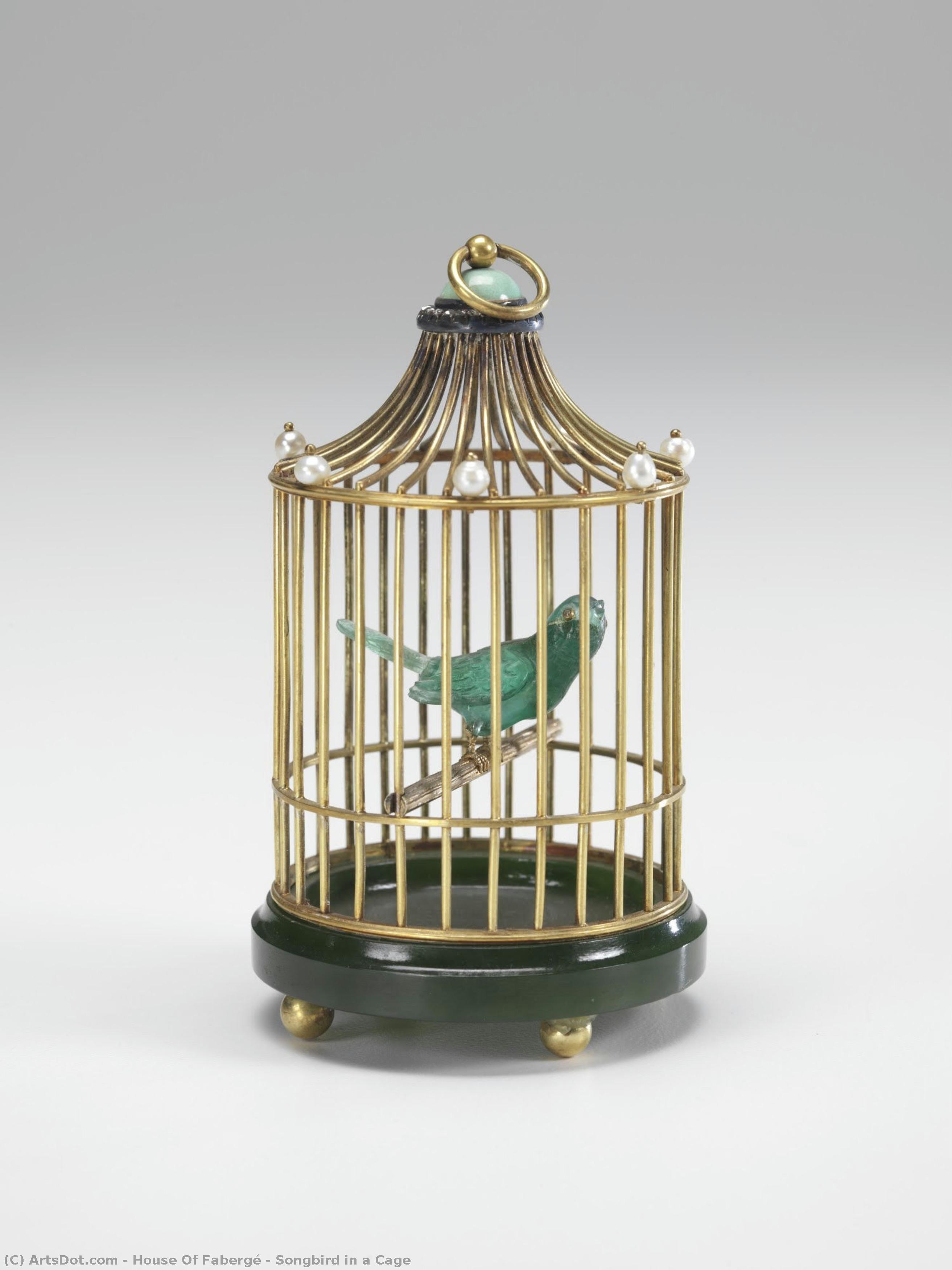
Songbird in a Cage


 Read More
Hand Made Oil Reproduction
Hand-painted oil on canvas in your size and frame, made to order by our artists. ( Buy Print Buy Image)




P118B $10

P118H $10

P118W $10

P438Z $10

P508JH $12

P508YH $12

P805H $10

P805Z $10

P919BZ $10

P919G $10

P919XJ $10

P959ZH $10

P968JZ $12

W106C $8

W218G $10

W218JH $8

W218Y $10

W307PJ $10

W316G $10

W316PJ $8

W316Y $10

W398PJ $8

W4111J $10

W500HY $15

W500JH $15

W692G $12

W849H $8

W940BG $15

W953PJ $8




Pick from our preset sizes that match the artwork's original proportions.

You may enter your own dimensions to fit a specific frame or space. If your selected size does not match the original image's proportions, we will either crop the artwork or extend the painting with additional hand-painted elements. A digital mockup will be sent for your approval before production begins.
Please note that the on-screen preview does not reflect the actual cropping or extension. Only the mockup will accurately show the final composition.
While custom sizes are available, we recommend selecting a dimension from the predefined list to preserve the original proportions.
After order, ArtsDot.com team will email client for instructions and provide a mockup preview
Worldwide Delivery () in 3/4 weeks instead of standard 5 weeks. (16 August). No compromise on quality.

Free Worldwide Express Shipping

High-Quality Linen Canvas

Full Shipping Insurance

Customs Tax Refund Guarantee

True Color Matching Guarantee

60-Day Return Policy (Defects Only)

100% Money-Back Guarantee

Bulk Discount Offer
 Glass option is only available in size under 110 CM

Songbird in a Cage
Reproduction Medium
Reproduction Size
-


Total Price
$ 263
Artwork Description
A Delicate Paradox: Examining House of Fabergé’s “Songbird in a Cage”
The artwork "Songbird in a Cage," created by the renowned House of Fabergé, transcends mere visual representation; it embodies a profound meditation on themes of freedom and constraint. Executed with meticulous detail—likely enamel and gold—this miniature masterpiece captures a single bird perched atop an ornate cage, presenting a striking juxtaposition that speaks volumes about artistic intention and societal commentary during the late Victorian era. The artist’s masterful use of color – primarily vibrant greens against a calming blue base – enhances the emotional resonance of the piece, inviting contemplation on the delicate balance between beauty and confinement.The Fabergé Legacy: Craftsmanship and Imperial Patronage
House of Fabergé stands as an unparalleled symbol of Russian imperial extravagance and artistic innovation. Founded in Saint Petersburg in 1842 by Peter Carl Fabergé, the firm gained prominence through its commissions from Tsar Alexander III and subsequently elevated to official supplier of eggs for the Romanov family’s Easter celebrations. Mikhail Perkhin, Fabergé's principal goldsmith during this period—a figure celebrated for his exceptional skill and dedication—was instrumental in shaping the firm’s distinctive aesthetic. His work exemplifies the highest standards of craftsmanship, blending technical virtuosity with artistic sensitivity to create objects of breathtaking splendor. The “Songbird in a Cage” reflects this legacy, demonstrating Fabergé's commitment to pushing boundaries in decorative arts while adhering to strict traditions of excellence.Symbolism Within Ornamentation: Exploring Artistic Intent
The cage itself serves as more than just a structural element; it functions as a potent symbol representing societal pressures and the yearning for liberation—a concept frequently explored within Victorian art. The gilded surface signifies wealth and status, mirroring the opulent lifestyle enjoyed by the aristocratic patrons who commissioned Fabergé’s creations. Simultaneously, the bird's posture—looking outward with curiosity—suggests an aspiration to escape limitations and embrace the expansive possibilities of nature. This duality underscores the artist’s desire to provoke reflection on human experience and the universal longing for freedom amidst beauty.Technique and Material Considerations: Enamel and Gold – A Harmonious Fusion
Fabergé's signature technique—primarily enamel gilding—allowed for unparalleled luminosity and color saturation, elevating decorative arts to new heights of artistic achievement. The painstaking application of thin layers of enamel pigment onto a gold substrate resulted in surfaces that shimmered with brilliance and captured the subtleties of light. This meticulous process demanded exceptional skill and patience from Fabergé’s artisans, ensuring that each piece possessed an unparalleled level of visual impact. The “Songbird in a Cage” exemplifies this mastery, demonstrating Fabergé's ability to transform precious metals into objects of extraordinary beauty—a testament to the firm’s dedication to innovation and artistic excellence.A Timeless Impression: Emotional Resonance and Artistic Significance
Ultimately, "Songbird in a Cage" transcends its formal elements to convey an enduring emotional impression. The artwork speaks to our inherent fascination with nature's splendor juxtaposed against the constraints of circumstance—a theme that resonates across cultures and eras. It serves as a poignant reminder of the importance of preserving beauty while acknowledging the inevitability of change, solidifying Fabergé’s place among the most influential artists of his time and ensuring its continued appreciation by discerning collectors and art enthusiasts alike.Related Artworks
Artist Biography
Élisabeth Vigée Le Brun: A Portraitist of the Ancien Régime
Élisabeth Louise Vigée Le Brun, born in Paris in 1755 and passing away in 1842, stands as a pivotal figure in the history of French art. More than simply a painter of portraits, she was a shrewd observer of her time, a master of social maneuvering, and an artist who navigated the complex currents of the late Ancien Régime with remarkable skill and ambition. Her life story is intertwined with the rise and fall of aristocratic patronage, offering a fascinating glimpse into the world of French high society during a period of dramatic transformation.
Vigée Le Brun’s early artistic training was unconventional for a woman of her era. Initially apprenticed to the painter François Boucher at the age of 13, she quickly demonstrated an aptitude for portraiture and began receiving commissions from wealthy patrons. However, it was her association with Louis XVI's sister, Madame du Deffand, that truly launched her career. Du Deffand recognized Vigée Le Brun’s talent and became a devoted supporter, commissioning numerous portraits that established the artist’s reputation for capturing both the likeness and the personality of her subjects. This early success provided a foundation upon which she would build a distinguished career, marked by both artistic achievement and strategic social connections.
The Patronage of Marie Antoinette and Beyond
Vigée Le Brun's most celebrated commission came in 1778 when she was appointed as the official portrait painter to Queen Marie Antoinette. This appointment solidified her position within the highest echelons of French society, providing access to a steady stream of wealthy clients – nobles, actors, writers, and even foreign dignitaries. Her portraits of the queen became legendary, capturing not only Marie Antoinette’s beauty but also her vivacious personality and regal bearing. These works are particularly significant for their intimate portrayal of the Queen, offering a rare glimpse into her private life—a departure from the more formal and distant representations that were typical of royal portraiture at the time.
Following the French Revolution, Vigée Le Brun faced considerable challenges as a member of the aristocracy. She bravely continued to paint, adapting her style to reflect the changing political landscape while maintaining her artistic integrity. She secured commissions from prominent figures across Europe – including Russian royalty and members of the British court—demonstrating her versatility and enduring appeal as a portraitist. Her ability to navigate these shifting alliances speaks volumes about her intelligence, adaptability, and business acumen.
Technique and Style: Rococo’s Legacy
Vigée Le Brun's artistic style is often described as a refined blend of Rococo elegance and emerging Neoclassical influences. Her early portraits are characterized by delicate brushwork, pastel colors, and an emphasis on capturing the textures of fabrics and hair. She skillfully employed light and shadow to create a sense of depth and volume, particularly in her depictions of clothing. Her compositions were typically balanced and symmetrical, reflecting the prevailing aesthetic principles of the Rococo period.
As she matured as an artist, Vigée Le Brun’s style evolved subtly. She began to incorporate elements of Neoclassicism—a greater emphasis on line, form, and classical motifs—into her portraits. This shift is particularly evident in her later works, where she demonstrated a more controlled and precise approach to painting. Despite these stylistic changes, she retained her signature elegance and attention to detail, creating portraits that are both beautiful and psychologically insightful.
Legacy and Influence
Élisabeth Vigée Le Brun’s legacy extends far beyond her impressive body of work. She was one of the first women to achieve significant recognition as a professional artist in a male-dominated field. Her success paved the way for future generations of female artists, demonstrating that women were capable of producing high-quality art and achieving commercial success.
Her memoirs, published in three volumes between 1835 and 1837, offer a valuable firsthand account of life in aristocratic France during the late 18th and early 19th centuries. They provide insights into the social customs, political intrigues, and artistic trends of the era, offering a rich tapestry of information for historians and art enthusiasts alike. Vigée Le Brun’s enduring influence can be seen in the works of countless portraitists who followed her, and she remains a captivating figure whose story continues to resonate today.
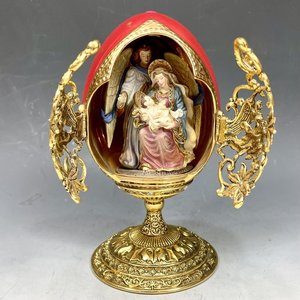
house of fabergé
1842 - 1918 , Russia
Quick Facts
- Artistic Movement Or Style: Portrait painting; Rococo/Neoclassical
- Artists Or Movements Influenced By This Artist:
- Rococo
- Neoclassicism
- Artists Who Influenced This Artist:
- Joshua Reynolds
- Daubigny
- Date Of Birth: 16 April 1755
- Date Of Death: 30 March 1842
- Full Name: Élisabeth Vigée Le Brun
- Nationality: French
- Notable Artworks:
- Marie Antoinette with a rose
- Self-portrait in a Straw Hat
- Life Study of Lady Hamilton
- Place Of Birth: Paris, France
Related Articles
Illuminating History: A Comprehensive Exploration of Tempera Painting Techniques & Artistic Legacy
Explore the rich history & techniques of tempera painting! Discover Renaissance masters like Botticelli & Fra Angelico, conservation insights, and the enduring legacy of this captivating art form.
Edward Hopper's Masterpieces: 25 Iconic Paintings & Their Enduring Legacy | ArtsDot
Explore 25 iconic Edward Hopper paintings & their stories. Discover American realism, urban loneliness, and timeless beauty through his masterpieces. Find museum-quality art reproductions & curated decor ideas at ArtsDot.com.

John Constable's Masterpieces: Explore 25 Iconic Landscapes for Your Home
Journey through John Constable's 25 most celebrated landscapes. Explore Romanticism, Dedham Vale & his masterful use of light in iconic paintings like 'Hay Wain'. Find museum-quality art reproductions and elevate your home decor on ArtsDot.com.