 Preview
 Send
Send Share
Share
 Details

 Download
 Similars
 X-Ray
X-Ray Diaporama
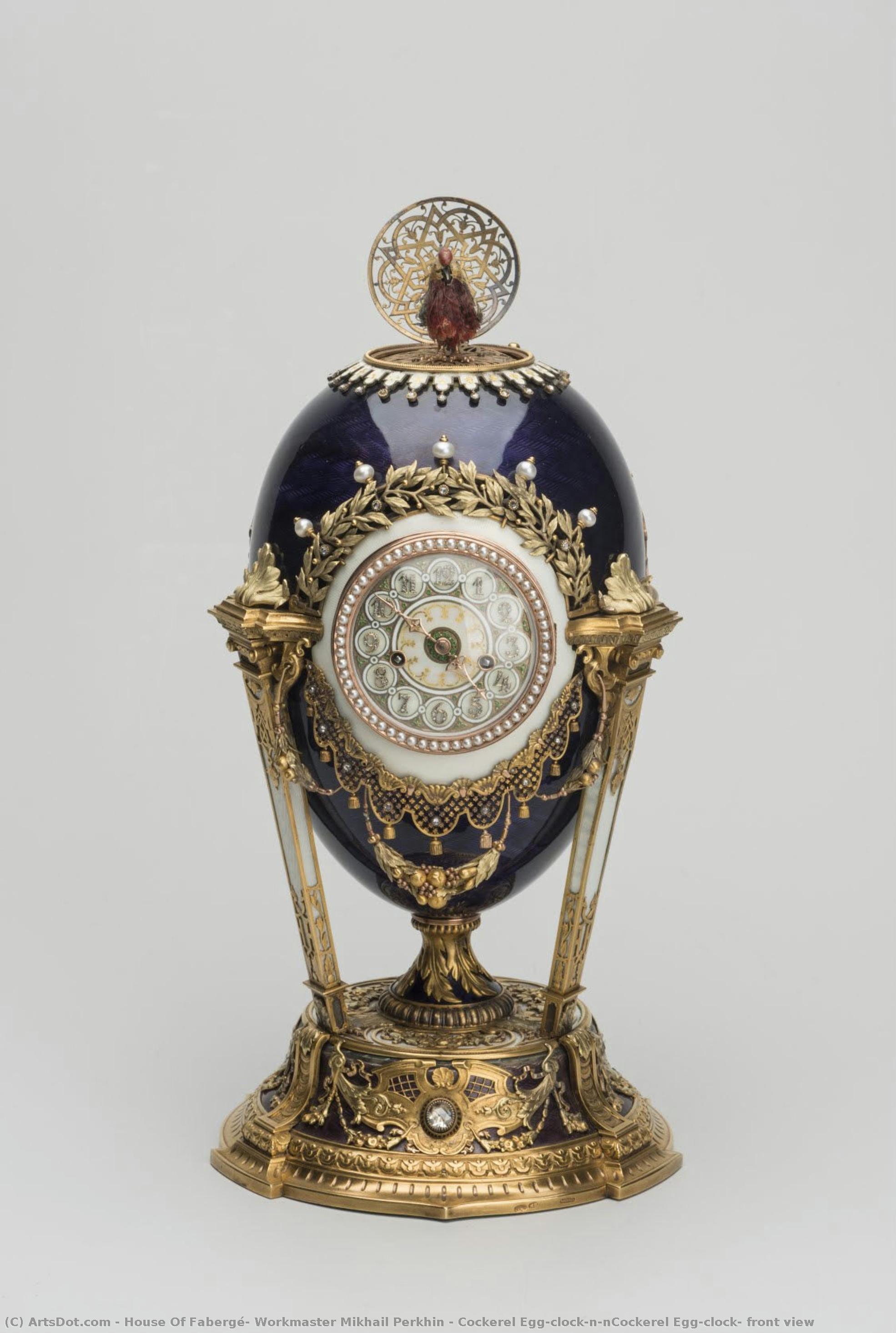
Cockerel Egg-clock\n\nCockerel Egg-clock: front view

 Read More
Giclée / Art Print
Museum-quality giclée or canvas print with fast production and flexible finish options. ( Buy Hand Made Painting Buy Image)




































Pick from our preset sizes that match the artwork's original proportions.

You may enter your own dimensions to fit a specific frame or space. If your selected size does not match the original image's proportions, we will either crop the artwork or extend the image with a mirrored or solid-fill edge. A digital mockup will be sent for your approval before production begins.
Please note that the on-screen preview does not reflect the actual cropping or extension. Only the mockup will accurately show the final composition.
While custom sizes are available, we recommend selecting a dimension from the predefined list to preserve the original proportions.
Worldwide Delivery () in 2 weeks instead of standard 4/5 weeks. (28 August)

Free Worldwide Express Shipping

High-Quality Linen Canvas

Full Shipping Insurance

Customs Tax Refund Guarantee

True Color Matching Guarantee

60-Day Return Policy (Defects Only)

100% Money-Back Guarantee

Bulk Discount Offer
 Glass option is only available in size under 110 CM

Cockerel Egg-clock\n\nCockerel Egg-clock: front view
Giclée / Art Print
Reproduction Size
-


Total Price
$ 63
Related Artworks





Artist Biography
Mikhail Perkhin: The Silent Maestro of Fabergé’s Golden Age
Mikhail Evlampievich Perkhin (1860–1903) remains a figure shrouded in quiet brilliance—a cornerstone of the House of Fabergé’s artistic legacy, yet largely absent from broader art historical narratives. Born in Okulovskaya, Olonets Governorate (now Republic of Karelia), Perkhin's journey to St. Petersburg marked the beginning of an extraordinary partnership that would solidify his place as one of Fabergé’s most respected and prolific workmasters. His dedication to meticulous craftsmanship and unwavering commitment to excellence ensured that he was entrusted with overseeing the creation of some of Fabergé’s most iconic treasures—eggs that transcended mere ornamentation, embodying Russian imperial grandeur and artistic innovation.- Early Life & Education: Little is known about Perkhin's formative years beyond his birthplace and subsequent relocation to St. Petersburg. He honed his skills in the atelier of renowned jeweler Henrik Wigström, absorbing techniques and philosophies that would inform his own distinctive style. Wigström’s influence instilled a profound appreciation for detail and precision—qualities that would become hallmarks of Perkhin's work.
- Joining Fabergé & Ascendancy: Perkhin formally joined the House of Fabergé in 1886, quickly establishing himself as Wigström’s indispensable collaborator. This collaboration was pivotal to Fabergé’s success during his tenure, fostering a harmonious blend of artistic vision and technical expertise.
- The Coronation Egg & Beyond: Perkhin's contribution to Fabergé’s oeuvre reached its zenith with the creation of the Coronation Egg—a breathtaking masterpiece commissioned for Tsar Nicholas II commemorating the coronation ceremony. Its intricate enamelwork depicting scenes from Russian history, combined with a delicately crafted gold filigree and studded with diamonds, exemplifies Perkhin’s mastery of technique and artistic sensibility. He continued to oversee the production of numerous other eggs, including the Pansy Egg and the Sphinx Egg—each reflecting his unwavering dedication to capturing beauty and conveying symbolic meaning.
Technique & Artistic Style: A Legacy of Refinement
Perkhin’s artistic style can be characterized as Neo-Rococo, drawing inspiration from the opulent decorative arts of the eighteenth century while simultaneously embracing the advancements of modern metallurgy and enameling. Like Wigström, he championed a meticulous approach to craftsmanship—a philosophy rooted in the belief that beauty arises from flawless execution. He skillfully employed gold enamel techniques—particularly guilloche enamel—to achieve unparalleled levels of detail and luminosity. The resulting surfaces shimmered with iridescent hues, capturing light in ways that defied conventional artistic conventions.- Guilloche Enamel: Perkhin’s mastery of guilloche enamel—a technique involving stamping a pattern onto the surface of metal before applying enamel—allowed him to produce surfaces that appeared to ripple and flow with subtle movement. This method was particularly favored for depicting floral motifs, mirroring Fabergé's fascination with botanical imagery.
- Gold Filigree: Perkhin’s use of gold filigree—a delicate latticework of interwoven gold wires—added textural complexity to his creations. The resulting structures possessed a sculptural quality, enhancing the visual impact of each egg and conveying a sense of regal elegance.
Influence & Legacy: Shaping Fabergé’s Artistic Vision
Mikhail Perkhin's influence extended far beyond his immediate output at Fabergé. He served as an exemplar for aspiring jewelers—demonstrating the importance of unwavering dedication to craftmanship and artistic integrity. His collaboration with Henrik Wigström established a partnership that profoundly shaped Fabergé’s creative direction, fostering a shared commitment to pushing the boundaries of decorative art. The enduring beauty and technical brilliance of Perkhin's creations continue to inspire admiration—a testament to his contribution to Russia’s golden age of jewelry making and Fabergé’s unparalleled artistic achievements. His legacy resides not merely in the eggs themselves but in the ethos of meticulous artistry that he instilled within Fabergé’s atelier, ensuring that excellence would remain a guiding principle for generations to come.Historical Significance: Symbolism & Imperial Grandeur
Fabergé eggs are more than just exquisite objects; they represent a profound expression of Russian imperial culture—a celebration of artistic innovation and symbolic storytelling. Mikhail Perkhin’s involvement in their creation underscores the importance of skilled artisans in conveying complex narratives and embodying the grandeur of the Romanov dynasty. The eggs served as tangible emblems of Russia's power, prestige, and cultural sophistication—gifts intended to solidify alliances and commemorate momentous occasions. Perkhin’s contribution to this artistic tradition cemented his place within a broader context of Russian history—a reminder that beauty can serve as a powerful instrument of diplomacy and cultural affirmation.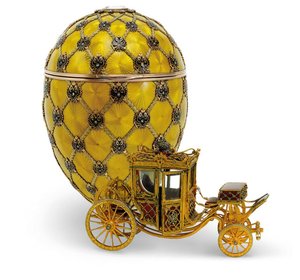
house of fabergé, workmaster mikhail perkhin
1860 - 1903 , Russia
Quick Facts
- Artistic Movement Or Style: Neo-Rococo
- Artists Or Movements Influenced By This Artist: ['Henri Wigström']
- Artists Who Influenced This Artist: ['Gustav Fabergé']
- Date Of Birth: 1860
- Full Name: Mikhail Evlampievich Perkhin
- Nationality: Russian
- Notable Artworks: ['Cockerel Egg-clock']
- Place Of Birth: Okulovskaya, Olonets Governorate (Republic of Karelia)