 Preview
 Send
Send Share
Share
 Details

 Download
 Similars
 X-Ray
X-Ray Diaporama
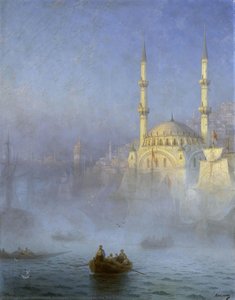
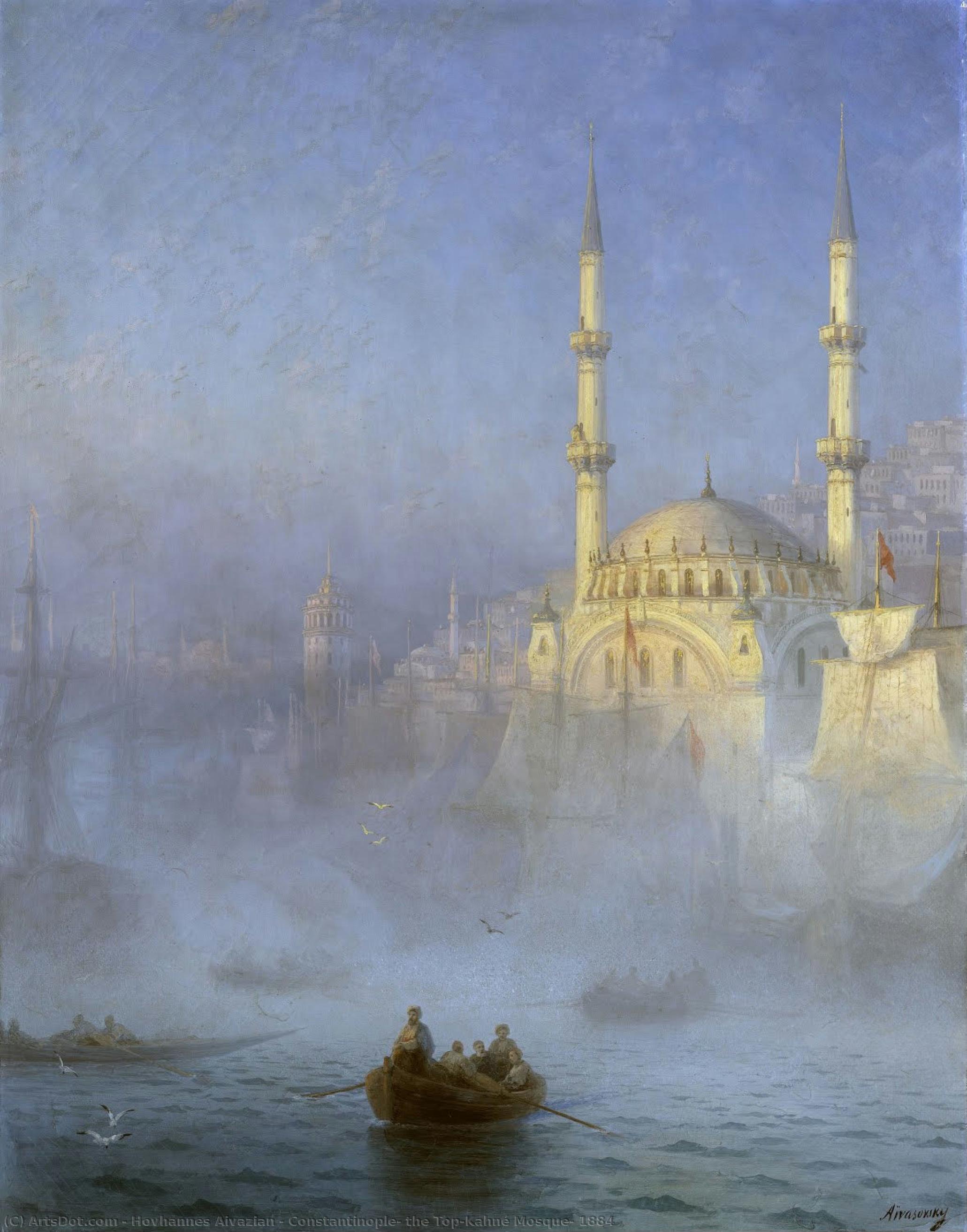
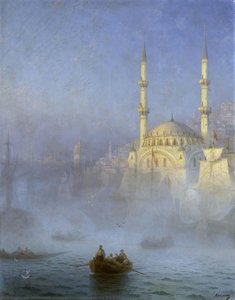
Constantinople, the Top-Kahné Mosque, 1884


 Read More
Hand Made Oil Reproduction
Hand-painted oil on canvas in your size and frame, made to order by our artists. ( Buy Print Buy Image)




































Pick from our preset sizes that match the artwork's original proportions.

You may enter your own dimensions to fit a specific frame or space. If your selected size does not match the original image's proportions, we will either crop the artwork or extend the painting with additional hand-painted elements. A digital mockup will be sent for your approval before production begins.
Please note that the on-screen preview does not reflect the actual cropping or extension. Only the mockup will accurately show the final composition.
While custom sizes are available, we recommend selecting a dimension from the predefined list to preserve the original proportions.
After order, ArtsDot.com team will email client for instructions and provide a mockup preview
Worldwide Delivery () in 3/4 weeks instead of standard 5 weeks. (25 August). No compromise on quality.

Free Worldwide Express Shipping

High-Quality Linen Canvas

Full Shipping Insurance

Customs Tax Refund Guarantee

True Color Matching Guarantee

60-Day Return Policy (Defects Only)

100% Money-Back Guarantee

Bulk Discount Offer
 Glass option is only available in size under 110 CM

Constantinople, the Top-Kahné Mosque, 1884
Reproduction Medium
Reproduction Size
-


Total Price
$ 363
Artwork Description
Related Artworks


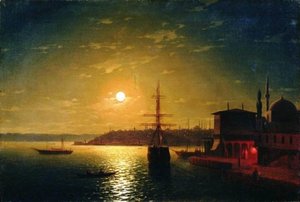
Artist Biography
Ivan Aivazovsky: Master of the Turbulent Sea
Born Hovhannes Aivazian in Feodosia, Ukraine – then part of the Russian Empire – in 1817, Ivan Konstantinovich Aivazovsky stands as a towering figure in the history of marine art. His life was inextricably linked to the Black Sea, a landscape that profoundly shaped his artistic vision and became the very essence of his enduring legacy. From humble beginnings as a young boy sketching ships in the bustling port, Aivazovsky’s career unfolded with remarkable speed and ambition, culminating in recognition as one of the greatest seascape painters of all time. His work transcends mere depiction; it captures the raw power, unpredictable beauty, and sublime drama of the ocean – a realm he seemed to intuitively understand and translate onto canvas.
Aivazovsky’s early life instilled within him a deep connection to the sea and its people. Feodosia, a strategically important port city with a significant Armenian population, provided an environment rich in maritime tradition and artistic patronage. He received his initial training at the Simferopol Cadet School, followed by studies at the Imperial Academy of Arts in Saint Petersburg. However, it was his time spent observing naval life – sketching ships, studying shipwrecks, and immersing himself in the practical realities of seafaring – that truly ignited his passion and informed his artistic approach. Unlike many of his contemporaries who relied on academic instruction, Aivazovsky’s art stemmed from direct observation and a profound understanding of the sea's dynamics.
The Romantic Seascapes
Aivazovsky’s artistic style is often categorized as Romantic, though he developed a uniquely personal interpretation of this movement. He rejected the idealized landscapes favored by some of his contemporaries, instead embracing a dramatic realism that prioritized capturing the visceral experience of being at sea. His paintings are characterized by intense color palettes – vibrant blues and greens for the water, fiery oranges and reds for the sky – and dynamic brushwork that conveys the relentless energy of storms and waves. He wasn’t simply painting what he saw; he was conveying a feeling, an emotional response to the overwhelming power of nature.
His most celebrated works, such as “The Ninth Wave” (1850) and “Red Fleet at Sevastopol” (1853-54), exemplify this approach. "The Ninth Wave" is particularly renowned for its depiction of a colossal wave threatening to engulf a small warship – a scene that powerfully embodies the Romantic fascination with the sublime, the awe-inspiring force of nature beyond human control. “Red Fleet at Sevastopol” vividly portrays the naval battles during the Crimean War, capturing not only the strategic importance of the conflict but also the harrowing experience of sailors facing imminent danger. These paintings weren’t just historical records; they were emotional narratives imbued with a sense of drama and urgency.
A Prolific Career & International Recognition
Remarkably, Aivazovsky was an extraordinarily prolific artist, creating over 6,000 works throughout his lifetime – including paintings, watercolors, drawings, and etchings. This immense output reflects both his artistic drive and the considerable demand for his work from the Imperial Court and wealthy patrons. He held numerous solo exhibitions across Europe, cementing his reputation as a leading figure in the art world. His paintings were exhibited in London, Paris, Rome, and other major cities, attracting critical acclaim and commercial success.
Aivazovsky’s connection to the Russian Imperial Navy was particularly significant. He served as official artist of the naval headquarters, providing him with unparalleled access to ships, sailors, and firsthand accounts of naval operations. This privileged position allowed him to document crucial moments in Russian maritime history and contribute significantly to the navy's image. He received numerous honors and awards for his service, further solidifying his status within the highest echelons of Russian society.
Legacy & Influence
Despite facing criticism from some contemporary artists who viewed his work as overly sentimental or lacking in artistic innovation, Ivan Aivazovsky’s influence on subsequent generations of marine painters is undeniable. His dynamic brushwork, dramatic color palettes, and focus on capturing the emotional intensity of the sea paved the way for later artists such as J.M.W. Turner and Eugène Delacroix. His legacy continues to inspire artists today who seek to capture the beauty and power of the ocean.
Today, Aivazovsky’s paintings are housed in major museums around the world, including the State Hermitage Museum in St. Petersburg and the Metropolitan Museum of Art in New York. His work stands as a testament to his extraordinary talent, unwavering dedication, and profound connection to the sea – a timeless reminder of the enduring power of art to capture the sublime beauty and untamed spirit of nature.
hovhannes aivazian
1817 - 1900 , Ukraine
Quick Facts
- Artistic Movement Or Style: Romanticism, Marine Painting
- Artists Or Movements Influenced By This Artist: ['Romanticism']
- Artists Who Influenced This Artist: ['Turner']
- Date Of Birth: July 29, 1817
- Date Of Death: May 2, 1900
- Full Name: Ivan Konstantinovich Aivazovsky”, also known as Hovhannes Aivazian
- Nationality: Ukrainian-Armenian
- Notable Artworks:
- Chaos (The Creation)
- The Ninth Wave
- Place Of Birth: Feodosia, Ukraine
Related Articles

John Constable's Masterpieces: Explore 25 Iconic Landscapes for Your Home
Journey through John Constable's 25 most celebrated landscapes. Explore Romanticism, Dedham Vale & his masterful use of light in iconic paintings like 'Hay Wain'. Find museum-quality art reproductions and elevate your home decor on ArtsDot.com.

Romantic Landscapes: 10 Masterpieces for Your Home | ArtsDot
Journey through 10 Romantic landscape masterpieces by Friedrich, Turner & Cole. Explore emotional art, sublime nature scenes & iconic 19th-century paintings. Find museum-quality reproductions for your home at ArtsDot.com – discover the full collection online!
Marianne North's Masterpieces: 25 Botanical Paintings That Bloom With Adventure | ArtsDot
Journey through the vibrant world of Marianne North’s botanical paintings! Explore 25 iconic artworks from this Victorian artist, celebrating exotic flora & travel. Find museum-quality reproductions and curated decor ideas at ArtsDot.com.

Evocations of Place: A Historical Journey Through Landscape Art
Explore the rich history of landscape art with ArtsDot. Discover renowned artists, movements like Impressionism & Romanticism, and expert guidance for collecting timeless pieces. Find your perfect serene escape today!

Hokusai's Masterpieces: 25 Iconic Prints & Paintings for Art Lovers | ArtsDot
Journey through Katsushika Hokusai’s 25 most iconic artworks, including *The Great Wave*. Explore the ukiyo-e master's history, style & timeless Japanese woodblock prints. Find museum-quality reproductions for your home at ArtsDot.com.