 Preview
 Send
Send Share
Share
 Details

 Download
 Similars
 X-Ray
X-Ray Diaporama
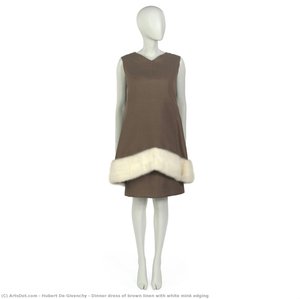
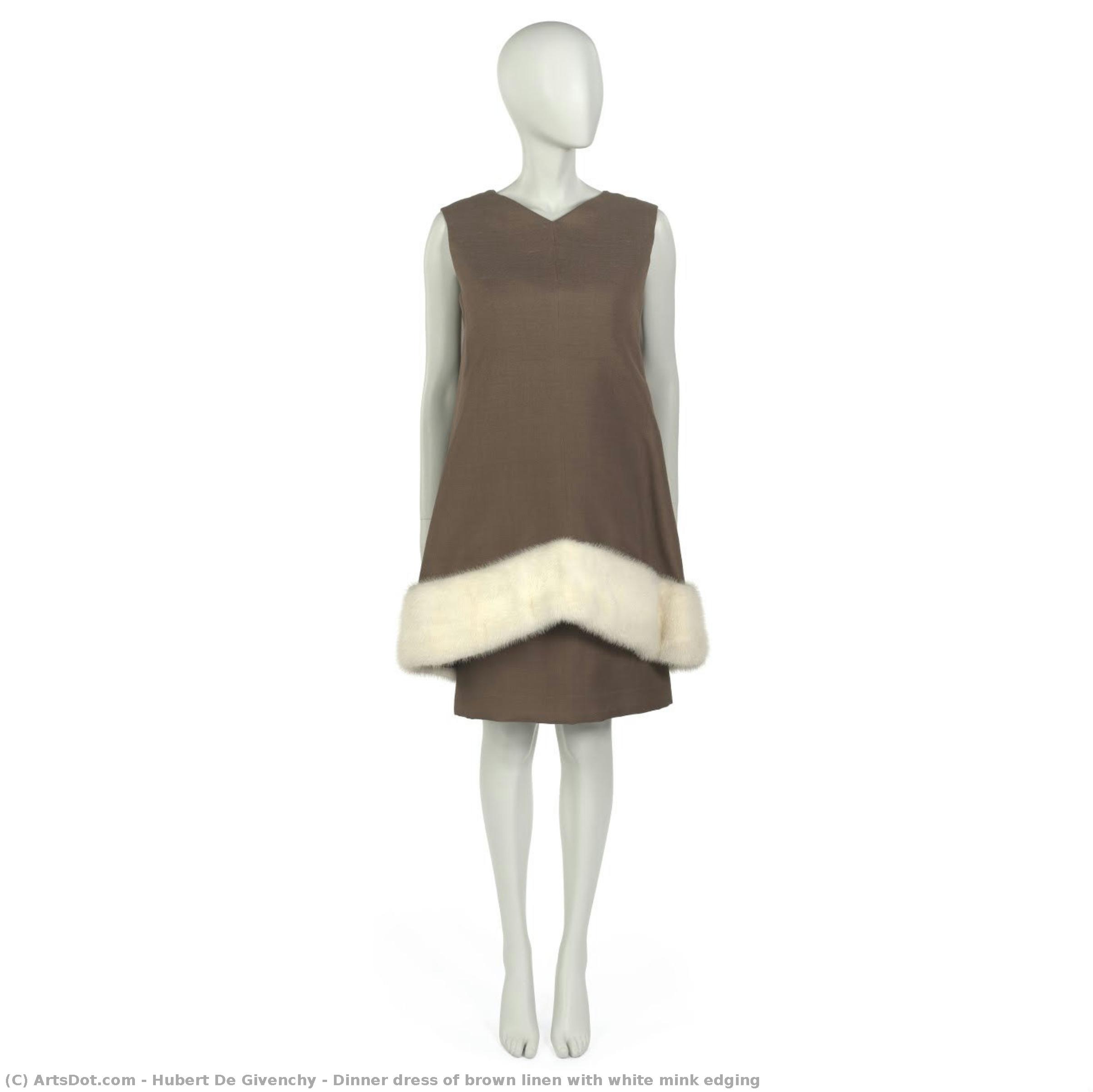
Dinner dress of brown linen with white mink edging


 Read More
Giclée / Art Print
Museum-quality giclée or canvas print with fast production and flexible finish options. ( Buy Hand Made Painting Buy Image)




P118B $10

P118H $10

P118W $10

P438Z $10

P508JH $12

P508YH $12

P805H $10

P805Z $10

P919BZ $10

P919G $10

P919XJ $10

P959ZH $10

P968JZ $12

W106C $8

W218G $10

W218JH $8

W218Y $10

W307PJ $10

W316G $10

W316PJ $8

W316Y $10

W398PJ $8

W4111J $10

W500HY $15

W500JH $15

W692G $12

W849H $8

W940BG $15

W953PJ $8




Pick from our preset sizes that match the artwork's original proportions.

You may enter your own dimensions to fit a specific frame or space. If your selected size does not match the original image's proportions, we will either crop the artwork or extend the image with a mirrored or solid-fill edge. A digital mockup will be sent for your approval before production begins.
Please note that the on-screen preview does not reflect the actual cropping or extension. Only the mockup will accurately show the final composition.
While custom sizes are available, we recommend selecting a dimension from the predefined list to preserve the original proportions.
Worldwide Delivery () in 2 weeks instead of standard 4/5 weeks. (24 August)

Free Worldwide Express Shipping

High-Quality Linen Canvas

Full Shipping Insurance

Customs Tax Refund Guarantee

True Color Matching Guarantee

60-Day Return Policy (Defects Only)

100% Money-Back Guarantee

Bulk Discount Offer
 Glass option is only available in size under 110 CM

Dinner dress of brown linen with white mink edging
Giclée / Art Print
Reproduction Size
-


Total Price
$ 63
Collectible Description
The Legacy of Hubert de Givenchy and the Dawn of Post-War Chic
Within the hushed halls of Parisian couture, a quiet revolution was brewing in the 1950s. Hubert de Givenchy, born into a lineage steeped in French artistic heritage – his family’s connection to the renowned Gobelins tapestry workshop instilled within him an appreciation for timeless craftsmanship and understated beauty – emerged as a pivotal figure, challenging the flamboyant excesses of the preceding era. His early career, marked by apprenticeships with established houses like Lucien Lelong and Robert Piguet, provided invaluable experience while simultaneously nurturing his own distinct design philosophy: one rooted in versatility, luxurious fabrics, and an unwavering commitment to creating pieces that transcended fleeting trends. It was a deliberate rejection of the theatricality prevalent at the time, a conscious decision to celebrate the inherent elegance of the wearer rather than relying on ostentatious display. This foundational approach would ultimately define his enduring legacy – a quiet confidence translated into garments of unparalleled sophistication.
A Study in Texture and Restraint: Deconstructing the Dress
The “Dinner dress of brown linen with white mink edging” is more than simply a garment; it’s a meticulously constructed testament to Givenchy's design principles. The foundation is a rich, textured brown linen – its slightly rough surface hinting at the quality and care invested in its selection. This grounding material is then elevated by a striking contrast: a generous band of white mink edging, five inches wide, that wraps around the tunic and defines the shoulders. The mink, a symbol of luxury and refinement during this period, introduces an element of opulent softness, juxtaposed against the linen’s more structured feel. Beneath the linen lies a brown silk underdress, providing both support and a subtle layer of visual depth. The back zipper, discreetly integrated, speaks to the practicality inherent in high-fashion design – ensuring ease of wear without compromising the garment's aesthetic integrity. The A-line silhouette, a hallmark of mid-century fashion, creates a flattering drape, while the high V-neck accentuates the neckline and draws attention to the face.
The Influence of Audrey Hepburn: A Collaboration Defined by Grace
The dress’s significance is inextricably linked to its association with Audrey Hepburn. Her burgeoning career in the early 1950s demanded a designer who understood her vision – an individual capable of translating her desire for understated elegance and independent spirit into wearable art. Givenchy, recognizing a kindred aesthetic, became her trusted collaborator, crafting wardrobes that defined her image both on and off-screen. The “little black dress” featured in *Breakfast at Tiffany’s*, designed specifically for Hepburn, exemplifies this partnership perfectly. It wasn't merely a costume; it was an embodiment of Holly Golightly’s enigmatic allure – a symbol of timeless style and feminine grace. The dress’s simplicity belied its profound impact, becoming instantly recognizable and endlessly imitated, cementing Givenchy’s place in the pantheon of fashion icons.
Symbolism and Emotional Resonance: A Portrait of Parisian Sophistication
Beyond its technical details, the dress evokes a powerful sense of nostalgia for a bygone era – the golden age of Hollywood glamour and the rise of post-war optimism. The combination of linen and mink speaks to a carefully curated blend of practicality and luxury, reflecting the aspirations of a generation seeking refinement amidst the challenges of rebuilding their lives after World War II. The brown tones suggest warmth and comfort, while the white mink adds a touch of ethereal beauty. Ultimately, this dress is not just an object of fashion; it’s a visual representation of Parisian sophistication – a testament to the enduring power of timeless design and the artistry of Hubert de Givenchy.
Related Artworks
Artist Biography
Hubert de Givenchy: Architect of Parisian Elegance
Hubert de Givenchy’s name is inextricably linked to the golden age of Hollywood glamour and a redefined vision of post-war chic. Born in Beauvais, France, in 1927, into a family steeped in aristocratic heritage – his great-grandfather having designed tapestries for the Gobelins Manufactory – he inherited not only a noble lineage but also an artistic sensibility that would profoundly shape his groundbreaking career. Initially drawn to law, a youthful ambition quickly yielded to the allure of fashion, leading him to study at the École Nationale Supérieure des Beaux-Arts in Paris. It was here, amidst the burgeoning creative scene, that he began his apprenticeship with Jacques Fath, laying the foundation for a design philosophy characterized by understated elegance and impeccable tailoring – a departure from the overtly theatrical styles dominating the era.
Givenchy’s early career saw him contribute to established houses like Lucien Lelong and Robert Piguet, absorbing influences while simultaneously forging his own distinct aesthetic. However, it was his 1952 establishment of his eponymous brand that truly cemented his place in fashion history. Rejecting the prevailing trends of the time, he championed a minimalist approach, focusing on versatile separates – blouses, skirts, jackets – crafted from luxurious fabrics like Italian silk and cashmere. This deliberate choice reflected a desire to create timeless pieces that transcended fleeting fads, embodying a quiet confidence and understated sophistication. His designs were not about ostentatious display; they were about celebrating the inherent beauty of the wearer.
The Audacious Collaboration: Audrey Hepburn and the Dawn of a Style Icon
While Givenchy’s early work established his reputation as a master of elegant separates, it was his collaboration with actress Audrey Hepburn that catapulted him to international stardom. Their relationship began serendipitously during the filming of Sabrina in 1953, when Hepburn sought a designer who could capture her image as a sophisticated and independent young woman. Recognizing an immediate connection, Givenchy designed a series of stunning gowns for the film, establishing a creative partnership that would endure for over two decades.
The most iconic product of this collaboration was undoubtedly the “little black dress” worn by Hepburn in Breakfast at Tiffany’s (1961). More than just a garment, it became a symbol of timeless elegance and feminine grace – an embodiment of Holly Golightly's enigmatic allure. The dress, meticulously crafted from Italian silk and featuring a deceptively simple design, perfectly complemented Hepburn’s slender frame and radiant beauty. It wasn’t merely a costume; it was a carefully constructed statement about style, confidence, and the pursuit of happiness. Hepburn herself famously requested three copies of the dress, recognizing its potential to become an enduring piece in any woman's wardrobe.
Beyond Breakfast at Tiffany’s, Givenchy continued to design for Hepburn throughout her career, creating wardrobes for films like Charade and Paris When It Sizzles. Their relationship extended beyond the screen; they were close friends, with Hepburn often referring to Givenchy as her “best friend.” This personal connection infused their collaborations with a genuine warmth and mutual respect, resulting in designs that felt both exquisitely crafted and deeply personal.
Beyond Hollywood: A Legacy of Couture and Fragrance
While his association with Audrey Hepburn undoubtedly defined much of his public image, Hubert de Givenchy’s influence extended far beyond the world of cinema. He continued to design haute couture collections throughout the 1960s and 70s, maintaining a reputation for impeccable tailoring and sophisticated silhouettes. His designs were favored by royalty, celebrities, and discerning women around the globe – including Jacqueline Kennedy Onassis, who frequently wore Givenchy suits and dresses.
Recognizing the growing demand for his fragrances, Givenchy launched its perfume division in 1957, creating a range of iconic scents that continue to be cherished today. L’Interdit, Amarige, and Organza are just a few examples of his masterful blending of artistry and olfactory expertise. The brand's success solidified Givenchy’s position as a true visionary, demonstrating his ability to translate his design sensibilities into other creative mediums.
A Timeless Influence
Hubert de Givenchy passed away in Neuilly-sur-Seine, France, in March 2018, leaving behind a legacy that continues to inspire designers and fashion enthusiasts alike. His commitment to timeless elegance, his meticulous attention to detail, and his profound understanding of the female form have cemented his place as one of the most influential figures in 20th-century fashion. The “little black dress,” the enduring fragrance collection, and the countless exquisite designs he created for Audrey Hepburn—all stand as testaments to a career defined by grace, sophistication, and an unwavering dedication to beauty.

hubert de givenchy
1927 - 2018 , France
Quick Facts
- Artistic Movement Or Style: Haute couture
- Artists Or Movements Influenced By This Artist: ['Audrey Hepburn style']
- Artists Who Influenced This Artist: ['Cristóbal Balenciaga']
- Date Of Birth: February 20, 1927
- Date Of Death: March 10, 2018
- Full Name: Hubert de Givenchy
- Nationality: French
- Notable Artworks:
- Jumpsuit Ensemble
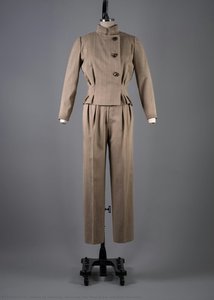
- Givenchy jacket & pants
- Place Of Birth: Beauvais, France
Related Articles
Draped Narratives: Fashion as Symbol & Subject in Historical Art
Explore the fascinating history of fashion as a symbol of power & status in art! Discover masterpieces from Gainsborough to Tissot and learn how clothing shaped societal narratives. Find museum-quality reproductions at ArtsDot.
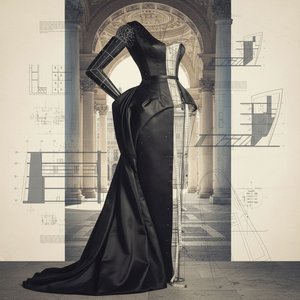
Cristóbal Balenciaga: Deconstructing Haute Couture's Architectural Legacy
Explore the revolutionary world of Cristóbal Balenciaga, the 'couturier's couturier'. Discover his architectural designs, lasting influence on haute couture, and guide to collecting rare pieces. A connoisseur’s resource.

Crimson Threads of Narrative: Exploring Symbolism & Representation in Artworks Featuring the Red Dress
Explore the rich symbolism of the red dress in art history! From ancient power displays to iconic portraits like Cézanne’s 'Madame Cezanne', discover the cultural and artistic significance behind this captivating color. Expert analysis & insights.
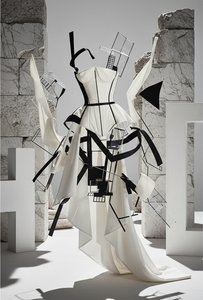
Gianfranco Ferré: Deconstructing Haute Couture – A Legacy of Architectural Form
Explore the revolutionary world of Gianfranco Ferré, 'the architect of fashion.' Discover his architectural approach to haute couture, iconic Dior designs, and lasting influence on luxury style. A deep dive for collectors & enthusiasts.
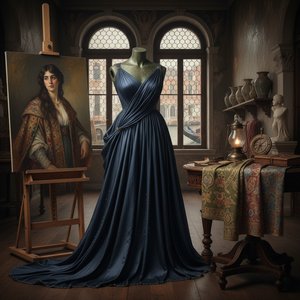
Mariano Fortuny: A Fusion of Art, Fashion & Design – Exploring a Venetian Innovator's Legacy
Explore the captivating world of Mariano Fortuny – artist, designer & innovator. Discover his revolutionary textiles, iconic Delphos gown, and lasting influence on art, fashion & interiors. A collector's guide to a Venetian master.