

 Preview
 Send
Send Share
Share
 Details

 Download
 Similars
 X-Ray
X-Ray Diaporama
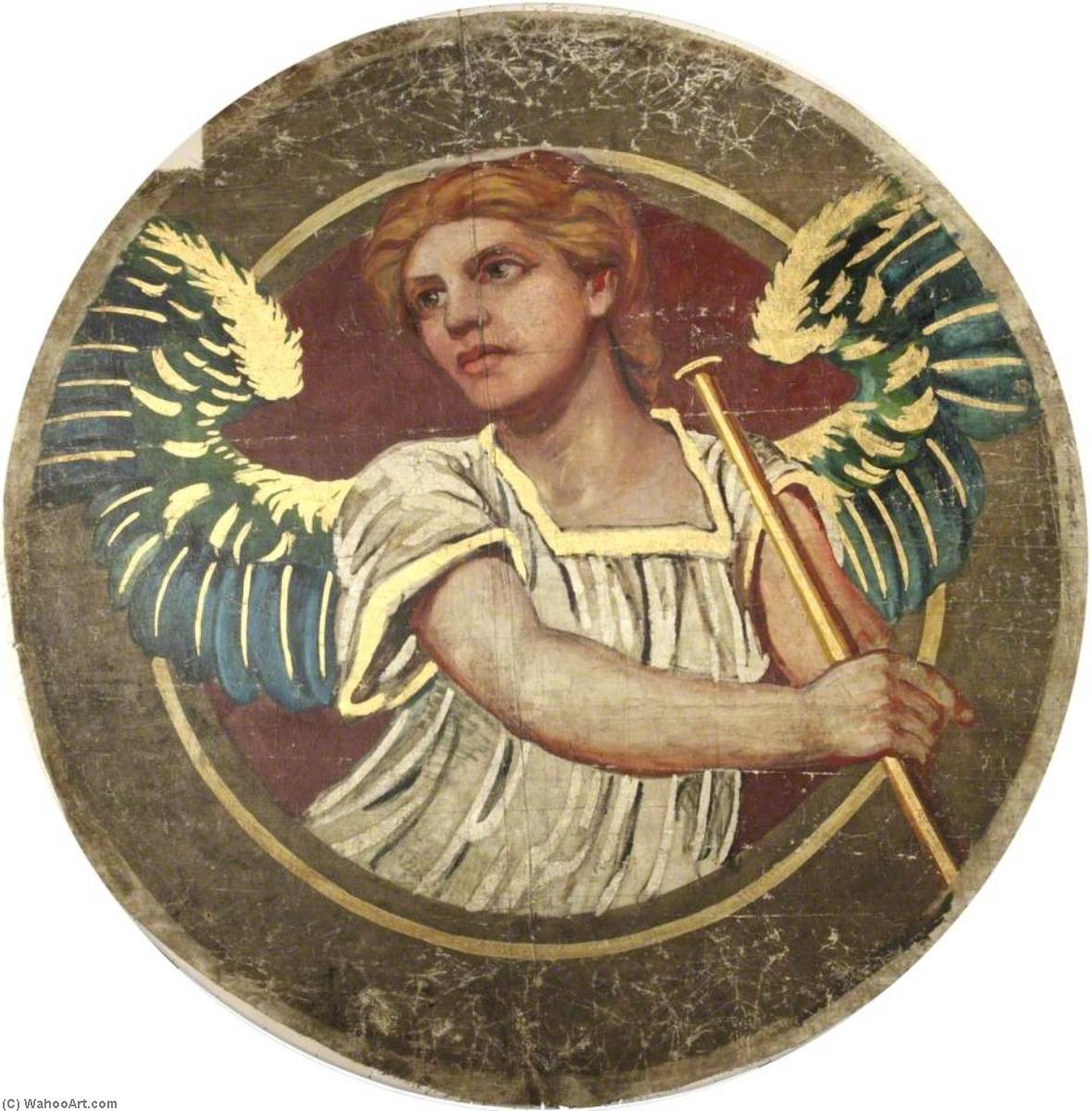
Angel with a Staff (cartoon for St Paul's Cathedral)
 Victorian Academic
 1880
1880- 19th Century
 153.0 x 153.0 cm
 Walker Art Gallery
 Read More
Purchase a high-resolution, enhanced digital image, far superior to the online preview.
Each file is meticulously prepared by our in-house specialists using advanced tools and expert manual retouching. We ensure every image has exceptional clarity, precise color accuracy, and fine detail.
The final file is delivered via email within 72 hours, optimized for immediate use in professional, editorial, and print environments. This is the same quality trusted by top-tier design studios, publishers, and galleries.
Digital Image
Download a high-resolution file for personal display, printing, and creative projects. ( Buy Print Buy Hand Made Painting)
Included in Every Digital Image Order
Expert Digital Delivery, Guaranteed
When you choose ArtsDot.com, you're not just getting an image - you're receiving a professionally enhanced digital artwork, crafted with precision and backed by a satisfaction guarantee. Here's everything that comes with your order, automatically:

Fast Email Delivery
Your high-resolution digital image file will be emailed to you within 72 hours of ordering - ready for immediate use.

AI-Enhanced Digital File
Your artwork is professionally optimized using advanced AI tools and manual editing, ensuring maximum detail, clarity, and color accuracy.

Free Lifetime Re-Delivery
Accidentally deleted or lost your file? No worries - we'll resend it to you anytime, free of charge.

No Import Fees - Ever
Enjoy your artwork instantly with zero customs, duties, or delivery fees - digital downloads are always tax-free.

Color Accuracy Guarantee
We ensure your digital image reflects the original colors as closely as possible using professional tools and color management.

60-Day Satisfaction Guarantee
If you're not satisfied with your digital image, we'll revise it or refund 100% within 60 days - no questions asked.

100% Money-Back Guarantee
Not satisfied? Get a full refund within 60 days of receiving your digital file - no questions asked.

Bulk Order Discounts
Buy 3 images, save 10% - Buy 5, save 15% - Buy 10+, save 20%. Great for creative projects, galleries, and agencies.
A Celestial Vision in Crimson and Gold
In the ethereal realm of late Victorian decorative arts, few works capture the intersection of divine grace and architectural grandeur as poignantly as Hugh Hutton Stannus’s Angel with a Staff. Originally conceived as a cartoon for the magnificent St Paul's Cathedral, this piece transcends its functional origins to become a profound meditation on the celestial. The angel, depicted with a downward gaze of quiet contemplation, serves as a bridge between the earthly viewer and the heavens. Her flowing hair and the delicate grip on her staff suggest a moment of paused motion, an eternal stillness captured in pigment. The composition is anchored by a rich, dramatic palette where deep crimsons meet shimmering golds, creating a sense of warmth and sacredness that commands the attention of any space it inhabits.
The technique employed by Stannus reveals the hand of a master craftsman who understood how light must interact with grand architectural settings. The interplay of light and shadow across the angel's wings and features provides a sculptural quality, making the figure appear to emerge from the very fabric of the background. This mastery of depth is essential for those seeking a centerpiece for interior design; the painting possesses an inherent luminosity that can transform a room, offering a sense of historical weight and classical elegance. The vibrant color scheme is not merely decorative but serves to evoke the opulence of the 19th-century ecclesiastical aesthetic, making it an ideal choice for collectors who appreciate art that carries a narrative of spiritual splendor.
Historical Resonance and Decorative Elegance
To understand this work is to understand the era of its creation. Painted in 1880, during a period when British artists were increasingly looking back toward Renaissance ideals to inform modern craftsmanship, Stannus’s work embodies a sophisticated revivalism. While his name may not carry the flamboyant celebrity of some of his contemporaries, his ability to translate complex theological themes into accessible, visually stunning imagery is unparalleled. This particular piece, intended for one of the world's most iconic cathedrals, carries with it an aura of monumental importance. It is a testament to a time when art was deeply integrated into the very bones of our most sacred structures.
For the discerning interior designer or the passionate art lover, a reproduction of this caliber offers more than just visual beauty; it offers a connection to a lost era of meticulous detail and symbolic depth. The Angel with a Staff functions as a powerful focal point in a curated collection, providing a sense of tranquility and timelessness. Whether placed in a formal gallery setting or used to add a touch of classical drama to a contemporary living space, the painting invites continuous rediscovery. It remains a breathtaking example of how art can elevate a physical environment, turning a mere room into a sanctuary of historical reflection and aesthetic delight.
Related Artworks


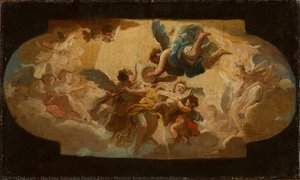
Artist Biography
Hugh Hutton Stannus: Bridging Victorian Craftsmanship and Renaissance Ideals
Hugh Hutton Stannus (1840-1908) stands as a quietly significant figure in late 19th and early 20th-century British art, an artist whose career unfolded largely behind the scenes of grander projects yet profoundly shaped their aesthetic outcomes. Often overshadowed by his prominent collaborators – particularly Alfred Stevens – Stannus’s contributions to architectural decoration, sculpture, and design reveal a meticulous craftsman deeply rooted in both Victorian tradition and a surprisingly informed appreciation for classical forms. His legacy isn't one of flamboyant celebrity, but rather a testament to the enduring value of technical skill, patient observation, and a dedication to elevating the everyday through artistic intervention.
Born in Sheffield, a city renowned for its metalworking heritage, Stannus’s early life was inextricably linked to the practical realities of industrial production. His father, a church minister, instilled in him a respect for craftsmanship, while his mother's family background provided connections within the burgeoning world of decorative arts. This grounding proved crucial when he apprenticed with H.E. Hoole & Co., a foundry specializing in producing casts for Alfred Stevens’s increasingly popular sculptures. It was here that Stannus honed his skills in metal casting, developing an intimate understanding of materials and techniques – knowledge that would later prove invaluable in his own artistic endeavors.
Collaboration with Alfred Stevens: A Partnership of Vision
Stannus's most significant professional relationship was undoubtedly with Alfred Stevens, a sculptor whose work epitomized the Victorian fascination with classical antiquity. Initially an assistant to Stevens, Stannus quickly evolved into a trusted collaborator, contributing significantly to projects such as the Wellington monument for St Paul’s Cathedral – a monumental undertaking that consumed much of Stevens's later years. The protracted delays and artistic challenges associated with this project are vividly documented in Stevens’s own memoir, “Alfred Stevens and his Work,” where Stannus is acknowledged as instrumental in preserving the original design elements and navigating the complexities of execution.
Beyond the Wellington monument, Stannus's involvement spanned a diverse range of commissions. He meticulously recreated fragments of the original design for the statue, ensuring its continued integrity despite the numerous setbacks. His understanding of Stevens’s artistic vision—particularly his emphasis on idealized forms and dynamic compositions—allowed him to seamlessly integrate into the creative process. This collaboration wasn’t merely one of technical assistance; Stannus brought a keen eye for detail and an unwavering commitment to realizing Stevens's ambitious goals.
Architectural Decoration and Beyond: A Broadening Scope
While his work with Stevens cemented his reputation, Stannus steadily expanded his practice into the realms of architecture and decorative design. He quickly gained recognition for his skill in applying classical principles to contemporary buildings, transforming utilitarian structures into objects of beauty and elegance. His designs for the Cutlers’ Hall in Sheffield, the Sheffield United Gas Light Company Offices, and numerous private residences demonstrate a masterful command of proportion, ornamentation, and material choice.
Stannus's architectural contributions weren't limited to mere embellishment; he frequently undertook structural alterations, demonstrating a holistic approach to design. His work on the Channing Hall in Sheffield, for example, involved significant modifications to the building’s façade, seamlessly integrating decorative elements with the existing structure. He also designed the Sunday School centenary memorial at Essex church (unitarian), Notting Hill, showcasing his ability to create meaningful and visually compelling public art.
Legacy and Influence: A Quiet Master
Hugh Hutton Stannus’s impact on British art history is often understated, yet profoundly significant. He represents a crucial link between the Victorian revival of classical ideals and the emerging trends in decorative arts. His meticulous craftsmanship, combined with his deep understanding of both historical precedents and contemporary needs, produced works that are both timelessly elegant and remarkably practical.
His legacy extends beyond individual commissions; Stannus’s dedication to teaching and lecturing at institutions like University College London and the Royal College of Art ensured the transmission of his skills and knowledge to subsequent generations of artists and designers. He wasn't a flamboyant innovator, but rather a steady hand guiding the evolution of Victorian craftsmanship—a quiet master whose influence resonates through the enduring beauty of his creations.
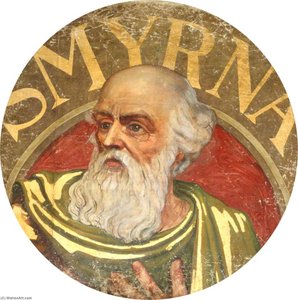
hugh hutton stannus
1840 - 1908
Quick Facts
- Artistic Movement Or Style: Victorian Sculpture/Architecture
- Artists Or Movements Influenced By This Artist: ["St Paul's Cathedral"]
- Artists Who Influenced This Artist: ['Alfred Stevens']
- Date Of Birth: March 21, 1840
- Date Of Death: August 18, 1908
- Full Name: Hugh Hutton Stannus
- Nationality: British
- Notable Artworks:
- Moses (cartoon)
- Figure with Raised Arms
- Place Of Birth: Sheffield, England

