 Preview
 Send
Send Share
Share
 Details

 Download
 Similars
 X-Ray
X-Ray Diaporama
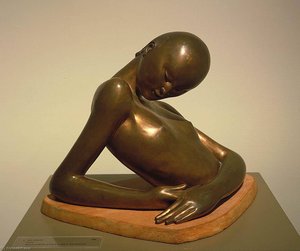
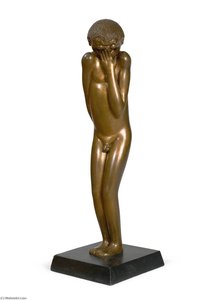
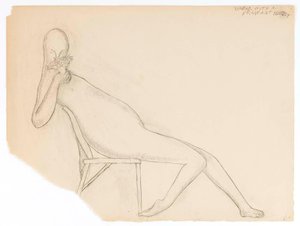
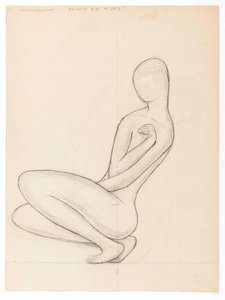
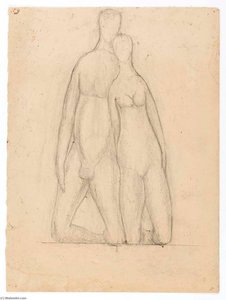
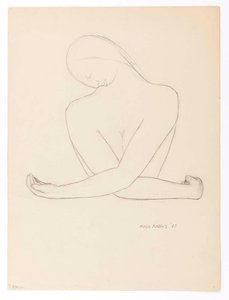
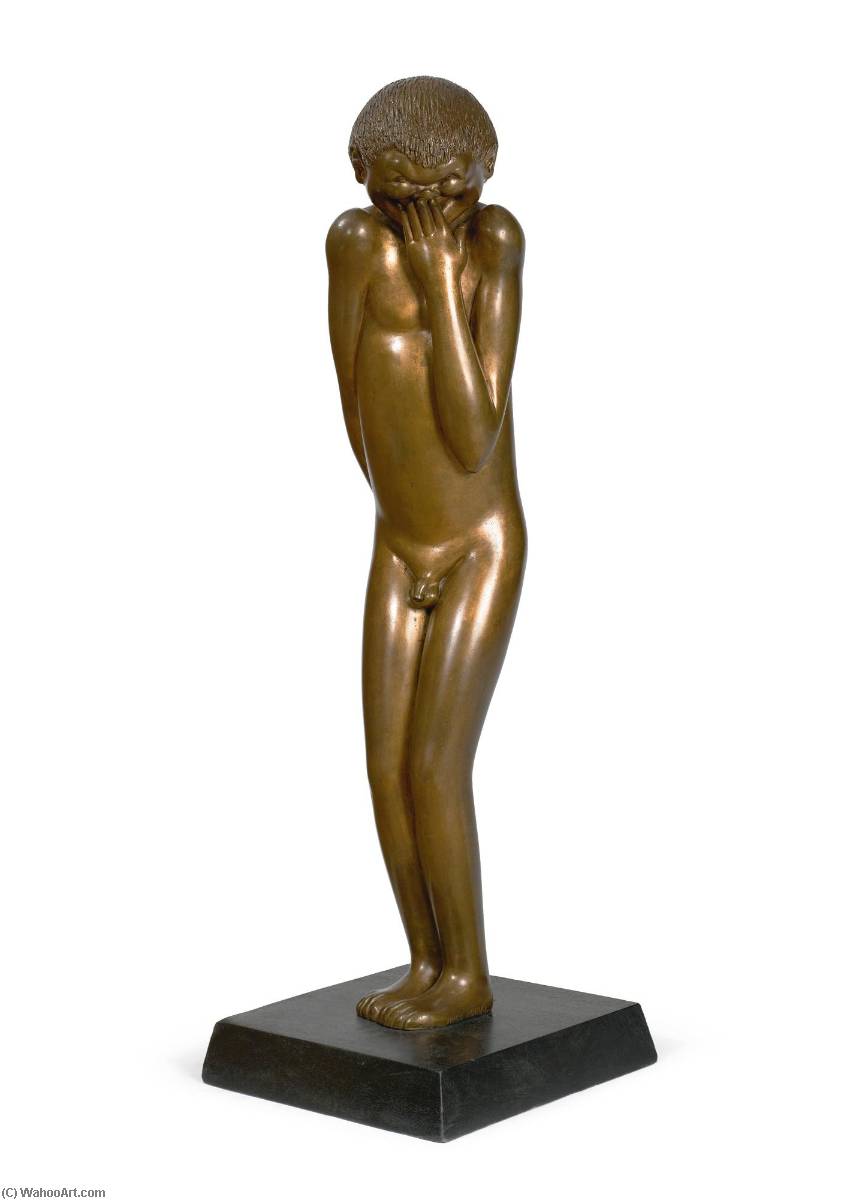
The Spirit of Youth

 Read More
Giclée / Art Print
Museum-quality giclée or canvas print with fast production and flexible finish options. ( Buy Hand Made Painting Buy Image)




































Pick from our preset sizes that match the artwork's original proportions.

You may enter your own dimensions to fit a specific frame or space. If your selected size does not match the original image's proportions, we will either crop the artwork or extend the image with a mirrored or solid-fill edge. A digital mockup will be sent for your approval before production begins.
Please note that the on-screen preview does not reflect the actual cropping or extension. Only the mockup will accurately show the final composition.
While custom sizes are available, we recommend selecting a dimension from the predefined list to preserve the original proportions.
Worldwide Delivery () in 2 weeks instead of standard 4/5 weeks. (28 August)

Free Worldwide Express Shipping

High-Quality Linen Canvas

Full Shipping Insurance

Customs Tax Refund Guarantee

True Color Matching Guarantee

60-Day Return Policy (Defects Only)

100% Money-Back Guarantee

Bulk Discount Offer
 Glass option is only available in size under 110 CM

The Spirit of Youth
Giclée / Art Print
Reproduction Size
-


Total Price
$ 63
Related Artworks
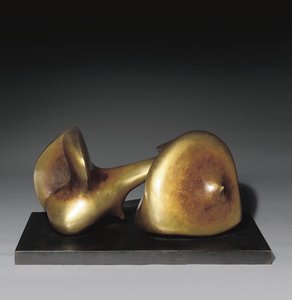
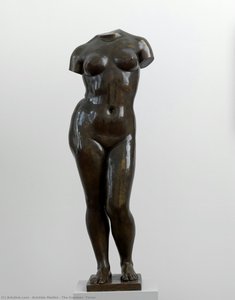
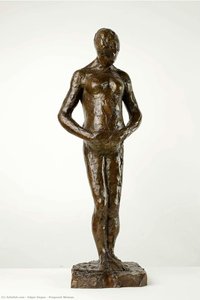
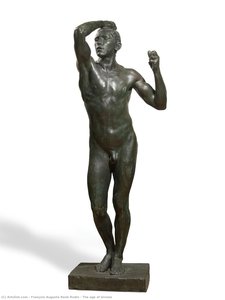
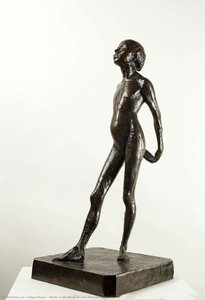
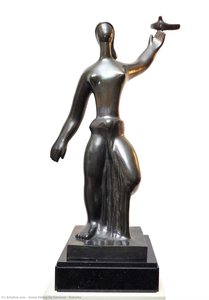
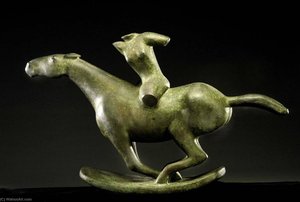
Artist Biography
The Sculptural Lyricism of Hugo Robus
In the grand tapestry of twentieth-century American art, few figures possess the quiet, transformative power of Hugo Robus. Born in Cleveland, Ohio, in 1885, Robus embarked on a creative odyssey that would see him traverse the boundaries between the two-dimensional world of painting and the tactile, three-dimensional realm of sculpture. His journey was not merely one of changing mediums, but an evolution of spirit—a movement from the structured, fragmented perspectives of Cubism toward a deeply personal, lyrical abstraction that sought to capture the very essence of human emotion through form.
Robus’s artistic foundation was built upon rigorous classical training. His early years at the Cleveland School of Art and the National Academy of Design in New York City provided him with a disciplined command of technique, yet it was his time in Paris that truly ignited his avant-garde sensibilities. Immersed in the vibrant atmosphere of the Académie de la Grande Chaumière under the guidance of Emile Carlsen, Robus breathed in the revolutionary air of European modernism. This exposure to the radical shifts of the era allowed him to experiment with the geometric complexities of Picasso and Braque, yet he possessed an innate drive to move beyond purely intellectual exercises toward something more visceral and emotive.
A Transition from Canvas to Bronze
The 1920s marked a profound metamorphosis in Robus’s career. While he began his professional life as a painter, the limitations of the flat surface eventually gave way to a fascination with volume, weight, and the interplay of light upon physical form. This transition was not an abandonment of his earlier explorations but a refinement of them. The fragmented logic of Cubism found a new, more fluid expression in his sculptural work, where he began to masterfully balance positive and negative space—a technique that would later echo the profound influence of Surrealist masters like Henry Moore.
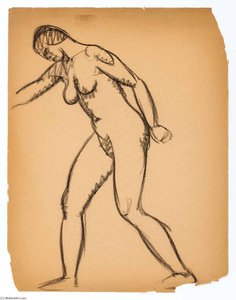
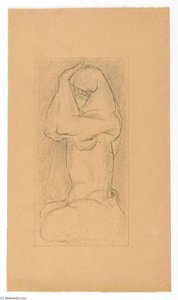
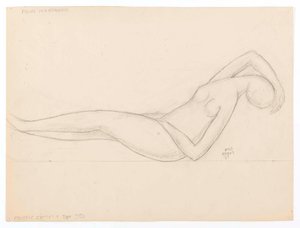
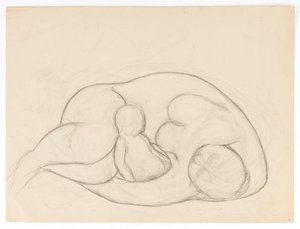
As a sculptor, Robus developed a signature style characterized by serene elegance and sinuous contours. His works often feature stylized figures with polished surfaces that invite the eye to dance along their curves. He possessed a unique ability to render the human form not as a rigid anatomical study, but as a vessel for movement and feeling. Whether through the rhythmic lines of a bronze figure or the delicate tension in a pencil drawing, his work consistently sought to embody fundamental themes of domesticity, grace, and the quiet rhythms of life.
Legacy and the New City Colony
Beyond his individual masterpieces, Robus played a vital role in the communal fabric of American modernism. In 1918, alongside contemporaries such as Henry Varnum Poor and Martha Kantor, he co-founded an influential art colony in New City, New York. This enclave became a sanctuary for creative experimentation, fostering a community where the boundaries between different artistic disciplines could blur and evolve.
The enduring significance of Hugo Robus is etched into the permanent collections of the world's most prestigious institutions. His ability to bridge the gap between the structural rigor of early modernism and the expressive freedom of lyrical abstraction ensures his place in art history. Today, his works serve as poignant reminders of a period when American art was finding its unique voice—a voice that Robus helped shape through bronze, stone, and an unwavering commitment to the beauty of the human spirit.
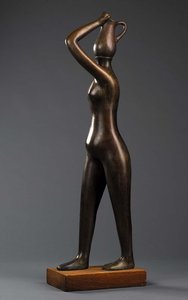
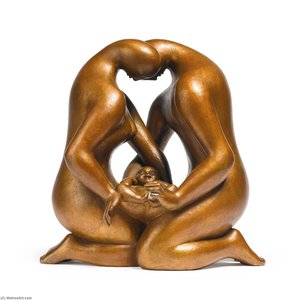
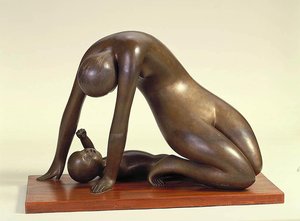
- Notable Sculptural Works: Woman Washing Her Hair, Girl Reading, Mother With Child, and Torso in Flight.
- Key Artistic Influences: Cubism (Picasso, Braque), Surrealism (Henry Moore), and the classical training of Emile Carlsen.
- Institutional Recognition: The Whitney Museum of American Art, The Museum of Modern Art (MoMA), and the Metropolitan Museum of Art.
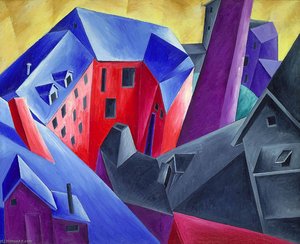
hugo robus
1885 - 1964
Quick Facts
- Artistic Movement Or Style: Cubist
- Artists Or Movements Influenced By This Artist: ['Italian Futurism']
- Artists Who Influenced This Artist:
- Emile Carlsen
- Antoine Bourdelle
- Date Of Birth: 1885
- Date Of Death: January 14, 1964
- Full Name: Hugo Robus
- Nationality: American
- Notable Artworks:
- Study for Figure in a Hammock
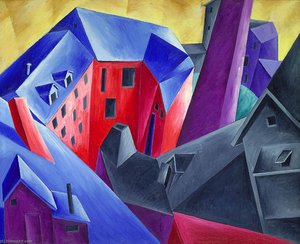
- Backyards
- Place Of Birth: Cleveland, Ohio
Related Articles

Bronze Age to Modern Masters: 10 Sculptures That Redefined Art | ArtsDot
Journey through art history with 10 legendary bronze sculptures – from Michelangelo's David to Rodin’s Thinker. Explore the stories, techniques & timeless beauty of these masterpieces. Find museum-quality reproductions & elevate your home decor on ArtsDot.com.

Bronze Sculptures That Defined Art History | ArtsDot
Journey through art history with our Top 10 bronze sculptures! Explore masterpieces by Rodin, Michelangelo & more. Discover stories behind iconic statues and find museum-quality reproductions for your home decor at ArtsDot.com.

The Enduring Legacy of Bronze: A Historical & Artistic Exploration for the Collector
Explore the rich history & enduring appeal of bronze sculpture with expert insights for collectors at ArtsDot. Learn about casting techniques, iconic artists, collecting tips & contemporary interpretations.
The Enduring Legacy of Bronze: History, Technique & Artistic Expression for the Collector
Explore the rich history & enduring appeal of bronze sculpture with expert insights for collectors at ArtsDot. Learn about casting techniques, iconic artists, and collecting tips.
The Enduring Legacy of Bronze Sculpture: A Collector's Guide to Form & Cultural Significance
Explore the rich history & enduring appeal of bronze sculpture with expert insights for collectors at ArtsDot. Learn about casting techniques, iconic artists, and collecting tips to build a discerning art collection.