 Preview
 Send
Send Share
Share
 Details

 Download
 Similars
 X-Ray
X-Ray Diaporama
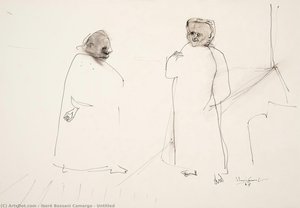
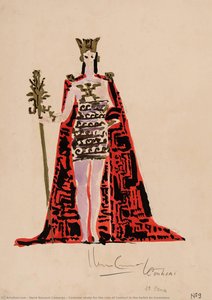
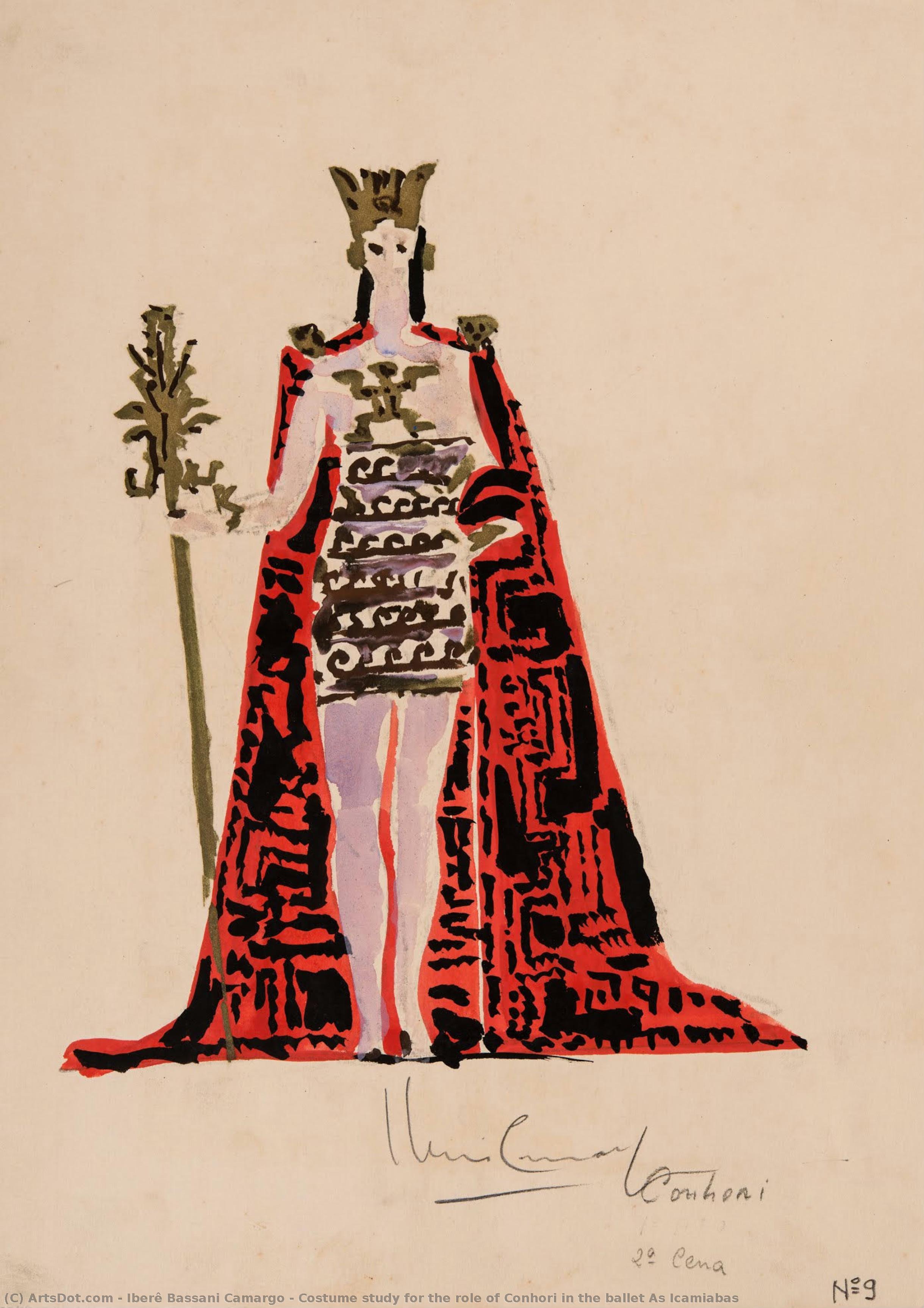
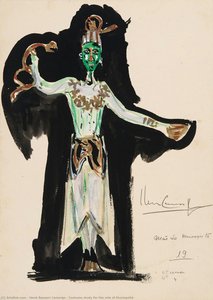
Costume study for the role of Conhori in the ballet As Icamiabas
 Drawing
- WallArt
- Expressionism
 1959
1959- Modern
 1.0 x 25.0 cm
 Iberê Camargo Foundation
 Read More
Giclée / Art Print
Museum-quality giclée or canvas print with fast production and flexible finish options. ( Buy Hand Made Painting Buy Image)




P118B $10

P118H $10

P118W $10

P438Z $10

P508JH $12

P508YH $12

P805H $10

P805Z $10

P919BZ $10

P919G $10

P919XJ $10

P959ZH $10

P968JZ $12

W106C $8

W218G $10

W218JH $8

W218Y $10

W307PJ $10

W316G $10

W316PJ $8

W316Y $10

W398PJ $8

W4111J $10

W500HY $15

W500JH $15

W692G $12

W849H $8

W940BG $15

W953PJ $8




Pick from our preset sizes that match the artwork's original proportions.

You may enter your own dimensions to fit a specific frame or space. If your selected size does not match the original image's proportions, we will either crop the artwork or extend the image with a mirrored or solid-fill edge. A digital mockup will be sent for your approval before production begins.
Please note that the on-screen preview does not reflect the actual cropping or extension. Only the mockup will accurately show the final composition.
While custom sizes are available, we recommend selecting a dimension from the predefined list to preserve the original proportions.
Worldwide Delivery () in 2 weeks instead of standard 4/5 weeks. (5 September)

Free Worldwide Express Shipping

High-Quality Linen Canvas

Full Shipping Insurance

Customs Tax Refund Guarantee

True Color Matching Guarantee

60-Day Return Policy (Defects Only)

100% Money-Back Guarantee

Bulk Discount Offer
 Glass option is only available in size under 110 CM

Costume study for the role of Conhori in the ballet As Icamiabas
Giclée / Art Print
Reproduction Size
-


Total Price
$ 63
A Visionary Sketch: The Elegance of Iberê Camargo’s Costume Study
In the quiet, focused moments of 1959, within the vibrant cultural atmosphere of Rio de Janeiro, the Brazilian master Iberê Camargo embarked on a delicate creative journey that transcended his usual expressionist intensity. His work, Costume study for the role of Conhori in the ballet As Icamiabas, serves as a captivating window into the intersection of fine art and performing arts. This piece is not merely a technical draft but a poetic exploration of character and regality. Through a masterful use of line and contrast, Camargo captures a figure of immense grace, draped in attire that suggests the weight of history and the splendor of a sovereign. The drawing presents a woman adorned with a crown, her presence anchored by the symbolic authority of a scepter and wand, creating an aura of timeless majesty that commands the viewer's attention.
The technique employed in this study reveals a sophisticated command over monochromatic tones, allowing the artist to manipulate light and shadow to create depth and texture. While the medium presents as a black and white composition, there is a profound sense of warmth and movement inherent in the strokes. The description of a red cape—a splash of imagined or subtle color within the artistic vision—adds a layer of dramatic flair, suggesting a regal silhouette that would dance across a stage. For collectors and interior designers, this work offers a unique opportunity to introduce a piece that embodies both the structural discipline of a costume designer and the soulful, emotive brushwork of an expressionist giant. It is a study in balance, where every accessory is placed with strategic intent to enhance the narrative of the character Conhori.
Historical Resonance and Artistic Legacy
To understand this work is to understand the broader trajectory of Iberê Camargo, one of Brazil's most influential artistic figures. While he is widely celebrated for his powerful, often turbulent expressionist canvases that delve into the human condition, this ballet study showcases his versatility and his ability to engage with the decorative and theatrical arts. Created during a period of significant cultural movement in Brazil, the piece reflects the era's fascination with blending classical themes with modern interpretations. The subject matter, rooted in the ballet As Icamiabas, connects the viewer to the rich tradition of Brazilian performance art, making this drawing a vital historical document of mid-century creative collaboration.
For those looking to adorn a space with art that tells a story, this reproduction offers more than just aesthetic beauty; it provides a connection to the legacy of the Iberê Camargo Foundation and the architectural and artistic brilliance of Porto Alegre. Integrating such a piece into a curated collection or a sophisticated interior design scheme brings an element of intellectual depth and historical prestige. It invites conversation about the fluidity of identity, the drama of the stage, and the enduring power of a single, well-placed line to evoke an entire world of royalty and myth.
Related Artworks

Artist Biography
**life and work**
iberê bassani camargo, a prominent figure in brazilian art, was born on november 18, 1914, in restinga seca, brazil. he left an indelible mark on the art world with his expressionist masterpieces before passing away on august 8, 1994, in porto alegre, brazil.**artistic legacy and the iberê camargo foundation**
following his death, his widow, maria coussirat camargo, established the iberê camargo foundation, which has been instrumental in preserving and promoting his work. since 2008, the foundation's headquarters and museum, designed by renowned portuguese architect álvaro siza, have displayed thousands of camargo's paintings.**notable works and collections**
some of iberê bassani camargo's notable works include:- ciclista 3 (cyclist 3), a piece that showcases his unique expressionist style, is part of the iberê camargo foundation's collection in porto alegre, brazil. [https://ArtsDot.com/@@/d7b6up-ibere-bassani-camargo-ciclista-3-(cyclist-3)]
- missa do pedido (mess to order), another significant piece, demonstrates camargo's versatility and is also housed within the iberê camargo foundation. [https://ArtsDot.com/@@/d7b5uj-ibere-bassani-camargo-missa-do-pedido-(mess-to-order-)]
- study for no tempo (into time), an example of his preparatory work, is a testament to his meticulous approach. [https://ArtsDot.com/@@/d7b6ln-ibere-bassani-camargo-study-for-no-tempo-(into-time)]
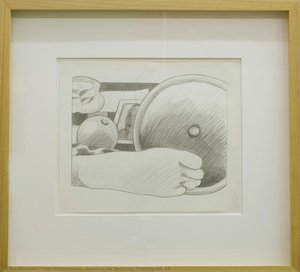
- study for mesa com espelho (table and mirror), a graphite piece, highlights his experimental nature. [https://ArtsDot.com/@@/d7b63k-ibere-bassani-camargo-study-for-mesa-com-espelho-(table-and-mirror)]
- untitled, an oil on paper piece, showcases his abstract expressionist side. [https://ArtsDot.com/@@/d9hd9u-ibere-bassani-camargo-untitled]
**conclusion**
iberê bassani camargo's legacy is a testament to the enduring power of expressionist art. through his work and the iberê camargo foundation, he continues to inspire new generations of artists and art enthusiasts alike. **further reading:** - [https://ArtsDot.com/@/ibere-bassani-camargo](artist page on ArtsDot) - [https://en.wikipedia.org/wiki/iber%c3%aa_camargo](wikipedia)
iberê bassani camargo
1914 - 1994 , Brazil
Quick Facts
- Artistic Movement Or Style: Expressionism
- Artists Who Influenced This Artist:
- Franz Marc
- Henri Matisse
- Date Of Birth: November 18, 1914
- Date Of Death: August 8, 1994
- Full Name: Iberê Bassani Camargo
- Nationality: Brazilian
- Notable Artworks:
- Ciclista 3
- Missa do pedido
- Study for No tempo
- Study for Mesa com espelho
- Untitled
- Place Of Birth: Restinga Seca, Brazil
Related Articles

Dark Masterpieces: 10 Iconic Paintings Dominated by Black Tones |
Explore 10 iconic paintings dominated by black tones, from Rembrandt’s chiaroscuro to Goya's dark expressions. Discover the stories behind these masterpieces & find museum-quality art reproductions for your home at .
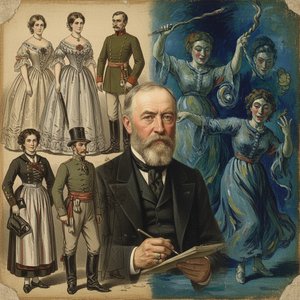
Albert Kretschmer: Capturing 19th-Century Costume & the Seeds of Expressionism
Explore the exquisite costume studies of Albert Kretschmer (1825-1891). Discover his detailed illustrations, influence on art history & connection to early Expressionism. Learn about collecting this remarkable artist's work.

The Nuances of Graphite: Exploring Emotional Depth & Technical Mastery in Pencil Drawing
Explore the captivating world of graphite drawing! Discover its rich history, master essential techniques like chiaroscuro, and learn how artists evoke emotion through this timeless medium. Expert insights for art enthusiasts.
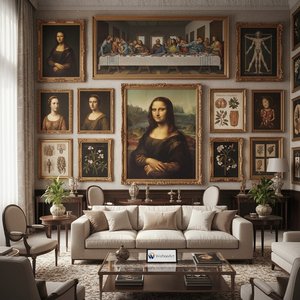
Leonardo da Vinci's Masterpieces: Explore 25 Iconic Artworks for Your Home | ArtsDot
Journey through Leonardo da Vinci's genius with our curated selection of 25 iconic artworks. Explore the stories behind Mona Lisa, The Last Supper & more Renaissance masterpieces. Find museum-quality art reproductions for your home at ArtsDot.com.
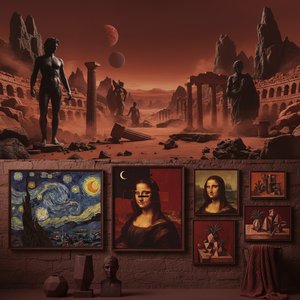
Mars Black Masterpieces: 10 Iconic Paintings & Timeless Art Decor Ideas
Delve into the power of 'Mars Black' with 10 iconic paintings by masters like Rembrandt & Caravaggio. Explore dramatic chiaroscuro, gothic art, and timeless beauty. Find museum-quality reproductions & elevate your home decor on .