 Preview
 Send
Send Share
Share
 Details

 Download
 Similars
 X-Ray
X-Ray Diaporama
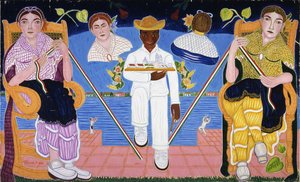
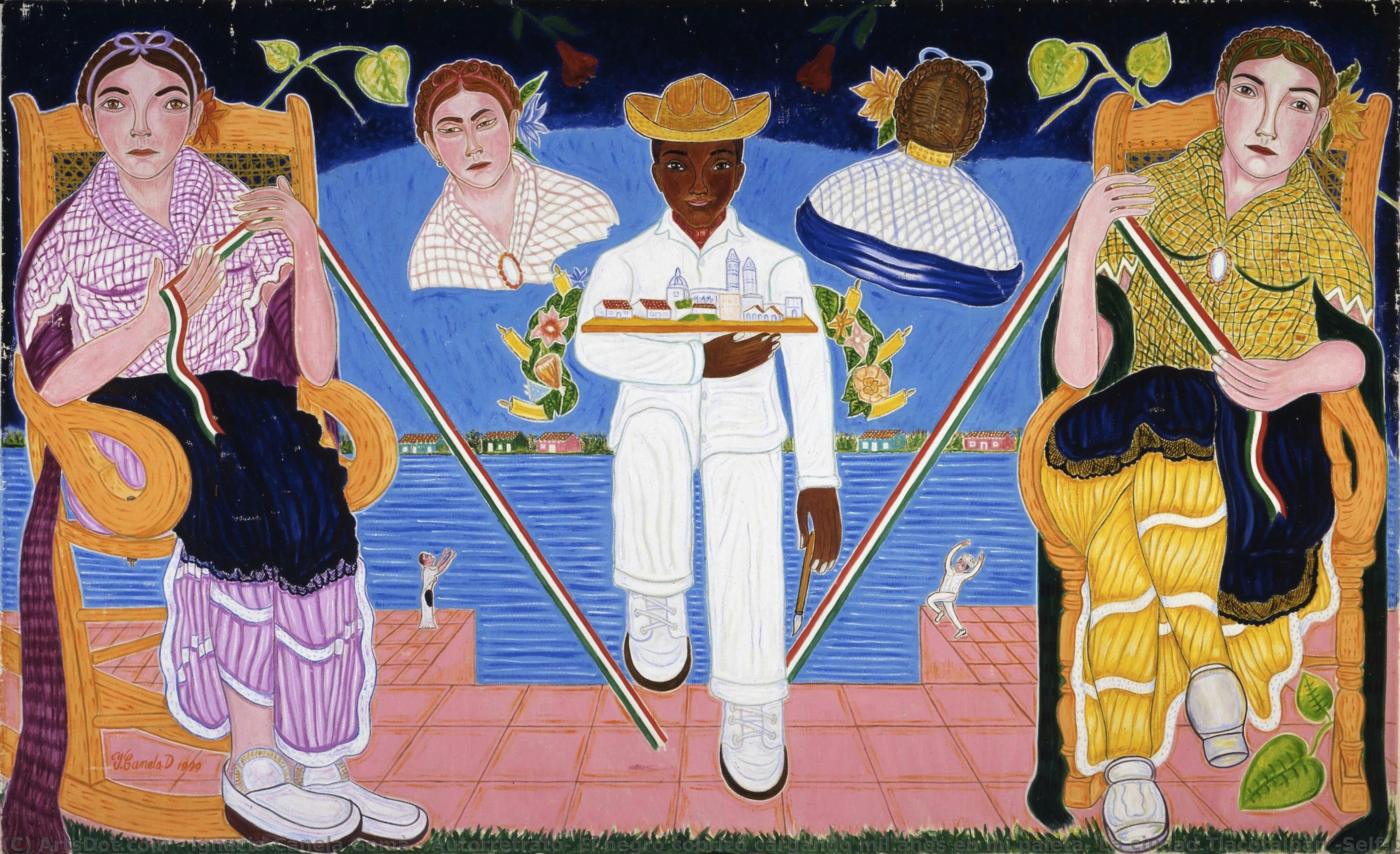
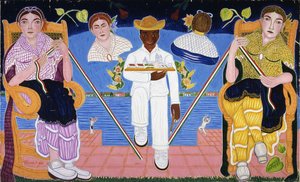
Autorretrato: El negro cobrizo cargando mil años en mi paleta, La ciudad Tlacotalpan (Self-portrait; The Copper-toned Black Man Carrying One Thousand Years on My Palette, City of Tlacotalpan)


 Read More
Hand Made Oil Reproduction
Hand-painted oil on canvas in your size and frame, made to order by our artists. ( Buy Print Buy Image)




P118B $10

P118H $10

P118W $10

P438Z $10

P508JH $12

P508YH $12

P805H $10

P805Z $10

P919BZ $10

P919G $10

P919XJ $10

P959ZH $10

P968JZ $12

W106C $8

W218G $10

W218JH $8

W218Y $10

W307PJ $10

W316G $10

W316PJ $8

W316Y $10

W398PJ $8

W4111J $10

W500HY $15

W500JH $15

W692G $12

W849H $8

W940BG $15

W953PJ $8




Pick from our preset sizes that match the artwork's original proportions.

You may enter your own dimensions to fit a specific frame or space. If your selected size does not match the original image's proportions, we will either crop the artwork or extend the painting with additional hand-painted elements. A digital mockup will be sent for your approval before production begins.
Please note that the on-screen preview does not reflect the actual cropping or extension. Only the mockup will accurately show the final composition.
While custom sizes are available, we recommend selecting a dimension from the predefined list to preserve the original proportions.
After order, ArtsDot.com team will email client for instructions and provide a mockup preview
Worldwide Delivery () in 3/4 weeks instead of standard 5 weeks. (27 August). No compromise on quality.

Free Worldwide Express Shipping

High-Quality Linen Canvas

Full Shipping Insurance

Customs Tax Refund Guarantee

True Color Matching Guarantee

60-Day Return Policy (Defects Only)

100% Money-Back Guarantee

Bulk Discount Offer
 Glass option is only available in size under 110 CM

Autorretrato: El negro cobrizo cargando mil años en mi paleta, La ciudad Tlacotalpan (Self-portrait; The Copper-toned Black Man Carrying One Thousand Years on My Palette, City of Tlacotalpan)
Reproduction Medium
Reproduction Size
-


Total Price
$ 338
Artwork Description
A Visionary Tableau of Heritage and Surrealism
In the mesmerizing canvas of Autorretrato: El negro cobrizo cargando mil años en mi paleta, La ciudad Tlacotalpan, Ignacio Canela Gomà invites the viewer into a dreamlike realm where history and identity converge. This profound self-portrait is far more than a mere depiction of figures; it is a theatrical stage set where the weight of a thousand years rests upon the artist's palette. The composition presents a striking, symmetrical arrangement that commands immediate attention, centered around a figure who serves as both protagonist and provider. Flanked by women seated in ornate, regal chairs, the scene unfolds with a sense of ritualistic importance, pulling the observer into a social gathering that feels simultaneously intimate and mythic.
The artist utilizes a bold, almost naive art aesthetic, characterized by thick, expressive lines and a flattened perspective that evokes the charm of folk realism. There is a deliberate, cartoonish exaggeration in the features of the subjects, which serves to heighten the emotional resonance of the piece rather than diminish it. By eschewing traditional depth for a stage-like effect, Gomà creates a sense of immediacy, as if the viewer has just stepped into a private, sacred moment within the vibrant streets of Tlacotalpan. The interplay of geometric shapes—circles, squares, and rectangles—intertwined with organic floral motifs creates a visual rhythm that is both structured and wildly alive.
A Symphony of Color and Symbolic Depth
The color palette of this masterpiece is nothing short of intoxicating. Gomà employs intensely saturated, contrasting hues that lend the work a surreal, dreamlike quality. These vibrant tones do not merely decorate the canvas; they breathe life into the Jarochos culture he so loves to portray. The use of light is particularly noteworthy, appearing artificial and directional, casting distinct shadows that grant a sculptural three-dimensionality to the figures despite the flattened space. This technique creates a tension between the two-dimensional graphic style and the palpable presence of the subjects.
Symbolism permeates every brushstroke of this 1999 creation. The central tray of food acts as a powerful emblem of abundance, hospitality, and the sustenance of tradition. Meanwhile, the enigmatic expressions of the seated women suggest a narrative layered with untold stories, perhaps reflecting the complex social tapestries of Veracruz. For the collector or interior designer, this painting offers a profound focal point; it is a piece that demands conversation, offering layers of meaning regarding the endurance of Mexican heritage and the personal journey of an artist carrying his history within his very tools of creation.
An Essential Acquisition for the Discerning Collector
For those seeking to infuse a space with cultural soul and artistic vigor, this reproduction offers an unparalleled opportunity. The artwork’s ability to evoke both invitation and a slight, haunting unease makes it a versatile addition to sophisticated interiors, ranging from contemporary galleries to classic, curated homes. It serves as a window into the costumbrista tradition, reimagined through a modern, surrealist lens.
Owning a piece that captures the essence of Tlacotalpan is an act of embracing beauty and resilience. Whether viewed as a study in color theory or a deep dive into Mexican identity, this painting remains a timeless testament to the power of art to preserve the spirit of a people. It is a masterful blend of technique and emotion, making it an indispensable treasure for anyone passionate about the intersection of folk tradition and fine art excellence.
Related Artworks




Artist Biography
The Soul of Tlacotalpan: The Vibrant World of Ignacio Canela Gomà
Born in 1950 amidst the rich, cultural tapestry of Tlaxcala, Mexico, Ignacio Canela Gomà has dedicated his life to a profound visual dialogue with his heritage. His artistry is deeply rooted in the tradition of costumbrismo, a movement that seeks to honor the everyday rhythms, customs, and spirits of rural communities. For Canela, painting is not merely an act of documentation but a soulful celebration of Mexican identity. His work serves as a window into the heart of Tlacotalpan, Veracruz, where he transforms familiar landscapes and local traditions into canvases that pulse with vibrant color and symbolic depth.
Canela’s journey into the world of fine art began within a family steeped in artistic tradition, providing him with an early and intimate understanding of visual expression. Through rigorous self-discipline and a keen, observant eye, he developed a style that balances the meticulousness of realism with a lyrical, almost dreamlike interpretation of his subjects. His early explorations focused on the fundamental essences of Mexican landscapes and portraits, laying the groundwork for a mature style that would eventually bridge the gap between folk realism and surrealist wonder.
A Legacy of Color and Tradition
The aesthetic language of Canela Gomà is heavily informed by the giants of Mexican art history. He draws upon the monumental spirit of Diego Rivera, particularly in his ability to imbue his subjects with a sense of historical weight and cultural importance. Simultaneously, the lush, atmospheric quality of his landscapes echoes the influence of José María Velasco, utilizing bold color palettes to evoke the natural splendor of the Mexican terrain. This synthesis allows him to create works that feel both grounded in the earth and elevated by imagination.
In his most celebrated works, Canela often employs a naive art or folk-inspired aesthetic. This technique utilizes thick, expressive lines and a flattened perspective that lends a charming, almost theatrical quality to his compositions. His paintings frequently feature:
- Theatrical Compositions: Creating stage-like settings where history and identity converge in ritualistic arrangements.
- Cultural Iconography: Integrating elements of Jarochos culture, such as the intricate attire of Tehuana women, to anchor his work in regional tradition.
- Symbolic Narratives: Using objects—such as a baseball bat or a painter's palette—to weave complex stories about profession, memory, and the weight of time.
The Intersection of Reality and Surrealism
As his career progressed, Canela’s work evolved into a mesmerizing realm where the boundaries between the real and the surreal begin to blur. In masterpieces such as Autorretrato: El negro cobrizo cargando mil años en mi paleta, he invites viewers into a dreamlike state where the artist's palette becomes a vessel for a thousand years of history. These works are characterized by a striking symmetry and a sense of mythic importance, often presenting figures that feel both intimately human and legendary.
Whether he is capturing the quiet, intimate stillness of a Cuban baseball player alongside a Tehuana woman or depicting the bustling, colorful energy of a Tlacotalpan street scene, Canela Gomà remains a steadfast guardian of Mexican costumbrismo. His significance lies in his ability to take the commonplace and render it extraordinary, ensuring that the enduring beauty of traditional Mexican life is preserved through the transformative power of paint and light.
ignacio canela gomà
1950 - , Mexico
Quick Facts
- Artistic Movement Or Style: Costumbrista
- Artists Or Movements Influenced By This Artist: ['Federico Silva']
- Artists Who Influenced This Artist:
- Diego Rivera
- José María Velasco
- Date Of Birth: 1950
- Full Name: Ignacio Canela Gomà
- Nationality: Mexican
- Notable Artworks:
- Autorretrato: El negro cobrizo cargando mil años en mi paleta
- La ciudad Tlacotalpan
- Place Of Birth: Tlaxcala, Mexico
Related Articles

Copper Hues & Masterpieces: 10 Iconic Paintings for Timeless Home Decor
Explore 10 iconic paintings bathed in rich copper tones! From Rembrandt to Klimt, discover the stories behind these masterpieces & their warm color palettes. Find museum-quality art reproductions for your home at ArtsDot.com.
Revolution on Canvas: Exploring the Socio-Political Power & Artistic Legacy of Mexican Muralism
Explore the powerful world of Mexican muralism! Discover Diego Rivera, Frida Kahlo & Orozco's revolutionary art, social impact & lasting legacy. Expert insights & high-quality reproductions at ArtsDot.
Frida Kahlo: A Life Painted – Surrealism, Identity & Autobiographical Narrative
Explore the life & art of Frida Kahlo – a journey through surrealism, identity, pain, and resilience. Discover her autobiographical masterpieces & lasting feminist legacy with ArtsDot.
Diego Rivera: A Revolutionary Vision of Mexican Identity Through Muralism
Explore the revolutionary murals of Diego Rivera and his profound impact on Mexican art & identity. Discover his techniques, iconic works like 'Man at the Crossroads,' and lasting legacy with ArtsDot.

Dreamscapes & Disrupted Realities: Exploring Surrealism's Enduring Influence
Explore the fascinating world of Surrealism! Discover its origins, key artists like Dalí & Magritte, and enduring influence on art & culture. Expert insights & high-quality reproductions at ArtsDot.