 Preview
 Send
Send Share
Share
 Details

 Download
 Similars
 X-Ray
X-Ray Diaporama
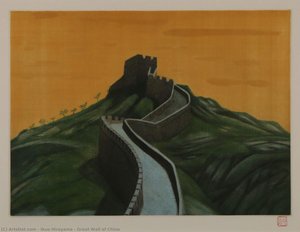
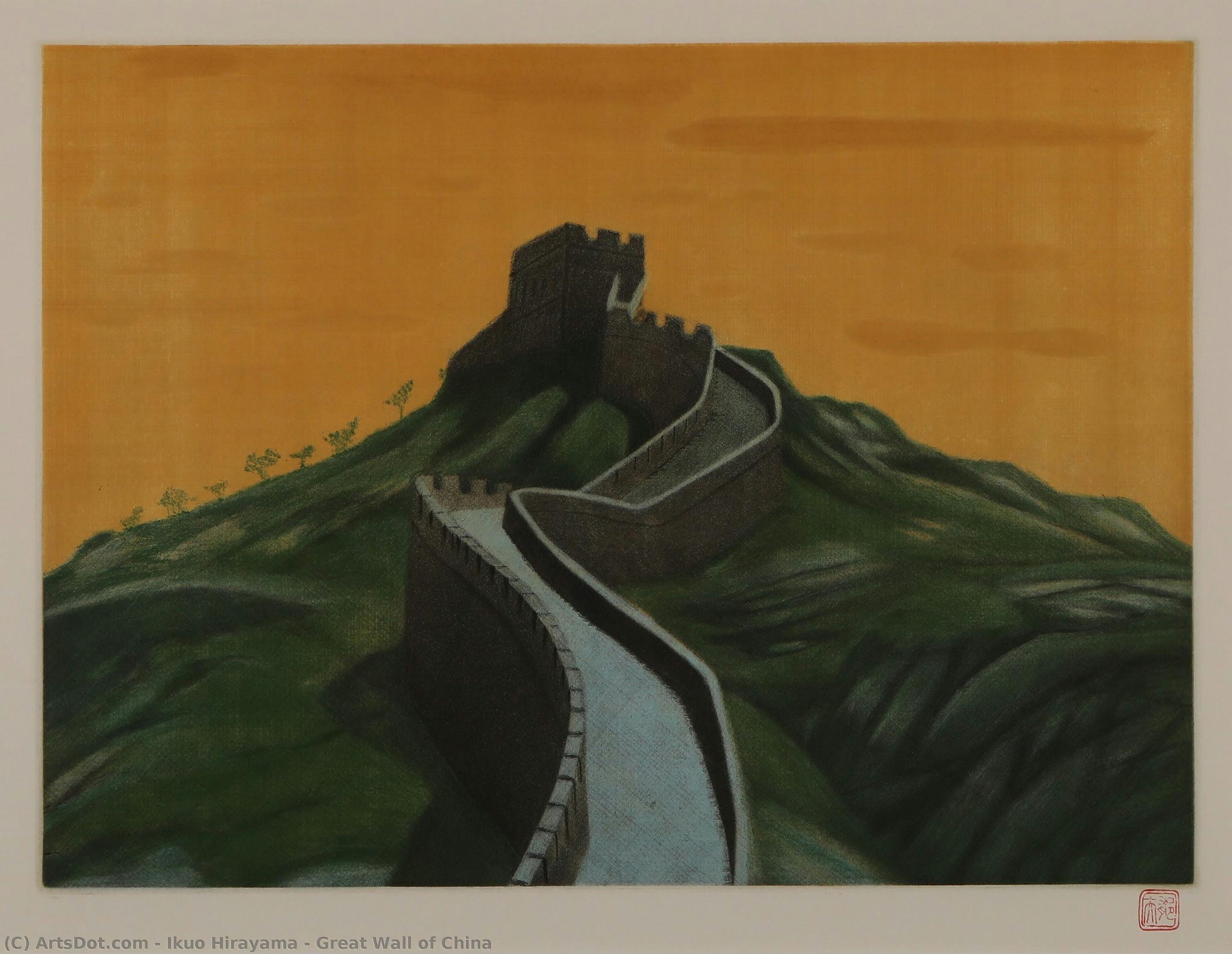
Great Wall of China


 Read More
Hand Made Oil Reproduction
Hand-painted oil on canvas in your size and frame, made to order by our artists. ( Buy Print Buy Image)




P118B $10

P118H $10

P118W $10

P438Z $10

P508JH $12

P508YH $12

P805H $10

P805Z $10

P919BZ $10

P919G $10

P919XJ $10

P959ZH $10

P968JZ $12

W106C $8

W218G $10

W218JH $8

W218Y $10

W307PJ $10

W316G $10

W316PJ $8

W316Y $10

W398PJ $8

W4111J $10

W500HY $15

W500JH $15

W692G $12

W849H $8

W940BG $15

W953PJ $8




Pick from our preset sizes that match the artwork's original proportions.

You may enter your own dimensions to fit a specific frame or space. If your selected size does not match the original image's proportions, we will either crop the artwork or extend the painting with additional hand-painted elements. A digital mockup will be sent for your approval before production begins.
Please note that the on-screen preview does not reflect the actual cropping or extension. Only the mockup will accurately show the final composition.
While custom sizes are available, we recommend selecting a dimension from the predefined list to preserve the original proportions.
After order, ArtsDot.com team will email client for instructions and provide a mockup preview
Worldwide Delivery () in 3/4 weeks instead of standard 5 weeks. (17 August). No compromise on quality.

Free Worldwide Express Shipping

High-Quality Linen Canvas

Full Shipping Insurance

Customs Tax Refund Guarantee

True Color Matching Guarantee

60-Day Return Policy (Defects Only)

100% Money-Back Guarantee

Bulk Discount Offer
 Glass option is only available in size under 110 CM

Great Wall of China
Reproduction Medium
Reproduction Size
-


Total Price
$ 263
Related Artworks
Artist Biography
Ikuo Hirayama: A Journey Through Dreams and Remembrance
Ikuo Hirayama (1930-2009) stands as a singular figure in the landscape of Japanese Nihonga painting, a tradition deeply rooted in ink wash techniques and emphasizing emotional resonance over meticulous realism. More than simply a painter, he was a collector, a scholar, and a profoundly sensitive observer of humanity’s shared history – particularly its encounters with spirituality and displacement. Born in Setoda-chō, Hiroshima Prefecture, his life was indelibly shaped by the atomic bombing of 1945, an event that not only scarred his young body but also ignited within him a lifelong quest to understand beauty amidst devastation and to preserve the memory of both loss and resilience.
Hirayama’s artistic journey began modestly, influenced initially by his family's connection to the coastal community of Ikuchi Island. The serene landscapes of Seto Inland Sea – its misty mornings, vibrant sunsets, and ancient temples – provided a foundational aesthetic. However, it was the trauma of Hiroshima that fundamentally altered his trajectory. The experience left him with lingering health issues, including a low white blood cell count, yet paradoxically fueled an intense desire to capture the world’s beauty and grapple with its darker aspects. This duality—a yearning for serenity juxtaposed against the stark reality of suffering—became a defining characteristic of his work.
The Silk Road: A Spiritual Odyssey
Perhaps the most recognizable aspect of Hirayama's oeuvre is his extensive series of paintings depicting the Silk Road, spanning from China to Persia and beyond. These weren’t merely scenic landscapes; they were meticulously researched explorations of cultural exchange, spiritual journeys, and the enduring human spirit. He spent decades traveling extensively along this ancient trade route, sketching directly on location, often under challenging conditions – sandstorms, bandits, and the sheer remoteness of the terrain. This immersive approach is evident in the tactile quality of his paintings, achieved through layering ink washes and subtle textural variations that evoke the feel of weathered parchment and sun-baked earth.
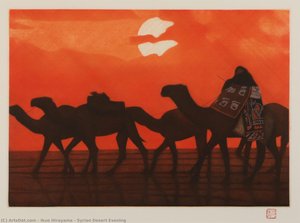
The “Great Silk Road Series,” comprising eight monumental murals housed within the Hirayama Ikuo Silk Road Museum in Yamanashi Prefecture, is a testament to this dedication. These paintings aren’t static representations; they are dynamic narratives, capturing not just the physical landscape but also the emotional states of those who traversed it – merchants, monks, travelers, and nomads. His masterful use of light and shadow creates an almost dreamlike atmosphere, blurring the boundaries between reality and imagination. The pairing of images—a caravan under a blazing sun followed by the same group silhouetted against a moonlit sky—underscores his fascination with duality and the cyclical nature of existence.
Buddhist Themes and Hiroshima’s Echoes
Beyond the Silk Road, Hirayama's work consistently engaged with Buddhist themes. He was deeply interested in the transmission of Buddhism from India to Japan, and many of his paintings depict key moments in this historical process – the arrival of monks bearing scriptures, the construction of temples, and the spread of religious teachings. These works are imbued with a profound sense of reverence and contemplation, reflecting his own spiritual journey.
However, it’s impossible to discuss Hirayama's art without acknowledging the indelible mark of Hiroshima. The atomic bombing profoundly shaped his artistic vision, leading him to create powerful and deeply moving depictions of the devastation. His painting *The Holocaust at Hiroshima* (1978), a vast canvas dominated by an overwhelming sea of orange flames, is considered one of the most poignant representations of this tragedy in art history. It’s not simply a depiction of destruction; it's an exploration of memory, loss, and the enduring human capacity for compassion. His later works continued to grapple with themes of suffering and resilience, often drawing parallels between the devastation of Hiroshima and the broader cycles of violence and displacement throughout history.
Legacy and Preservation
Ikuo Hirayama’s legacy extends far beyond his artistic creations. He was a dedicated cultural preservationist, actively involved in safeguarding historical artifacts and promoting cross-cultural understanding. He established the Hirayama Trainee Curator at the British Museum, fostering the study of Eastern pictorial art and contributing to its conservation. His two museums—the Ikuo Hirayama Silk Road Museum and the Setoda Museum—serve as vital centers for showcasing his work and educating the public about his artistic vision.
His commitment to preserving cultural heritage was deeply intertwined with his personal experiences, particularly his survival of the atomic bombing. He believed that art could serve as a powerful tool for remembering the past, fostering empathy, and promoting peace. Ikuo Hirayama’s paintings are not merely beautiful images; they are profound meditations on humanity's shared history—a testament to both our capacity for destruction and our enduring hope for a better future.
Ikuo Hirayama
1930 - 2009 , Japan
Quick Facts
- Artistic Movement Or Style: Nihonga, Silk Road landscapes
- Artists Or Movements Influenced By This Artist: ['Traditional Nihonga painting']
- Artists Who Influenced This Artist: ['Maeda Seison']
- Date Of Birth: June 15, 1930
- Date Of Death: December 2, 2009
- Full Name: Ikuo Hirayama
- Nationality: Japanese
- Notable Artworks:
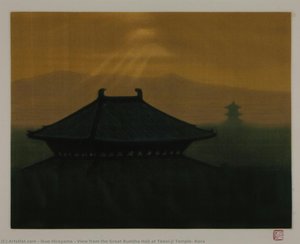
- View from the Great Buddha Hall
- Lucky Omen
- Path to the Great Buddha Hall
- Place Of Birth: Setoda-chō, Hiroshima Prefecture
Related Articles

Hokusai's Masterpieces: 25 Iconic Prints & Paintings for Art Lovers | ArtsDot
Journey through Katsushika Hokusai’s 25 most iconic artworks, including *The Great Wave*. Explore the ukiyo-e master's history, style & timeless Japanese woodblock prints. Find museum-quality reproductions for your home at ArtsDot.com.

Beyond the Horizon: 10 Landscape Masterpieces for Your Home Decor
Journey through 10 breathtaking landscape paintings by Monet, Van Gogh & more! Explore iconic artworks, artistic techniques & find inspiration for your home decor. Museum-quality reproductions at ArtsDot.com. Discover all masterpieces on ArtsDot.com

Romantic Landscapes: 10 Masterpieces for Your Home | ArtsDot
Journey through 10 Romantic landscape masterpieces by Friedrich, Turner & Cole. Explore emotional art, sublime nature scenes & iconic 19th-century paintings. Find museum-quality reproductions for your home at ArtsDot.com – discover the full collection online!

John Constable's Masterpieces: Explore 25 Iconic Landscapes for Your Home
Journey through John Constable's 25 most celebrated landscapes. Explore Romanticism, Dedham Vale & his masterful use of light in iconic paintings like 'Hay Wain'. Find museum-quality art reproductions and elevate your home decor on ArtsDot.com.

Evocations of Place: A Historical Journey Through Landscape Art
Explore the rich history of landscape art with ArtsDot. Discover renowned artists, movements like Impressionism & Romanticism, and expert guidance for collecting timeless pieces. Find your perfect serene escape today!