 Preview
 Send
Send Share
Share
 Details

 Download
 Similars
 X-Ray
X-Ray Diaporama
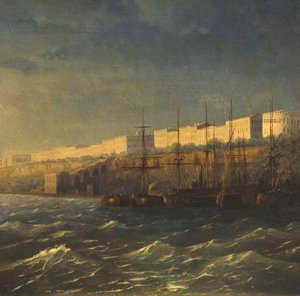
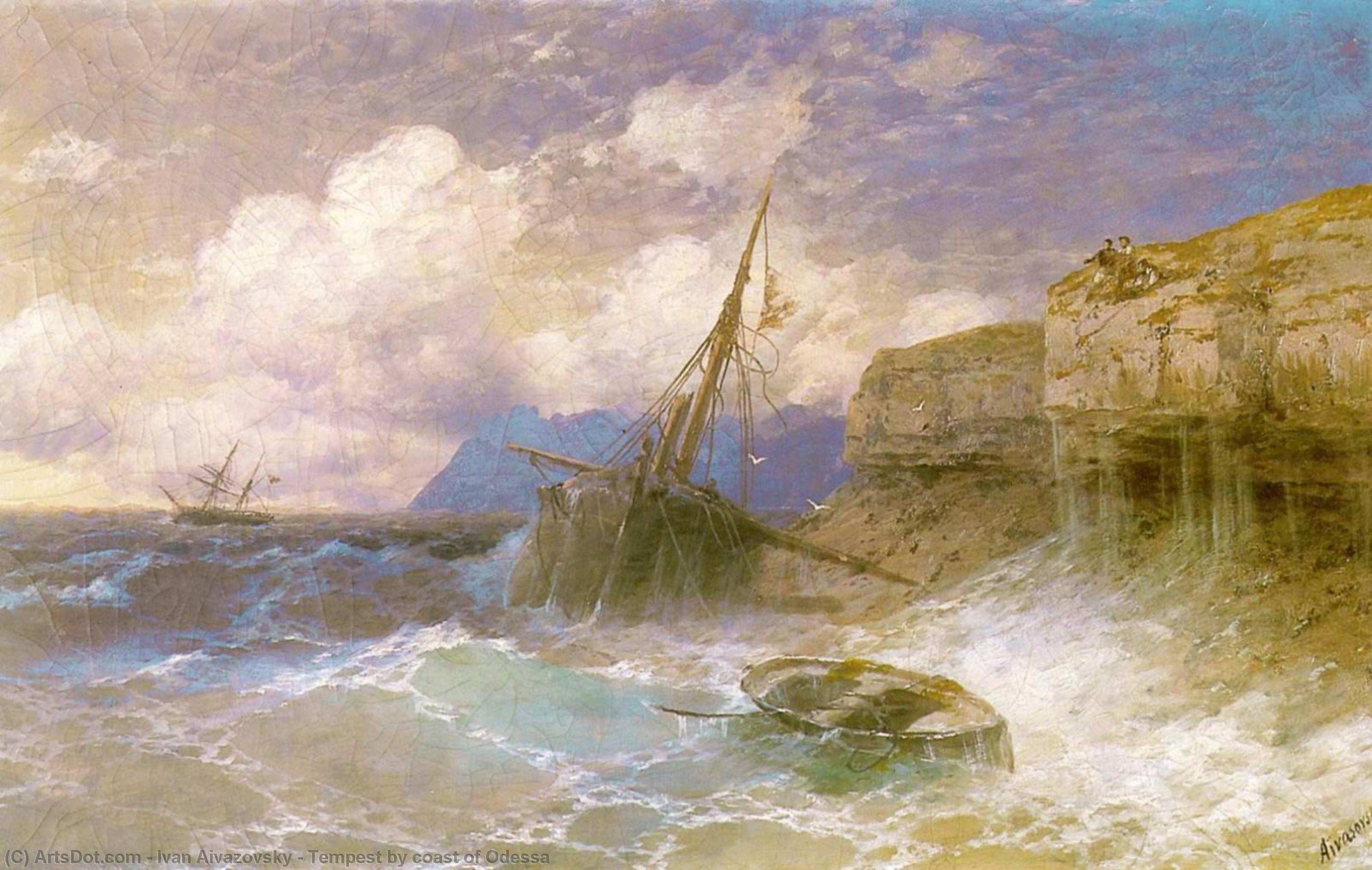
Tempest by coast of Odessa
 Oil On Canvas
- WallArt
- Romanticism
 1898
1898- 19th Century
 60.0 x 95.0 cm
 Read More
Hand Made Oil Reproduction
Hand-painted oil on canvas in your size and frame, made to order by our artists. ( Buy Print Buy Image)




P118B $10

P118H $10

P118W $10

P438Z $10

P508JH $12

P508YH $12

P805H $10

P805Z $10

P919BZ $10

P919G $10

P919XJ $10

P959ZH $10

P968JZ $12

W106C $8

W218G $10

W218JH $8

W218Y $10

W307PJ $10

W316G $10

W316PJ $8

W316Y $10

W398PJ $8

W4111J $10

W500HY $15

W500JH $15

W692G $12

W849H $8

W940BG $15

W953PJ $8




Pick from our preset sizes that match the artwork's original proportions.

You may enter your own dimensions to fit a specific frame or space. If your selected size does not match the original image's proportions, we will either crop the artwork or extend the painting with additional hand-painted elements. A digital mockup will be sent for your approval before production begins.
Please note that the on-screen preview does not reflect the actual cropping or extension. Only the mockup will accurately show the final composition.
While custom sizes are available, we recommend selecting a dimension from the predefined list to preserve the original proportions.
After order, ArtsDot.com team will email client for instructions and provide a mockup preview
Worldwide Delivery () in 3/4 weeks instead of standard 5 weeks. (17 August). No compromise on quality.

Free Worldwide Express Shipping

High-Quality Linen Canvas

Full Shipping Insurance

Customs Tax Refund Guarantee

True Color Matching Guarantee

60-Day Return Policy (Defects Only)

100% Money-Back Guarantee

Bulk Discount Offer
 Glass option is only available in size under 110 CM

Tempest by coast of Odessa
Reproduction Medium
Reproduction Size
-


Total Price
$ 263
Artwork Description
The Roaring Soul of the Black Sea
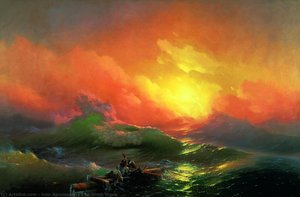
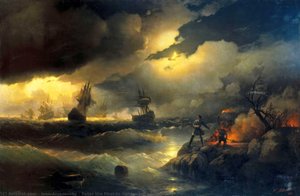
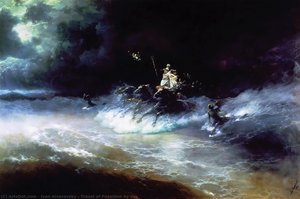
In the late nineteenth century, few artists could capture the mercurial temperament of the ocean with as much visceral intensity as Ivan Konstantinovich Aivazovsky. His 1898 masterpiece, Tempest by coast of Odessa, stands as a breathtaking testament to the Romantic movement’s obsession with the sublime. The painting does not merely depict a seascape; it invites the viewer into a moment of profound elemental struggle. As waves crash violently against the rugged shoreline, the canvas vibrates with the raw energy of the Black Sea. Through his masterful command of light and motion, Aivazovsky transforms the coast of Odessa into a stage where the forces of nature perform their most dramatic and unpredictable ballet.
The composition is a masterclass in dynamic tension. At first glance, the eye is drawn to the churning white foam and the heavy, salt-sprayed crests of the waves that dominate the foreground. Two boats, caught in the swell, serve as poignant symbols of human vulnerability amidst the infinite power of the sea. One vessel drifts closer to the shore, while another struggles further out, creating a sense of depth and perilous distance. Scattered throughout the scene, small figures appear near the water's edge, their presence providing a vital sense of scale and a touch of human narrative to the overwhelming maritime chaos. The sky, heavy with brooding, turbulent clouds, mirrors the agitation of the waters below, casting a dramatic, diffused light that illuminates the spray and highlights the translucent quality of the breaking waves.
A Symphony of Light and Technique
Technically, Tempest by coast of Odessa showcases the pinnacle of Aivazovsky’s ability to manipulate luminosity. The artist was renowned for his "transparency" technique, where he layered glazes to create the illusion of light passing through the crest of a wave, making the water appear both liquid and ethereal. This luminous quality is what gives the painting its lifelike, breathing atmosphere. Every brushstroke contributes to the sense of movement; there is no stillness here, only the relentless rhythm of the tide. For collectors and interior designers, this piece offers an unparalleled emotional depth, capable of serving as a commanding focal point in any grand space.
Beyond its aesthetic brilliance, the painting carries a profound symbolic weight. It represents the eternal conflict between the stability of the land and the untamable spirit of the ocean—a metaphor for the human condition and our relationship with the uncontrollable forces of destiny. To possess a reproduction of this work is to bring a piece of history into one's home, capturing the very essence of nineteenth-century Romanticism. It is an evocative choice for those seeking to infuse their surroundings with drama, movement, and a deep, contemplative connection to the natural world.
Related Artworks


Artist Biography
A Life Embraced by the Waves
Ivan Konstantinovich Aivazovsky, born Hovhannes Aivazian in 1817, was more than a painter of seascapes; he was a conduit to the ocean’s soul. His very existence seemed inextricably linked to the Black Sea—a vast, unpredictable expanse that would forever dominate his artistic vision and fuel an extraordinary career spanning nearly six decades. Born in the Crimean port city of Feodosia, Aivazovsky didn't merely observe the sea; he felt it – its raw energy, sublime beauty, and inherent danger becoming the very essence of his art. From a young age, this connection was nurtured, initially by local architect Jacob Koch who recognized the boy’s talent, then blossoming within the rigorous academic environment of the Imperial Academy of Arts in Saint Petersburg. Yet, formal training alone couldn't account for the depth of Aivazovsky’s understanding; it was the constant presence of salt-laced air and the cries of gulls that truly shaped his artistic sensibility. His Armenian heritage also played a significant role, as he was baptized at the St. Sargis Armenian Church in Feodosia and maintained strong cultural ties throughout his life, occasionally incorporating Armenian themes into his expansive body of work.The Rise of a Marine Master
Aivazovsky’s artistic journey extended beyond Russia, taking him across Europe in the early 1840s. Italy proved particularly formative, immersing him in new landscapes and light, refining his skills and developing a distinctive style characterized by dramatic compositions and masterful use of color. Upon returning to Russia, a pivotal moment arrived: his appointment as the main painter of the Russian Navy. This wasn’t merely a prestigious title; it was access—access to ships, sailors, naval battles, and firsthand observation that profoundly influenced his work. He became intimately acquainted with maritime life, lending an authenticity to his depictions that resonated deeply with both military officials and art enthusiasts alike. His prolific output – around 6,000 paintings throughout his career – testifies to his relentless dedication and extraordinary talent. Aivazovsky didn’t simply replicate scenes; he sought to evoke emotion, to transport the viewer into the heart of a storm or onto the deck of a ship battling towering waves. He wasn't interested in merely recording what was seen, but rather conveying what was felt. The artist’s ability to capture not just the visual spectacle of the sea, but its very essence—its moods, its power, and its mystery—quickly established him as a leading figure in Russian Romanticism.Capturing the Sublime: Style and Key Works
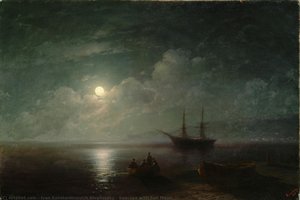
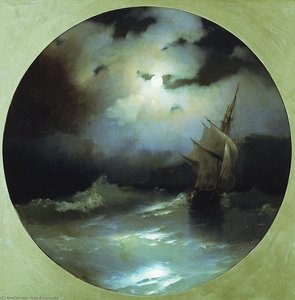
Aivazovsky’s paintings are instantly recognizable for their romantic sensibility and technical brilliance. Seascape with Full Moon, exemplifies his mastery of atmospheric perspective, creating an ethereal glow that bathes the sea in silvery light. The power of nature is palpable in works like A Ship in a Stormy Sea, where turbulent waters and dark skies convey a sense of impending doom and the fragility of human existence. He wasn’t afraid to depict chaos and destruction, but even within these dramatic scenes, there was always an underlying sense of beauty and awe. The Gondolier on Sea at Night, showcases his skill in capturing nocturnal scenes with remarkable detail and a hauntingly beautiful atmosphere. Early works like Chaos (The Creation), which garnered attention from Pope Gregory XVI, reveal a willingness to tackle ambitious themes and demonstrate his technical prowess. However, it is arguably The Ninth Wave that remains his most iconic masterpiece—a harrowing depiction of shipwreck survivors clinging desperately to wreckage, facing the relentless power of the ocean. The painting embodies Aivazovsky’s ability to blend realism with romanticism, creating a scene that is both terrifying and profoundly moving. He often worked en plein air, directly from nature, capturing fleeting light effects, and developed a unique technique of applying paint in thin layers to create luminous textures.Legacy and Enduring Influence
Ivan Konstantinovich Aivazovsky stands as one of the greatest masters of marine art in Russian history—a legacy cemented by his technical skill, emotional depth, and prolific output. His paintings are celebrated not only for their aesthetic beauty but also for their ability to evoke powerful emotions and capture the essence of the sea. He significantly contributed to the development of Russian landscape painting, influencing generations of artists with his innovative techniques and dramatic compositions. Aivazovsky’s work continues to resonate with audiences worldwide, exhibited in museums and galleries across the globe. His paintings are a testament to the enduring power of nature and the human spirit—a reminder of our vulnerability in the face of the elements and our capacity for resilience and hope. He wasn't simply a painter of seascapes; he was a poet of the ocean, translating its moods, mysteries, and majesty onto canvas with unparalleled skill and passion.- Technical Innovation: Aivazovsky often worked en plein air, directly from nature, capturing fleeting light effects. He also developed a unique technique of applying paint in thin layers to create luminous textures.
- Romantic Sensibility: His work embodies the Romantic movement’s emphasis on emotion, imagination, and the sublime power of nature.
- National Pride: Aivazovsky's paintings often celebrated Russian naval victories and maritime prowess, contributing to a sense of national identity.
- Prolific Output: The sheer volume of his work—approximately 6,000 paintings—is remarkable and demonstrates his unwavering dedication to his craft.

Ivan Konstantinovich Aivazovsky
1817 - 1900 , Russia
Quick Facts
- Artistic Movement Or Style: Romanticism, Marine art
- Artists Or Movements Influenced By This Artist: Russian landscape painting
- Date Of Birth: 1817
- Date Of Death: 1900
- Full Name: Ivan Konstantinovich Aivazovsky
- Nationality: Russian-Armenian
- Notable Artworks:
- The Ninth Wave
- Ship in a Stormy Sea
- Seascape with Full Moon
- Place Of Birth: Feodosia, Russia
Related Articles
The Allure of the Horizon: A Comprehensive Exploration of Seascape Art Through History & Emotion
Explore the captivating world of seascape art! Discover its history, key artists & movements – from Dutch Masters to Impressionism. Expert insights for collectors and enthusiasts at ArtsDot.

Romantic Realism's Finest: 10 Masterpieces for Your Home | ArtsDot
Explore 10 defining masterpieces of Romantic Realism! Discover Courbet, Millet & Daumier's powerful paintings—capturing emotion and social realities. Find museum-quality reproductions for your home at ArtsDot.com.

Hokusai's Masterpieces: 25 Iconic Prints & Paintings for Art Lovers | ArtsDot
Journey through Katsushika Hokusai’s 25 most iconic artworks, including *The Great Wave*. Explore the ukiyo-e master's history, style & timeless Japanese woodblock prints. Find museum-quality reproductions for your home at ArtsDot.com.
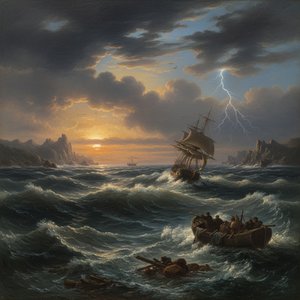
Philip James de Loutherbourg: Romantic Visions of Maritime Life & the Sublime
Explore the dramatic naval scenes & landscapes of Philip James de Loutherbourg (1740-1812), a key figure in Romantic painting. Discover his legacy, theatrical innovations & iconic works like 'The Battle of the Nile' at ArtsDot.
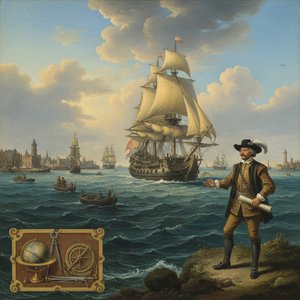
Abraham Hulk Senior: Pioneering Maritime Topography of the Dutch Golden Age
Explore the captivating seascapes of Abraham Hulk Senior, a leading Anglo-Dutch marine painter of the 19th century. Discover his signature style, family legacy & collectable artworks at ArtsDot.