Early Life and Training: From Portraiture to the Sea
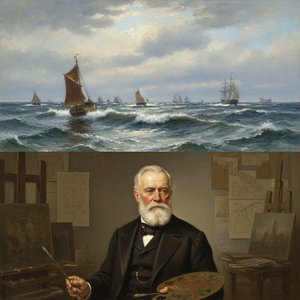
Abraham Hulk Senior (1 May 1813 in London – 23 March 1897 in Zevenaar) was an Anglo-Dutch painter, draughtsman and lithographer. He initially trained as a portraitist, but became a well known as a marine-painter and the patriarch of a whole family of...
Abraham Hulk Senior’s artistic journey began not with billowing sails and crashing waves, but with the meticulous detail of portraiture. Born in London in 1813 to a merchant family, young Abraham initially followed a conventional path, apprenticing under Jean Augustin Daiwaille. This early training instilled in him a foundational understanding of form, composition, and light – skills that would later prove invaluable as he transitioned towards his lifelong fascination with the maritime world. However, the rigid constraints of portraiture clearly did not fully satisfy his artistic inclinations. A period of study at the Rijksacademie in Amsterdam broadened his horizons, exposing him to a wider range of influences and ultimately setting him on a course toward becoming one of the most celebrated marine painters of his era.
The decision to embrace seascapes was not merely a change of subject matter; it represented a fundamental shift in artistic focus. While many artists dabbled in maritime scenes, Hulk dedicated himself entirely to capturing the nuances of water, light, and atmosphere. This commitment coincided with a growing national pride in Dutch seafaring traditions and a burgeoning market for paintings depicting ships, harbors, and coastal life. His early travels to America – New York and Boston during 1833-34 – likely exposed him to different maritime environments and further fueled his passion.
The Rise of Specialized Marine Painting in 19th-Century Holland
The Dutch Golden Age (Dutch: Gouden Eeuw [ˈɣʌudən ˈeːu, ˈɣʌudə ˈʔeːu]) was a period in the history of the Netherlands which roughly lasted from 1588, when the Dutch Republic was established, to 1672, when the Rampjaar occurred. During this period, Du...
The 19th century witnessed a remarkable specialization within the art world, and marine painting was no exception. As Dutch trade flourished and its naval power remained significant, demand for artworks depicting maritime scenes soared. This wasn’t simply about documenting vessels; it was about celebrating national identity, commemorating voyages, and capturing the raw power of nature. Artists like Hulk capitalized on this trend, developing a distinct style that resonated with collectors eager to possess tangible representations of their seafaring heritage.
Hulk's emergence coincided with a broader shift in artistic patronage. While aristocratic commissions still existed, a growing middle class sought art that reflected their own values and experiences – including the economic prosperity tied to maritime commerce. This created a fertile ground for artists who could convincingly portray the drama and beauty of life at sea. The Dutch estuary scenes he favored weren’t just picturesque landscapes; they were windows into a world of bustling activity, perilous journeys, and the enduring relationship between humanity and the ocean.
Hulk’s Signature Style: Realism, Impasto, and Atmospheric Perspective
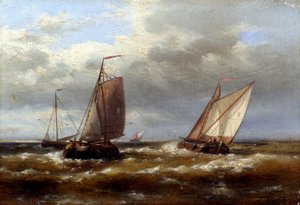
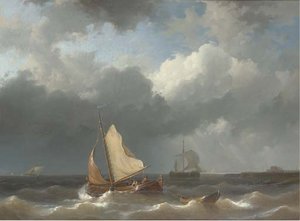
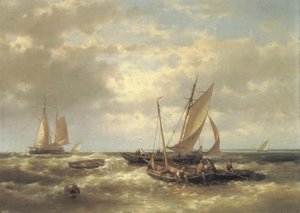 The Fishers
Explore 'The Fishers' by Abraham Hulk Senior – a stunning 18th-century Dutch maritime painting! Discover its realism, impasto technique & evocative seascapes.
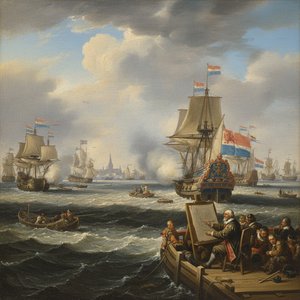
What truly set Abraham Hulk Senior apart was his masterful technique. He wasn't merely *depicting* the sea; he was recreating its very essence. His paintings are characterized by a remarkable degree of realism – from the intricate rigging of ships to the subtle play of light on water. This commitment to accuracy stemmed from meticulous observation and a deep understanding of nautical details.
However, Hulk’s work transcends mere photographic representation through his bold use of impasto. Thickly applied layers of paint create a tactile surface that mimics the texture of waves, clouds, and weathered wood. This technique not only adds depth and dimension but also conveys a sense of movement and energy. Coupled with this is his exceptional skill in rendering atmospheric perspective, creating a convincing illusion of distance and capturing the ethereal quality of light reflecting off water. Works like “The Fishers” exemplify these qualities, drawing the viewer into the scene with their evocative realism and dynamic brushwork.
Dutch Estuary Scenes and the Golden Age Maritime Tradition
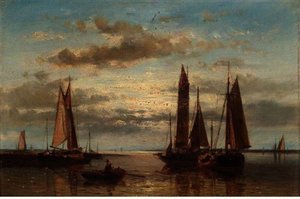
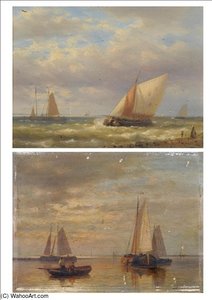
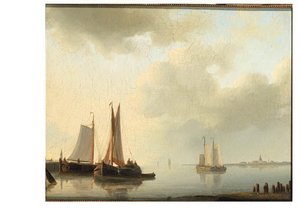 Shipping At Anchor In A Calm
Admire 'Shipping At Anchor In A Calm' by Abraham Hulk Senior – a serene Dutch Golden Age landscape painting of maritime activity. Explore its atmospheric perspective & timeless beauty.
Hulk’s choice of subject matter – Dutch estuary scenes – was deeply rooted in the nation's artistic heritage. The 17th-century Dutch Masters, such as Jan van Goyen and Simon de Vlieger, had already established a tradition of depicting maritime life with remarkable detail and sensitivity. Hulk built upon this legacy, infusing it with his own unique style and technical prowess.
These estuary scenes weren’t simply idyllic landscapes; they were bustling hubs of commerce and activity. Paintings like “Shipping At Anchor In A Calm” capture the serenity of a peaceful harbor, but also hint at the underlying energy and economic importance of maritime trade. He skillfully balanced realism with an almost romantic sensibility, portraying ships as both powerful symbols of Dutch ingenuity and vulnerable vessels subject to the whims of nature. The atmospheric perspective in these works is particularly striking, conveying a sense of vastness and depth.
A Family Legacy: The Prolific Hulk Dynasty of Artists
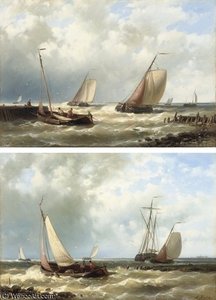
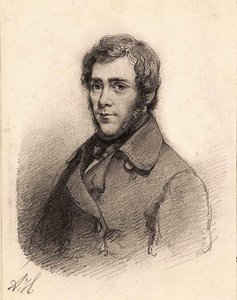 Abraham Hulk Senior
Discover Abraham Hulk Senior (1813-1897), the renowned Anglo-Dutch marine painter & patriarch of a prolific art family. Explore his captivating seascapes, Dutch estuary scenes, and influence on 19th-century maritime art. View works at AllPaintingsSto...
Abraham Hulk Senior was not just an accomplished artist; he was the patriarch of a remarkably prolific artistic dynasty. His influence extended far beyond his own canvases, shaping the careers of his younger brother Johannes Frederik Hulk Senior and several of his sons – Hendrik, Abraham Junior, and Willem Frederik – as well as numerous other painters.
This familial tradition wasn’t simply about passing down technical skills; it was about fostering a shared passion for maritime art. Hulk actively mentored his family members, providing guidance and encouragement. The resulting body of work is characterized by a consistent style and quality, making the “Hulk” name synonymous with exceptional marine painting. Even his nephew, Johannes Frederik Hulk (1855-1913), continued the legacy, ensuring that the family’s artistic tradition endured for generations.
Collecting Abraham Hulk Senior Today: Appreciation & Market Value
Today, Abraham Hulk Senior's works are highly sought after by collectors and institutions alike. His paintings offer a captivating glimpse into 19th-century Dutch maritime life, rendered with exceptional skill and sensitivity. The enduring appeal of his work lies in its ability to evoke both the beauty and the drama of the sea.
While prices vary depending on size, subject matter, and condition, owning an original Hulk painting is a significant investment. His works can be found in prominent museums across the Netherlands – Amsterdam, Dordrecht, Haarlem, and Enschede – attesting to their artistic merit and historical importance. At ArtsDot, we offer high-quality reproductions of his most celebrated paintings, allowing art enthusiasts to experience the beauty of Hulk’s work firsthand. Whether you are a seasoned collector or simply appreciate fine art, Abraham Hulk Senior's legacy continues to inspire and captivate.