 Preview
 Send
Send Share
Share
 Details

 Download
 Similars
 X-Ray
X-Ray Diaporama
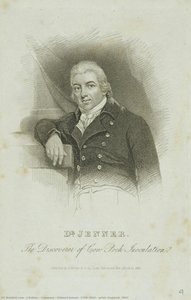
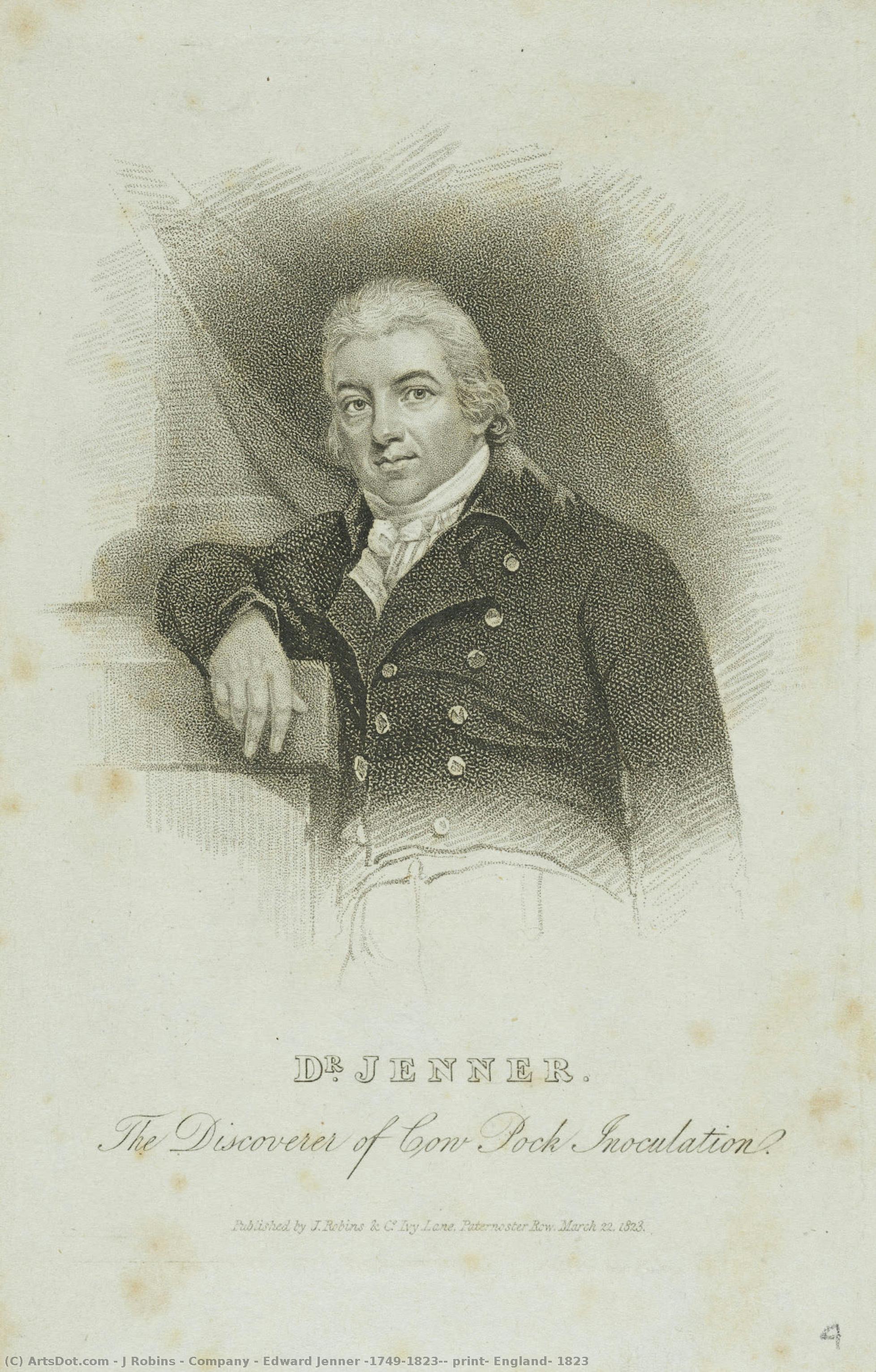
Edward Jenner (1749-1823), print, England, 1823
 Engraving
 1823
1823- 19th Century
 19.0 x 13.0 cm
 Science Museum
 Read More
Giclée / Art Print
Museum-quality giclée or canvas print with fast production and flexible finish options. ( Buy Hand Made Painting Buy Image)




P118B $10

P118H $10

P118W $10

P438Z $10

P508JH $12

P508YH $12

P805H $10

P805Z $10

P919BZ $10

P919G $10

P919XJ $10

P959ZH $10

P968JZ $12

W106C $8

W218G $10

W218JH $8

W218Y $10

W307PJ $10

W316G $10

W316PJ $8

W316Y $10

W398PJ $8

W4111J $10

W500HY $15

W500JH $15

W692G $12

W849H $8

W940BG $15

W953PJ $8




Pick from our preset sizes that match the artwork's original proportions.

You may enter your own dimensions to fit a specific frame or space. If your selected size does not match the original image's proportions, we will either crop the artwork or extend the image with a mirrored or solid-fill edge. A digital mockup will be sent for your approval before production begins.
Please note that the on-screen preview does not reflect the actual cropping or extension. Only the mockup will accurately show the final composition.
While custom sizes are available, we recommend selecting a dimension from the predefined list to preserve the original proportions.
Worldwide Delivery () in 2 weeks instead of standard 4/5 weeks. (28 August)

Free Worldwide Express Shipping

High-Quality Linen Canvas

Full Shipping Insurance

Customs Tax Refund Guarantee

True Color Matching Guarantee

60-Day Return Policy (Defects Only)

100% Money-Back Guarantee

Bulk Discount Offer
 Glass option is only available in size under 110 CM

Edward Jenner (1749-1823), print, England, 1823
Giclée / Art Print
Reproduction Size
-


Total Price
$ 63
A Legacy Captured in Stipple: The Portrait of Edward Jenner
In the quiet, delicate textures of this 1823 engraving, we encounter more than just a portrait; we meet the very architect of modern immunology. This exquisite print, published by J. Robins & Co., serves as a poignant window into the early nineteenth century, capturing Dr. Edward Jenner at the height of his historical significance. The subject is presented with a dignified poise, leaning gracefully against the base of a column, a classical motif that immediately invokes stability, strength, and the enduring nature of his scientific contributions. Through the meticulous application of stipple engraving—a technique involving the careful placement of minute dots to create tonal gradations—the artist breathes life into the monochrome medium, allowing light and shadow to dance across the contours of Jenner’s face and the heavy folds of his period attire.
The artistry of this piece lies in its subtle mastery of light. The stipple method allows for a soft, almost ethereal transition between highlights and deep shadows, lending the portrait an atmospheric quality that transcends simple documentation. As the eye wanders over the fine grain of the print, one can sense the weight of the fabric and the solemnity of the man’s expression. This is not merely a likeness; it is a study in character. The composition, characterized by its vignette style, focuses the viewer's attention inward, stripping away the distractions of the external world to focus entirely on the intellectual and moral gravity of the physician who conquered smallpox through the revolutionary concept of cowpox inoculation.
For the discerning collector or interior designer, this reproduction offers a profound sense of historical continuity. The stark, elegant contrast of the black and white print makes it an incredibly versatile piece for sophisticated decor. Whether placed within a curated gallery wall of scientific history or used as a focal point in a study lined with leather-bound books, the artwork commands respect. It brings an air of academic prestige and timelessness to any space, acting as a conversation piece that bridges the gap between the triumphs of the past and the aesthetic sensibilities of the present. To possess such a print is to hold a fragment of human progress, rendered with a delicate hand that honors both the man and his monumental discovery.
Related Artworks

Artist Biography
A Life Dedicated to Sound: The Journey of J. Robbins
J. Robbins embodies the spirit of the independent music lifer, a figure whose career has been less a linear ascent and more an exploration of creative expression across multiple avenues. Born in Virginia Beach, Virginia, his path began not with grand artistic ambitions but with a persistent “creative urge” that would ultimately define his life’s work. Early experiences – military school, time working on tugboats along the East Coast – seem distant precursors to a career steeped in artistry and self-discovery. A formal education at The Art Institute of Pittsburgh yielded degrees in Industrial Design and Special Effects, hinting at an early fascination with building worlds and manipulating perception. However, it was his move to Los Angeles in 1997 that proved pivotal, though initially not in the way one might expect. Disillusionment with the film industry’s politics and creative constraints led him down a path of independent painting, a medium offering complete control over vision and execution.From Canvas to Console: The Rise of Magpie Cage
For fifteen years, Robbins established himself as a painter, achieving international recognition, awards, and critical acclaim. Yet, even within this success, a growing dissatisfaction emerged – the art scene itself began to feel stifling, pushing his creativity towards darker territories. This led to a period of self-imposed exile from artistic pursuits, a necessary pause before embarking on what would become his most enduring legacy: Magpie Cage Recording Studio. Founded in Baltimore after relocating with his wife Janet Morgan in 2002, the studio quickly became a cornerstone of the city’s vibrant indie rock scene. The story of Magpie Cage is rooted in Robbins' own experiences as a musician; he sought to create a space where artists could freely explore their sound without the pressures and constraints of larger commercial studios. His early involvement with Jawbox – a band that navigated the transition from the independent Dischord Records to major label Atlantic Records – instilled a deep understanding of both the artistic freedom and potential pitfalls of different recording environments. The studio’s initial incarnation in Waverly, followed by its permanent home in Johnston Square in 2011, provided a haven for countless musicians seeking an authentic and collaborative recording experience.A Prolific Producer: Shaping the Sound of Indie Rock
Robbins' transition from musician to producer was organic, driven by a lifelong fascination with the technical aspects of sound and a desire to help others realize their creative visions. He began engineering and producing albums for a wave of post-punk indie bands in the late 1990s and early 2000s, including Texas is the Reason, The Promise Ring, Jets to Brazil, and Braid. His approach wasn’t about imposing his own style but rather facilitating the unique voice of each artist. He became known for a meticulous attention to detail, an ability to capture raw energy while maintaining sonic clarity, and a willingness to experiment with analog techniques. This dedication earned him a reputation as one of the most sought-after producers in the indie world. Beyond these early successes, Robbins continued to expand his repertoire, working with diverse artists ranging from stoner rock icons like Clutch and The Sword to Americana songsmiths June Star and European rockers Daria (Angers FR), demonstrating a remarkable versatility and openness to different genres.The Solo Years: Un-Becoming and Basilisk
Despite his prolific work as a producer, Robbins felt an increasing need to return to songwriting and performance. Since 2013, he has focused on creating music under his own name, releasing two critically acclaimed solo albums: *Un-Becoming* (2019) and *Basilisk* (2024), both on Dischord Records. These records represent a deeply personal exploration of themes of identity, memory, and the creative process. Robbins describes these projects not as side ventures but as the “main current” of his artistic efforts – songs written with adaptability in mind, capable of existing in various formats from solo acoustic arrangements to full-band performances. *Basilisk*, in particular, was born out of a desire for immediacy, recorded live with minimal overdubs and a focus on capturing a specific moment in time. This approach reflects his early experiences recording Jawbox’s “Novelty,” prioritizing directness and authenticity over meticulous perfection.A Legacy of Independence: The Enduring Influence of J. Robbins
J. Robbins' historical significance lies not in achieving mainstream fame but in fostering a thriving independent music community and championing artistic integrity. His work as a producer has shaped the sound of countless indie rock bands, while his solo albums offer a compelling glimpse into the mind of a lifelong creative explorer. He is an advocate for affordability and accessibility within the arts, believing that a livable city allows artists to “let their freak flags fly.” Robbins’ journey – from painter to producer to solo artist – exemplifies the power of perseverance, adaptability, and a relentless pursuit of one's own artistic vision. His studio, Magpie Cage, remains a vital hub for musicians in Baltimore and beyond, continuing to nurture creativity and inspire a new generation of independent artists. He is an icon of D.C. punk, but his producing career and recording studio are a cornerstone of Baltimore’s indie rock scene. His work continues to resonate with those who value authenticity, innovation, and the enduring power of sound.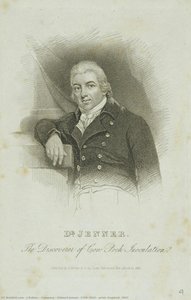
Related Articles

White on Canvas: 10 Masterpieces & Timeless Elegance for Your Home Decor
Explore 10 iconic white paintings by Monet, Whistler & Rothko! Discover the stories behind these serene masterpieces and their impact on art history. Find museum-quality reproductions for your home decor at .
Edward Hopper's Masterpieces: 25 Iconic Paintings & Their Enduring Legacy | ArtsDot
Explore 25 iconic Edward Hopper paintings & their stories. Discover American realism, urban loneliness, and timeless beauty through his masterpieces. Find museum-quality art reproductions & curated decor ideas at ArtsDot.com.

Dark Masterpieces: 10 Iconic Paintings Dominated by Black Tones |
Explore 10 iconic paintings dominated by black tones, from Rembrandt’s chiaroscuro to Goya's dark expressions. Discover the stories behind these masterpieces & find museum-quality art reproductions for your home at .
Engraving's Golden Age: 10 Masterpieces That Redefined Art | ArtsDot
Journey through art history with our Top 10 Legendary Engravings! Explore masterpieces by Dürer, Rembrandt & Goya. Discover the stories behind these iconic prints and find museum-quality reproductions for your home at ArtsDot.com.
Engraving: A Historical Survey of Technique, Artistic Expression & Enduring Legacy
Explore the rich history of engraving with ArtsDot. Discover techniques, iconic artists like Dürer & Callot, collecting tips, and expert guidance for preserving your art investment. Learn about intaglio printing & more!