 Preview
 Send
Send Share
Share
 Details

 Download
 Similars
 X-Ray
X-Ray Diaporama
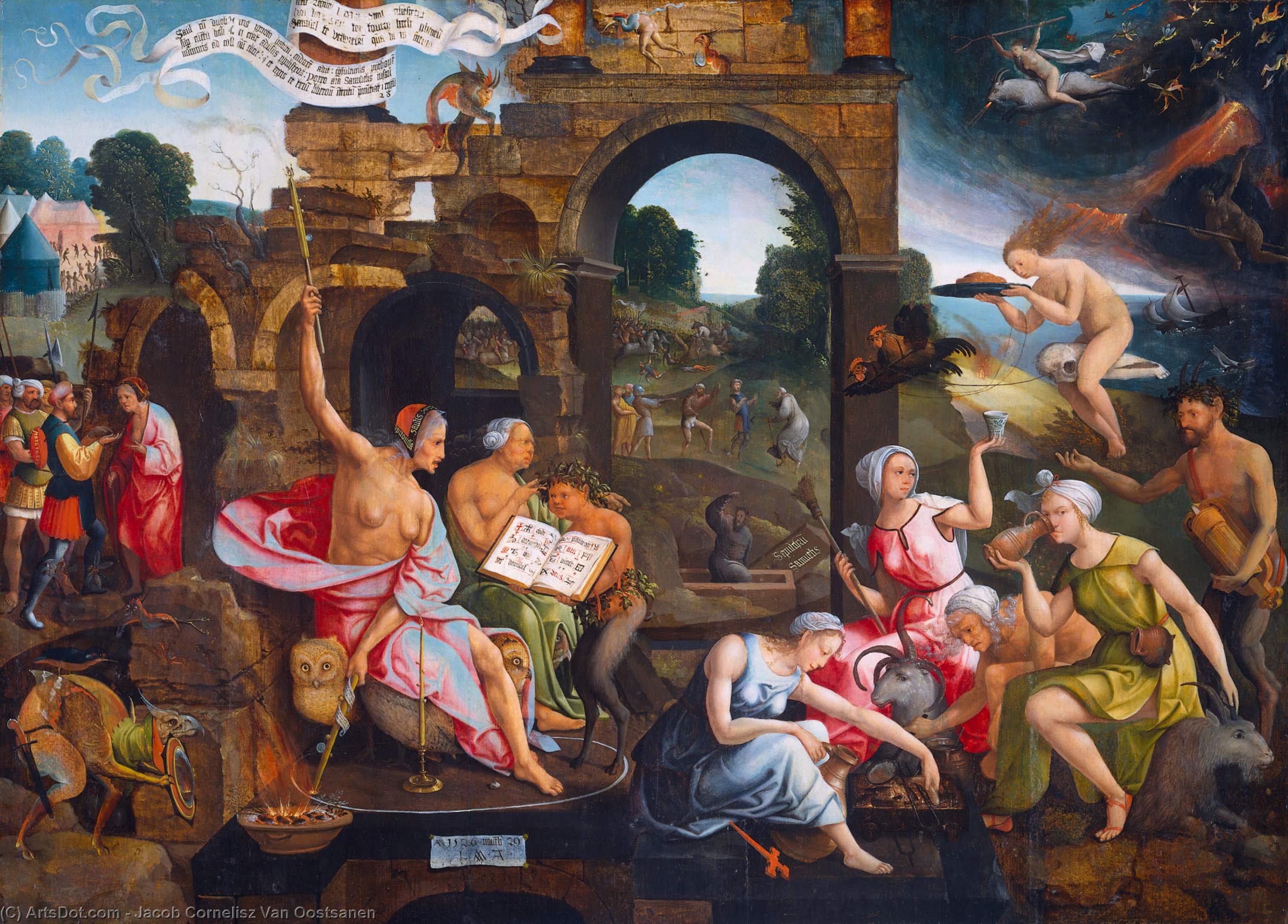
Saul and the Witch of Endor
 Oil
Oil- WallArt
- Northern Renaissance
 1526
1526- Renaissance
 88.0 x 123.0 cm
 Rijksmuseum
 Read More
Hand Made Oil Reproduction
Hand-painted oil on canvas in your size and frame, made to order by our artists. ( Buy Print Buy Image)




P118B $10

P118H $10

P118W $10

P438Z $10

P508JH $12

P508YH $12

P805H $10

P805Z $10

P919BZ $10

P919G $10

P919XJ $10

P959ZH $10

P968JZ $12

W106C $8

W218G $10

W218JH $8

W218Y $10

W307PJ $10

W316G $10

W316PJ $8

W316Y $10

W398PJ $8

W4111J $10

W500HY $15

W500JH $15

W692G $12

W849H $8

W940BG $15

W953PJ $8




Pick from our preset sizes that match the artwork's original proportions.

You may enter your own dimensions to fit a specific frame or space. If your selected size does not match the original image's proportions, we will either crop the artwork or extend the painting with additional hand-painted elements. A digital mockup will be sent for your approval before production begins.
Please note that the on-screen preview does not reflect the actual cropping or extension. Only the mockup will accurately show the final composition.
While custom sizes are available, we recommend selecting a dimension from the predefined list to preserve the original proportions.
After order, ArtsDot.com team will email client for instructions and provide a mockup preview
Worldwide Delivery () in 3/4 weeks instead of standard 5 weeks. (28 August). No compromise on quality.

Free Worldwide Express Shipping

High-Quality Linen Canvas

Full Shipping Insurance

Customs Tax Refund Guarantee

True Color Matching Guarantee

60-Day Return Policy (Defects Only)

100% Money-Back Guarantee

Bulk Discount Offer
 Glass option is only available in size under 110 CM

Saul and the Witch of Endor
Reproduction Medium
Reproduction Size
-


Total Price
$ 263
A Supernatural Encounter in the Twilight of the Middle Ages
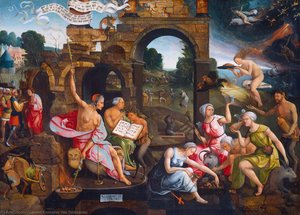
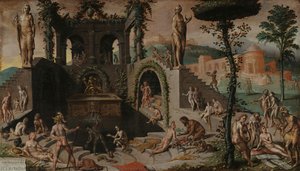
In the hauntingly atmospheric masterpiece Saul and the Witch of Endor, Jacob Cornelisz van Oostsanen invites us into a moment of profound spiritual desperation and occult mystery. Painted in 1526, this work captures the biblical climax where King Saul, driven to the brink of madness by divine silence, seeks counsel from a medium to summon the spirit of the deceased prophet Samuel. The scene is thick with tension; it is not merely a historical tableau but a psychological drama played out in the flickering shadows of a transitional era. As we gaze upon the interaction between the weary monarch and the enigmatic woman, we feel the weight of a kingdom on the precipice of ruin, making this piece an extraordinary centerpiece for any collection that values narrative depth and emotional gravity.
The composition serves as a breathtaking bridge between two worlds: the fading elegance of the Northern Gothic and the burgeoning intellectual rigor of the Renaissance. Van Oostsanen, a master from Amsterdam, utilizes the meticulous detail characteristic of the Netherlandish tradition to render every fold of heavy drapery and every subtle expression of dread. Yet, beneath this surface lies a sophisticated command of perspective and light that hints at the influence of masters like Dürer. The artist’s ability to blend the stylized, elongated figures of his Haarlem roots with a new, humanist precision creates a visual language that is both otherworldly and strikingly tangible. For the discerning collector or interior designer, this duality offers a unique aesthetic versatility, fitting seamlessly into both classical and contemporary settings.
Symbolism and the Texture of Devotion
Every element within this complex scene is imbued with symbolic significance, designed to guide the viewer through a labyrinth of religious and moral inquiry. The presence of the book near the center of the composition acts as a silent witness, representing the sacred scriptures that Saul has seemingly abandoned in his pursuit of forbidden knowledge. The interplay between the figures—the observant onlookers and the central protagonists—creates a sense of voyeurism, drawing the viewer into the secret, illicit ritual. Even the inclusion of an animal in the periphery adds to the grounded, earthly reality of the scene, contrasting sharply with the ethereal, ghostly presence being invoked.
The emotional impact of the work lies in its ability to evoke a sense of profound unease and awe. The rich textures of the painting—the heavy fabrics, the weathered skin of the characters, and the somber color palette—work in harmony to create an immersive experience. To possess a reproduction of this work is to bring into one's space a conversation about fate, faith, and the human struggle against the unknown. It is a piece that does not merely decorate a wall but commands the room, offering a window into a time when the boundaries between the seen and unseen worlds were thought to be perilously thin.
Related Artworks
Artist Biography
Jacob Cornelisz van Oostsanen: Bridging Gothic and Renaissance in Amsterdam
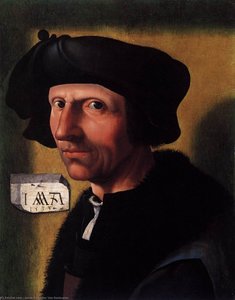
Jacob Cornelisz van Oostsanen (c. 1470 – 1533) stands as a pivotal figure in Northern Netherlandish art, marking the final transition from medieval traditions to the burgeoning Renaissance spirit within the vibrant city of Amsterdam. Despite the scarcity of biographical details—primarily reliant on Karel van Mander’s Schilder-boeck and archival records—scholars have painstakingly reconstructed his life and artistic trajectory, revealing a craftsman deeply rooted in Haarlem’s Gothic heritage yet profoundly impacted by the innovations emanating from Florence and Nuremberg.- Early Life & Family: Born around 1470 in Oostzaan, North Holland, Jacob Cornelisz was part of a family dedicated to painting—his brother Cornelis Buys I and II were also accomplished artists. The location itself offers insight into the artistic milieu of his formative years; Oostzaan’s proximity to Amsterdam fostered connections with influential workshops and established artistic lineages.
- Training & Influences: Like many artists of his time, Jacob Cornelisz honed his skills in Haarlem, absorbing the stylistic precepts of Geertgen tot Sint Jans—a master of luminous color palettes and elongated proportions characteristic of the Gothic tradition. However, he also encountered the transformative ideas championed by Albrecht Dürer, demonstrating a willingness to embrace new artistic approaches and techniques.
Amsterdam & The Dawn of Renaissance Painting
Jacob Cornelisz’s arrival in Amsterdam around 1500 signaled a decisive shift in his artistic career. He purchased two adjacent houses on Kalverstraat, establishing himself as one of the city's foremost artists and securing a stable environment for his family. This move coincided with a period of considerable urban growth and cultural dynamism—Amsterdam was rapidly transforming into a cosmopolitan center attracting artisans and intellectuals from across Europe. His workshop became a hub for experimentation, producing not only commissioned portraits but also intricate woodcuts and stained-glass windows that reflected the prevailing aesthetic sensibilities.Notable Works & Artistic Style
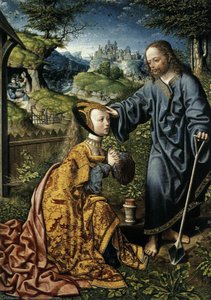
Jacob Cornelisz’s oeuvre comprises approximately 200 woodcuts and 27 paintings—a testament to his versatility as a designer and painter. His prints are distinguished by their meticulous detail and adherence to traditional North Netherlandish conventions, prioritizing narrative clarity and conveying emotion through carefully positioned figures. Paintings like “Christ as Gardener” exemplify his stylistic evolution—characterized by simplified proportions, luminous color harmonies, and a looser brushstroke technique that departed from the rigid formalism of earlier Gothic art. He skillfully blended elements of Haarlem painting with Dürer’s influence, creating images imbued with both spiritual depth and visual splendor.Symbolism & Religious Context
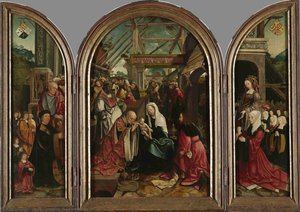
Throughout his artistic career, Jacob Cornelisz consistently addressed religious themes—often commissioned by Catholic patrons seeking to defend orthodoxy against the burgeoning Protestant Reformation. His paintings—including “The Nativity” and “Saul and the Witch of Endor”—employed established iconography rooted in medieval tradition but incorporated contemporary stylistic innovations. These works served as visual representations of faith, skillfully crafted to resonate with audiences familiar with humanist scholarship and artistic trends.Legacy & Historical Significance
Jacob Cornelisz van Oostsanen’s contribution to the history of art is undeniable—he represents the final bastion of Flemish painters resisting Italian stylistic influences. His workshop continued to flourish after his death, fostering artistic innovation and perpetuating his family's legacy as prominent artists in Amsterdam. He remains a symbol of artistic transition, embodying the convergence of Gothic craftsmanship with Renaissance ideals—a pivotal moment in shaping the visual culture of Northern Europe.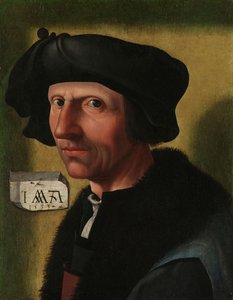
Jacob Cornelisz van Oostsanen
1470 - 1533 , Netherlands
Quick Facts
- Artistic Movement Or Style: Early Netherlandish Painting
- Artists Or Movements Influenced By This Artist: ['Jan van Eyck']
- Artists Who Influenced This Artist:
- Geertgen tot Sint Jans
- Albrecht Dürer
- Date Of Birth: c. 1470
- Date Of Death: 1533
- Full Name: Jacob Cornelisz van Oostsanen
- Nationality: Dutch
- Notable Artworks:
- The adoration of the Magi
- Entombment 1
- San Jerónimo
- Place Of Birth: Oostzaan, Netherlands
Related Articles

Rembrandt's Masterpieces: Explore 25 Iconic Paintings & Prints | ArtsDot
Journey through Rembrandt van Rijn's 25 most iconic paintings & etchings. Explore Dutch Golden Age masterpieces, dramatic chiaroscuro, and timeless portraits. Find museum-quality art reproductions to elevate your home decor on ArtsDot.com.

Early Netherlandish Masters: 10 Paintings That Revolutionized Art & Decor
Journey into the world of Early Netherlandish painting! Explore 10 masterpieces by Jan van Eyck, Rogier van der Weyden & more. Discover stunning detail, symbolism & Renaissance art for your home decor. Find museum-quality reproductions on ArtsDot.com
Early Netherlandish Masters: 10 Paintings That Revolutionized Art & Decor
Journey into the Early Netherlandish Renaissance! Explore 10 iconic paintings by Jan van Eyck, Rogier van der Weyden & more. Discover stunning detail, symbolism, and oil painting techniques. Find museum-quality art reproductions for your home at ArtsDot.com.
Charles-André van Loo: A Study in Rococo Portraiture & the French Court's Artistic Dynamics
Explore the elegant world of Charles-André van Loo, a master of Rococo portraiture at the French court. Discover his life, techniques, and enduring influence on 18th-century art. Hand-painted reproductions available.
Hugo van der Goes: Devotion, Innovation & the Psychological Depth of Early Netherlandish Painting
Explore the revolutionary art of Hugo van der Goes – a master of Early Netherlandish painting renowned for his dramatic realism, psychological depth & profound influence on Renaissance artists. Discover his iconic works and lasting legacy.