

 Preview
 Send
Send Share
Share
 Details

 Download
 Similars
 X-Ray
X-Ray Diaporama
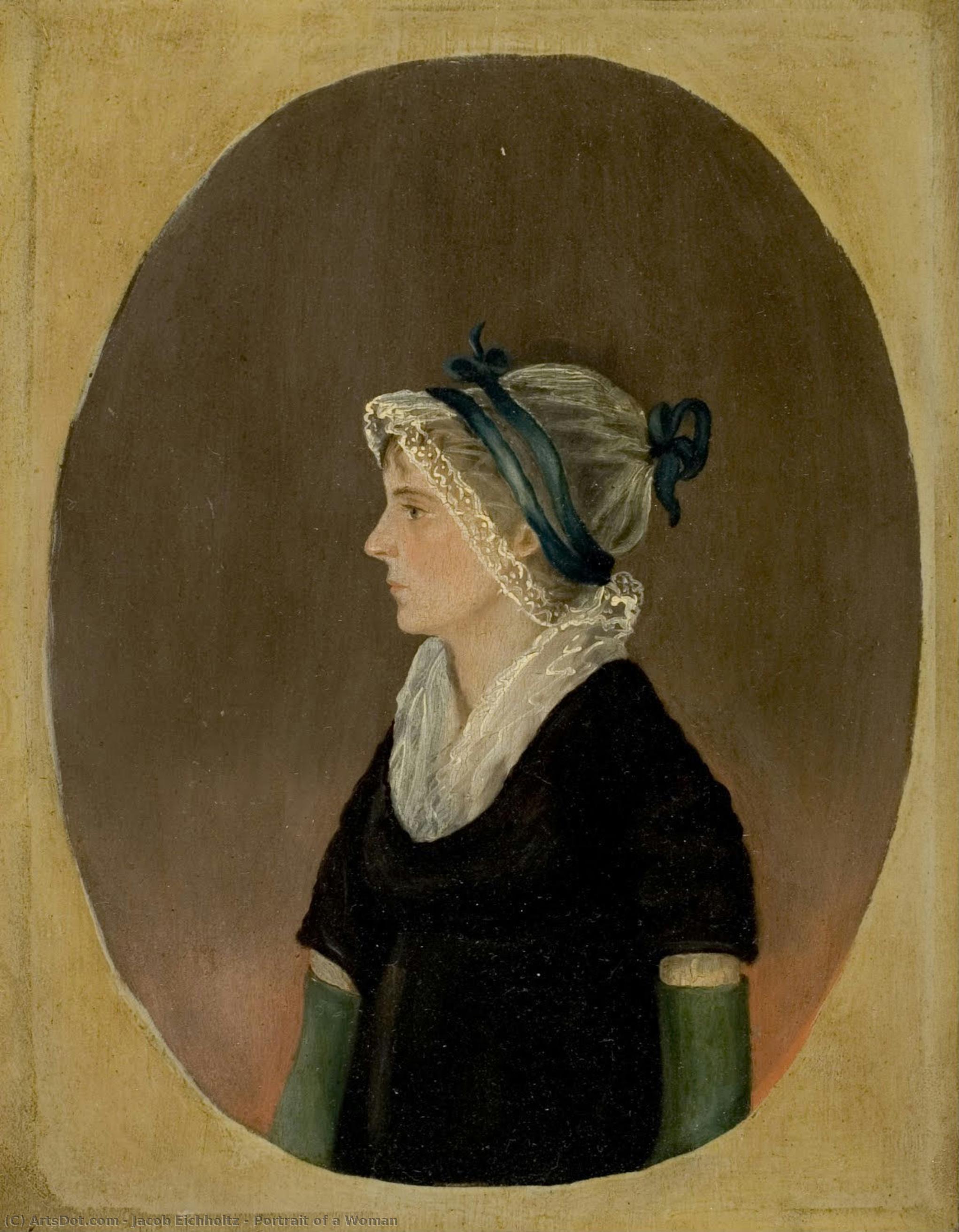
Portrait of a Woman
 Watercolor
- WallArt
- Neoclassicism
 23.0 x 18.0 cm
 Chrysler Museum of Art
 Read More
Purchase a high-resolution, enhanced digital image, far superior to the online preview.
Each file is meticulously prepared by our in-house specialists using advanced tools and expert manual retouching. We ensure every image has exceptional clarity, precise color accuracy, and fine detail.
The final file is delivered via email within 72 hours, optimized for immediate use in professional, editorial, and print environments. This is the same quality trusted by top-tier design studios, publishers, and galleries.
Digital Image
Download a high-resolution file for personal display, printing, and creative projects. ( Buy Print Buy Hand Made Painting)
Included in Every Digital Image Order
Expert Digital Delivery, Guaranteed
When you choose ArtsDot.com, you're not just getting an image - you're receiving a professionally enhanced digital artwork, crafted with precision and backed by a satisfaction guarantee. Here's everything that comes with your order, automatically:

Fast Email Delivery
Your high-resolution digital image file will be emailed to you within 72 hours of ordering - ready for immediate use.

AI-Enhanced Digital File
Your artwork is professionally optimized using advanced AI tools and manual editing, ensuring maximum detail, clarity, and color accuracy.

Free Lifetime Re-Delivery
Accidentally deleted or lost your file? No worries - we'll resend it to you anytime, free of charge.

No Import Fees - Ever
Enjoy your artwork instantly with zero customs, duties, or delivery fees - digital downloads are always tax-free.

Color Accuracy Guarantee
We ensure your digital image reflects the original colors as closely as possible using professional tools and color management.

60-Day Satisfaction Guarantee
If you're not satisfied with your digital image, we'll revise it or refund 100% within 60 days - no questions asked.

100% Money-Back Guarantee
Not satisfied? Get a full refund within 60 days of receiving your digital file - no questions asked.

Bulk Order Discounts
Buy 3 images, save 10% - Buy 5, save 15% - Buy 10+, save 20%. Great for creative projects, galleries, and agencies.
Collectible Description
A Glimpse of Elegance: Jacob Eichholtz’s “Portrait of a Woman”
Jacob Eichholtz's "Portrait of a Woman," painted circa 1820, is more than just a likeness; it’s a carefully constructed window into the social and artistic sensibilities of early America. This captivating watercolor and pen-on-paper piece, measuring a modest 23 x 18 cm, reveals Eichholtz's mastery of Neoclassical portraiture – a style that sought to emulate the idealized beauty and formality of classical antiquity while firmly rooted in the burgeoning American identity.
The subject herself remains subtly enigmatic. Presented in a classic profile view, she embodies the grace and composure favored in portraits of this era. Her attire—a delicate white Empire gown adorned with a rich red shawl—suggests a woman of considerable means and refined taste, reflecting the social standing prevalent within Lancaster, Pennsylvania, where Eichholtz established his practice. The subtle folds of her clothing, rendered with meticulous detail through layered watercolor washes and precise pen strokes, speak to the artist’s keen eye for texture and form.
Technique and Artistic Process
Eichholtz's approach was distinctly self-taught yet remarkably sophisticated. Initially apprenticed as a coppersmith, his artistic inclinations led him to pursue painting, largely through observation and imitation of established masters like Gilbert Stuart and Thomas Sully. This process is evident in the portrait’s balanced composition, its careful use of light and shadow, and the subtle modeling of the face – techniques borrowed from the European traditions he admired. The delicate interplay between watercolor washes and precise pen lines creates a remarkable sense of depth and texture, imbuing the image with a tangible quality.
The artist’s choice of materials—watercolor paint, pen and ink, and paper—contributes significantly to the portrait's overall effect. Watercolor lends itself beautifully to capturing soft hues and delicate details, while the pen provides sharp outlines that define the subject’s features and clothing. The slightly aged quality of the artwork hints at its history, adding a layer of romantic intrigue.
Historical Context and Symbolism
To understand “Portrait of a Woman,” it's crucial to consider the broader context of early 19th-century America. Following the American Revolution, there was a renewed interest in European art and culture, particularly Neoclassicism – a style that celebrated reason, order, and classical ideals. Eichholtz’s work reflects this trend, employing formal poses, balanced compositions, and idealized representations of beauty.
The portrait's symbolism is understated yet suggestive. The woman’s dignified bearing and elegant attire communicate status and refinement. The shawl, with its rich red hue, could symbolize wealth, passion, or perhaps even a hint of romantic longing. Eichholtz was a shrewd businessman who understood the market; he offered portraits at prices comparable to everyday goods, making art accessible to a wider segment of society.
A Timeless Masterpiece
"Portrait of a Woman" is not merely a representation of an individual; it’s a testament to Jacob Eichholtz's artistic skill and his ability to capture the essence of his subject. The painting’s quiet elegance, combined with its historical significance and subtle symbolism, makes it a captivating work of art that continues to resonate with viewers today. Reproductions offer a wonderful opportunity to bring this piece into any home or office, adding a touch of refined beauty and historical charm.
Related Artworks
Artist Biography
Early Life and Apprenticeship in Lancaster
Jacob Eichholtz’s story begins not within the hallowed halls of an art academy, but amidst the practical trades of 18th-century Pennsylvania. Born in Lancaster, a burgeoning town on the edge of the frontier, he entered the world as Leonard Eichholtz's son, inheriting a family legacy intertwined with both commerce and community. His father, Leonard, operated the bustling Bull’s Head Tavern, a vital hub for social interaction and trade – a life that instilled in young Jacob an understanding of human connection and the rhythms of daily life. However, from his earliest years, a different current flowed within him: a deep-seated fascination with drawing and a nascent artistic sensibility. Recognizing this inclination, his parents, mindful of their son’s burgeoning talent, apprenticed him to a coppersmith at the tender age of eleven. This seemingly pragmatic step – securing a stable trade – was, in reality, a carefully considered investment in Jacob's potential. The craft of metalworking provided a grounding in precision and technique, while simultaneously nurturing his eye for detail and an appreciation for form. Crucially, it also offered him a space to indulge his artistic impulses, sketching designs on copper panels during downtime, a quiet rebellion against the demands of his apprenticeship. His father’s involvement in the American Revolutionary War further shaped Jacob's perspective, exposing him to ideals of liberty and self-determination – values that would later inform his approach to portraiture.Transitioning from Craft to Canvas: The Rise of a Portraitist
The transition from coppersmith to painter was not immediate or entirely seamless. Jacob’s initial forays into painting were largely self-taught, fueled by an unwavering passion and a keen observation of the world around him. He sought guidance from local sign painters, absorbing techniques and developing his skills in charcoal and ink. However, it was the arrival of Thomas Sully, a prominent portraitist traveling through Lancaster in 1808, that proved to be a pivotal moment in Jacob’s artistic journey. Sully, recognizing Eichholtz's potential, offered him invaluable instruction and access to his studio – a generous act that dramatically accelerated his development. As Sully himself later remarked, “Eichholtz would have made a first-rate painter had he begun early in life with the usual advantages.” This mentorship provided Jacob with critical insights into composition, lighting, and the art of capturing the likeness and character of his subjects. The experience solidified his commitment to portraiture, transforming it from a personal pursuit into a viable profession. Eichholtz’s decision to establish his own workshop in Lancaster reflected this newfound confidence – a bold step towards independence and self-sufficiency.A Portraitist for Pennsylvania Society
By the early 1800s, Jacob Eichholtz had established himself as a respected portrait painter within the burgeoning communities of Pennsylvania and Maryland. He wasn’t merely replicating appearances; he was striving to capture the essence of his subjects – their personalities, aspirations, and social standing. His portraits became windows into the lives of prominent figures: lawyers, merchants, landowners, and members of the gentry. He skillfully navigated the conventions of the Romantic Victorian tradition, employing dramatic lighting, rich textures, and carefully rendered details to create images that were both aesthetically pleasing and psychologically revealing. Eichholtz’s work was particularly sought after by those who wished to document their family histories or commemorate significant life events. His portraits adorned the walls of grand homes and public buildings, serving as tangible reminders of social connections and familial legacies. His ability to portray a range of emotions – from quiet contemplation to exuberant joy – contributed significantly to his popularity and enduring appeal.Notable Works and Legacy
Over the course of three decades, Jacob Eichholtz produced an astonishing number of portraits—estimates suggest over 800—a testament to his prolific output and unwavering dedication. His paintings are now housed in major museums and private collections across the United States, offering a valuable glimpse into the social and cultural landscape of early America. Among his most celebrated works is “Jane Evans Tevis” (circa 1827), a stunningly evocative portrait that captures the serene beauty and quiet dignity of its subject. His portraits of Chief Justice John Marshall and Nicholas Biddle, prominent figures in Philadelphia’s political and financial circles, are particularly noteworthy for their meticulous detail and psychological depth. Eichholtz's legacy extends beyond his individual artistic achievements; he represents a crucial link in the chain of American portraiture—a self-taught artist who rose to prominence through talent, perseverance, and an astute understanding of his clientele’s desires. He stands as a reminder that artistic excellence can emerge from unexpected places, transforming humble beginnings into lasting recognition.Later Years and Remembrance
In 1830, Jacob Eichholtz relocated to Philadelphia, seeking new opportunities and a fresh start. He continued to paint prolifically until his death in 1842, leaving behind a remarkable body of work that reflects the spirit of an era. His final years were marked by a desire for simplicity and connection with his roots, leading him back to Lancaster where he was interred alongside his family in Woodward Hill Cemetery. Today, Jacob Eichholtz’s portraits remain treasured artifacts—testaments to his skill, vision, and enduring contribution to the art of American portraiture. They offer us a poignant glimpse into the lives of those who shaped the nation's history, reminding us of the power of art to capture not just appearances but also the very essence of human experience.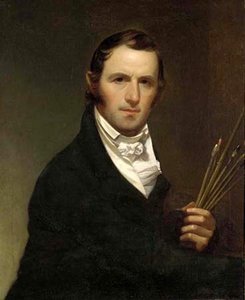
Jacob Eichholtz
1776 - 1842 , United States of America
Quick Facts
- Artistic Movement Or Style: Romantic Victorian Portraiture
- Artists Or Movements Influenced By This Artist: ['None listed']
- Artists Who Influenced This Artist:
- Thomas Sully
- Gilbert Stuart
- Date Of Birth: 1776-03-24
- Date Of Death: 1842-05-19
- Full Name: Jacob Eichholtz
- Nationality: American
- Notable Artworks:
- Jane Evans Tevis
- Henry Eichholtz Leman
- Anna Maria Eichholtz
- Place Of Birth: Lancaster, Pennsylvania

