 Preview
 Send
Send Share
Share
 Details

 Download
 Similars
 X-Ray
X-Ray Diaporama
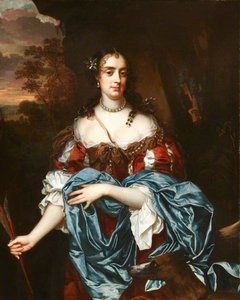
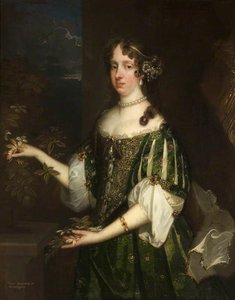
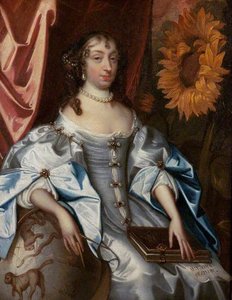
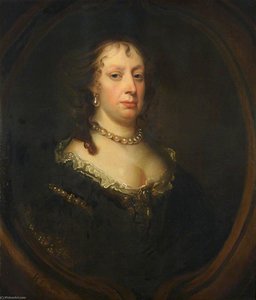
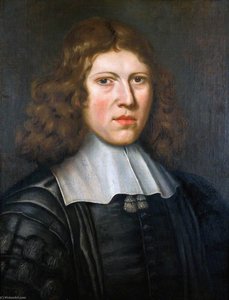
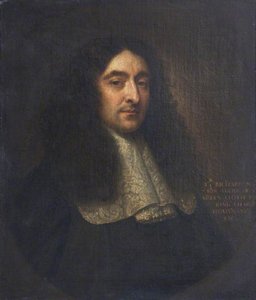
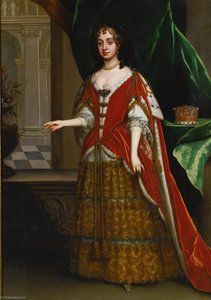
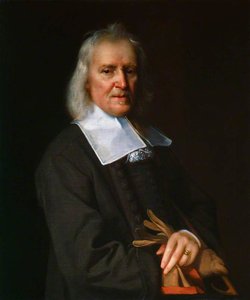
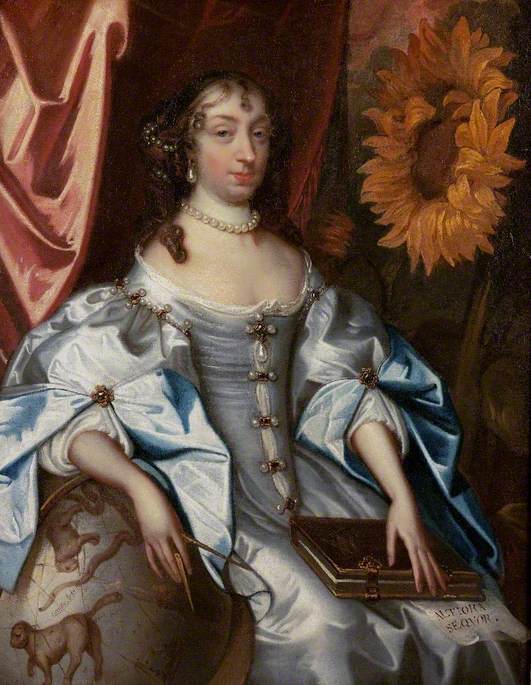
Elizabeth Cromwell, Mrs John Claypole
 118.0 x 93.0 cm
 Chequers Court
 Read More
Giclée / Art Print
Museum-quality giclée or canvas print with fast production and flexible finish options. ( Buy Hand Made Painting Buy Image)




































Pick from our preset sizes that match the artwork's original proportions.

You may enter your own dimensions to fit a specific frame or space. If your selected size does not match the original image's proportions, we will either crop the artwork or extend the image with a mirrored or solid-fill edge. A digital mockup will be sent for your approval before production begins.
Please note that the on-screen preview does not reflect the actual cropping or extension. Only the mockup will accurately show the final composition.
While custom sizes are available, we recommend selecting a dimension from the predefined list to preserve the original proportions.
Worldwide Delivery () in 2 weeks instead of standard 4/5 weeks. (25 August)

Free Worldwide Express Shipping

High-Quality Linen Canvas

Full Shipping Insurance

Customs Tax Refund Guarantee

True Color Matching Guarantee

60-Day Return Policy (Defects Only)

100% Money-Back Guarantee

Bulk Discount Offer
 Glass option is only available in size under 110 CM

Elizabeth Cromwell, Mrs John Claypole
Giclée / Art Print
Reproduction Size
-


Total Price
$ 63
Related Artworks






Artist Biography
The Radiant Brush of Jacob Huysmans: A Master of Baroque Splendor
In the vibrant, turbulent landscape of seventeenth-century Flanders, few names evoke the dramatic flair of the Baroque era quite like Jacob Huysmans. Born in Antwerp around 1633, Huysmans was a man destined for the canvas, emerging from a lineage where artistic talent was woven into the very fabric of family life. With an uncle and brother who were accomplished landscape painters, his upbringing was steeped in the visual language of light and form. Under the rigorous tutelage of celebrated history painters such as Gillis Backereel and Frans Wouters, he mastered the ability to breathe life into subjects, learning to balance meticulous anatomical observation with the grand, expressive gestures that would later define his signature style.
The trajectory of Huysmans’ life took a transformative turn when he migrated toward England, arriving in London around 1662, just as the nation was emerging from the shadows of political and religious upheaval. To establish himself within the competitive English art market, he initially practiced the art of the "pastiche," creating skillful, smaller-scale interpretations of the legendary Anthony van Dyck. This strategic homage allowed him to harmonize his Flemish training with the established tastes of the English aristocracy, eventually paving the way for a career that would see him stand as a formidable rival to the court painter Peter Lely. While Lely was celebrated for a more restrained and sober approach, Huysmans offered a lush, exuberant alternative that captured the imagination of the era's most powerful figures.
Royal Patronage and the Splendor of the Court
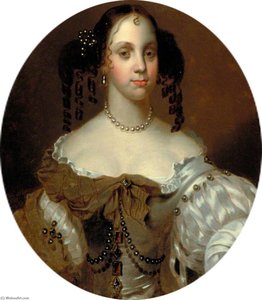
The true zenith of Huysmans’ career was reached through his profound connection to Queen Catherine of Braganza. As a fellow Roman Catholic, the Portuguese-born Queen found in Huysmans an artist who could translate her royal dignity into something both divine and earthly. His relationship with the court was not merely professional but deeply embedded in the cultural and religious currents of the Restoration period. The famous diarist Samuel Pepys famously noted the brilliance of Huysmans’ workshop, describing his skill as something that could rival or even exceed the great Lely. Through his portraits of the Queen—depicting her both in regal splendor and in more allegorical, tender roles like a shepherdess—Huysmans helped craft the visual identity of a monarch who captivated an entire nation.
Beyond the royal family, Huysmans’ brush touched the lives of the highest echelons of English nobility. His ability to render the tactile richness of silk, the heavy weight of velvet, and the shimmering glow of pearls made him the preferred chronicler of aristocratic status. Notable works from his repertoire include:
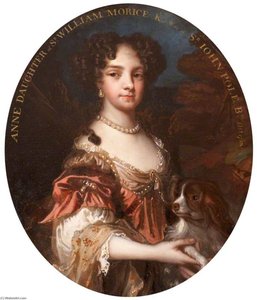
- Portrait of Anne Morice: A stunning display of Baroque detail where opulent attire serves to highlight the subject's grace.
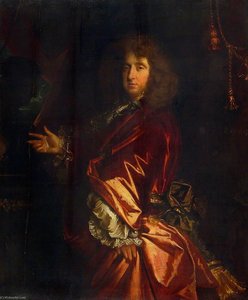
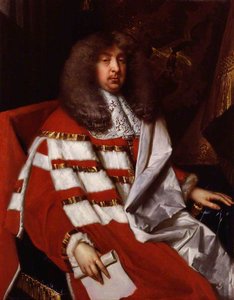
- John Maitland, Duke of Lauderdale: A 1665 masterpiece that showcases the artist's ability to convey power and political importance through dramatic lighting.
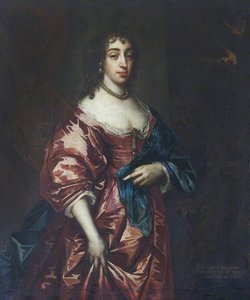
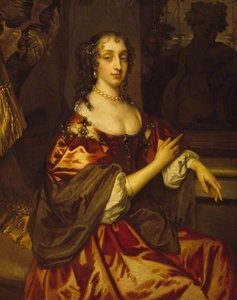
- Portrait of an Unknown Lady in Red: An evocative study in color and texture, demonstrating his mastery of the deep, saturated palettes characteristic of the period.
A Legacy Written in Light and Shadow
The historical significance of Jacob Huysmans lies in his role as a bridge between the classical traditions of the Flemish masters and the evolving tastes of the English Baroque. He did not merely copy the past; he infused it with a new, energetic vitality. Even when faced with the displacement caused by the Great Fire of London, which saw him residing temporarily in Chichester, his artistic output remained a testament to resilience and stylistic evolution. His work remains a vital window into a period where art was used as a tool for both political legitimacy and religious expression.
Today, when we gaze upon a Huysmans portrait, we are not just looking at a likeness of a person, but at a carefully constructed drama of light, shadow, and status. His ability to blend the grandeur of history painting with the intimacy of portraiture ensures his place in the pantheon of great European masters. He remains an artist whose legacy is defined by the exuberant spirit of an era that sought beauty amidst the complexities of a changing world.
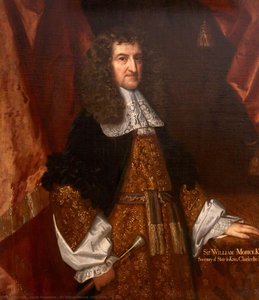
Jacob Huysmans
1633 - 1696
Quick Facts
- Artistic Movement Or Style: Baroque Painting
- Artists Or Movements Influenced By This Artist: ['Anthony van Dyck']
- Artists Who Influenced This Artist:
- Gillis Backereel
- Frans wouters
- Date Of Death: 1696
- Full Name: Jacob Huysmans
- Nationality: Flemish
- Notable Artworks:
- Portrait of an Unknown Lady in Red
- Anne Morice (d.1713 1714), Lady Pole
- John Maitland, Duke of Lauderdale
- Place Of Birth: Antwerp