

 Preview
 Send
Send Share
Share
 Details

 Download
 Similars
 X-Ray
X-Ray Diaporama
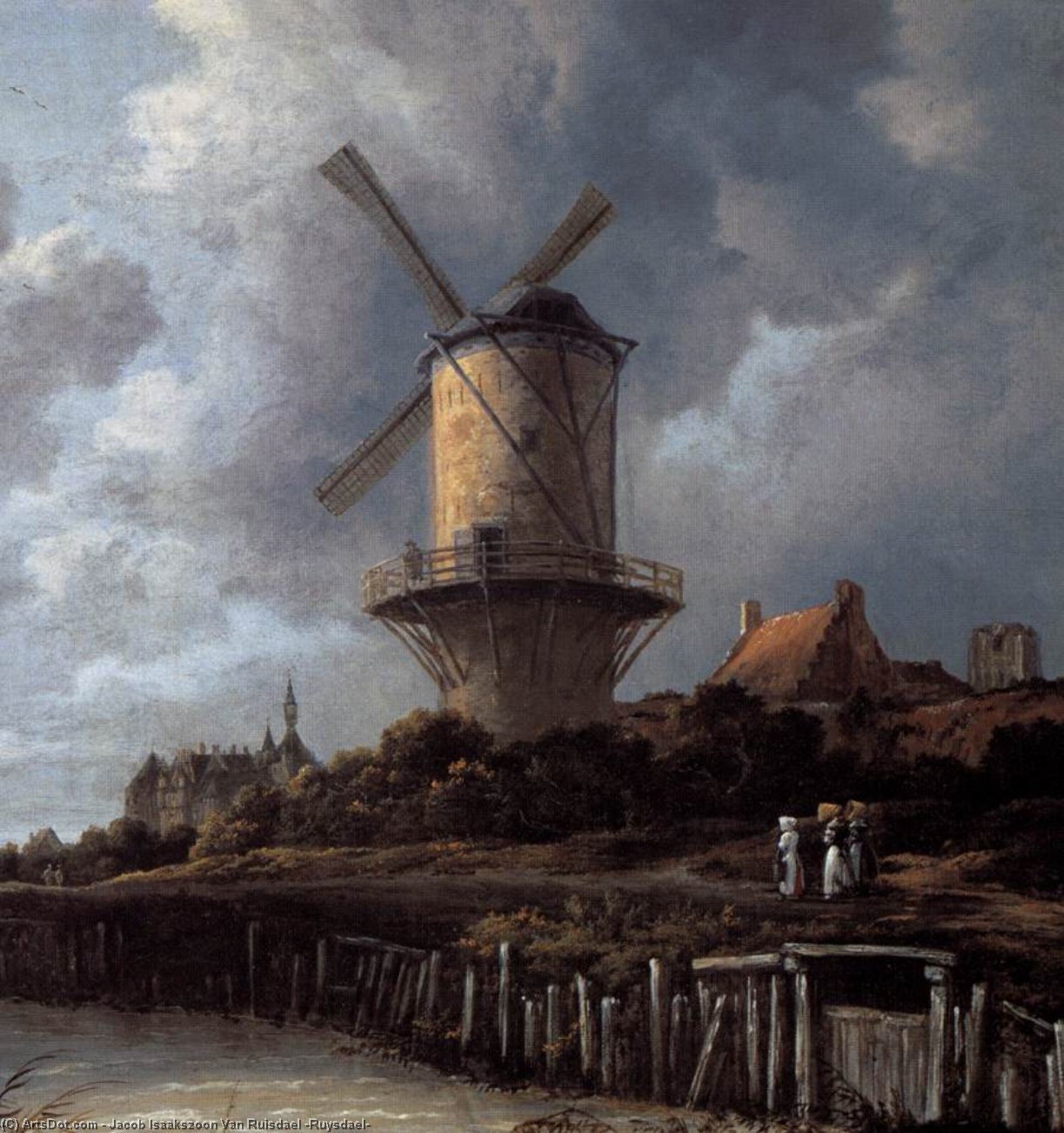
The Windmill at Wijk bij Duurstede (detail)


 Read More
Purchase a high-resolution, enhanced digital image, far superior to the online preview.
Each file is meticulously prepared by our in-house specialists using advanced tools and expert manual retouching. We ensure every image has exceptional clarity, precise color accuracy, and fine detail.
The final file is delivered via email within 72 hours, optimized for immediate use in professional, editorial, and print environments. This is the same quality trusted by top-tier design studios, publishers, and galleries.
Digital Image
Download a high-resolution file for personal display, printing, and creative projects. ( Buy Print Buy Hand Made Painting)
Included in Every Digital Image Order
Expert Digital Delivery, Guaranteed
When you choose ArtsDot.com, you're not just getting an image - you're receiving a professionally enhanced digital artwork, crafted with precision and backed by a satisfaction guarantee. Here's everything that comes with your order, automatically:

Fast Email Delivery
Your high-resolution digital image file will be emailed to you within 72 hours of ordering - ready for immediate use.

AI-Enhanced Digital File
Your artwork is professionally optimized using advanced AI tools and manual editing, ensuring maximum detail, clarity, and color accuracy.

Free Lifetime Re-Delivery
Accidentally deleted or lost your file? No worries - we'll resend it to you anytime, free of charge.

No Import Fees - Ever
Enjoy your artwork instantly with zero customs, duties, or delivery fees - digital downloads are always tax-free.

Color Accuracy Guarantee
We ensure your digital image reflects the original colors as closely as possible using professional tools and color management.

60-Day Satisfaction Guarantee
If you're not satisfied with your digital image, we'll revise it or refund 100% within 60 days - no questions asked.

100% Money-Back Guarantee
Not satisfied? Get a full refund within 60 days of receiving your digital file - no questions asked.

Bulk Order Discounts
Buy 3 images, save 10% - Buy 5, save 15% - Buy 10+, save 20%. Great for creative projects, galleries, and agencies.
Collectible Description
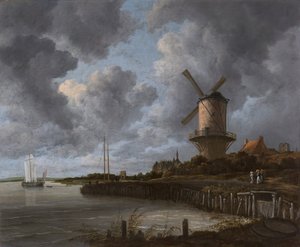
The Windmill at Wijk bij Duurstede: A Dutch Masterpiece of Light and Atmosphere
Jacob Isaackszoon van Ruysdael’s “The Windmill at Wijk bij Duurstede” isn't merely a depiction of a rural scene; it’s a profound meditation on light, space, and the enduring spirit of the Netherlands. Painted around 1670 during the height of the Dutch Golden Age, this iconic work transcends its subject matter to become a timeless emblem of tranquility, industry, and the subtle beauty of the natural world. It's a painting that invites contemplation, drawing the viewer into a meticulously crafted landscape brimming with quiet drama.
The scene unfolds in the small village of Wijk bij Duurstede, nestled along the banks of the River Lek. Dominating the composition is the windmill itself – not a fantastical, towering structure, but a sturdy, practical machine, its sails gracefully angled against a dramatic sky. Ruysdael masterfully captures the essence of this working landmark, imbuing it with a sense of both strength and vulnerability. The surrounding landscape—a patchwork of fields, modest buildings, and a winding river—provides a grounding counterpoint to the windmill’s imposing presence. The inclusion of a small group of figures – likely villagers engaged in daily life – adds a touch of human scale to the vastness of the scene, reminding us of our connection to this timeless landscape.
A Symphony of Light and Shadow: Ruysdael's Technique
Ruysdael’s genius lies not just in his subject matter but also in his extraordinary command of light and shadow. He employs a technique known as *chiaroscuro*, dramatically contrasting areas of intense brightness with deep, enveloping darkness. This isn’t simply an aesthetic choice; it's integral to the painting’s emotional impact. The strong directional lighting casts long shadows that define the forms of the windmill, buildings, and trees, creating a palpable sense of depth and volume. The sky, rendered in layers of muted blues and grays, seems to press down upon the landscape, adding to the overall feeling of atmospheric drama.
His brushwork is remarkably smooth and controlled, yet subtly textured – a testament to years of experience. The application of paint is meticulous, building up tones gradually to achieve remarkable realism. The artist’s use of perspective is particularly noteworthy; he skillfully employs aerial perspective—making distant elements appear paler and less distinct—to create the illusion of vast space. This technique draws the eye into the scene, inviting us to lose ourselves in the details of the landscape.
Symbolism and Historical Context
The windmill itself is a potent symbol within Dutch culture – representing industry, innovation, and the nation’s pioneering spirit. It embodies the pragmatic ingenuity that defined the Netherlands during this period of remarkable economic growth and maritime dominance. Ruysdael's choice to depict a working windmill speaks volumes about his understanding of the rural landscape and its vital role in the country’s prosperity.
Painted during the Dutch Golden Age (roughly 1600-1700), “The Windmill at Wijk bij Duurstede” reflects the era's fascination with realism and its celebration of everyday life. Dutch artists, influenced by Renaissance masters like Leonardo da Vinci and Caravaggio, sought to capture the world as they saw it—with meticulous detail and a profound appreciation for light and color. The painting’s enduring popularity is a testament to Ruysdael’s ability to distill this complex cultural moment into a single, unforgettable image.
A Legacy of Tranquility: Emotional Impact
Despite the dramatic lighting and atmospheric intensity, “The Windmill at Wijk bij Duurstede” evokes a profound sense of tranquility. The painting's muted palette, combined with its carefully composed elements, creates a mood of quiet contemplation—a welcome respite from the bustle of modern life. There’s an underlying melancholy too, perhaps reflecting the fleeting nature of beauty and the inevitable passage of time.
Ruysdael’s masterpiece continues to resonate with viewers today because it speaks to something fundamental about the human experience: our connection to the natural world, our appreciation for simple pleasures, and our enduring fascination with light and shadow. It is a painting that invites us to slow down, breathe deeply, and simply *be* present in the moment—a timeless reminder of the beauty and serenity that can be found in even the most humble of landscapes.
Related Artworks
Artist Biography
early life and career
jacob isaackszoon van ruisdael, a prominent dutch painter, draughtsman, and etcher, was born in 1628 in the netherlands. he is widely regarded as the pre-eminent landscape painter of the dutch golden age, a period marked by great wealth and cultural achievement.
artistic style and contributions
van ruisdael's work is characterized by its versatility and prolific nature, depicting a wide variety of landscape subjects. from 1646, he painted remarkable dutch countryside scenes, which later took on a more heroic character after his trip to germany in 1650. his late work, produced while living and working in amsterdam, featured city panoramas and seascapes, often with the sky occupying two-thirds of the canvas.
- waterfall in a rocky and mountainous landscape, showcasing his mastery of light and composition.
- view of haarlem with bleaching grounds, exemplifying his ability to capture the essence of the dutch landscape.
- view of the dam and the damrak in amsterdam, highlighting his skill in cityscape painting.
museums and collections
van ruisdael's work is spread across private and institutional collections worldwide, with notable holdings at:
- the national gallery in london
- the rijksmuseum in amsterdam
- the hermitage museum in st. petersburg
influence and legacy
van ruisdael's influence on landscape painting traditions is profound, shaping the english romantics, the barbizon school in france, and the hudson river school in the us. he also inspired generations of dutch landscape artists. notable works:
- view of haarlem with bleaching grounds
- waterfall in a rocky and mountainous landscape
- view of the dam and the damrak in amsterdam
artist's profile on ArtsDot: jacob isaackszoon van ruisdael
jacob isaackszoon van ruisdael
1628 - 1682 , Netherlands
Quick Facts
- Artistic Movement Or Style: Dutch Golden Age, Baroque
- Artists Or Movements Influenced By This Artist:
- English Romantics
- Barbizon School
- Artists Who Influenced This Artist: ['Hendrick Vroom']
- Date Of Birth: 1628/1629, Haarlem
- Date Of Death: 1682, Amsterdam
- Full Name: Jacob Isaackszoon van Ruisdael
- Nationality: Dutch
- Notable Artworks:
- View of Haarlem
- Waterfall landscape
- Amsterdam cityscape
- Place Of Birth: Haarlem, Netherlands

