Preview
 Send
Send Share
Share
 Details

 Download
 Similars
 X-Ray
X-Ray Diaporama
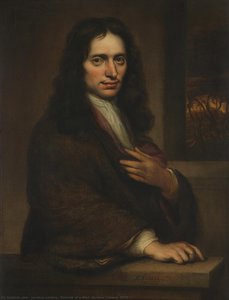
Portrait of a Man, Jacobus Levecq, 1672


 Read More
Hand Made Oil Reproduction
Hand-painted oil on canvas in your size and frame, made to order by our artists. ( Buy Print Buy Image)




































Pick from our preset sizes that match the artwork's original proportions.

You may enter your own dimensions to fit a specific frame or space. If your selected size does not match the original image's proportions, we will either crop the artwork or extend the painting with additional hand-painted elements. A digital mockup will be sent for your approval before production begins.
Please note that the on-screen preview does not reflect the actual cropping or extension. Only the mockup will accurately show the final composition.
While custom sizes are available, we recommend selecting a dimension from the predefined list to preserve the original proportions.
After order, ArtsDot.com team will email client for instructions and provide a mockup preview
Worldwide Delivery () in 3/4 weeks instead of standard 5 weeks. (23 August). No compromise on quality.

Free Worldwide Express Shipping

High-Quality Linen Canvas

Full Shipping Insurance

Customs Tax Refund Guarantee

True Color Matching Guarantee

60-Day Return Policy (Defects Only)

100% Money-Back Guarantee

Bulk Discount Offer
 Glass option is only available in size under 110 CM

Portrait of a Man, Jacobus Levecq, 1672
Reproduction Medium
Reproduction Size
-


Total Price
$ 263
Artwork Description
Related Artworks


Artist Biography
A Glimpse into the World of Jacobus Levecq
Jacobus Levecq, a name perhaps less celebrated than some of his Dutch Golden Age contemporaries, nevertheless occupies a fascinating niche within the vibrant tapestry of 17th-century portraiture. While biographical details remain scarce – a common challenge when researching artists from this period – the surviving body of his work speaks volumes about his skill and position within Amsterdam’s artistic circles. Levecq appears to have been active primarily in the mid-to-late 1600s, a time of immense prosperity for the Dutch Republic and a flourishing market for portraits that captured the likenesses and status of its burgeoning merchant class. His paintings are characterized by a refined realism, a masterful handling of light and shadow – reminiscent of Rembrandt’s influence – and an ability to convey both the outward appearance and a subtle psychological depth in his sitters.Early Life and Artistic Training
The details surrounding Jacobus Levecq's birth and early training remain elusive. Records suggest he was born sometime before 1630, though precise dates are unavailable. It is widely believed that he received his initial artistic education within Amsterdam itself, a city teeming with workshops and opportunities for aspiring painters. The influence of Rembrandt van Rijn is palpable in Levecq’s work, particularly in the dramatic use of chiaroscuro – the interplay of light and dark – to sculpt forms and create atmosphere. While not directly documented as a pupil of Rembrandt, it's reasonable to assume that Levecq would have been exposed to his techniques through observation of works circulating within Amsterdam’s art market and potentially through study with artists who themselves had been influenced by the master. This period saw many painters adopting elements of Rembrandt’s style, adapting them to their own individual sensibilities.Portraiture as a Reflection of Dutch Society
Levecq dedicated his career primarily to portrait painting, a genre that thrived in the Dutch Republic due to the wealth and self-awareness of its citizenry. Unlike aristocratic patronage prevalent elsewhere in Europe, Dutch portraits were often commissioned by merchants, tradespeople, and members of the growing middle class who sought to immortalize their achievements and social standing. Levecq’s portraits are not merely representations of physical likeness; they offer a window into the values and aspirations of this society. His sitters are typically depicted in dignified poses, adorned with clothing and accessories that reflect their prosperity and status. He excelled at capturing textures – the sheen of silk, the weight of velvet, the glint of gold – lending his portraits an air of realism and opulence. His ability to portray character, however, sets him apart; a quiet intelligence or reserved dignity often shines through in the faces of his subjects.Techniques and Style
Levecq’s technical skill is evident in his meticulous brushwork and masterful use of oil paint. He employed a layered approach, building up tones and textures to create depth and luminosity. His palette favored rich, warm colors – browns, reds, and golds – which contribute to the overall sense of gravitas in his portraits. The influence of Rembrandt’s chiaroscuro is particularly noticeable in the way he manipulates light to highlight key features and create dramatic shadows. However, Levecq's style isn’t simply an imitation of Rembrandt; he developed a distinctive approach characterized by a greater emphasis on surface detail and a more refined sense of composition.- Careful attention to fabric rendering.
- Subtle psychological insight in his sitters.
- A warm, inviting color palette.
Legacy and Historical Significance
While Jacobus Levecq may not be a household name today, his work remains an important testament to the artistic achievements of the Dutch Golden Age. His portraits provide valuable insights into the social and cultural values of 17th-century Amsterdam, offering a glimpse into the lives and aspirations of its burgeoning merchant class. Although overshadowed by more famous contemporaries like Rembrandt and Frans Hals, Levecq’s skill and artistry deserve recognition. He represents a vital link in the chain of Dutch portraiture, demonstrating how artists adapted and refined existing techniques to create works that were both technically accomplished and emotionally resonant. His paintings continue to captivate viewers with their realism, dignity, and subtle psychological depth, ensuring his place within the rich history of Dutch art.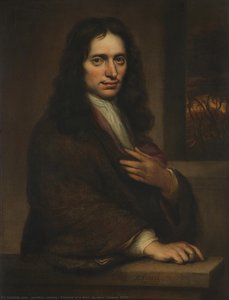
Quick Facts
- Artistic Movement Or Style: Baroque, Dutch Golden Age
- Date Of Death: Living
- Full Name: Jacobus Levecq
- Notable Artworks: ['Portrait of a Man (1672)']
Related Articles

Golden Age Reflections: Dutch Baroque Painting & Cultural Innovation
Explore the Dutch Golden Age of painting! Discover key artists like Vermeer & ter Borch, their innovative techniques, and the rich cultural context behind these Baroque masterpieces. Learn about collecting & appreciating this iconic art period.

Dutch Masters: 10 Golden Age Paintings That Still Inspire |
Journey into the Dutch Golden Age! Explore 10 iconic paintings by Rembrandt, Vermeer & Hals. Discover the stories behind these Baroque masterpieces and find museum-quality art reproductions to elevate your home decor on .

Dutch Baroque Masters: 10 Paintings That Shaped an Era | ArtsDot
Journey through the Golden Age with our guide to the Top 10 Dutch Baroque masterpieces! Explore iconic paintings by Rembrandt, Vermeer & Frans Hals. Find museum-quality art reproductions and elevate your home decor at ArtsDot.com.

Illuminating Innovation: Exploring the Dutch Golden Age of Painting
Explore the Dutch Golden Age of painting with ArtsDot. Discover Rembrandt, Vermeer & other Masters. Learn about key characteristics, iconic artworks, and lasting influence. Expert insights for collectors & enthusiasts.
Illuminating Realism: Exploring the Dutch Golden Age of Painting (1600-1700)
Explore the Dutch Golden Age of painting (1600-1700) with ArtsDot. Discover Rembrandt, Vermeer & other masters. Learn about techniques, history & find museum-quality reproductions.