Menu
FREE ART CONSULTATION
PreviewPreview AR previewAR preview Buy Print Buy PrintBuy Image Buy Image SendSend
DetailsDetails Add to favorites Add to favorites DownloadDownload SimilarsSimilars X-RayX-Ray DiaporamaDiaporama

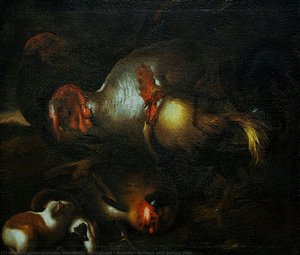
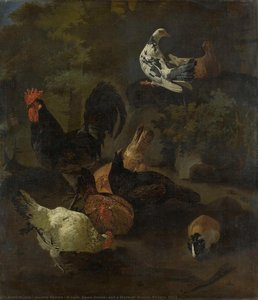
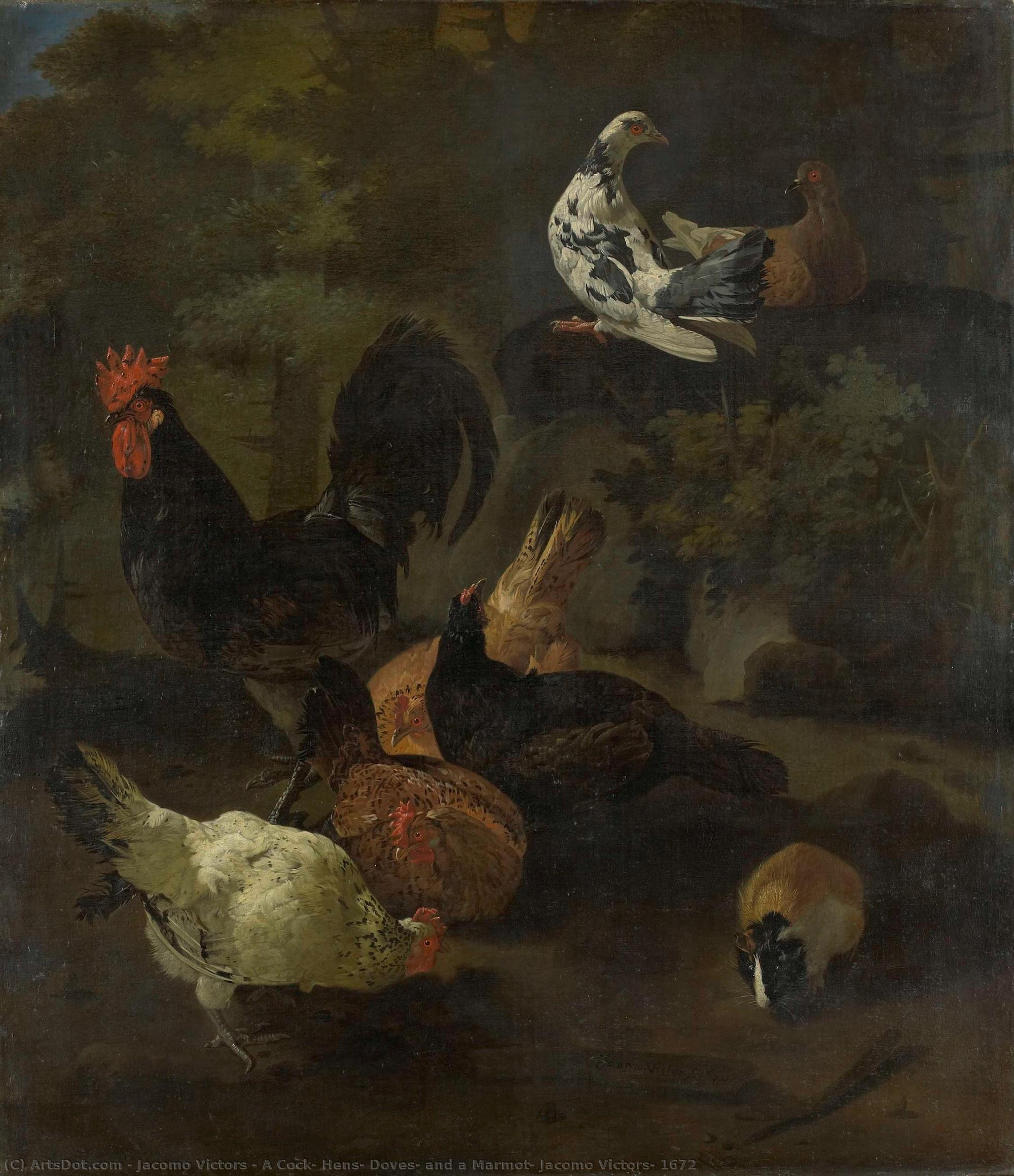
A Cock, Hens, Doves, and a Marmot, Jacomo Victors, 1672

  • Creation date1672
  • Dimensions128.0 x 111.0 cm

Jacomo Victors was a Dutch Golden Age painter known for his lively animal studies and biblical scenes like 'A Cock, Hens, Doves, and a Marmot,' offering a glimpse into 17th-century life—discover the charm of his detailed works.

Hand Made Oil Reproduction

Hand-painted oil on canvas in your size and frame, made to order by our artists. (Buy Print Buy PrintBuy Image Buy Image)

Standard
custom
CM
INCH

Pick from our preset sizes that match the artwork's original proportions.

width
height

You may enter your own dimensions to fit a specific frame or space. If your selected size does not match the original image's proportions, we will either crop the artwork or extend the painting with additional hand-painted elements. A digital mockup will be sent for your approval before production begins.
Please note that the on-screen preview does not reflect the actual cropping or extension. Only the mockup will accurately show the final composition.
While custom sizes are available, we recommend selecting a dimension from the predefined list to preserve the original proportions.

Examples of what can be changed: Replace face with customer photo; Add pet (e.g., replace cat with dog); Include hidden message in background; Change background landscape or elements.
After order, ArtsDot.com team will email client for instructions and provide a mockup preview

Worldwide Delivery () in 3/4 weeks instead of standard 5 weeks. (28 August). No compromise on quality.

why_choose_icon
Free Worldwide Express Shipping
why_choose_icon
High-Quality Linen Canvas
why_choose_icon
Full Shipping Insurance
why_choose_icon
Customs Tax Refund Guarantee
why_choose_icon
True Color Matching Guarantee
why_choose_icon
60-Day Return Policy (Defects Only)
why_choose_icon
100% Money-Back Guarantee
why_choose_icon
Bulk Discount Offer

Total Price

$ 263

reproduction

A Cock, Hens, Doves, and a Marmot, Jacomo Victors, 1672

Reproduction Medium

Reproduction Size

-

Total Price

$ 263

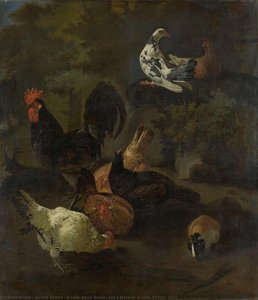
A rooster with four chickens, two pigeons and a marmot between rocks under trees.

Artist Biography

The Enigmatic World of Jacomo Victors

Jacomo Victors remains a somewhat elusive figure in the landscape of 17th-century Dutch and Flemish painting, an artist whose work possesses a quiet power yet often resides outside the mainstream narratives of art history. While biographical details are scarce – born in an unknown location with no documented year, and currently living – his paintings offer compelling glimpses into a skilled hand deeply versed in genre scenes and animal studies. The available evidence suggests a career unfolding primarily during the latter half of the 17th century, a period marked by burgeoning artistic specialization within the Dutch Golden Age. Victors’s oeuvre, though not extensive, reveals an affinity for depicting domestic interiors populated with lively animals – chickens, doves, marmots – and occasionally hinting at narrative themes.

A Master of Genre and Animalier Painting

Victors's artistic strength lies in his ability to imbue everyday scenes with a sense of vitality and subtle storytelling. “A Cock, Hens, Doves, and a Marmot” (1672), exemplifies this talent. The composition isn’t merely a depiction of barnyard life; it's a carefully orchestrated arrangement of textures, light, and animal behavior. The meticulous rendering of feathers, fur, and the varied surfaces within the interior space demonstrate a technical proficiency characteristic of Dutch Realism. He captures not just *what* these animals look like, but also their inherent character – the proud strut of the cock, the gentle cooing of the doves, the inquisitive nature of the marmot. This attention to detail wasn’t simply about visual accuracy; it was about creating a believable and engaging world for the viewer. His work shares stylistic similarities with artists such as Jan Victors (possibly a relative or contemporary), particularly in the handling of light and shadow, though Jacomo's focus leans more consistently towards genre scenes rather than solely religious subjects.

Influences and Artistic Development

Pinpointing specific influences on Victors’s style proves challenging given the limited documentation surrounding his life. However, one can discern echoes of earlier Dutch masters in his work. The influence of painters like Pieter Claesz or Willem Kalf is visible in his careful arrangement of objects and masterful use of light to create depth and atmosphere. The detailed animal studies suggest an engagement with artists specializing in this area, though a direct lineage remains unclear. It’s plausible that Victors benefited from the collaborative workshop system common during the period, absorbing techniques and stylistic elements from various sources. His development appears to have centered on refining his ability to capture realistic textures and dynamic compositions within intimate domestic settings. The subtle narratives embedded in his paintings suggest a desire to move beyond pure representation towards a more nuanced exploration of everyday life.

Historical Significance and Legacy

While Jacomo Victors may not be a household name, his work offers valuable insights into the artistic practices and aesthetic sensibilities of 17th-century Dutch painting. His paintings provide a window into the domestic lives of the period, showcasing the importance placed on everyday objects and animal life. The scarcity of documented works makes each piece a unique find for collectors and art historians alike. The fact that his work is still being studied and appreciated centuries later speaks to its enduring quality and subtle power. His contribution lies in his ability to elevate seemingly mundane subjects through skillful execution, keen observation, and a quiet sense of narrative charm. The rediscovery and continued study of Jacomo Victors’s paintings are essential for a more complete understanding of the rich tapestry of Dutch Golden Age art.
Explore artworks organized by themes, styles, and characteristics.