 Preview
 Send
Send Share
Share
 Details

 Download
 Similars
 X-Ray
X-Ray Diaporama
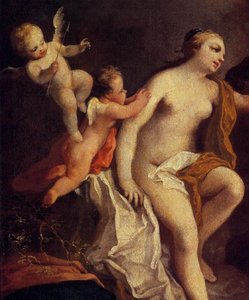
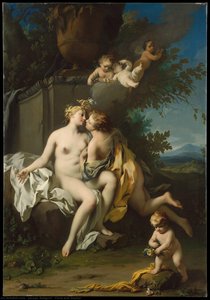
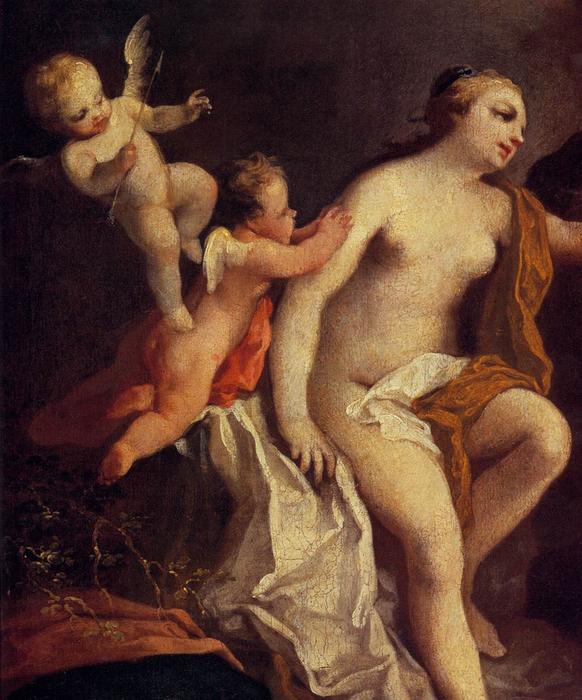
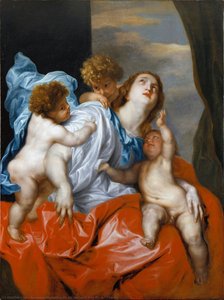
Venus and Adonis (detail)


 Read More
Hand Made Oil Reproduction
Hand-painted oil on canvas in your size and frame, made to order by our artists. ( Buy Print Buy Image)




P118B $10

P118H $10

P118W $10

P438Z $10

P508JH $12

P508YH $12

P805H $10

P805Z $10

P919BZ $10

P919G $10

P919XJ $10

P959ZH $10

P968JZ $12

W106C $8

W218G $10

W218JH $8

W218Y $10

W307PJ $10

W316G $10

W316PJ $8

W316Y $10

W398PJ $8

W4111J $10

W500HY $15

W500JH $15

W692G $12

W849H $8

W940BG $15

W953PJ $8




Pick from our preset sizes that match the artwork's original proportions.

You may enter your own dimensions to fit a specific frame or space. If your selected size does not match the original image's proportions, we will either crop the artwork or extend the painting with additional hand-painted elements. A digital mockup will be sent for your approval before production begins.
Please note that the on-screen preview does not reflect the actual cropping or extension. Only the mockup will accurately show the final composition.
While custom sizes are available, we recommend selecting a dimension from the predefined list to preserve the original proportions.
After order, ArtsDot.com team will email client for instructions and provide a mockup preview
Worldwide Delivery () in 3/4 weeks instead of standard 5 weeks. (17 August). No compromise on quality.

Free Worldwide Express Shipping

High-Quality Linen Canvas

Full Shipping Insurance

Customs Tax Refund Guarantee

True Color Matching Guarantee

60-Day Return Policy (Defects Only)

100% Money-Back Guarantee

Bulk Discount Offer
 Glass option is only available in size under 110 CM

Venus and Adonis (detail)
Reproduction Medium
Reproduction Size
-


Total Price
$ 263
Artwork Description
A Moment Frozen in Time: Jacopo Amigoni’s “Venus and Adonis” (Detail)
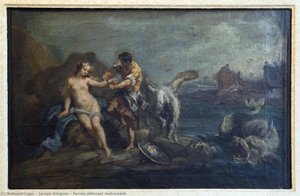
Jacopo Amigoni's "Venus and Adonis" – specifically this exquisite detail from the larger composition – offers a captivating glimpse into the heart of Baroque drama. Painted around 1740, during the artist’s prolific period spent adorning the courts of Europe, this fragment transcends mere illustration; it’s a carefully constructed tableau brimming with mythological allusion, emotional intensity, and the hallmarks of Amigoni's masterful technique. The scene unfolds within a darkened space, suggesting an enclosed grotto or perhaps a shadowed corner of a grand estate – a deliberate choice that immediately draws the viewer into a world of heightened emotion and veiled secrets.
At the center stands Venus, rendered with a captivating blend of vulnerability and regal authority. Her pose is languid yet charged with unspoken sorrow; her hand raised towards the heavens speaks to a plea, a lament for lost love, while her downward-reaching arm hints at a profound sense of despair. The artist’s attention to detail in capturing the delicate folds of her drapery and the subtle nuances of her expression is remarkable. Her skin glows with an almost ethereal light, a testament to Amigoni's skill in rendering texture and luminosity – a signature element of his Rococo style.
The Echoes of Mythology and Baroque Drama
This particular detail focuses on the interaction between Venus and Adonis, figures deeply rooted in classical mythology. The story, famously recounted by Ovid, tells of Venus’s relentless pursuit of the youthful hunter Adonis, who ultimately falls prey to a wild boar and dies in her arms. Amigoni doesn't simply depict the tragic event; he captures its emotional core – the agonizing beauty of unrequited love, the poignant acceptance of mortality, and the enduring power of desire. The inclusion of the two cherubs, or cupids, further reinforces this mythological context. One, poised with a bow and arrow, embodies the playful energy of love, while the other reaches out towards Venus’s shoulder, perhaps representing the inevitable sorrow that accompanies such passionate encounters.
A Masterclass in Rococo Technique
Amigoni's style is distinctly Rococo – characterized by its delicate brushwork, pastel color palette, and emphasis on movement and emotion. Notice how he employs chiaroscuro—the dramatic contrast between light and shadow—to sculpt the figures and create a sense of depth within the composition. The dark background serves to heighten the luminosity of Venus’s form, drawing our attention directly to her expressive face and body language. The artist's use of loose brushstrokes adds a fluidity and dynamism to the scene, conveying a feeling of immediacy and capturing the fleeting nature of emotion. He expertly blends colors, creating subtle gradations that add richness and complexity to the painting’s surface.
Symbolism and Emotional Resonance
Beyond the immediate narrative of Venus and Adonis, the image is rich in symbolic meaning. The setting itself—a secluded, shadowed space—suggests a realm of hidden emotions and private suffering. Venus's sorrowful expression speaks to the universal themes of loss, longing, and the bittersweet nature of beauty. The composition as a whole evokes a sense of melancholy and introspection, inviting viewers to contemplate the complexities of human relationships and the inevitability of death. This detail is not merely a depiction of a myth; it’s an exploration of profound emotional truths.
A Timeless Masterpiece – Perfect for Reproduction
Jacopo Amigoni's “Venus and Adonis” (detail) remains a testament to the enduring power of classical mythology and the artistry of the Baroque period. Reproductions, meticulously crafted to capture the nuances of the original painting, offer an exceptional opportunity to bring this evocative scene into your home or office. Whether adorning a grand salon or adding a touch of romantic drama to a smaller space, this artwork’s timeless beauty and emotional depth will undoubtedly captivate and inspire.
Related Artworks
Artist Biography
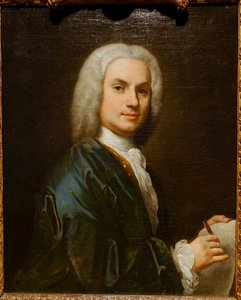
Jacopo Amigoni: A Master of the Rococo Court
Born in Naples around 1682 and passing away in Madrid in 1752, Jacopo Amigoni stands as a pivotal figure in the late Baroque and early Rococo art world. Initially trained in Venice, his career blossomed across Europe, establishing him as one of the most sought-after portraitists and scene painters of his era. Amigoni’s journey was marked by constant movement – from the Venetian ateliers to the opulent courts of Bavaria, England, Spain, and beyond – each location leaving its distinctive imprint on his evolving style and subject matter.
Early in his career, Amigoni produced works encompassing both mythological narratives and religious scenes. These early pieces demonstrate a burgeoning technical skill and an appreciation for dramatic composition. However, as the 18th century progressed and he gained recognition amongst aristocratic patrons, his focus shifted towards more intimate, salon-style paintings – depictions of gods in languid poses, allegorical subjects, and portraits that captured the essence of European nobility. His ability to render luxurious fabrics, shimmering jewels, and expressive faces became hallmarks of his distinctive style.
A Court Painter Across Continents
Amigoni’s career is inextricably linked with his travels. He began working in Bavaria around 1717, initially for the court at Nymphenburg Castle, later finding a prestigious position at Schleissheim Castle from 1725 to 1729. His time in these Germanic locales solidified his reputation for creating richly detailed and technically proficient works. From 1726 onward, he journeyed to Venice, continuing to serve prominent Venetian families like the Streit and Savoia, producing a significant body of work for their residences.
The mid-18th century witnessed Amigoni’s extensive travels through England. He spent several years in London, working for various patrons including Lord Tankerville, and even contributing to the theatrical scene at Covent Garden. His presence in England was notable; he engaged in a lively exchange with contemporary critics like James Ralph, whose scathing reviews highlighted both the beauty and perceived excesses of Amigoni’s work. This period also saw him play a crucial role in encouraging Canaletto to relocate to England, leveraging his connections within the English art world.
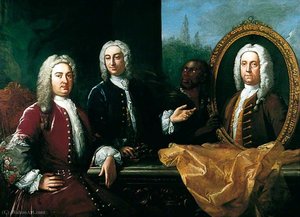
His journey continued to Paris in 1736, where he encountered the celebrated castrato Farinelli, producing two remarkable portraits of the singer and his entourage. Later, he spent time in Madrid, becoming court painter to Ferdinand VI of Spain and director of the Royal Academy of Saint Fernando – a position that afforded him considerable influence within the Spanish art establishment. He also encountered the work of François Lemoyne and Boucher, absorbing elements of their distinctive styles.
Style and Influences
Amigoni’s style is characterized by its sumptuousness, technical brilliance, and a masterful command of color and light. His paintings are often imbued with a sense of theatricality, employing dramatic chiaroscuro to create depth and highlight key figures within the composition. He was particularly adept at rendering textures – from the folds of velvet robes to the shimmer of jewels – contributing significantly to the opulent feel of his works.
While influenced by the Baroque traditions of artists like Giuseppe Nogari, Amigoni developed a distinctly Rococo sensibility, characterized by its elegance, grace, and emphasis on decorative detail. His portraits are not merely representations of likeness; they capture the personalities and social standing of their subjects with remarkable sensitivity. His work demonstrates a keen eye for fashion and an understanding of the prevailing aesthetic trends of his time.
Legacy and Notable Works
Jacopo Amigoni’s legacy extends beyond his prolific output. He mentored several promising young artists, including Charles Joseph Flipart, Michelangelo Morlaiter, and Pietro Antonio Novelli, ensuring the continuation of his artistic lineage. His influence can be seen in the work of later generations of painters.
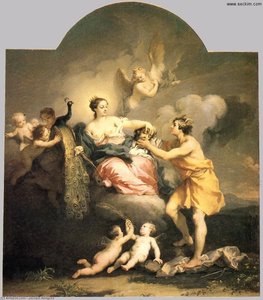
Among his most celebrated works are “Juno Receiving the Head of Argos” (1730), a dramatic depiction of the Roman goddess, and “Abraham and the Three Angels,” a powerful portrayal of divine intervention. His “Allegory of Charity” exemplifies his ability to convey complex allegorical themes with elegance and grace. His portrait of Farinelli remains a particularly noteworthy example of his skill in capturing the personality and charisma of his subjects.
Amigoni’s life culminated in Madrid, where he died in 1752. His daughter, Caterina Amigoni Castellini, continued the family artistic tradition as a pastelist, further cementing the Amigoni name within the art world. His works continue to be admired for their beauty, technical skill, and evocative portrayal of European aristocratic life during the Rococo era.
Jacopo Amigoni
1682 - 1752 , Italy
Quick Facts
- Artistic Movement Or Style: Late Baroque & Rococo
- Artists Or Movements Influenced By This Artist:
- Charles Joseph Flipart
- Michelangelo Morlaiter
- Artists Who Influenced This Artist: ['Giuseppe Nogari']
- Date Of Birth: 1682 Naples, Italy
- Date Of Death: 1752 Madrid, Spain
- Full Name: Jacopo Amigoni”
- Nationality: Italian
- Notable Artworks:
- Juno Receiving Argos
- Abraham & Angels
- Allegory of Charity
- Place Of Birth: Naples, Italy
Related Articles

Jacopo Tintoretto's Masterpieces: 25 Paintings That Define Venetian Drama | ArtsDot
Explore 25 breathtaking masterpieces by Jacopo Tintoretto, the Venetian master of drama and light. Discover the stories behind iconic Renaissance paintings & find museum-quality art reproductions to elevate your home decor on ArtsDot.com.
From Grandeur to Grace: Exploring the Evolution of Baroque & Rococo Art
Explore the captivating evolution from Baroque's drama to Rococo's grace! Discover key artists, characteristics & lasting influence of these art movements with expert insights at ArtsDot.

Rococo's Radiant Legacy: 10 Masterpieces for Your Home |
Indulge in the elegance of Rococo! Explore 10 masterpieces by Fragonard, Boucher & Watteau. Discover the stories behind these iconic paintings and bring timeless art to your home with museum-quality reproductions from .

The Rococo Aesthetic: Opulence, Rebellion & the Pursuit of Pleasure in 18th-Century Art
Explore the opulent world of Rococo art! Discover its origins, key artists like Watteau & Boucher, and lasting influence on design. Expert insights for collectors & enthusiasts.
Decoding Baroque Grandeur: A Guide to the Drama and Emotion of 17th-Century Art
Explore the breathtaking drama of 17th-century Baroque art. Our expert guide decodes the use of chiaroscuro, emotional intensity, and historical grandeur to help you appreciate and curate timeless masterpieces for your collection.