

 Preview
 Send
Send Share
Share
 Details

 Download
 Similars
 X-Ray
X-Ray Diaporama
Paolo Veronese
 Oil On Canvas
- WallArt
- Baroque Venetian
 1600
1600- Renaissance
 45.0 x 38.0 cm
 Galleria degli Uffizi
 Read More
Purchase a high-resolution, enhanced digital image, far superior to the online preview.
Each file is meticulously prepared by our in-house specialists using advanced tools and expert manual retouching. We ensure every image has exceptional clarity, precise color accuracy, and fine detail.
The final file is delivered via email within 72 hours, optimized for immediate use in professional, editorial, and print environments. This is the same quality trusted by top-tier design studios, publishers, and galleries.
Digital Image
Download a high-resolution file for personal display, printing, and creative projects. ( Buy Print Buy Hand Made Painting)
Included in Every Digital Image Order
Expert Digital Delivery, Guaranteed
When you choose ArtsDot.com, you're not just getting an image - you're receiving a professionally enhanced digital artwork, crafted with precision and backed by a satisfaction guarantee. Here's everything that comes with your order, automatically:

Fast Email Delivery
Your high-resolution digital image file will be emailed to you within 72 hours of ordering - ready for immediate use.

AI-Enhanced Digital File
Your artwork is professionally optimized using advanced AI tools and manual editing, ensuring maximum detail, clarity, and color accuracy.

Free Lifetime Re-Delivery
Accidentally deleted or lost your file? No worries - we'll resend it to you anytime, free of charge.

No Import Fees - Ever
Enjoy your artwork instantly with zero customs, duties, or delivery fees - digital downloads are always tax-free.

Color Accuracy Guarantee
We ensure your digital image reflects the original colors as closely as possible using professional tools and color management.

60-Day Satisfaction Guarantee
If you're not satisfied with your digital image, we'll revise it or refund 100% within 60 days - no questions asked.

100% Money-Back Guarantee
Not satisfied? Get a full refund within 60 days of receiving your digital file - no questions asked.

Bulk Order Discounts
Buy 3 images, save 10% - Buy 5, save 15% - Buy 10+, save 20%. Great for creative projects, galleries, and agencies.
Collectible Description
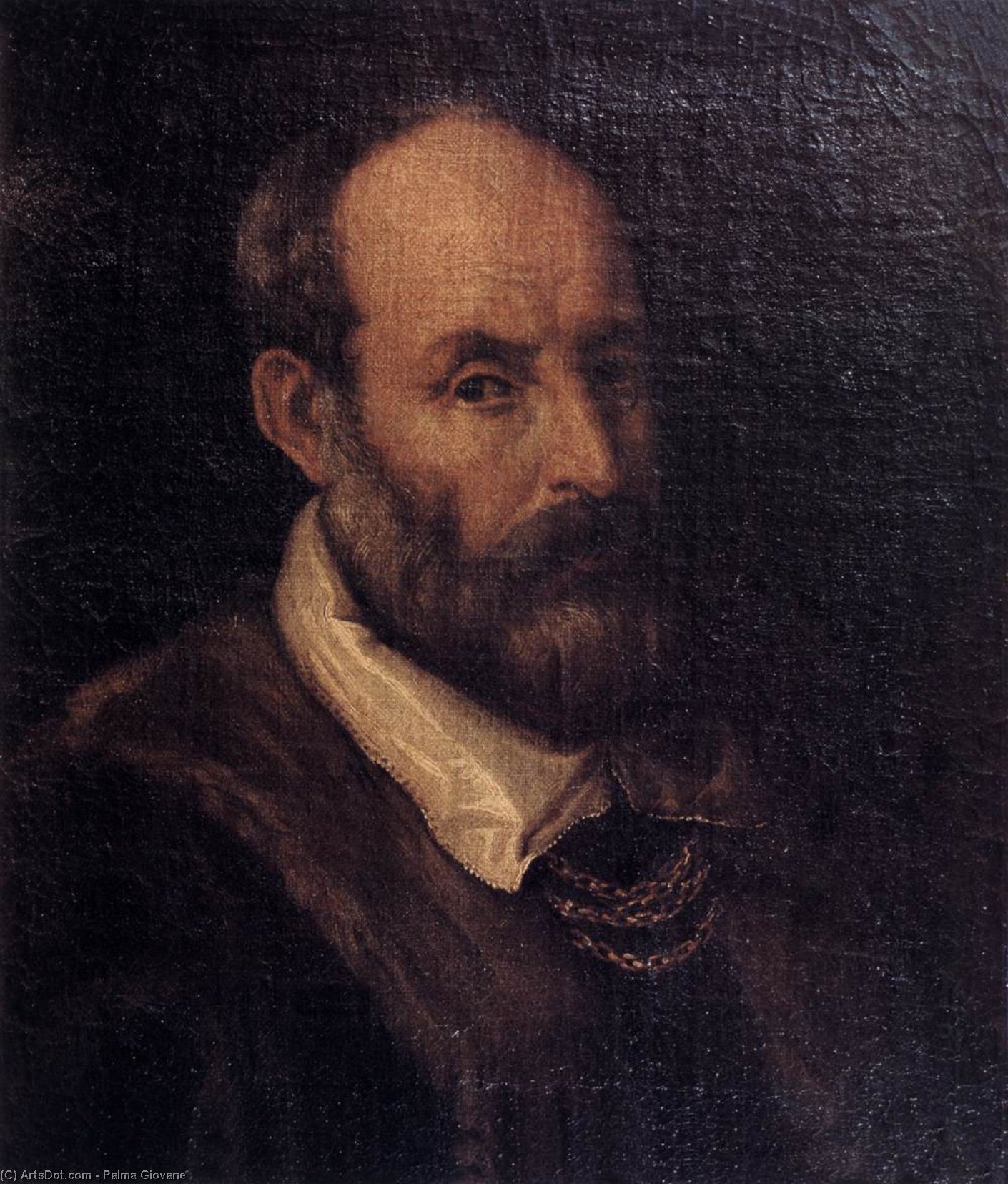
A Venetian Synthesis: Palma il Giovane’s Portrait of Saint Philip
Jacopo Palma il Giovane, a pivotal figure in the Venetian Renaissance, stands as a testament to the artistic dynamism that flourished during his lifetime. Born in Venice in 1548 and tragically deceased in 1628, he inherited a legacy from his father, Jacopo Palma Vecchio—a lineage steeped in tradition yet driven by an unwavering pursuit of innovation. His formative years were spent under the tutelage of Titian, arguably the most influential painter of the era, fostering connections that would profoundly shape his artistic vision and cementing his position within the vibrant Venetian School. Following Tintoretto’s passing in 1594, Palma il Giovane skillfully navigated the evolving artistic landscape, absorbing influences from both masters while forging a distinctive style—a harmonious blend of Titian's luminous color palettes and Tintoretto’s dramatic compositions.Style and Technique: Bridging Tradition and Innovation
Palma il Giovane’s approach to painting was characterized by meticulous observation and masterful execution. Like his predecessor, he embraced the Venetian tradition of layering glazes—a technique perfected by Titian—to achieve unparalleled depth and luminosity. However, unlike Tintoretto's theatrical flair, Palma il Giovane favored a more restrained aesthetic, prioritizing clarity and precision in conveying emotion. This careful balance resulted in portraits imbued with an understated elegance that captivated audiences throughout Europe. The artist’s use of chiaroscuro – the interplay between light and shadow – subtly enhances the subject’s features and creates a sense of realism that transcends mere representation.Historical Context: Venice at the Height of Artistic Glory
The painting's creation coincided with Venice’s zenith as a cultural powerhouse—a period marked by unparalleled wealth, artistic patronage, and intellectual curiosity. The Venetian Republic actively fostered creativity, attracting artists from across Europe and establishing academies dedicated to advancing artistic excellence. Palma il Giovane benefited enormously from this environment, immersing himself in the vibrant artistic discourse of his time and contributing significantly to the legacy of Venetian painting. His work reflects not only stylistic developments but also the broader cultural values of the Renaissance—a celebration of human dignity and a fascination with classical ideals.Symbolism: Reverence for Saint Philip
The portrait depicts Saint Philip, a revered figure in Christian iconography, symbolizing piety and spiritual contemplation. The solemn gaze of the subject directs the viewer’s attention inward, inviting reflection on faith and virtue. The artist's deliberate choice of pose—a posture conveying dignity and composure—underscores the saint’s moral authority. Furthermore, the muted color scheme contributes to the painting’s contemplative mood, reinforcing its symbolic significance.Emotional Impact: Capturing Essence Through Detail
Ultimately, Palma il Giovane succeeded in capturing not just a likeness but also the very essence of his subject—a man embodying noble character and unwavering devotion. The artist's meticulous attention to detail—from the subtle nuances of facial expression to the texture of the clothing—elevates the portrait beyond mere visual representation. It speaks to the enduring power of art to evoke emotion and inspire contemplation, ensuring that Palma il Giovane’s masterpiece continues to resonate with viewers centuries after its creation.Related Artworks

Artist Biography
The Radiant Legacy of Jacopo Palma il Giovane
In the golden twilight of the Venetian Renaissance, a period defined by unparalleled mastery of color and light, there emerged a painter whose brush bridged the gap between the High Renaissance and the burgeoning drama of the Baroque. Jacopo Palma il Giovane, born Iacopo Negretti around 1548, was not merely a successor to the great masters but a vital link in the continuity of the Venetian School. As the great-nephew of the celebrated Palma Vecchio, he was born into a lineage of artistic excellence, inheriting a profound understanding of the chromatic richness that defines the Venetian tradition. His life and work represent a seamless transition, carrying the luminous elegance of his predecessors into a new era of emotional intensity and theatrical grandeur.
The foundations of Palma’s artistry were laid in the workshops of Venice, where the air was thick with the legacies of Titian and Tintoretto. While historical accounts suggest he may have polished his technique through the study of Titian’s breathtaking color palettes, it was the dynamic energy of Tintoretto that truly shaped his mature vision. Following the death of Tintoretto in 1594, Palma il Giovane ascended to a position of preeminence, becoming the dominant artistic force in Venice. He possessed a rare ability to synthesize these two disparate influences: from Titian, he drew a sophisticated command of light and skin tones; from Tintoretto, he adopted a sense of movement, dramatic chiaroscuro, and narrative urgency that resonated deeply with the religious fervor of the Counter-Reformation.
A Master of Narrative and Emotion
Palma il Giovane’s oeuvre is a testament to his ability to transform biblical and mythological themes into visceral human experiences. His paintings are rarely static; they pulse with a life force that draws the viewer into the heart of the drama. Whether depicting the solemnity of a religious martyrdom or the lively chaos of a tavern scene, his work utilizes light as a narrative tool, guiding the eye through complex compositions to find the emotional core of the story. His mastery is particularly evident in works such as Martyrdom of St Catherine of Alexandria, where the interplay of shadow and brilliance heightens the sense of divine struggle, and Apostles at the Virgin's Tomb, which captures a profound moment of collective grief through sweeping, energetic brushwork.
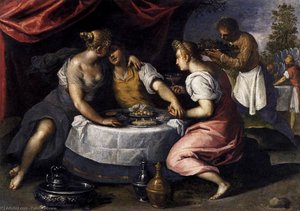
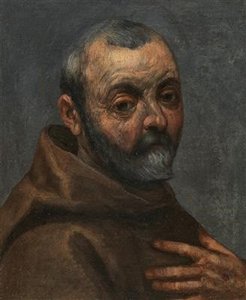
Beyond his religious commissions, Palma’s versatility allowed him to explore a wide spectrum of subject matter. His talent for capturing the human spirit is perhaps most intimately seen in his Self-Portrait, a work that reveals a soulful introspection and a technical prowess capable of rendering the subtle nuances of expression. Even in more secular or anecdotal scenes, such as the Amusements of the Prodigal Son, he maintains a vibrant, rhythmic quality that celebrates the textures and colors of Venetian life. This ability to oscillate between the profound and the playful ensured his relevance across various patronage circles, from the ecclesiastical authorities of Venice to the imperial courts of Central Europe.
Historical Significance and Enduring Influence
The historical importance of Jacopo Palma il Giovane extends far beyond the borders of the Venetian Republic. His influence radiated outward, reaching as far as Bergamo and the court of Emperor Rudolf II in Prague, marking him as an artist of international stature. He did not merely replicate the past; he evolved it, preparing the ground for the more emotive and dramatic styles that would define the 17th century. By mentoring subsequent generations, including figures who would further refine the Venetian aesthetic, he ensured that the traditions of his lineage remained vibrant and transformative.
Today, we recognize Palma il Giovane as a pivotal figure whose work serves as a bridge between eras. His legacy is found in:
- The Synthesis of Styles: The seamless integration of Titian’s coloristic brilliance with Tintoretto’s dramatic dynamism.
- Counter-Reformation Artistry: The use of powerful imagery to communicate the spiritual intensity required by the Catholic Church during a period of profound religious change.
- The Continuation of the Venetian School: Maintaining Venice's status as a global epicenter of art through his widespread commissions and pedagogical influence.
Through his expressive brush and masterful use of light, Palma il Giovane captured the very essence of a changing world, leaving behind a body of work that continues to enchant and move the modern observer.
jacopo palma il giovane
1548 - 1628 , Italy
Quick Facts
- Artistic Movement Or Style: Venetian School
- Artists Or Movements Influenced By This Artist: ['Giovanni Antonio Canal']
- Artists Who Influenced This Artist:
- Titian
- Tintoretto
- Date Of Birth: Venice, Italy (1548)
- Date Of Death: 1628
- Full Name: Jacopo Palma il Giovane
- Nationality: Italian
- Notable Artworks:
- Lot and his Daughters
- Saint Justina of Padua Enthroned
- Place Of Birth: Venice

