 Preview
 Send
Send Share
Share
 Details

 Download
 Similars
 X-Ray
X-Ray Diaporama
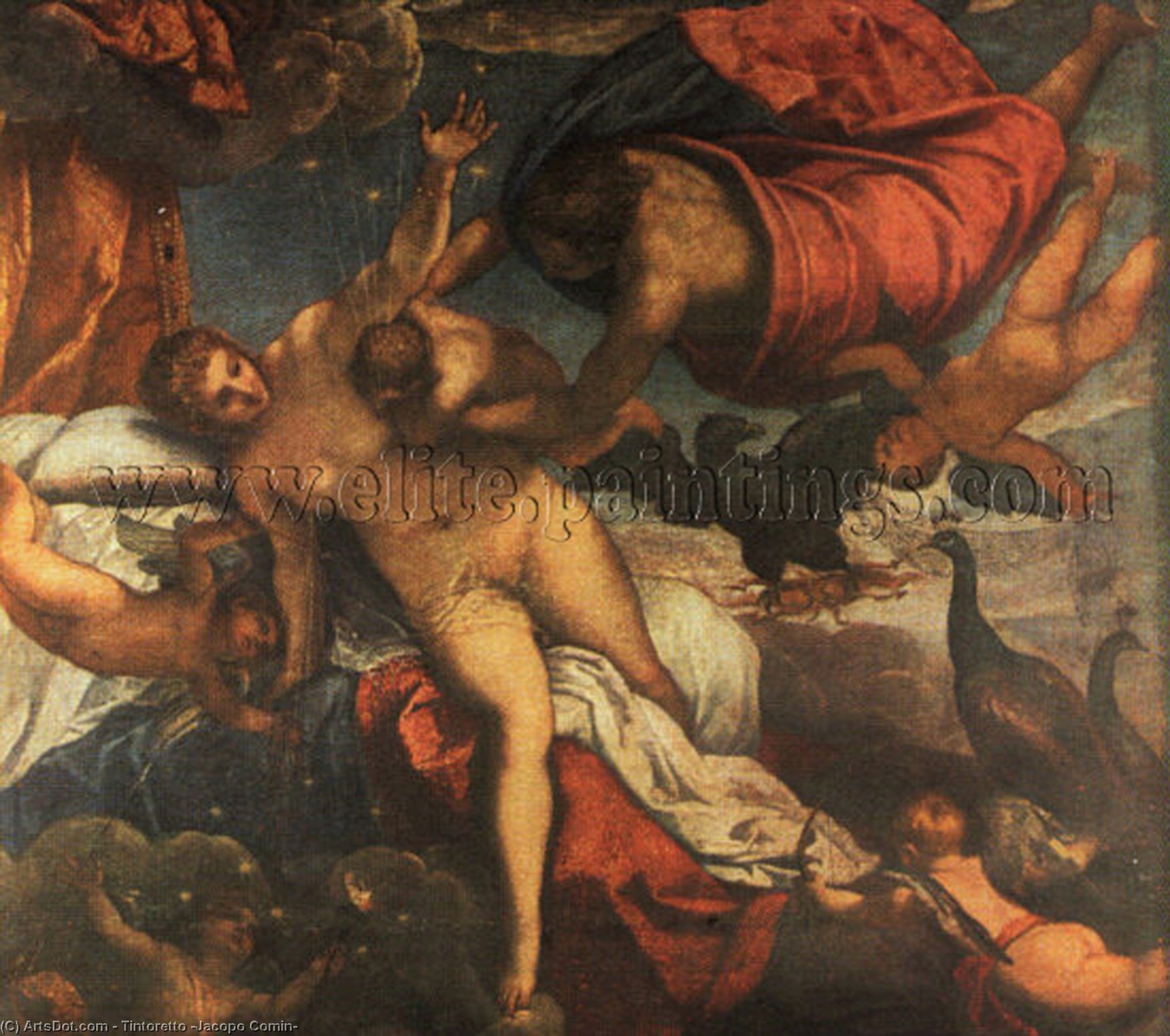
The origin of the milky way,


 Read More
Hand Made Oil Reproduction
Hand-painted oil on canvas in your size and frame, made to order by our artists. ( Buy Print Buy Image)




P118B $10

P118H $10

P118W $10

P438Z $10

P508JH $12

P508YH $12

P805H $10

P805Z $10

P919BZ $10

P919G $10

P919XJ $10

P959ZH $10

P968JZ $12

W106C $8

W218G $10

W218JH $8

W218Y $10

W307PJ $10

W316G $10

W316PJ $8

W316Y $10

W398PJ $8

W4111J $10

W500HY $15

W500JH $15

W692G $12

W849H $8

W940BG $15

W953PJ $8




Pick from our preset sizes that match the artwork's original proportions.

You may enter your own dimensions to fit a specific frame or space. If your selected size does not match the original image's proportions, we will either crop the artwork or extend the painting with additional hand-painted elements. A digital mockup will be sent for your approval before production begins.
Please note that the on-screen preview does not reflect the actual cropping or extension. Only the mockup will accurately show the final composition.
While custom sizes are available, we recommend selecting a dimension from the predefined list to preserve the original proportions.
After order, ArtsDot.com team will email client for instructions and provide a mockup preview
Worldwide Delivery () in 3/4 weeks instead of standard 5 weeks. (16 August). No compromise on quality.

Free Worldwide Express Shipping

High-Quality Linen Canvas

Full Shipping Insurance

Customs Tax Refund Guarantee

True Color Matching Guarantee

60-Day Return Policy (Defects Only)

100% Money-Back Guarantee

Bulk Discount Offer
 Glass option is only available in size under 110 CM

The origin of the milky way,
Reproduction Medium
Reproduction Size
-


Total Price
$ 263
Artwork Description
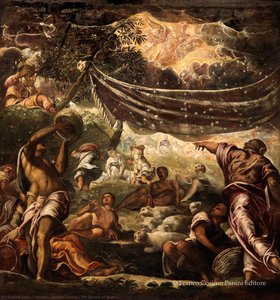
A Celestial Birth: Exploring Tintoretto’s “The Origin of the Milky Way”
The Venetian painter Jacopo Tintoretto (1518-1594) stands apart from his contemporaries, not merely for his prolific output but for a stylistic vision that defied convention and cemented his place as one of the titans of the Baroque. His masterpiece, "The Origin of the Milky Way," transcends mere depiction; it’s an immersive theatrical experience rendered in oil on canvas—a testament to Tintoretto's unparalleled mastery of light and composition. Painted around 1570, this monumental artwork continues to captivate viewers with its dramatic narrative and profound symbolic resonance.Subject Matter and Narrative Depth
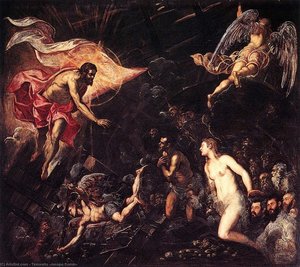
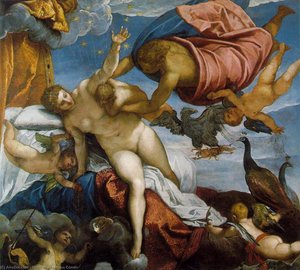
At first glance, the painting presents a seemingly simple scene: a woman lying on her side, cradling a newborn infant. However, Tintoretto elevates this familiar motif into something extraordinary. Surrounding the central figures are several additional individuals—a man standing prominently in the upper left corner and another positioned to the right—creating an atmosphere of solemn contemplation. Beneath them lies a stylized animal, possibly a bird or lion, adding to the visual richness and hinting at themes of fertility and divine providence. The narrative itself is deliberately ambiguous, prompting viewers to ponder questions about creation, motherhood, and humanity’s relationship with the cosmos. Tintoretto wasn't simply illustrating a biblical story; he was crafting an allegory designed to convey complex spiritual ideas.Technique: Dramatic Light and Dynamic Composition
Tintoretto’s technique distinguishes him from many of his peers who favored smoother surfaces and muted palettes. Instead, he employed rapid brushstrokes—a hallmark of Venetian Mannerism—to achieve a breathtaking illusion of movement and depth. He utilized chiaroscuro – the dramatic interplay between light and shadow – with astonishing precision, sculpting figures out of darkness and highlighting key areas to draw the eye upwards towards the luminous Milky Way dominating the upper portion of the canvas. This masterful manipulation of light isn’t merely decorative; it serves as a crucial element in conveying the painting's emotional intensity and reinforcing its theological significance. The artist skillfully layered paint upon paint, creating textures that seem to vibrate with energy—a technique that anticipates the monumental scale and expressive power of later Baroque art.Historical Context: Venetian Renaissance Spirit
“The Origin of the Milky Way” emerged during a period of significant artistic ferment in Venice – the High Renaissance’s waning influence was giving way to the burgeoning Baroque aesthetic. Tintoretto's work embodies the spirit of this era, characterized by an obsession with grandeur and emotion. He drew inspiration from classical sculpture and humanist ideals but pushed beyond these boundaries, embracing theatricality and dynamism. The painting reflects a broader cultural preoccupation with biblical narratives and cosmological speculation—a desire to represent God’s creative power in visually arresting ways. It stands alongside other Venetian masterpieces of the time, demonstrating Tintoretto's commitment to exploring profound themes through innovative artistic expression.Symbolism: Celestial Order and Maternal Sacrifice
The Milky Way itself serves as a powerful symbol – representing not only the physical universe but also divine illumination and spiritual enlightenment. Its radiant glow underscores the sanctity of motherhood and the transformative power of childbirth, mirroring the biblical story of Genesis. The positioning of the figures—particularly the woman—suggests an upward gaze toward God, emphasizing humility and devotion. Even the animal motif contributes to the painting’s symbolic complexity, representing fertility, protection, and perhaps even divine judgment. Tintoretto's deliberate use of symbolism elevates “The Origin of the Origin of the Milky Way” beyond a mere visual depiction into a profound meditation on faith and creation.Related Artworks
Artist Biography
A Venetian Master of Drama and Light
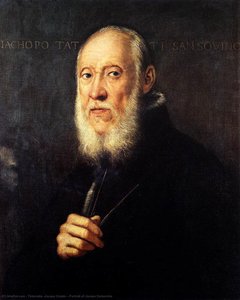
Jacopo Tintoretto, born Jacopo Robusti in Venice around 1518, remains one of the most compelling and enigmatic figures of the High Renaissance and early Baroque periods. His very nickname, “Tintoretto” – little dyer – speaks to his family’s trade, yet it belies the immense artistry that would distinguish him from all others. Unlike many artists who benefited from structured apprenticeships, Tintoretto's path was largely self-directed, fueled by an insatiable curiosity and a relentless drive for innovation. While accounts suggest a brief and unsuccessful stint under Titian, the acknowledged master of Venetian colorism, it seems the experience proved more contentious than formative. Titian’s alleged dismissal of the young Jacopo – whether due to jealousy or artistic disagreement – spurred Tintoretto toward an independent course, one characterized by audacious experimentation and a uniquely dynamic style. He immersed himself in anatomical study, reportedly through dissection, and honed his skills by meticulously copying classical sculpture and the works of other masters. This dedication laid the foundation for a career that would redefine Venetian painting.Forging a Distinctive Style: *Il Furioso*
Tintoretto’s artistic development was marked by an almost feverish energy, earning him another evocative nickname: *Il Furioso* – “the Furious One.” This moniker wasn't merely descriptive of his working pace but also captured the intensity and emotional charge that permeated his canvases. His early works already hinted at a departure from traditional Venetian conventions. While acknowledging Titian’s influence in color, Tintoretto gravitated towards Michelangelo’s powerful figures and dramatic compositions. He synthesized these influences into something entirely new: a style characterized by elongated forms, swirling draperies, and an innovative use of perspective that often created a sense of dizzying depth and movement. He abandoned the meticulous finish favored by his contemporaries, opting instead for a rapid, almost sketch-like brushstroke that conveyed immediacy and raw emotion. This technique, combined with his masterful manipulation of light and shadow – *chiaroscuro* – allowed him to create scenes of unparalleled drama and psychological intensity. He wasn’t simply depicting events; he was conveying their emotional core.Monumental Achievements: San Rocco and Beyond
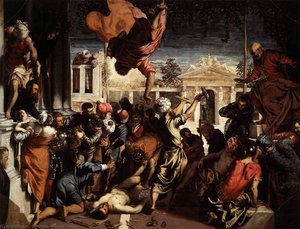
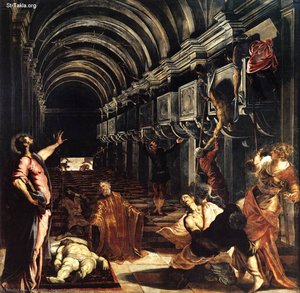
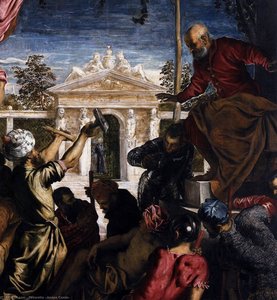
Tintoretto's prodigious output spanned decades, encompassing religious narratives, historical allegories, and portraits. However, his most significant achievement lies in the cycle of paintings he created for the Scuola Grande di San Rocco, a Venetian confraternity dedicated to Saint Roch. Over a period of more than fifty years, Tintoretto adorned the Scuola’s halls with over sixty canvases, transforming it into a breathtaking visual testament to faith and human experience. Works like “The Last Supper,” completed late in his life, demonstrate his continued experimentation with perspective and composition. Departing from traditional depictions, Tintoretto placed the scene in a dramatically lit, architecturally unstable space, emphasizing the emotional turmoil of Christ’s final meal with his disciples. Other notable works include "The Miracle of St Mark Freeing the Slave," a powerful display of dynamic composition and foreshortening, and numerous paintings for Venetian churches and palaces that showcase his mastery of scale and narrative storytelling. These monumental projects cemented Tintoretto's reputation as one of Venice’s most important artists.Legacy and Historical Significance
Jacopo Tintoretto died in Venice in 1594, leaving behind a vast and influential body of work. He bridged the gap between the High Renaissance and the Baroque period, anticipating many of the stylistic innovations that would define the latter. His dramatic compositions, expressive brushwork, and innovative use of light and shadow profoundly influenced artists such as Caravaggio, Rembrandt, and Delacroix. He wasn’t merely a painter; he was a visual storyteller who understood how to harness the power of art to evoke emotion and inspire awe. As one of the three great Venetian painters of the 16th century – alongside Titian and Paolo Veronese – Tintoretto played a crucial role in shaping the artistic landscape of Venice during its golden age. His work reflects not only the religious fervor and political tensions of his time but also a uniquely personal vision that continues to resonate with audiences today, solidifying his place as one of history’s most important and captivating artists. His legacy is a testament to the enduring power of artistic innovation and the transformative potential of human creativity.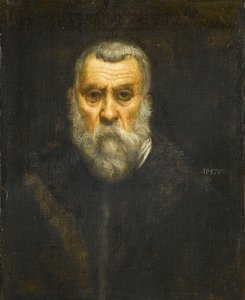
Jacopo Tintoretto
1518 - 1594 , Italy
Quick Facts
- Artistic Movement Or Style: Renaissance, Mannerism
- Artists Or Movements Influenced By This Artist:
- Caravaggio
- Baroque masters
- Artists Who Influenced This Artist:
- Titian
- Michelangelo
- Date Of Birth: 1518
- Date Of Death: 1594
- Full Name: Jacopo Tintoretto
- Nationality: Italian
- Notable Artworks:
- Miracle of St Mark
- Last Supper
- Assumption of Virgin
- Place Of Birth: Venice, Italy
Related Articles

Jacopo Tintoretto's Masterpieces: 25 Paintings That Define Venetian Drama | ArtsDot
Explore 25 breathtaking masterpieces by Jacopo Tintoretto, the Venetian master of drama and light. Discover the stories behind iconic Renaissance paintings & find museum-quality art reproductions to elevate your home decor on ArtsDot.com.

The Dramatic Flourish: Exploring the Baroque Movement's Enduring Legacy in Art History
Explore the dramatic world of Baroque art! Discover iconic artists like Caravaggio & Rubens, defining techniques, and its lasting impact on art history. Expert insights for collectors & enthusiasts at ArtsDot.

Baroque Drama: Bringing Opulence & Emotion into Contemporary Interiors
Explore the opulent world of Baroque interior design! Discover key elements, modern applications & how to bring dramatic elegance into your home with 's authentic reproductions.

Baroque Masterpieces: 10 Paintings That Defined an Era |
Journey through the drama & grandeur of Baroque art! Explore 10 masterpieces by Caravaggio, Rembrandt, Rubens & more. Discover stunning oil paintings, rich colors & timeless stories. Find museum-quality reproductions at .

Decoding Baroque Grandeur: A Guide to the Drama and Emotion of 17th-Century Art
Explore the breathtaking drama of 17th-century Baroque art. Our expert guide decodes the use of chiaroscuro, emotional intensity, and historical grandeur to help you appreciate and curate timeless masterpieces for your collection.