 Send
Send Share
Share
 Details

 Download
 Similars
 Diaporama
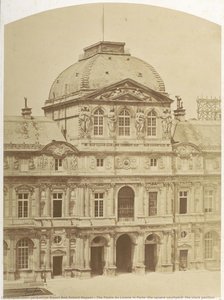
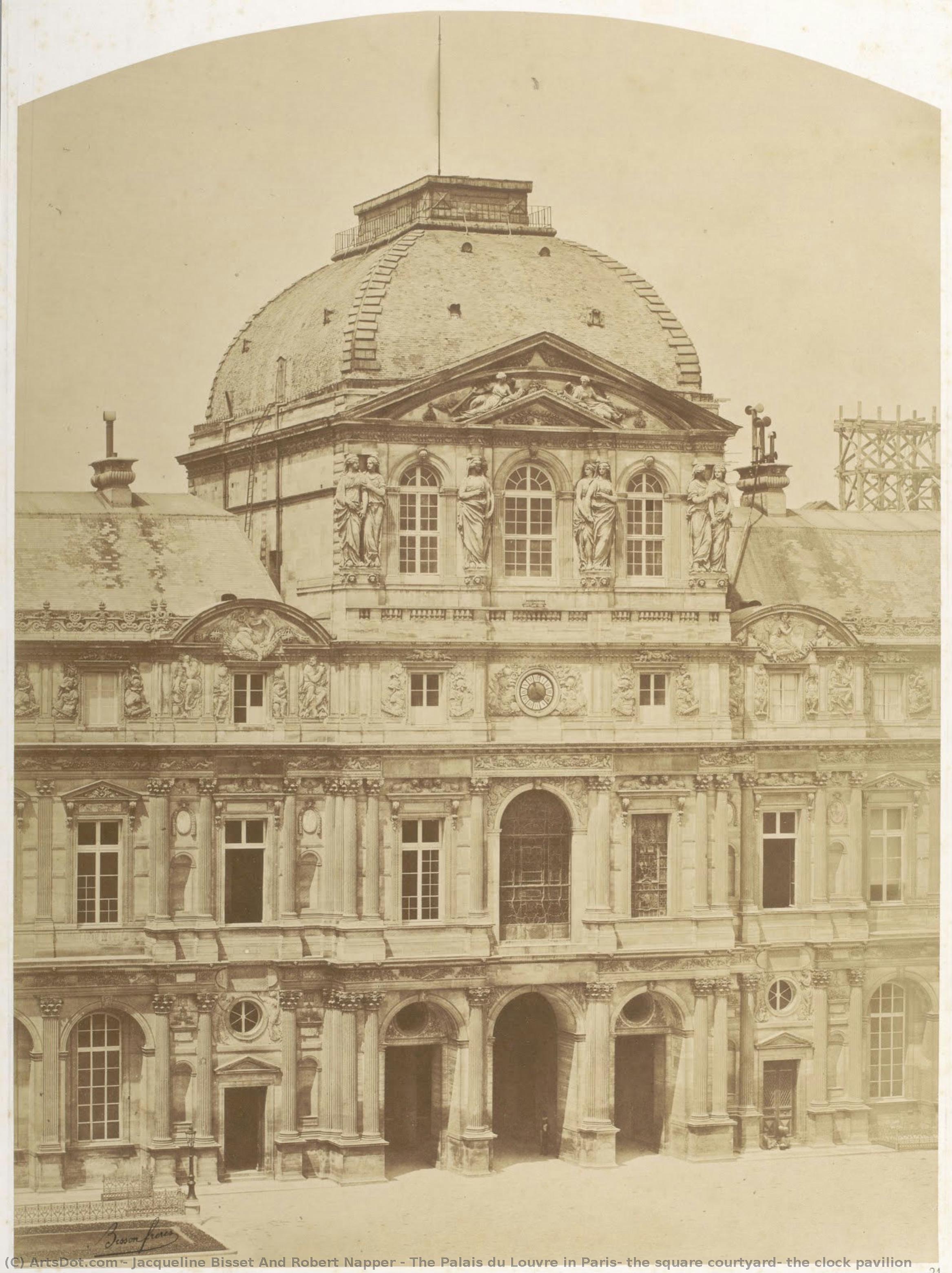
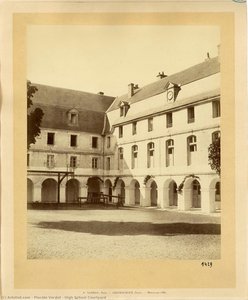
The Palais du Louvre in Paris, the square courtyard, the clock pavilion
 Black and White Photography
- Photo
- Contemporary Realism
 1855
1855- 19th Century
 5.0 x 30.0 cm
 Château de Chantilly
 Read More
Giclée / Art Print
Museum-quality giclée or canvas print with fast production and flexible finish options. ( Buy Hand Made Painting Buy Image)




































Pick from our preset sizes that match the artwork's original proportions.

You may enter your own dimensions to fit a specific frame or space. If your selected size does not match the original image's proportions, we will either crop the artwork or extend the image with a mirrored or solid-fill edge. A digital mockup will be sent for your approval before production begins.
Please note that the on-screen preview does not reflect the actual cropping or extension. Only the mockup will accurately show the final composition.
While custom sizes are available, we recommend selecting a dimension from the predefined list to preserve the original proportions.
Worldwide Delivery () in 2 weeks instead of standard 4/5 weeks. (24 August)

Free Worldwide Express Shipping

High-Quality Linen Canvas

Full Shipping Insurance

Customs Tax Refund Guarantee

True Color Matching Guarantee

60-Day Return Policy (Defects Only)

100% Money-Back Guarantee

Bulk Discount Offer
 Glass option is only available in size under 110 CM

The Palais du Louvre in Paris, the square courtyard, the clock pavilion
Giclée / Art Print
Reproduction Size
-


Total Price
$ 63
Collectible Description
A Window into the Nineteenth Century: The Louvre in Monochrome
To gaze upon this vintage photograph of the Palais du Louvre is to step through a temporal portal, leaving the frantic pace of the modern era for the dignified stillness of 1855. This exquisite black and white composition captures the square courtyard and the iconic clock pavilion, presenting a vision of Paris that feels both monumental and intimately preserved. The image serves as more than a mere architectural record; it is a poetic meditation on symmetry and permanence. Through the lens of early photographic mastery, the grandeur of the Louvre’s facade is rendered with a profound sense of gravity, where every straight line and geometric window frame contributes to an atmosphere of classical order and historical weight.
The technical execution of this piece evokes the soul of 19th-century photography, reminiscent of the delicate calotype or the sharp, silvered precision of the daguerreotype. The graininess inherent in the photographic process adds a tactile, organic texture to the stone and plaster, simulating a weathered elegance that modern digital clarity often lacks. The lighting is masterfully diffused, casting soft, subtle shadows that dance across the arched doorways and domed structures, providing a sense of three-dimensional depth. This interplay of light and shadow does not merely illuminate the architecture; it breathes life into the very masonry, highlighting the intricate details of the facade with a ghostly, ethereal grace.
For the discerning collector or interior designer, this artwork offers a sophisticated anchor for any curated space. Its monochromatic palette provides a timeless versatility, making it an ideal centerpiece for a gallery wall or a standalone statement piece in a minimalist study. The slightly curved border acts as a nostalgic frame, enhancing its vintage aesthetic and inviting the viewer to contemplate the passage of time. There is a quiet, contemplative emotional impact found within these frames—a sense of reverence for the architectural heritage of France and a longing for the era of slow, deliberate observation. It is an evocative piece that brings the storied history of Paris into the contemporary home, offering a touch of old-world prestige and intellectual depth.
Related Artworks


Artist Biography
A Dichotomy of Talent and Darkness: Exploring the Artistry of Jacqueline Bisset and Robert Napper
The pairing of Jacqueline Bisset and Robert Napper might seem jarring at first glance—a celebrated British actress representing the pinnacle of cinematic artistry juxtaposed against a chilling figure in criminal history. Yet, delving deeper into their lives reveals an unexpected connection rooted in fascination with the human psyche and a shared exploration of vulnerability within artistic expression. While Bisset captivated audiences with her performances on screen, Napper’s disturbing actions forced him to confront his own internal demons, ultimately shaping his narrative in ways that resonate beyond conventional biographical accounts. Jacqueline Bisset, born in Weybridge, Surrey, in 1935, emerged from a background of classical training and refined talent. Her early life was marked by an aptitude for the dramatic arts, honed through rigorous study at the Royal Academy of Dramatic Art (RADA). As she transitioned from the stage to the silver screen in the mid-1960s, Bisset became a symbol of grace and emotional depth. Her filmography is a tapestry of complex characters, ranging from the high-stakes tension of Bullitt to the poignant, soul-searching narratives of Harold and Maude and Sophie’s Choice. Through her lens, we see the portrayal of women grappling with profound inner turmoil, making her a master of capturing the nuance of human suffering and resilience.The Shadowed Path: The Descent of Robert Napper
In stark contrast to the luminous career of Bisset, the trajectory of Robert Napper serves as a harrowing study of psychological disintegration. Born in London in 1966, Napper’s early years were marked by profound instability and trauma. Initially pursuing academic interests in psychology at Cambridge University, his life took a devastating turn toward violence and obsession. Known by chilling monikers such as The Green Chain Rapist and The Plumstead Ripper, Napper’s actions were characterized by an extreme, targeted hatred of women. His crimes, which included the brutal murders of Samantha Bisset and her daughter Jazmin, represent a dark rupture in the social fabric. Unlike the controlled, expressive emotions found in Bisset's cinematic work, Napper’s existence was defined by uncontrolled impulses and profound psychological fragmentation. Diagnosed with both paranoid schizophrenia and Asperger syndrome, his life became a terrifying manifestation of the darker recesses of the human mind—a stark departure from the structured beauty of the performing arts.Legacy and the Intersection of Light and Shadow
When examining these two figures together, one cannot help but reflect on the duality of the human experience. One represents the heights of cultural achievement and the ability to inspire through empathy, while the other represents the depths of human cruelty and the breakdown of the psyche. Their names are linked not by a shared creative vision, but by a shared proximity to the most intense emotional states known to man:- The Power of Performance: Bisset’s ability to evoke sympathy and navigate the complexities of the female experience through art.
- The Weight of Trauma: The way early childhood instability can manifest in catastrophic psychological outcomes.
- The Complexity of Identity: The contrast between a public persona built on grace and a hidden reality built on violence.
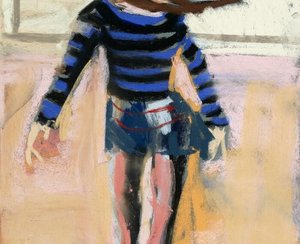
jacqueline bisset and robert napper
United Kingdom
Quick Facts
- Artistic Movement Or Style: Photography
- Date Of Birth: Weybridge, UK ()
- Date Of Death: Living
- Full Name: Jacqueline Bisset & Robert Napper
- Nationality: British
- Notable Artworks: ['The Palais du Louvre...']
- Place Of Birth: United Kingdom
Related Articles

Monochrome Visions: Exploring the Aesthetic & Historical Significance of Black & White Photography
Explore the rich history & artistic power of black and white photography. From early techniques to iconic masters like Ansel Adams, discover why monochrome continues to captivate art lovers today. Expert insights for collectors.

Beyond the Lens: Photography's Enduring Influence on Modern & Contemporary Art
Explore photography's pivotal role in shaping modern & contemporary art. Discover key movements, influential artists like Stieglitz, and expert collecting advice from ArtsDot.

Pictorialism: A Search for Artistic Photography's Soul – Aesthetics, Techniques & Legacy
Explore the captivating world of Pictorialism – a pivotal movement that transformed photography into fine art. Discover key artists like Stieglitz & Käsebier, techniques, and collecting tips from experts.
Documentary Photography's Defining Moments: 10 Masterpieces for Your Home |
Explore 10 defining documentary photography masterpieces – from Dorothea Lange to Robert Capa. Discover powerful stories, iconic images & timeless art for your home. Museum-quality prints at .

Dark Masterpieces: 10 Iconic Paintings Dominated by Black Tones |
Explore 10 iconic paintings dominated by black tones, from Rembrandt’s chiaroscuro to Goya's dark expressions. Discover the stories behind these masterpieces & find museum-quality art reproductions for your home at .