 Preview
 Send
Send Share
Share
 Details

 Download
 Similars
 X-Ray
X-Ray Diaporama
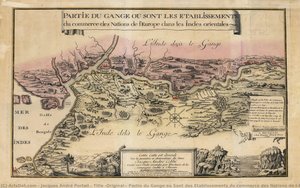
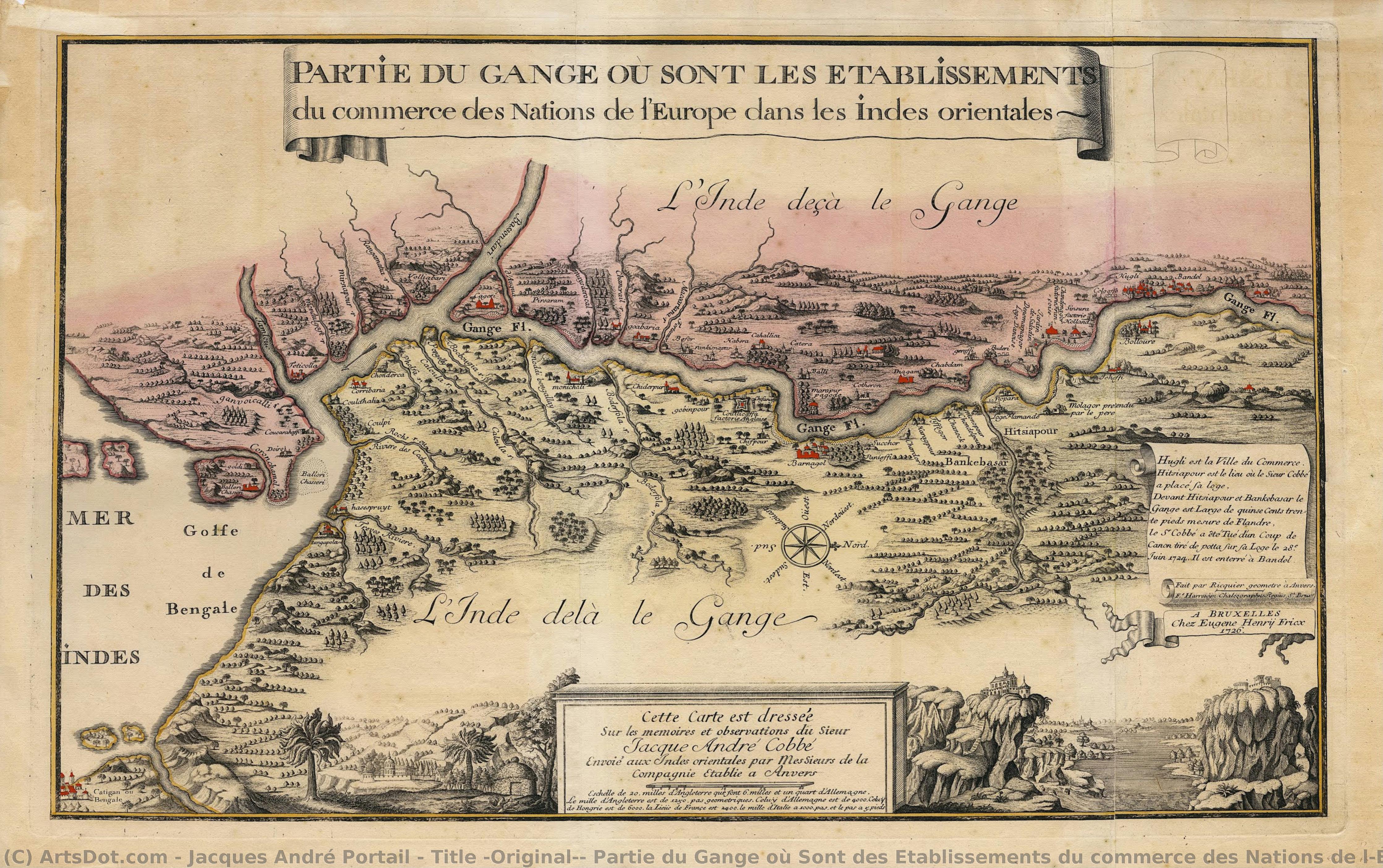
Title (Original): Partie du Gange où Sont des Etablissements du commerce des Nations de l’Europe dns les Indes orientales.
 Painting
 Early Modern
 53.0 x 75.0 cm
 Kalakriti Archives
 Read More
Hand Made Oil Reproduction
Hand-painted oil on canvas in your size and frame, made to order by our artists. ( Buy Print Buy Image)




P118B $10

P118H $10

P118W $10

P438Z $10

P508JH $12

P508YH $12

P805H $10

P805Z $10

P919BZ $10

P919G $10

P919XJ $10

P959ZH $10

P968JZ $12

W106C $8

W218G $10

W218JH $8

W218Y $10

W307PJ $10

W316G $10

W316PJ $8

W316Y $10

W398PJ $8

W4111J $10

W500HY $15

W500JH $15

W692G $12

W849H $8

W940BG $15

W953PJ $8




Pick from our preset sizes that match the artwork's original proportions.

You may enter your own dimensions to fit a specific frame or space. If your selected size does not match the original image's proportions, we will either crop the artwork or extend the painting with additional hand-painted elements. A digital mockup will be sent for your approval before production begins.
Please note that the on-screen preview does not reflect the actual cropping or extension. Only the mockup will accurately show the final composition.
While custom sizes are available, we recommend selecting a dimension from the predefined list to preserve the original proportions.
After order, ArtsDot.com team will email client for instructions and provide a mockup preview
Worldwide Delivery () in 3/4 weeks instead of standard 5 weeks. (24 August). No compromise on quality.

Free Worldwide Express Shipping

High-Quality Linen Canvas

Full Shipping Insurance

Customs Tax Refund Guarantee

True Color Matching Guarantee

60-Day Return Policy (Defects Only)

100% Money-Back Guarantee

Bulk Discount Offer
 Glass option is only available in size under 110 CM

Title (Original): Partie du Gange où Sont des Etablissements du commerce des Nations de l’Europe dns les Indes orientales.
Reproduction Medium
Reproduction Size
-


Total Price
$ 263
Artwork Description
A Cartographic Window into the Age of Discovery
In this exquisite painting of an early 18th-century map, we are transported to a pivotal moment in global history, where the winding veins of the Hooghly River served as the lifeblood of international commerce. The work captures a detailed topographical view of the Ganges, specifically focusing on the strategic European factories that dotted the banks of Bengal. Through delicate brushwork, the artist recreates the essence of an era defined by maritime ambition and the collision of cultures. As the eye wanders across the river's course, one encounters the bustling settlements of the French, Dutch, Danish, and English, each represented with a meticulousness that speaks to the profound importance of these trading outposts. The composition is not merely a geographical record but a vibrant narrative of human endeavor, where the movement of small boats along the water suggests a world in constant, rhythmic motion.
The technique employed in this reproduction breathes life into the historical parchment, utilizing a palette that evokes the aged, prestigious feel of an antique manuscript. The artist masterfully balances the structural precision required for cartography with the soft, atmospheric qualities of landscape painting. Subtle gradients in the water and the distant, hazy silhouettes of mountains create a sense of immense scale and depth, pulling the viewer into the vastness of the Indian subcontinent. This interplay between the sharp, informative labels of the various "factories" and the fluid, organic shapes of the riverbanks creates a captivating visual tension, making the piece feel both like a scholarly document and a romanticized vision of a lost frontier.
Beyond its geographical utility, the artwork serves as a profound symbol of the complex, often turbulent, era of the Ostend Company and the broader European foray into the East Indies. There is an underlying emotional weight to the scene; it captures a fleeting moment of colonial equilibrium before the political shifts of the mid-18th century altered the landscape forever. For the discerning collector or interior designer, this piece offers more than just decoration; it provides a sophisticated focal point that invites contemplation on themes of exploration, trade, and the enduring legacy of global interconnectedness. Whether placed in a stately library, a professional study, or a contemporary living space, this painting acts as a conversation starter, lending an air of intellectual depth and historical grandeur to any environment.
Related Artworks
Artist Biography
Jacques-André Portail: A Parisian Master of Elegance and Detail
Born in the heart of Paris in 1703, Jacques-André Portail emerged as a significant figure within the vibrant artistic landscape of 18th-century France. More than simply a painter and draftsman, he was a respected academician, a dedicated teacher, and a meticulous observer of the world around him – a combination that profoundly shaped his distinctive style and enduring legacy. His life coincided with a period of remarkable artistic flourishing, marked by the influence of Chardin’s quiet realism and Watteau’s playful elegance, and Portail skillfully absorbed these currents while forging his own unique voice.
Portail's early training instilled in him a rigorous approach to technique and composition. He joined the prestigious Royal Academy of Painting and Sculpture in Paris, a crucial step that afforded him access to resources, mentorship, and opportunities for exposure. However, it was his role as a teacher at the academy that arguably cemented his influence. He guided the talents of future luminaries such as Jean-Honoré Fragonard, imparting not only technical skills but also a refined sensibility for capturing fleeting moments and subtle nuances of human expression. This dedication to nurturing young artists speaks volumes about Portail’s commitment to the advancement of French art.
A Synthesis of Influences: Style and Technique
Portail's artistic style is often described as a harmonious blend of restraint and detail, reflecting the prevailing trends of his era while maintaining a distinctly personal aesthetic. He was particularly adept at working in chalk and engraving, mediums that allowed him to achieve remarkable precision and tonal subtlety. His portraits are characterized by an understated elegance – figures rendered with careful attention to posture, expression, and attire, conveying a sense of quiet dignity and refined taste. He avoided the overtly dramatic gestures favored by some of his contemporaries, instead opting for a more subtle approach, focusing on capturing the essence of his subjects rather than merely depicting their outward appearance.
The influence of Jean-Baptiste-Siméon Chardin is readily apparent in Portail’s landscapes and genre scenes. Like Chardin, he possessed an extraordinary ability to imbue everyday objects and moments with a sense of profound beauty and quiet contemplation. Conversely, the influence of Antoine Watteau, particularly his *fêtes galantes*, can be detected in Portail's more lighthearted works – scenes of aristocratic leisure and romantic encounters, rendered with a delicate grace and a penchant for pastel hues. However, Portail’s work transcends mere imitation; he synthesized these influences into a cohesive style that is both refined and deeply personal.
Notable Works and Collections
Portail's artistic output encompassed a diverse range of subjects, from meticulously rendered landscapes to intimate portraits and even detailed topographical maps. One particularly noteworthy example is *Partie du Gange où sont des établissements du commerce des Nations de l’Europe dans les Indes orientales*, a rare early 18th-century map showcasing European trading posts along the Hooghly River in Bengal. This piece, now housed at the Kalakriti Archives in Hyderabad, India, demonstrates Portail's skill in capturing the complexities of colonial trade and the intricate details of geographical representation.
His portraits and landscapes, frequently exhibited and sought after by discerning collectors, are testaments to his artistic prowess. The Musée Maurice Denis in France holds several examples of his work, including a captivating study of a reclining male nude, showcasing his mastery of line and form. The Art Institute of Chicago also features a significant collection of Portail’s drawings, offering valuable insights into his creative process. Furthermore, Jacques André Portail's works are found at the Getty Museum and National Gallery of Art.
Legacy and Impact
Beyond his individual achievements, Jacques-André Portail played a crucial role in shaping the careers of numerous aspiring artists. His influence can be seen in the work of those he mentored, particularly Fragonard, who adopted many of Portail’s techniques and sensibilities. Portail's legacy extends far beyond his own paintings; he served as a vital link between generations of French artists, ensuring that his artistic principles and aesthetic values would continue to resonate throughout the 18th century and beyond.
As a teacher and observer, Portail’s work offers a valuable window into the cultural and artistic currents of his time. His meticulous attention to detail, combined with his profound understanding of human nature, has secured his place as a foundational figure in French art history – an artist whose elegance and refinement continue to captivate audiences today.
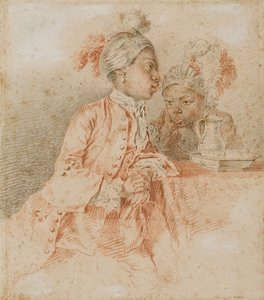
jacques andré portail
1703 - 1777 , France
Quick Facts
- Artistic Movement Or Style: 18th Century French Art
- Artists Or Movements Influenced By This Artist: ['Jean-Honoré Fragonard']
- Artists Who Influenced This Artist:
- Jean-Baptiste-Siméon Chardin
- Antoine Watteau
- Date Of Birth: 1695
- Date Of Death: 1759
- Full Name: Jacques-André Portail
- Nationality: French
- Notable Artworks:
- Partie du Gange...
- A Gentleman Standing
- Place Of Birth: Paris, France
Related Articles
Flowing Narratives: Rivers in Painting – A Historical Exploration
Explore the rich history of rivers in painting! Discover masterpieces from ancient times to Impressionism & beyond. Learn about symbolism, artists like Monet & Daubigny, and find your perfect serene artwork at ArtsDot.
Hudson River School: 10 Masterpieces That Capture America's Wild Beauty | ArtsDot
Journey through America's breathtaking landscapes with our guide to the Top 10 Hudson River School masterpieces. Explore Thomas Cole, Frederic Church & more! Find museum-quality art reproductions and elevate your home decor at ArtsDot.com.
18th Century Masters: 10 Artworks That Define an Era | ArtsDot
Journey through 18th century art! Explore 10 iconic paintings – from Rococo elegance to Neoclassical grandeur. Discover Fragonard, David & more. Find museum-quality reproductions and elevate your home decor on ArtsDot.com.
F.A.Q.: How to Apply for a Trade Account or Professional Discount at
Unlock exclusive discounts & dedicated support with 's trade program for interior designers, art consultants & businesses. Source premium oil paintings & custom artwork – trusted by elite collectors worldwide.
Flowing Narratives: River Scenes in Painting Through History
Explore the rich history of river scenes in painting! From Renaissance masters to Impressionist visions, discover renowned artists & movements. Find your perfect serene escape with ArtsDot.