

 Preview
 Send
Send Share
Share
 Details

 Download
 Similars
 X-Ray
X-Ray Diaporama
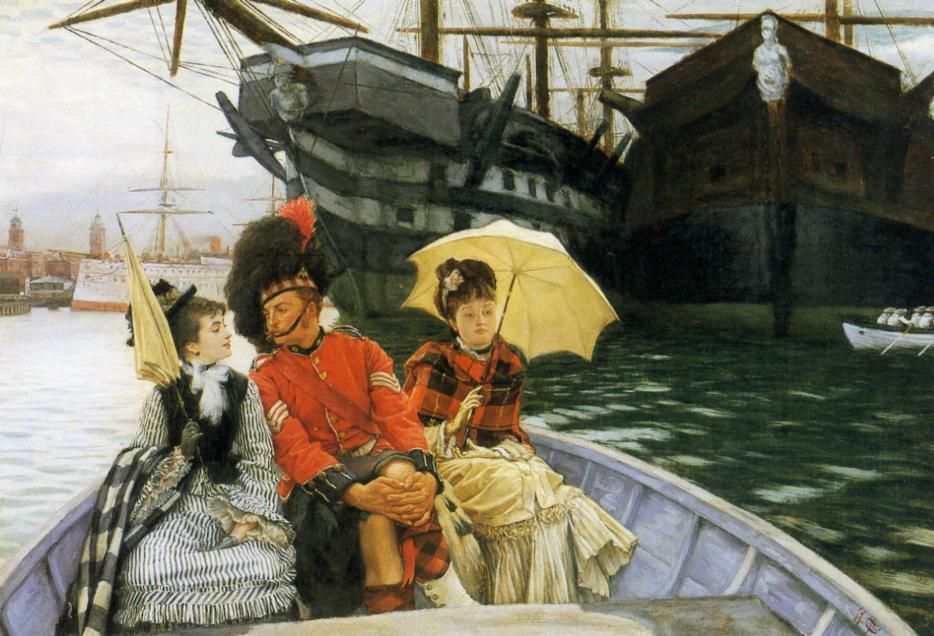
Portsmouth Dockyard (also known as How Happy I Could be with Either)


 Read More
Purchase a high-resolution, enhanced digital image, far superior to the online preview.
Each file is meticulously prepared by our in-house specialists using advanced tools and expert manual retouching. We ensure every image has exceptional clarity, precise color accuracy, and fine detail.
The final file is delivered via email within 72 hours, optimized for immediate use in professional, editorial, and print environments. This is the same quality trusted by top-tier design studios, publishers, and galleries.
Digital Image
Download a high-resolution file for personal display, printing, and creative projects. ( Buy Print Buy Hand Made Painting)
Included in Every Digital Image Order
Expert Digital Delivery, Guaranteed
When you choose ArtsDot.com, you're not just getting an image - you're receiving a professionally enhanced digital artwork, crafted with precision and backed by a satisfaction guarantee. Here's everything that comes with your order, automatically:

Fast Email Delivery
Your high-resolution digital image file will be emailed to you within 72 hours of ordering - ready for immediate use.

AI-Enhanced Digital File
Your artwork is professionally optimized using advanced AI tools and manual editing, ensuring maximum detail, clarity, and color accuracy.

Free Lifetime Re-Delivery
Accidentally deleted or lost your file? No worries - we'll resend it to you anytime, free of charge.

No Import Fees - Ever
Enjoy your artwork instantly with zero customs, duties, or delivery fees - digital downloads are always tax-free.

Color Accuracy Guarantee
We ensure your digital image reflects the original colors as closely as possible using professional tools and color management.

60-Day Satisfaction Guarantee
If you're not satisfied with your digital image, we'll revise it or refund 100% within 60 days - no questions asked.

100% Money-Back Guarantee
Not satisfied? Get a full refund within 60 days of receiving your digital file - no questions asked.

Bulk Order Discounts
Buy 3 images, save 10% - Buy 5, save 15% - Buy 10+, save 20%. Great for creative projects, galleries, and agencies.
Collectible Description
A Moment of Quiet Contemplation: Tissot’s “Portsmouth Dockyard”
James Jacques Joseph Tissot's "Portsmouth Dockyard," painted in 1877, isn’t merely a depiction of a bustling naval scene; it’s a carefully constructed tableau brimming with unspoken narratives and subtle emotional currents. The canvas unfolds like a miniature drama, capturing a fleeting moment within the vast machinery of Victorian England – a time of rapid industrial expansion, social change, and a burgeoning fascination with leisure and spectacle. Tissot, a master of portraying contemporary life with remarkable realism and an almost photographic eye, elevates this commonplace subject to something profoundly evocative. The painting immediately draws the viewer in, not with dramatic action or overwhelming scale, but with a quiet intimacy that suggests a private observation, as if the artist himself were a discreet witness to this slice of daily existence.A Composition Steeped in Narrative and Symbolism
The scene unfolds on the docks of Portsmouth Naval Dockyard, a vital hub for shipbuilding and naval operations. Three figures dominate the foreground: a distinguished Highlander, resplendent in his scarlet jacket, feathered busby, and traditional kilt; a woman, elegantly draped in tartan, her gaze averted; and a second woman, seemingly lost in thought. The inclusion of these characters immediately establishes a complex web of relationships – perhaps a flirtation, a farewell, or simply the quiet observation of social dynamics within this public space. Tissot’s genius lies not just in his technical skill but in his ability to imbue ordinary subjects with layers of meaning. The Highlander's posture suggests confidence and purpose, while the woman’s averted gaze hints at vulnerability or perhaps a subtle disappointment. The tartan wrap she wears is a particularly intriguing detail – a symbol of Scottish heritage, subtly adding another layer to the scene’s narrative complexity.Technique and Impressionistic Touches
Tissot's technique is characterized by meticulous observation and a remarkable ability to capture light and atmosphere. He employed a layered approach, building up his composition with numerous thin glazes of paint – a hallmark of his style that lends the work an astonishing depth and luminosity. The brushstrokes are generally smooth and controlled, yet he skillfully incorporates subtle variations in tone and texture to create a sense of realism. Notice how he renders the reflections on the water’s surface, capturing the shimmering interplay of light and shadow with remarkable precision. Furthermore, Tissot's work demonstrates an early engagement with Impressionistic principles – particularly in his use of color and his focus on capturing fleeting moments of visual experience. The subtle shifts in hue and tone suggest a sensitivity to the changing light conditions, adding a vibrant dynamism to the scene.Historical Context and Social Commentary
“Portsmouth Dockyard” offers a fascinating glimpse into Victorian society – a period defined by rapid industrialization, social stratification, and evolving notions of leisure. The dockyard itself was a symbol of Britain’s imperial power and technological prowess, while the presence of the Highlander and his companions speaks to the complex dynamics of class and identity within the British Empire. Tissot's decision to depict this scene with such intimacy suggests a subtle critique of Victorian social conventions – particularly those surrounding courtship and gender roles. The woman’s averted gaze, combined with the Highlander’s assertive presence, hints at an underlying tension between tradition and modernity, public duty and private emotion. The painting was created during a time when London was experiencing rapid growth and transformation, and Tissot's work reflects this dynamic environment through his detailed portrayal of everyday life.A Timeless Appeal: Reproduction and Beyond
“Portsmouth Dockyard” remains a captivating artwork today, not only for its technical brilliance but also for its ability to evoke a sense of nostalgia and intrigue. Reproductions offer an accessible way to appreciate Tissot’s artistry and bring this evocative scene into any interior space. Whether displayed in a study, a gallery, or a private residence, this painting continues to resonate with viewers who are drawn to its quiet beauty, subtle symbolism, and timeless appeal. It serves as a poignant reminder of a bygone era – a time of industrial progress, social change, and the enduring power of human connection.Related Artworks





Artist Biography
Early Life and Artistic Beginnings
Jacques Joseph Tissot, born October 15, 1836, in Nantes, France, was destined for a life steeped in artistic passion from his earliest years. His father, a drapery merchant, instilled in him an appreciation for craftsmanship and detail—qualities that would profoundly shape his artistic vision. Simultaneously, his mother, a milliner, nurtured his sensitivity to beauty and fashion, exposing him to the vibrant world of Parisian society. Despite familial responsibilities, Tissot relentlessly pursued his artistic ambitions, enrolling at the École des Beaux-Arts in Paris where he honed his skills under the tutelage of luminaries like Ingres, Flandrin, and Lamothe. This formative period cemented his commitment to painting as a vocation and established him firmly within the influential Parisian art milieu.The Salon Years and Recognition
Tissot’s debut at the Paris Salon in 1861 marked a pivotal moment—the unveiling of “The Meeting of Faust and Marguerite,” a dramatic tableau that captivated audiences and garnered considerable acclaim from critics. Purchased by the state for inclusion in the Luxembourg Gallery, this ambitious undertaking signaled Tissot's burgeoning reputation as a painter capable of capturing complex narratives and conveying profound emotion. Subsequent Salon exhibitions solidified his position within the artistic establishment, showcasing his evolving style and attracting commissions from prominent patrons. His early successes fueled confidence and propelled him toward exploring new subjects and techniques—a trajectory that would ultimately define his illustrious career.Genre Painting and Parisian Society
Tissot’s artistic breakthrough arrived with his series “La Femme à Paris,” a meticulously observed depiction of the demi-mondaine world of late Victorian London. These paintings, characterized by their luminous color palettes and masterful rendering of textures—particularly fabrics—became synonymous with capturing the allure and dynamism of Parisian high society. Tissot's meticulous attention to detail extended beyond mere visual representation; he sought to convey not only appearances but also psychological nuances, reflecting the anxieties and aspirations of his subjects. His work stands as a testament to Impressionistic influences blended with realism, offering an unparalleled glimpse into the social customs and artistic sensibilities of the Belle Époque.Biblical Themes and Japonisme
Throughout his prolific output, Tissot embraced diverse artistic inspirations—ranging from medieval narratives to biblical scenes—demonstrating remarkable versatility. His depictions of religious subjects, imbued with spiritual depth and emotional resonance, showcased his ability to elevate visual storytelling into profound contemplation. Simultaneously, he was captivated by Japonisme—the fascination with Japanese art and aesthetics that swept across Europe during the Victorian era—evident in compositions infused with asymmetrical arrangements and subtle color harmonies reminiscent of Japanese prints. This stylistic fusion underscored Tissot’s intellectual curiosity and his willingness to experiment with innovative artistic approaches.Later Years and Legacy
Tissot's life took a dramatic turn when he enlisted in the Franco-Prussian War, serving on the French side—an experience that undoubtedly shaped his worldview. Following the war’s conclusion, he relocated to London where he pursued etching alongside Sir Seymour Haden and honed his artistic skills through portrait commissions and caricatures for Vanity Fair. His relationship with Kathleen Newton blossomed into a passionate companionship, providing him with enduring inspiration for numerous paintings. Tragically, Newton succumbed to tuberculosis in 1882—a profound loss that deeply affected Tissot’s creative output. Despite this sorrowful chapter, he continued to produce exceptional artwork until his death in 1902. Today, Jacques Joseph Tissot's legacy resides in museums across Europe and North America—most notably the Musée National Jean-Jacques Henner in Paris—where his celebrated paintings continue to inspire admiration for their artistic brilliance and evocative portrayal of Victorian life and faith. His enduring influence on genre painting and Impressionism secures his place as one of France’s most distinguished artists of the 19th century.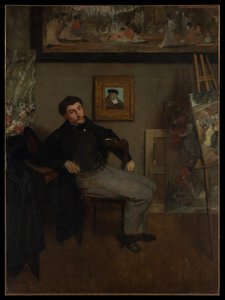
jacques joseph tissot
1836 - 1902 , France
Quick Facts
- Artistic Movement Or Style: Genre Painting
- Artists Or Movements Influenced By This Artist: ['Impressionism']
- Artists Who Influenced This Artist:
- Jean-Auguste Ingres
- Gustave Courbet
- Date Of Birth: October 15, 1836
- Date Of Death: August 8, 1902
- Full Name: Jacques Joseph Tissot
- Nationality: French
- Notable Artworks:
- The Meeting of Faust and Marguerite
- La Femme à Paris
- Place Of Birth: Nantes, France

