 Preview
 Send
Send Share
Share
 Details

 Download
 Similars
 X-Ray
X-Ray Diaporama
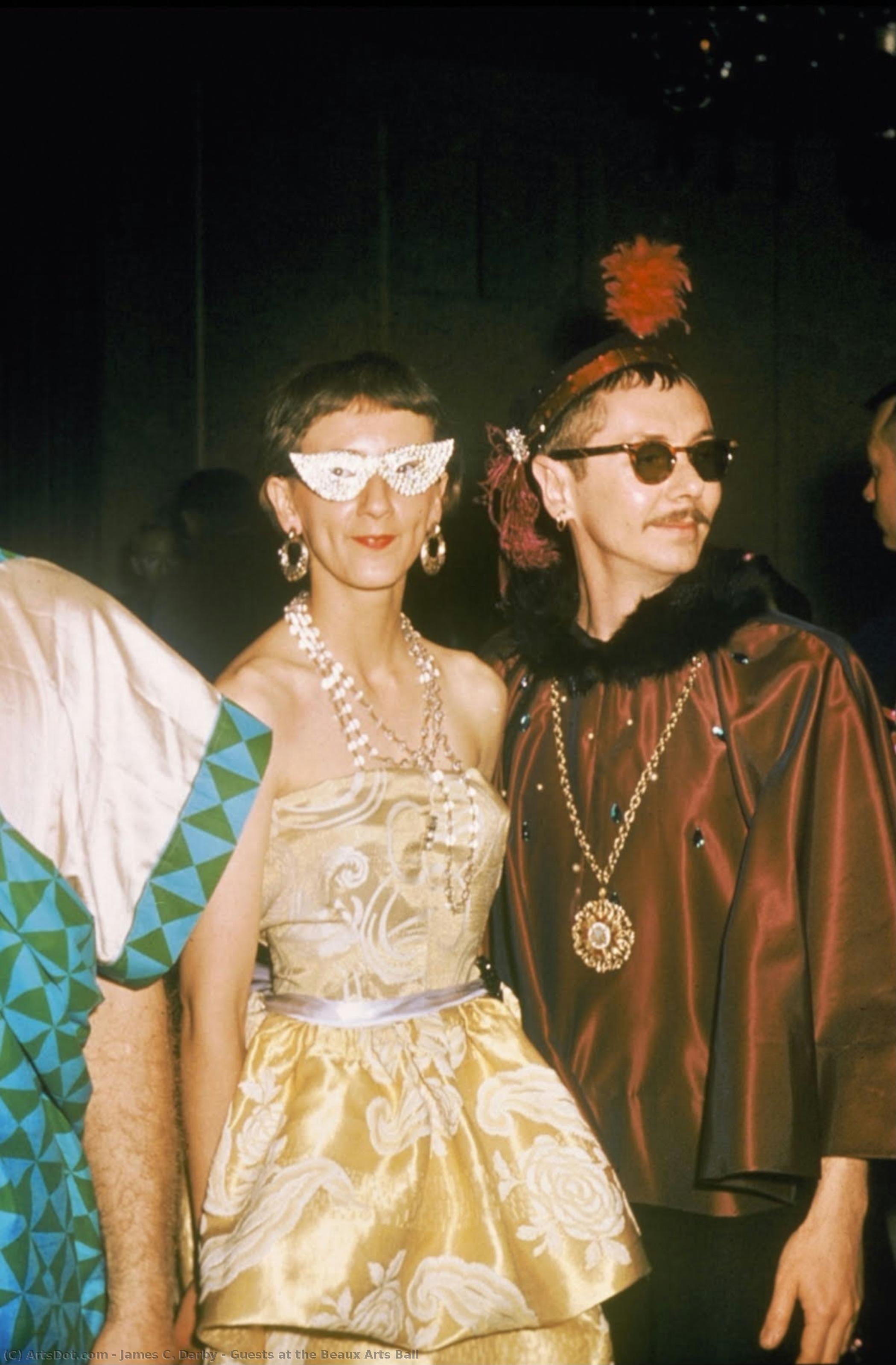
Guests at the Beaux Arts Ball


 Read More
Hand Made Oil Reproduction
Hand-painted oil on canvas in your size and frame, made to order by our artists. ( Buy Print Buy Image)




































Pick from our preset sizes that match the artwork's original proportions.

You may enter your own dimensions to fit a specific frame or space. If your selected size does not match the original image's proportions, we will either crop the artwork or extend the painting with additional hand-painted elements. A digital mockup will be sent for your approval before production begins.
Please note that the on-screen preview does not reflect the actual cropping or extension. Only the mockup will accurately show the final composition.
While custom sizes are available, we recommend selecting a dimension from the predefined list to preserve the original proportions.
After order, ArtsDot.com team will email client for instructions and provide a mockup preview
Worldwide Delivery () in 3/4 weeks instead of standard 5 weeks. (21 August). No compromise on quality.

Free Worldwide Express Shipping

High-Quality Linen Canvas

Full Shipping Insurance

Customs Tax Refund Guarantee

True Color Matching Guarantee

60-Day Return Policy (Defects Only)

100% Money-Back Guarantee

Bulk Discount Offer
 Glass option is only available in size under 110 CM

Guests at the Beaux Arts Ball
Reproduction Medium
Reproduction Size
-


Total Price
$ 288
Related Artworks
Artist Biography
James C. Darby: Capturing the Glamour of a Lost Era
James C. Darby’s photographs are more than just images; they're portals to a specific, shimmering moment in American history – the mid-1950s and early 60s, a time of burgeoning social change overlaid with an enduring fascination for elegance and spectacle. His most celebrated work, “Guest at the Beaux Arts Ball” (1958), and his extensive documentation of events like the Queen of Finnie’s Masquerade Ball offer a remarkably intimate glimpse into the world of high society, ballroom dancing, and the carefully constructed identities presented within these lavish gatherings. Darby wasn't merely a photographer; he was an observer, meticulously documenting a vanishing culture with a keen eye for detail and a subtle understanding of human behavior.
Born in Chicago in 1932, Darby’s early life instilled in him a deep appreciation for performance and visual storytelling. His parents were professional dancers, exposing him to the world of stagecraft from a young age. This background profoundly shaped his artistic sensibilities – he learned to see movement, light, and composition with an artist's eye. After serving in the Navy during the Korean War, Darby began teaching high school English and Spanish, a career that provided him with valuable time and resources to pursue his passion for photography. It was during this period that he met Patrick Bova, forming a lifelong partnership both personally and creatively.
Darby’s photographic style is instantly recognizable – characterized by rich, saturated colors, dramatic lighting, and a deliberate sense of theatricality. He wasn't interested in straightforward realism; instead, he employed techniques borrowed from the stage, using light and shadow to sculpt his subjects and create an atmosphere of heightened emotion. His compositions often feature figures posed with carefully considered gestures, conveying a sense of both confidence and vulnerability. A key influence on Darby’s work is undoubtedly W.C. Fields, whose wry humor and self-deprecating wit found their way into the expressions and interactions captured in his photographs.
The Beaux Arts Ball: A Snapshot of an Era
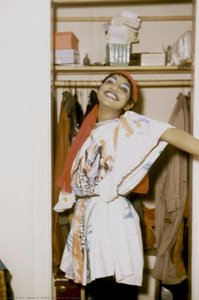
"Guest at the Beaux Arts Ball" stands as perhaps Darby’s most iconic achievement. Shot at the Ambassador West Hotel in 1958, this photograph captures a woman elegantly posed within a closet, a seemingly mundane scene transformed into a moment of exquisite beauty and quiet contemplation. The image is not simply a portrait; it's an exploration of identity, privacy, and the carefully constructed facades presented to the world. The use of shallow depth of field draws attention to the woman’s face, highlighting her expression – a subtle blend of amusement and introspection.
Darby’s decision to photograph this particular moment speaks volumes about his artistic vision. He wasn't interested in grand displays of wealth or social status; instead, he focused on capturing the intimate details of everyday life within these opulent settings. The photograph invites us to imagine the woman’s story – her hopes, dreams, and anxieties – adding layers of meaning beyond the visual surface.
Beyond the Ballroom: A Wider Photographic Legacy
While “Guest at the Beaux Arts Ball” is undoubtedly Darby's most famous work, his photographic archive reveals a broader range of subjects and interests. He documented numerous social events, including balls, masquerade parties, and charity galas, providing a rich tapestry of images that capture the spirit of mid-century America. His photographs also offer valuable insights into the evolving role of women in society – showcasing their elegance, confidence, and increasingly assertive presence.
Furthermore, Darby’s commitment to social justice is evident in his work as a founding member of GLBVA (now American Veterans for Equal Rights). His decision to photograph events like the Beaux Arts Ball was not merely an artistic endeavor; it was also a form of activism – a way to document and celebrate a community often marginalized and silenced. His photographs served as visual evidence of a vibrant subculture thriving beneath the surface of mainstream society.
A Lasting Impact
James C. Darby’s photographs are more than just historical documents; they're works of art that continue to resonate with contemporary audiences. His ability to capture the essence of a bygone era – its glamour, its anxieties, and its underlying complexities – is a testament to his artistic skill and sensitivity. His legacy extends beyond the individual images themselves, offering valuable insights into American culture and social history. As documented in “The Outwords Archive,” Darby’s dedication to documenting LGBTQ+ veterans and advocating for equality cemented his place as a pioneering figure in photographic activism.
Today, Darby's work is held by institutions like the James Madison University Museum of Art and Special Collections, ensuring that his captivating images will continue to be appreciated and studied for generations to come. His photographs serve as a poignant reminder of a time when elegance and spectacle reigned supreme, and a testament to the power of photography to capture not just appearances but also the hidden depths of human experience.

james c. darby
United States of America
Quick Facts
- Artistic Movement Or Style: Photography
- Artists Or Movements Influenced By This Artist: ['American Photographers']
- Artists Who Influenced This Artist: ['W.C. Fields']
- Date Of Birth: February 26, 1932
- Full Name: James C. Darby
- Nationality: American
- Notable Artworks:
- Guest at the Beaux Arts Ball
- Guests at the Beaux Arts Ball
- Performers from the Jewel Box Revue
- Place Of Birth: Chicago, USA
Related Articles
Whistler's Masterpieces: Explore 25 Iconic Paintings & Aesthetic Art for Your Home
Journey through 25 iconic James Abbott McNeill Whistler paintings! Explore his masterpieces of Aestheticism, from 'Nocturne in Black and Gold' to captivating portraits. Find museum-quality art reproductions & elevate your home decor with ArtsDot.com. Discover the full collection online.

Sir Alfred Munnings' Masterpieces: 25 Paintings That Define Equine Art | ArtsDot
Explore 25 iconic Sir Alfred Munnings paintings! Discover the beauty of British Impressionism, equine art & rural England. Find museum-quality reproductions and elevate your home decor with ArtsDot. Explore the full collection online.
Beyond the Lens: Photography's Enduring Influence on Modern & Contemporary Art
Explore photography's pivotal role in shaping modern & contemporary art. Discover key movements, influential artists like Stieglitz, and expert collecting advice from ArtsDot.

Monochrome Visions: Exploring the Aesthetic & Historical Significance of Black & White Photography
Explore the rich history & artistic power of black and white photography. From early techniques to iconic masters like Ansel Adams, discover why monochrome continues to captivate art lovers today. Expert insights for collectors.
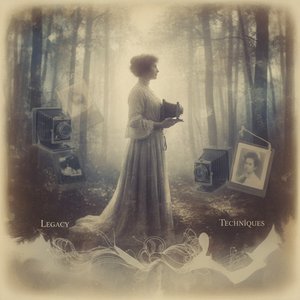
Pictorialism: A Search for Artistic Photography's Soul – Aesthetics, Techniques & Legacy
Explore the captivating world of Pictorialism – a pivotal movement that transformed photography into fine art. Discover key artists like Stieglitz & Käsebier, techniques, and collecting tips from experts.