 Preview
 Send
Send Share
Share
 Details

 Download
 Similars
 X-Ray
X-Ray Diaporama
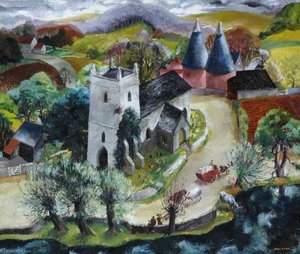
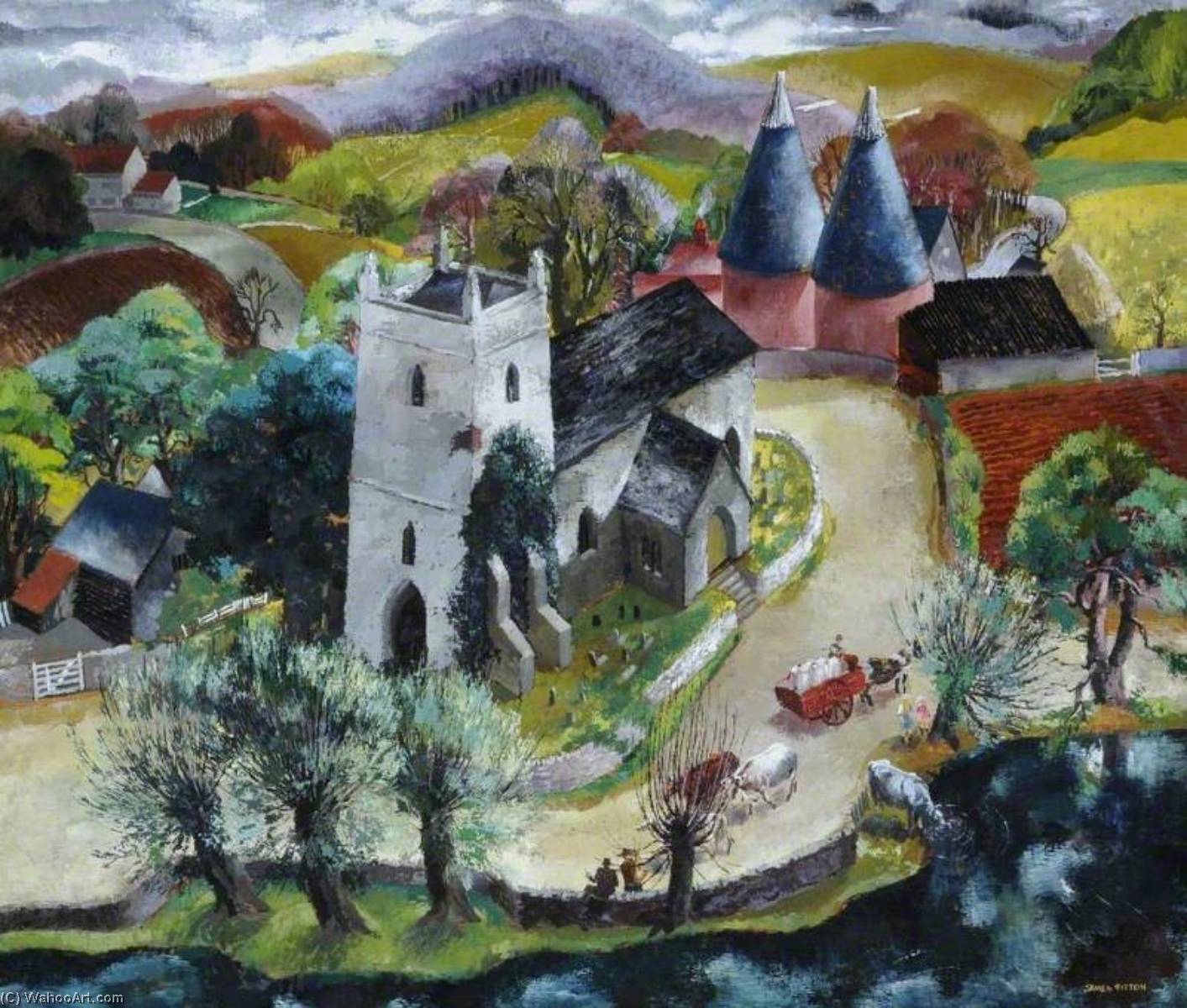
Church Landscape
 Realism
 1933
1933 100.0 x 120.0 cm
 Ferens Art Gallery
 Read More
Hand Made Oil Reproduction
Hand-painted oil on canvas in your size and frame, made to order by our artists. ( Buy Print Buy Image)




P118B $10

P118H $10

P118W $10

P438Z $10

P508JH $12

P508YH $12

P805H $10

P805Z $10

P919BZ $10

P919G $10

P919XJ $10

P959ZH $10

P968JZ $12

W106C $8

W218G $10

W218JH $8

W218Y $10

W307PJ $10

W316G $10

W316PJ $8

W316Y $10

W398PJ $8

W4111J $10

W500HY $15

W500JH $15

W692G $12

W849H $8

W940BG $15

W953PJ $8




Pick from our preset sizes that match the artwork's original proportions.

You may enter your own dimensions to fit a specific frame or space. If your selected size does not match the original image's proportions, we will either crop the artwork or extend the painting with additional hand-painted elements. A digital mockup will be sent for your approval before production begins.
Please note that the on-screen preview does not reflect the actual cropping or extension. Only the mockup will accurately show the final composition.
While custom sizes are available, we recommend selecting a dimension from the predefined list to preserve the original proportions.
After order, ArtsDot.com team will email client for instructions and provide a mockup preview
Worldwide Delivery () in 3/4 weeks instead of standard 5 weeks. (24 August). No compromise on quality.

Free Worldwide Express Shipping

High-Quality Linen Canvas

Full Shipping Insurance

Customs Tax Refund Guarantee

True Color Matching Guarantee

60-Day Return Policy (Defects Only)

100% Money-Back Guarantee

Bulk Discount Offer
 Glass option is only available in size under 110 CM

Church Landscape
Reproduction Medium
Reproduction Size
-


Total Price
$ 263
Artwork Description
A Glimpse into the Past
The painting features a small village with a church at its center, surrounded by various buildings, including houses, barns, and a windmill. The presence of a car near the church adds a touch of modernity to the otherwise timeless scene. The overall composition exudes a sense of tranquility and harmony with nature, making it an appealing piece of artwork. As seen in other works by James Fitton, such as Home, the artist's attention to detail and ability to evoke emotions through his paintings are truly remarkable.Artistic Style and Influences
James Fitton's style is characterized by his use of bold brushstrokes and vivid colors, which bring his paintings to life. The Ferens Art Gallery is also home to works by other notable artists, including Frank Mason and Patricia Ramsay. For example, Frank Mason's Holland showcases the artist's ability to capture the beauty of landscapes. To learn more about these artists and their works, visit James Fitton: Church Landscape and Patricia Ramsay: Green Apples.- Key Features: Oil on canvas, 100 x 120 cm, created in 1933
- Location: Ferens Art Gallery, Kingston Upon Hull, United Kingdom
- Artist: James Fitton
The captivating Church Landscape by James Fitton is a must-see for art enthusiasts and those who appreciate the beauty of landscapes. With its serene atmosphere and stunning details, this painting is sure to leave a lasting impression on all who view it.
Related Artworks
Artist Biography
The Quiet Observer: The Life and Legacy of James Fitton
Born in the industrial heart of Oldham, Lancashire, on February 11, 1899, James Fitton emerged from a world defined by the rhythmic clatter of cotton mills and the grit of working-class resilience. His early years were shaped by the stark realities of a landscape dominated by towering chimneys and the tireless energy of the textile industry. As the youngest child of Methodist parents, Fitton’s upbringing was steeped in a culture of perseverance, yet his gaze often drifted beyond the soot-stained horizons of his birthplace. While his father navigated the turbulent waters of labor politics and industrial struggle, Fitton found his own voice through the transformative power of visual expression, eventually evolving into one of the most sensitive chroniclers of the English spirit.
Fitton’s artistic journey was far from a linear ascent; it was a profound exploration of light, form, and social identity. His formal training at the Newcastle Art School and later the prestigious Slade School of Fine Art in London provided him with the technical foundation necessary to navigate the shifting tides of twentieth-century modernism. Though he was deeply influenced by the luminous breakthroughs of Impressionism and the emotive textures of Post-Impressionism—drawing inspiration from masters like Claude Monet and Vincent van Gogh—Fitton resisted the urge toward pure abstraction. Instead, he sought a middle ground where the precision of observation met the soul of the subject, creating works that captured not merely the physical world, but its underlying atmosphere.
A Tapestry of Landscapes and Human Connection
The breadth of Fitton’s oeuvre reveals an artist capable of profound versatility, moving seamlessly between the expansive serenity of the countryside and the intimate psychological depths of portraiture. In his landscapes, such as the evocative Church Landscape (1933), he demonstrated a remarkable ability to render the peaceful rhythms of village life. These works often feature a meticulous attention to detail—a windmill, a distant barn, or the subtle presence of a modern car—that anchors timeless scenes within a specific historical moment. His landscapes are rarely dramatic; rather, they invite a quiet contemplation, utilizing muted tones and subtle gradations of color to evoke the damp, soft light characteristic of the British Isles.
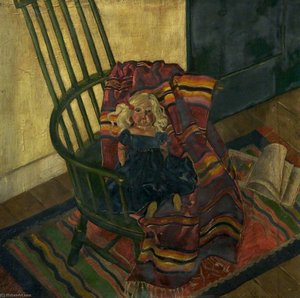
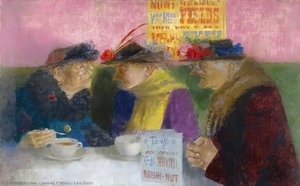
Beyond the horizon of the rural landscape, Fitton’s work often turned inward toward the human condition. His portraits and figurative compositions, such as the poignant Les Girls (1954), utilize impressionistic brushstrokes and warm, melancholic hues to explore themes of age, memory, and companionship. Whether capturing the innocent realism of a Doll on a Chair or the serene, almost surreal simplicity of The Long Green (1946), Fitton possessed a unique gift for finding the extraordinary within the ordinary. His technique, characterized by a masterful use of oil paint and a dedicated approach to layering, allowed him to build textures that felt both tactile and ethereal.
Artistic Activism and Historical Significance
Fitton was not merely a painter of scenes; he was an artist engaged with the pulse of his era. As a founding member of the left-wing Artists' International Association, his work was inextricably linked to the social and political consciousness of mid-century Britain. This commitment to the role of art in society mirrored the struggles of his upbringing, blending a fine-art sensibility with a deep-seated empathy for the human experience. His contributions extended beyond the canvas into the realm of theatre set design and lithography, showcasing a multidisciplinary talent that sought to bring aesthetic beauty to various facets of public life.
Today, the legacy of James Fitton resides in his ability to bridge the gap between the traditional and the modern. He remains a vital figure for collectors and historians alike, representing a period of British art that valued observation, social awareness, and a profound respect for the natural world. His paintings serve as enduring windows into a vanished England, preserving the quiet dignity of its landscapes and the subtle complexities of its people with an artistry that continues to resonate across generations.
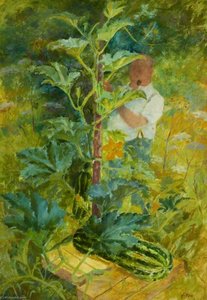
james fitton
1899 - 1982
Quick Facts
- Artistic Movement Or Style: Landscape Painting
- Artists Or Movements Influenced By This Artist: ['Arts and Crafts Movement']
- Artists Who Influenced This Artist: ['William Morris']
- Date Of Birth: 1899
- Date Of Death: 1982
- Full Name: James Fitton
- Nationality: British
- Notable Artworks:
- Church Landscape
- Les Girls
- Doll on a Chair
- Place Of Birth: Lancashire, England
Related Articles

Sir Alfred Munnings' Masterpieces: 25 Paintings That Define Equine Art | ArtsDot
Explore 25 iconic Sir Alfred Munnings paintings! Discover the beauty of British Impressionism, equine art & rural England. Find museum-quality reproductions and elevate your home decor with ArtsDot. Explore the full collection online.
Whistler's Masterpieces: Explore 25 Iconic Paintings & Aesthetic Art for Your Home
Journey through 25 iconic James Abbott McNeill Whistler paintings! Explore his masterpieces of Aestheticism, from 'Nocturne in Black and Gold' to captivating portraits. Find museum-quality art reproductions & elevate your home decor with ArtsDot.com. Discover the full collection online.
William James Müller: Navigating Victorian Sentiment & Realism in British Landscape Painting
Explore the captivating landscapes of William James Müller, the leading artist of the Bristol School. Discover his Victorian masterpieces, Egyptian travels & Lycian sketches – a journey through 19th-century art and technique.

John Constable's Masterpieces: Explore 25 Iconic Landscapes for Your Home
Journey through John Constable's 25 most celebrated landscapes. Explore Romanticism, Dedham Vale & his masterful use of light in iconic paintings like 'Hay Wain'. Find museum-quality art reproductions and elevate your home decor on ArtsDot.com.

Evocations of Place: A Historical Journey Through Landscape Art
Explore the rich history of landscape art with ArtsDot. Discover renowned artists, movements like Impressionism & Romanticism, and expert guidance for collecting timeless pieces. Find your perfect serene escape today!