

 Preview
 Send
Send Share
Share
 Details

 Download
 Similars
 X-Ray
X-Ray Diaporama
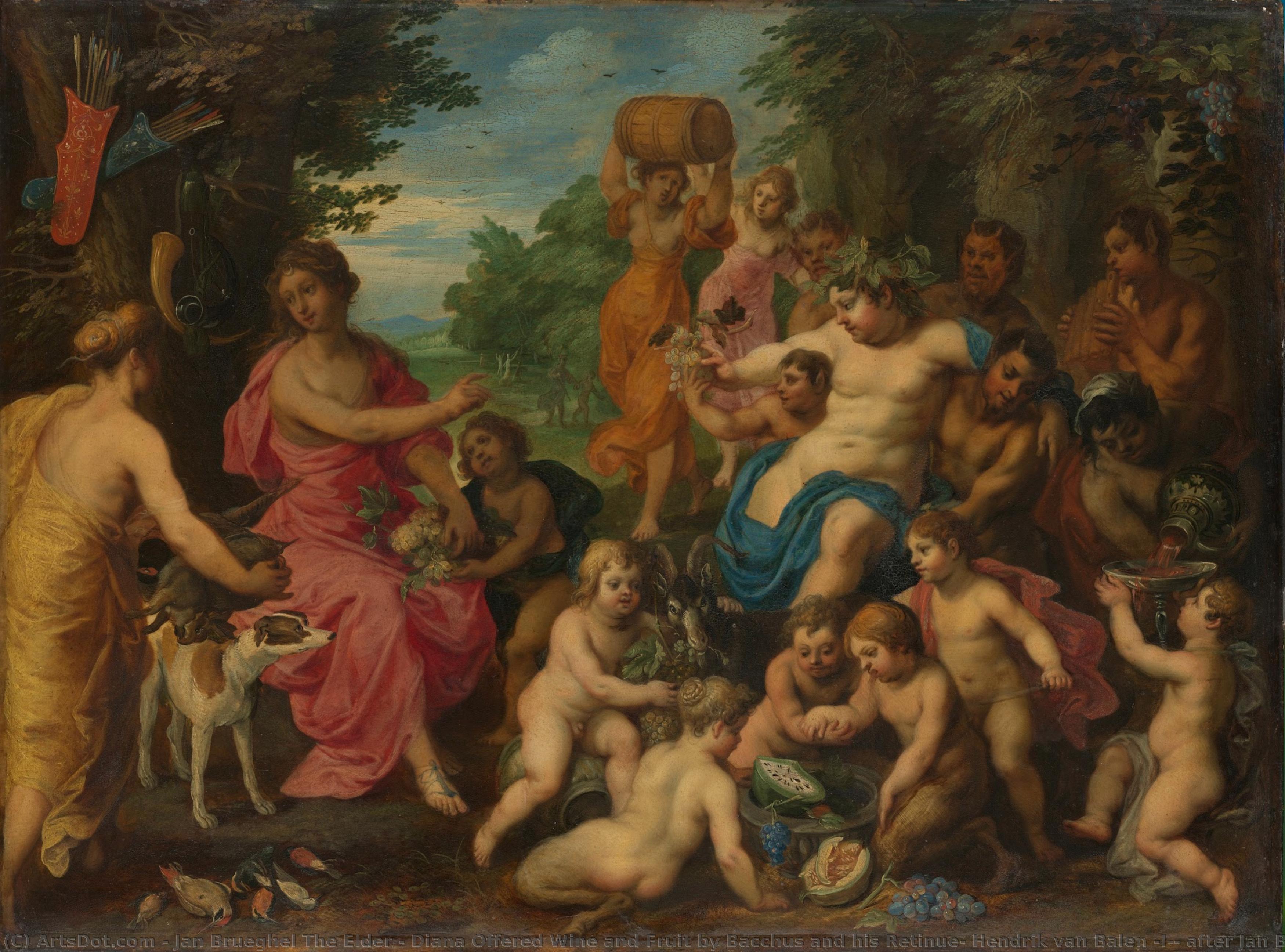
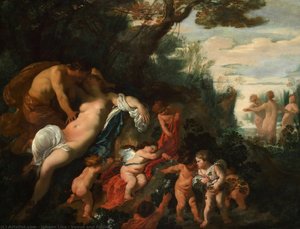
Diana Offered Wine and Fruit by Bacchus and his Retinue, Hendrik van Balen (I), after Jan Brueghel (I), c. 1617 - 1625
 Oil On Panel
- Flemish Baroque
 1625
1625- Early Modern
 39.0 x 52.0 cm
 Read More
Purchase a high-resolution, enhanced digital image, far superior to the online preview.
Each file is meticulously prepared by our in-house specialists using advanced tools and expert manual retouching. We ensure every image has exceptional clarity, precise color accuracy, and fine detail.
The final file is delivered via email within 72 hours, optimized for immediate use in professional, editorial, and print environments. This is the same quality trusted by top-tier design studios, publishers, and galleries.
Digital Image
Download a high-resolution file for personal display, printing, and creative projects. ( Buy Print Buy Hand Made Painting)
Included in Every Digital Image Order
Expert Digital Delivery, Guaranteed
When you choose ArtsDot.com, you're not just getting an image - you're receiving a professionally enhanced digital artwork, crafted with precision and backed by a satisfaction guarantee. Here's everything that comes with your order, automatically:

Fast Email Delivery
Your high-resolution digital image file will be emailed to you within 72 hours of ordering - ready for immediate use.

AI-Enhanced Digital File
Your artwork is professionally optimized using advanced AI tools and manual editing, ensuring maximum detail, clarity, and color accuracy.

Free Lifetime Re-Delivery
Accidentally deleted or lost your file? No worries - we'll resend it to you anytime, free of charge.

No Import Fees - Ever
Enjoy your artwork instantly with zero customs, duties, or delivery fees - digital downloads are always tax-free.

Color Accuracy Guarantee
We ensure your digital image reflects the original colors as closely as possible using professional tools and color management.

60-Day Satisfaction Guarantee
If you're not satisfied with your digital image, we'll revise it or refund 100% within 60 days - no questions asked.

100% Money-Back Guarantee
Not satisfied? Get a full refund within 60 days of receiving your digital file - no questions asked.

Bulk Order Discounts
Buy 3 images, save 10% - Buy 5, save 15% - Buy 10+, save 20%. Great for creative projects, galleries, and agencies.
Collectible Description
Related Artworks

Artist Biography
A Legacy Rooted in Flemish Soil
Jan Brueghel the Elder, a name synonymous with vibrant landscapes and exquisitely detailed still lifes, emerged from a lineage steeped in artistic tradition. Born in Brussels in 1568, he was the younger son of Pieter Bruegel the Elder, that titan of Netherlandish Renaissance painting whose depictions of peasant life and sweeping vistas had already secured his place in art history. The shadow of such a father could have been stifling, yet Jan forged his own distinct path, becoming not merely an inheritor but an innovator within the burgeoning Flemish Baroque movement. His early years were marked by loss; Pieter Bruegel the Elder died when Jan was barely a year old, and his mother passed away a decade later. Raised initially by his grandmother, Mayken Verhulst—herself a respected artist—Jan received foundational training in drawing and watercolor, a nurturing start that would blossom into a lifelong dedication to meticulous observation and technical mastery. The influence of this early upbringing, combined with the artistic fervor of Antwerp where he continued his studies, laid the groundwork for a career defined by both inherited skill and personal vision.
The Blossoming of a Baroque Vision
Brueghel’s artistic development was profoundly shaped by his travels to Italy in the 1590s. Naples and Rome offered him exposure to a different aesthetic sensibility, one characterized by grandeur, drama, and a heightened sense of color. While he absorbed these influences, he didn't simply replicate them; instead, he synthesized them with the Northern European tradition of detailed realism inherited from his father. This fusion resulted in a unique style—one that celebrated both the splendor of the Italian Baroque and the meticulous precision of Flemish painting. He became known as “Velvet Brueghel” for his ability to render textures with astonishing fidelity, particularly in his flower paintings. These weren’t merely botanical studies; they were celebrations of life's ephemeral beauty, imbued with symbolic meaning. Beyond flowers, Brueghel excelled at landscapes, often depicting idyllic scenes teeming with figures engaged in everyday activities or mythological narratives. His compositions are characterized by a panoramic scope and an almost obsessive attention to detail—every leaf, every insect, every ripple in the water is rendered with painstaking accuracy.
Collaboration and Innovation
Jan Brueghel’s career wasn't solely defined by individual achievement; he was also a masterful collaborator. His most significant partnership was with Peter Paul Rubens, arguably the most influential artist of the Flemish Baroque. The two artists shared a close friendship and frequently worked together on large-scale projects, each contributing their unique strengths. Typically, Rubens would paint the figures while Brueghel focused on the landscapes and still life elements. This collaboration resulted in some of the most breathtaking works of the era, such as *Adam and Eve in Paradise*, where Rubens’ dynamic figures are seamlessly integrated into Brueghel's lush and detailed garden setting. Beyond his partnership with Rubens, Brueghel was a prolific innovator, pioneering new genres like flower garland paintings—elaborate arrangements of blossoms that often framed religious or mythological scenes—and paradise landscapes, which combined elements of both landscape and still life to create fantastical visions of earthly delight. He also developed gallery paintings, showcasing collections of artworks within imagined museum settings, reflecting the growing interest in art collecting during the 17th century.
A Lasting Influence
Jan Brueghel the Elder died in Antwerp in 1625, leaving behind a legacy that extended far beyond his own lifetime. His meticulous technique, vibrant color palettes, and innovative compositions profoundly influenced subsequent generations of Flemish painters. He established new standards for detail and realism, inspiring artists to push the boundaries of their craft. His son, Jan Brueghel the Younger, continued in his father’s footsteps, often creating works that were difficult to distinguish from those of the elder master. However, it was Jan Brueghel the Elder who truly established the family's reputation and cemented his place as a pivotal figure in the history of art. His work reflects not only the artistic currents of his time but also the broader intellectual and cultural shifts of the 17th century, including the rise of scientific observation, the flourishing of religious fervor during the Counter-Reformation, and the growing appreciation for the beauty and complexity of the natural world. Brueghel’s paintings continue to captivate audiences today with their exquisite detail, vibrant colors, and enduring sense of wonder.
- Known as “Velvet Brueghel” due to his masterful rendering of textures.
- Pioneered flower garland paintings and paradise landscapes.
- Close collaborator with Peter Paul Rubens.
Jan Brueghel the Elder
1568 - 1625 , Belgium
Quick Facts
- Artistic Movement Or Style: Flemish Baroque
- Artists Or Movements Influenced By This Artist: ['Flemish painters']
- Artists Who Influenced This Artist:
- Pieter Bruegel the Elder
- Peter Paul Rubens
- Date Of Birth: 1568
- Date Of Death: 1625
- Full Name: Jan Brueghel the Elder
- Nationality: Flemish
- Notable Artworks:
- The Triumph of Neptune
- Still Life with Flowers
- Landscape with a Waterfall
- Place Of Birth: Brussels, Belgium

