 Preview
 Send
Send Share
Share
 Details

 Download
 Similars
 X-Ray
X-Ray Diaporama
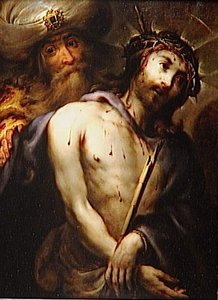
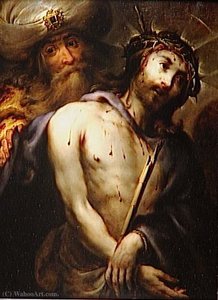
ECCE HOMO ou PILATE PRESENTANT LE CHRIST AU PEUPLE


 Read More
Hand Made Oil Reproduction
Hand-painted oil on canvas in your size and frame, made to order by our artists. ( Buy Print Buy Image)




P118B $10

P118H $10

P118W $10

P438Z $10

P508JH $12

P508YH $12

P805H $10

P805Z $10

P919BZ $10

P919G $10

P919XJ $10

P959ZH $10

P968JZ $12

W106C $8

W218G $10

W218JH $8

W218Y $10

W307PJ $10

W316G $10

W316PJ $8

W316Y $10

W398PJ $8

W4111J $10

W500HY $15

W500JH $15

W692G $12

W849H $8

W940BG $15

W953PJ $8




Pick from our preset sizes that match the artwork's original proportions.

You may enter your own dimensions to fit a specific frame or space. If your selected size does not match the original image's proportions, we will either crop the artwork or extend the painting with additional hand-painted elements. A digital mockup will be sent for your approval before production begins.
Please note that the on-screen preview does not reflect the actual cropping or extension. Only the mockup will accurately show the final composition.
While custom sizes are available, we recommend selecting a dimension from the predefined list to preserve the original proportions.
After order, ArtsDot.com team will email client for instructions and provide a mockup preview
Worldwide Delivery () in 3/4 weeks instead of standard 5 weeks. (16 August). No compromise on quality.

Free Worldwide Express Shipping

High-Quality Linen Canvas

Full Shipping Insurance

Customs Tax Refund Guarantee

True Color Matching Guarantee

60-Day Return Policy (Defects Only)

100% Money-Back Guarantee

Bulk Discount Offer
 Glass option is only available in size under 110 CM

ECCE HOMO ou PILATE PRESENTANT LE CHRIST AU PEUPLE
Reproduction Medium
Reproduction Size
-


Total Price
$ 288
Artwork Description
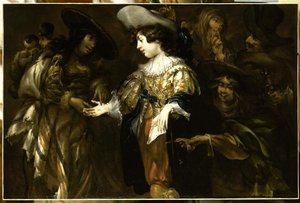
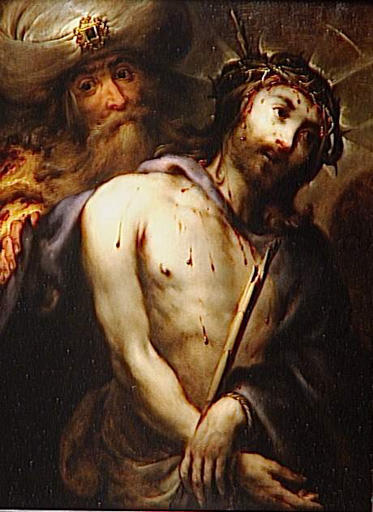
Jan Cossiers – ECCE HOMO ou PILATE PRESENTANT LE CHRIST AU PEUPLE
This striking depiction of Jesus Christ presented before Pontius Pilate by Jan Cossiers, painted around 1620, stands as a cornerstone of Antwerp Baroque art and marks a pivotal transition from Caravaggio’s dramatic tenebrism to a more nuanced style imbued with spiritual depth. The artwork resides within the Musée du Louvre's collection (Salle 802), offering visitors an unparalleled opportunity to contemplate this masterpiece firsthand.Composition & Perspective
The scene unfolds vertically, emphasizing the figures’ stature and fostering a palpable sense of solemnity—a characteristic hallmark of Baroque artistic conventions. Cossiers skillfully centers his composition around two dominant figures: Jesus Christ, positioned on the right side of the frame with an angled torso drawing immediate attention to his suffering, and Pontius Pilate, situated on the left, gesturing emphatically as if presenting Christ to a blurred crowd serving as a backdrop. The artist employs a relatively flat perspective, minimizing depth cues beyond the layering of figures—a deliberate choice that prioritizes emotional impact over meticulous realism.Color Palette & Lighting
Dominating the canvas is a subdued color palette dominated by earthy browns, deep reds, and purples, punctuated by subtle highlights of pale skin on Jesus’s torso. Cossiers masterfully utilizes dramatic chiaroscuro – intense contrasts between light and shadow – to sculpt form and heighten emotional resonance. Light falls predominantly upon Christ's face and torso, underscoring his vulnerability and amplifying the visual drama inherent in the biblical narrative. This masterful manipulation of illumination aligns seamlessly with Caravaggio’s influence, yet distinguishes Cossiers’ work through a refined sensitivity to tonal gradation.Style & Technique
Executed in oil paint on canvas or panel, ECCE HOMO exemplifies Baroque artistry's commitment to textural detail and expressive brushstrokes. Visible strokes delineate fabric folds and contribute to the overall richness of color—a testament to Cossiers’ meticulous craftsmanship. The artist skillfully blends pigments to achieve luminous effects, mirroring the stylistic ambitions of Rubens and Abraham Janssens, who were active in Saint-Paul d’Anvers during the same period. This technique reflects a conscious effort to convey spiritual fervor and emotional intensity, aligning with the artistic ethos of the Counter Reformation.Symbolism & Historical Context
The artwork encapsulates a crucial moment in Christian tradition—Christ's presentation before Pilate—a narrative laden with symbolic significance. The crown of thorns represents Christ’s suffering and sacrifice, while the wounds serve as poignant reminders of his physical torment. Pilate’s gesture embodies authority tempered by reluctance, reflecting the moral dilemma faced by Roman officials during Jesus’s trial. ECCE HOMO's creation coincided with a fervent desire for spiritual renewal within Europe—a context that informs its solemn atmosphere and profound emotional depth.Provenance & Acquisition
Originally owned by Emile Mansard, Villa Berio, San Remo (1933), the painting subsequently passed through the hands of an antiquaire in Auxerre (1988) before being acquired by Bob Haboldt’s gallery in Paris-New York (1994). It was then sold at Hôtel George V during a Tajan auction on March 29, 1994, catalog number 47, and reproduced in color in the Musée du Louvre's catalogue. This remarkable artwork continues to captivate audiences today as a testament to Antwerp Baroque’s artistic legacy.Related Artworks
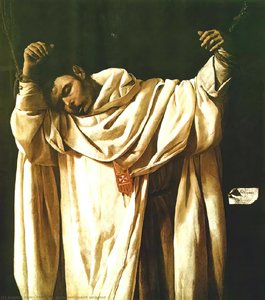
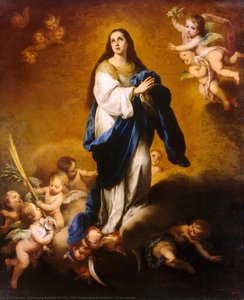
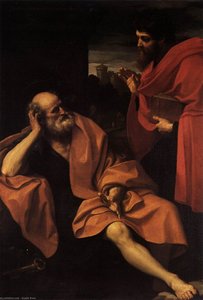
Artist Biography
The Radiant Shadow: The Life and Legacy of Jan Cossiers
In the heart of the 17th-century Antwerp art scene, few names resonate with as much stylistic versatility as Jan Cossiers. Born on July 15, 1600, in the vibrant Flemish city of Antwerp, Cossiers was destined for a life immersed in the brushstrokes of greatness. He descended from an artistic lineage, being the son of the watercolorist Antoine Cossiers, a fact that provided him with an early and intimate understanding of color and form. His formative years were shaped by the rigorous training of Cornelius de Vos, whose mastery of portraiture laid the groundwork for Cossiers’ ability to capture the human essence. However, it was his restless spirit and pursuit of the avant-garde that would truly define his trajectory, leading him away from the familiar comforts of Flanders toward the sun-drenched landscapes of France and the dramatic shadows of Italy.
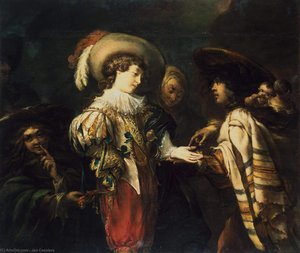
The evolution of Cossiers’ style is a captivating journey through the shifting tides of the Baroque era. His travels to Aix-en-Provence in 1623 allowed him to absorb the dynamic energy of Dutch influences, but it was his pilgrimage to Rome in 1624 that fundamentally altered his artistic DNA. There, he encountered the revolutionary tenebrism of Caravaggio—a technique defined by an intense, theatrical interplay between profound darkness and piercing light. This encounter breathed a new, dramatic life into his work. His early repertoire was characterized by Caravaggesque genre scenes, often depicting "low life" subjects with a gritty, unvarnistic realism. These works, such as the evocative Fortune Teller (1640), utilized masterful chiaroscuro to transform mundane moments of contemplation or social interaction into profound psychological studies.
From Genre Scenes to Grand Narratives
As his career matured, Cossiers transitioned from the intimate, often earthy depictions of everyday life toward the more prestigious realms of history and religious painting. This shift was not merely a change in subject matter but an expansion of his emotional and technical vocabulary. His connection to the legendary Peter Paul Rubens played a pivotal role in this ascension; by working within Rubens’ esteemed workshop, Cossiers refined his ability to handle large-scale compositions and complex, multi-figure narratives. The influence of Rubens is evident in the increased dynamism and opulent detail found in his later works, where the stark shadows of his youth began to mingle with a more sophisticated use of color and movement.
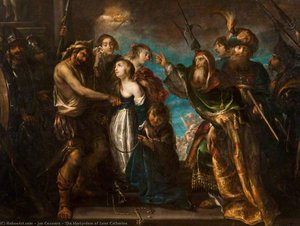
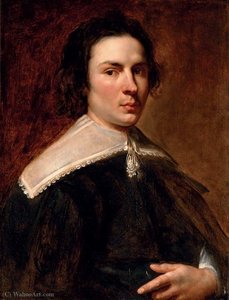
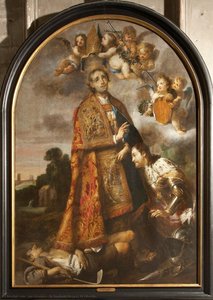
His religious canvases stand as testaments to his ability to convey spiritual fervor through physical drama. In masterpieces such as The Martyrdom of Saint Catherine (1647) and Jesus appears to Mary Magdalene, Cossiers utilizes the dramatic tension learned in Rome to evoke deep piety and suffering. His work Saint Nicholas Delivrant des Captifs further demonstrates his command over the Baroque epic, blending intense emotion with a dynamic composition that guides the viewer's eye through a sea of biblical struggle. Even in his more quiet moments, such as his meticulous Self Portrait, one can sense the dignity and technical precision that earned him high standing within the Antwerp artistic community.
A Pillar of the Antwerp School
Beyond the canvas, Jan Cossiers was a central figure in the institutional fabric of Flemish art. His ascent to the position of Dean of Saint Luke's Guild in 1640 signifies not only his technical mastery but also his profound respect among his peers. He lived through a period of immense cultural transition, acting as a bridge between the raw, dramatic energy of early Caravaggism and the more refined, classical sensibilities that would follow. His life was a tapestry of professional triumph and personal complexity, marked by significant connections to intellectuals like Nicolas Claude Fabri de Peiresc and the prestigious circles of the Antwerp elite.
The historical significance of Jan Cossiers lies in his ability to synthesize diverse influences into a singular, recognizable voice. He took the shadows of Italy, the dynamism of the Netherlands, and the grandeur of Rubens' Flanders to create an oeuvre that was both deeply personal and broadly representative of the Baroque spirit. Today, he is remembered not just as a follower of great masters, but as a pioneer who helped shape the visual language of the 17th century, leaving behind a legacy of light, shadow, and enduring human emotion.
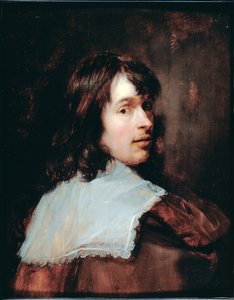
Jan Cossiers
1600 - 1671 , Belgium
Quick Facts
- Artistic Movement Or Style: Baroque
- Artists Or Movements Influenced By This Artist: ['Rubens']
- Artists Who Influenced This Artist: ['Caravaggio']
- Date Of Birth: July 15, 1600
- Date Of Death: July 4, 1671
- Full Name: Jan Cossiers
- Nationality: Flemish
- Notable Artworks:
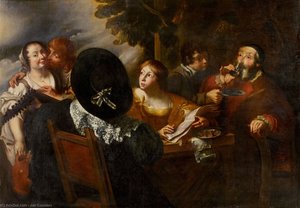
- Merry Company
- A Young Musician
- Self Portrait
- Place Of Birth: Antwerp, Belgium
Related Articles
Giclée Prints: Archival Quality & Aesthetic Nuances for the Discerning Collector
Explore the world of giclée prints with ArtsDot. Learn about archival quality, aesthetic nuances & investment potential. Expert guidance for discerning art collectors seeking museum-quality reproductions and lasting value.

The Dramatic Flourish: Exploring the Baroque Movement's Enduring Legacy in Art History
Explore the dramatic world of Baroque art! Discover iconic artists like Caravaggio & Rubens, defining techniques, and its lasting impact on art history. Expert insights for collectors & enthusiasts at ArtsDot.

Baroque Drama: Bringing Opulence & Emotion into Contemporary Interiors
Explore the opulent world of Baroque interior design! Discover key elements, modern applications & how to bring dramatic elegance into your home with 's authentic reproductions.

The Visceral Stage: Exploring Dramatic Narratives & Emotional Intensity in Baroque Art
Explore the dramatic world of Baroque art! Discover iconic masters like Caravaggio & Rembrandt, their techniques, and the movement's lasting impact. Expert insights for collectors & enthusiasts at ArtsDot.

Baroque Masterpieces: 10 Paintings That Defined an Era |
Journey through the drama & grandeur of Baroque art! Explore 10 masterpieces by Caravaggio, Rembrandt, Rubens & more. Discover stunning oil paintings, rich colors & timeless stories. Find museum-quality reproductions at .