 Preview
 Send
Send Share
Share
 Details

 Download
 Similars
 X-Ray
X-Ray Diaporama
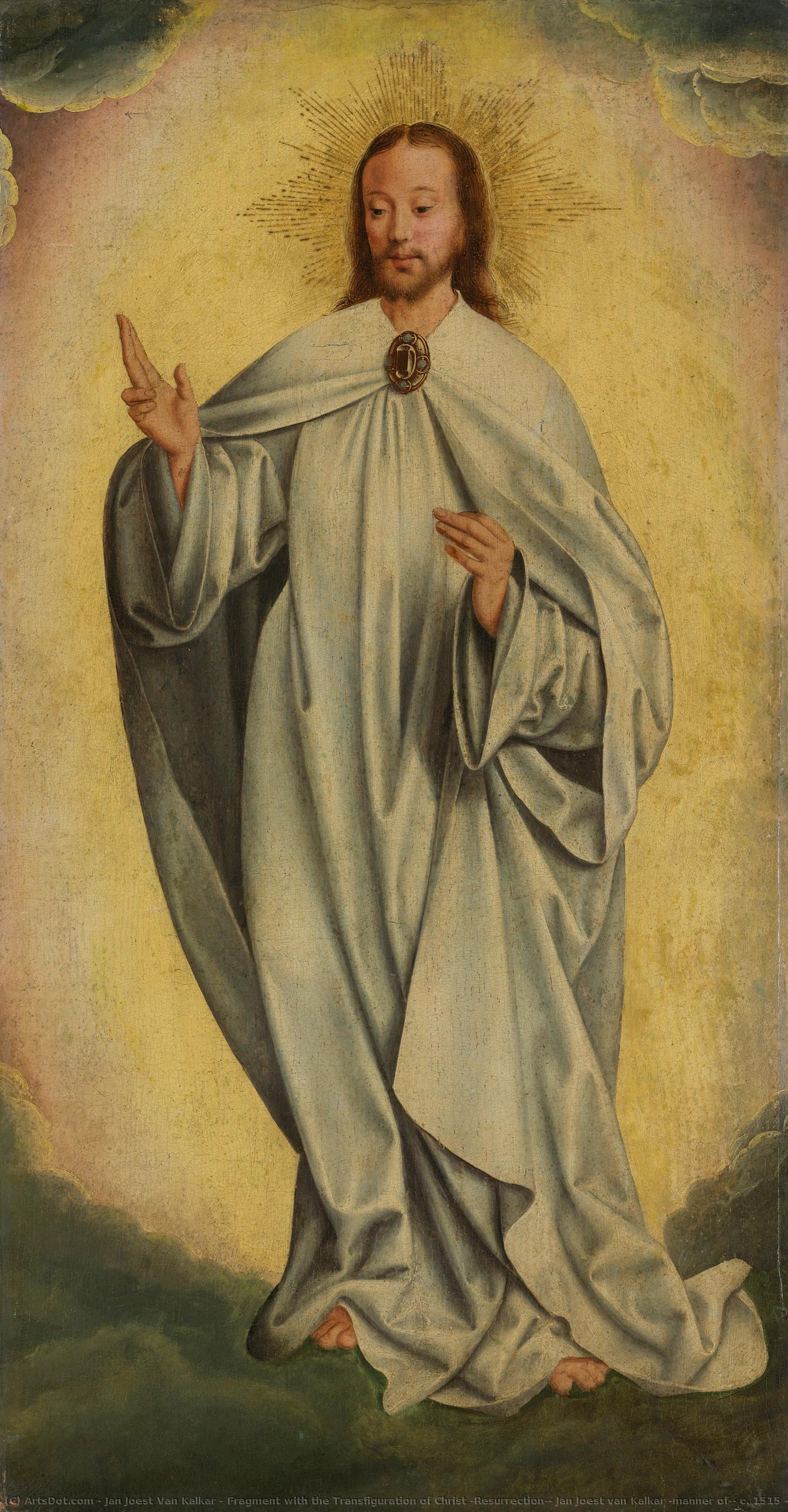
Fragment with the Transfiguration of Christ (Resurrection), Jan Joest van Kalkar (manner of), c. 1515 - c. 1520
 1520
1520 70.0 x 37.0 cm
 Read More
Hand Made Oil Reproduction
Hand-painted oil on canvas in your size and frame, made to order by our artists. ( Buy Print Buy Image)




































Pick from our preset sizes that match the artwork's original proportions.

You may enter your own dimensions to fit a specific frame or space. If your selected size does not match the original image's proportions, we will either crop the artwork or extend the painting with additional hand-painted elements. A digital mockup will be sent for your approval before production begins.
Please note that the on-screen preview does not reflect the actual cropping or extension. Only the mockup will accurately show the final composition.
While custom sizes are available, we recommend selecting a dimension from the predefined list to preserve the original proportions.
After order, ArtsDot.com team will email client for instructions and provide a mockup preview
Worldwide Delivery () in 3/4 weeks instead of standard 5 weeks. (28 August). No compromise on quality.

Free Worldwide Express Shipping

High-Quality Linen Canvas

Full Shipping Insurance

Customs Tax Refund Guarantee

True Color Matching Guarantee

60-Day Return Policy (Defects Only)

100% Money-Back Guarantee

Bulk Discount Offer
 Glass option is only available in size under 110 CM

Fragment with the Transfiguration of Christ (Resurrection), Jan Joest van Kalkar (manner of), c. 1515 - c. 1520
Reproduction Medium
Reproduction Size
-


Total Price
$ 263
Related Artworks




Artist Biography
life and artistic journey
jan joest van calcar, a german painter from either kalkar or wesel, remains an enigma in the art world despite his significant contributions to early netherlandish painting. active during the 15th century, van calcar's life is shrouded in mystery, with his identity established only in 1874 by jacob anton wolff and oskar eisenmann.artistic style and influences
van calcar's work is characterized by its exquisite transparency of coloring and fine detail, aligning him with the school of scorel. unlike his contemporaries, such as jan van eyck, van calcar's style is more subdued, yet his use of oil paint reflects a nascent understanding of the medium.notable works and legacy
although only one artwork, the last judgment, is confidently attributed to van calcar, its impact on the development of early netherlandish painting is undeniable. this work, housed in st. joriskerk, showcases van calcar's mastery of oil paint and his unique approach to religious themes.- influence on early netherlandish painting: van calcar's innovative use of color and detail paved the way for future generations of netherlandish artists.
- contribution to the development of oil painting: van calcar's work demonstrates an early understanding of oil paint, solidifying his place in the history of early netherlandish painting.
further exploration
for a deeper understanding of jan joest van calcar and his contemporaries, explore the following resources: * jan van eyck's biography on ArtsDot, offering insights into the development of early netherlandish painting. * early netherlandish painting on wikipedia, providing a comprehensive overview of the period and its notable artists.- discover van calcar's the last judgment at st. joriskerk, a testament to his innovative approach to religious art.
- delve into the world of early netherlandish painting with ArtsDot's extensive collection, featuring works from jan van eyck, gerard david, and other pioneers of the period.
conclusion
jan joest van calcar, though shrouded in mystery, has left an indelible mark on the history of early netherlandish painting. his innovative use of color and detail has influenced generations of artists, cementing his place as a pioneer in the development of this pivotal art movement.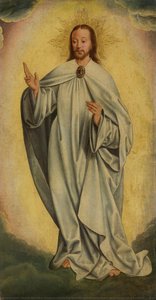
jan joest van calcar
1519 , Germany
Quick Facts
- Artistic Movement Or Style: School of Scorel
- Artists Or Movements Influenced By This Artist: ['Early Netherlandish Painting']
- Artists Who Influenced This Artist: ['Jan van Eyck']
- Date Of Death: 1519
- Full Name: Jan Joest van Calcar
- Nationality: German
- Notable Artworks: ['The Last Judgment']
- Place Of Birth: Kalkar, Germany